

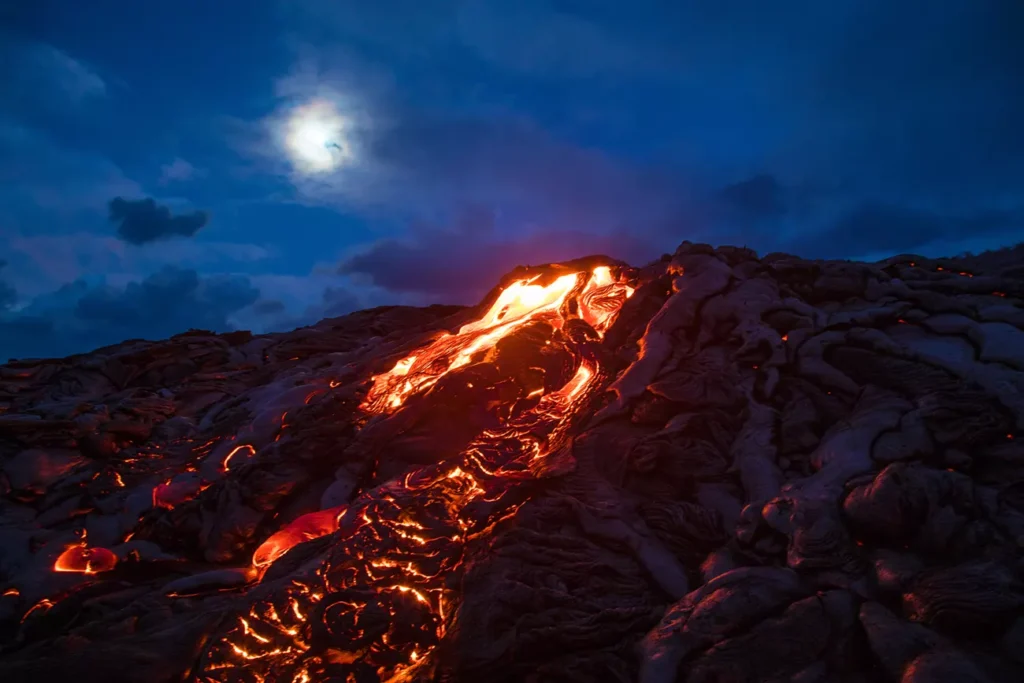
Understanding the Giants: A Deep Dive into Volcanic Science for the Modern Hiker

To hike a volcano is to walk upon the rawest form of Earth’s crust. For the adventurer, a volcano is a challenge; for the scientist, it is a window into the planetary engine. Understanding the mechanics behind these peaks doesn’t just satisfy curiosity—it provides the context necessary for safety and appreciation. This guide explores the three pillars of volcanic science:…
Capturing the Crater: Masterclass in Ash-Proofing, Lava Exposure, and Drone Ethics

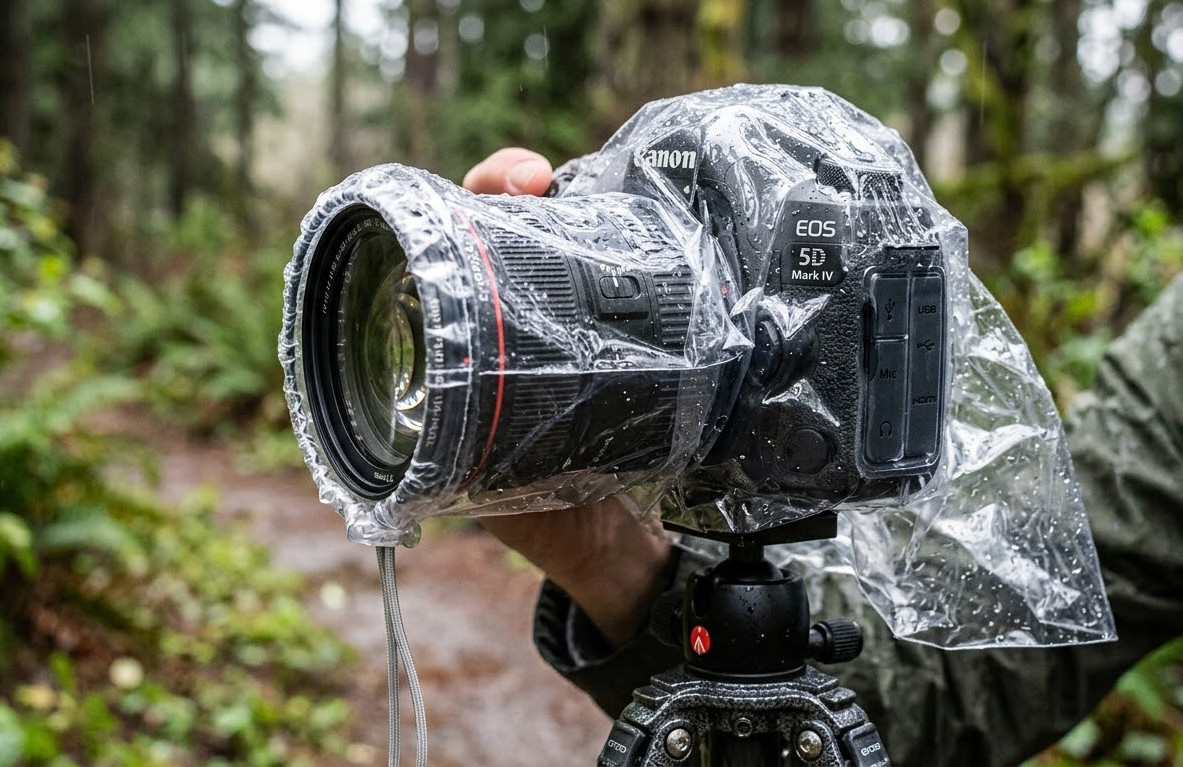
Photographing a volcano is a high-stakes game of risk and reward. You are contending with abrasive glass-shards (ash), corrosive gases that can eat through circuit boards, and the literal heat of the Earth’s mantle. To capture these landscapes successfully, you need more than just a good eye; you need a strategy for gear survival and technical precision. This masterclass is…

The Ultimate Volcano Hiking Packing List: Gear for the Edge of the World

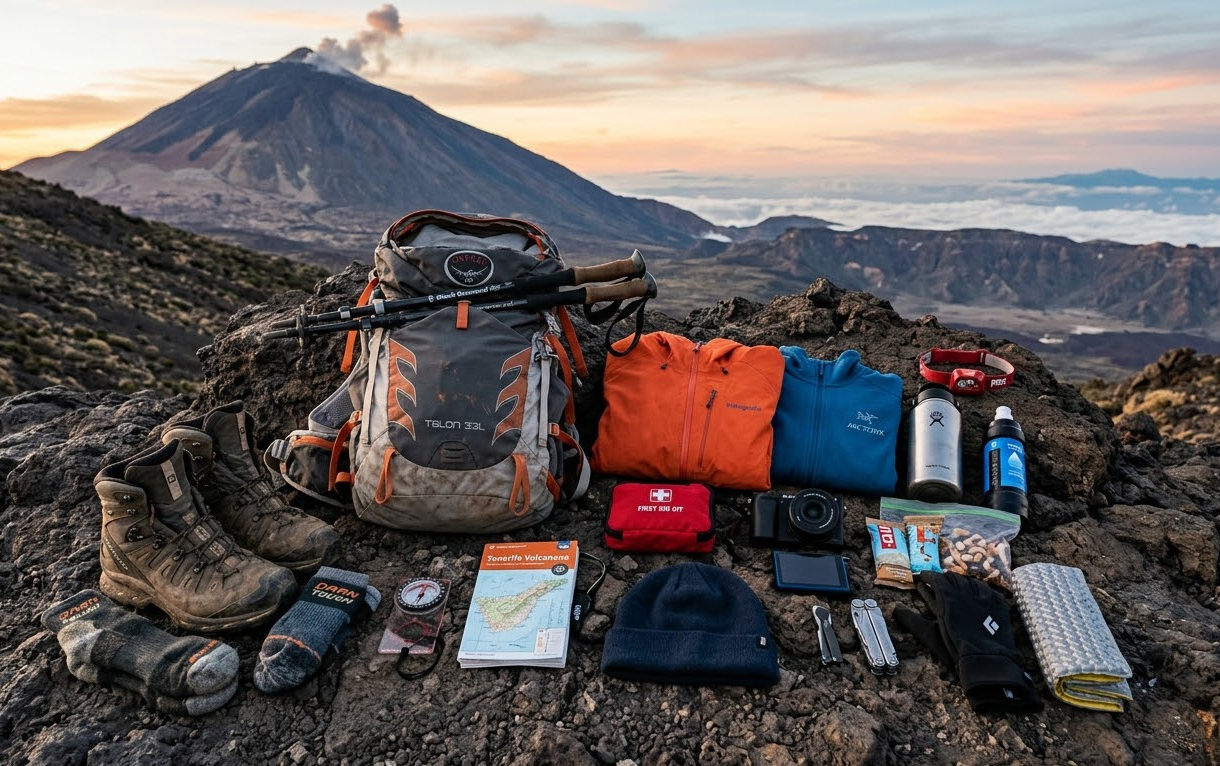
Hiking a volcano is a transformative experience, but the terrain is notoriously unforgiving. Whether you are trekking across the frozen lava fields of Iceland or ascending the active, ash-shrouded peaks of Guatemala, your gear is your lifeline. This guide breaks down the essential equipment into five critical categories: The Layering System, Footwear & Traction, Technical Hardware, Health & Safety, and…

The Volcanic Difficulty Scale (VDS)

Level 1: The “Cinder Cone” (Easy) These are typically dormant or extinct volcanoes with well-established, stabilized trails. Terrain: Packed dirt, grassy slopes, or ancient, weathered lava that has turned to soil. Elevation: 100m – 300m gain. Hazards: None beyond standard hiking risks. Example: Arthur’s Seat (Scotland) or Diamond Head (Hawaii). Requirement: Basic fitness; standard walking shoes are sufficient. Level 2:…