
Trekking Puca Mauras Volcano: A Comprehensive Guide to Peru’s Hidden Stratovolcano Adventure
Explore the rugged and lesser-known Puca Mauras stratovolcano in Peru’s Arequipa region. This guide covers the volcano’s geology, trekking terrain, routes, safety, permits, and accommodation options for an unforgettable volcano hiking experience.
Quick Volcano Snapshot
| Attribute | Value |
|---|---|
| Volcano type | Stratovolcano |
| Elevation | 4,955 meters (16,257 feet) |
| Location | Arequipa Region, Castilla Province, Chachas District, Peru |
| Activity status | Dormant |
| Trekking difficulty | Moderate |
| Typical trek duration | 1-2 days |
| Altitude gain | Approximately 500-700 meters |
| Terrain type | Rugged volcanic rock, ash slopes, lava fields |
| Best season | May to September (dry season) |
| Temperature range | 5°C to 20°C (41°F to 68°F) |
| Permit requirement | No formal permits required, but local regulations may apply |
Introduction: The Experience of Hiking Puca Mauras Volcano
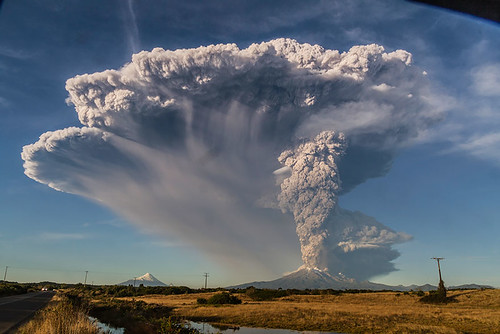
Approaching Puca Mauras, hikers are greeted by a dramatic volcanic silhouette rising sharply against the Andean sky. The barren lava fields and rugged ash slopes contrast starkly with the surrounding highland valleys, evoking a raw sense of geological power. Trekking here is an intimate encounter with the earth’s fiery past, where every step on the volcanic terrain reveals layers of ancient eruptions. Reaching the summit offers a profound moment of solitude and awe, with panoramic views over the Chila mountain range and the tranquil Cochapunco lake nearby. This trek is a rewarding adventure for those seeking to explore Peru’s less-traveled volcanic landscapes.
The Volcano Itself: Geological Background
Puca Mauras is a stratovolcano located in the Arequipa Region of southern Peru, part of the western extensions of the Chila mountain range. Standing at 4,955 meters, it is characterized by steep volcanic cones formed through successive layers of lava flows, ash, and pyroclastic deposits. The volcano’s name, derived from the Quechua word ‘puka’ meaning red, reflects the reddish hues of its volcanic rocks. Although currently dormant, Puca Mauras has a complex eruptive history that shaped the surrounding landscape. Its crater and lava fields exhibit classic stratovolcanic features, including rugged lava flows and fumarolic activity remnants. The area also contains mineral deposits such as sulfur, indicative of past volcanic gas emissions. This geological setting offers trekkers a unique opportunity to witness volcanic formations and understand the dynamic processes that have sculpted the Andes.
The Volcano Trek: Terrain and Hiking Experience
Trekking Puca Mauras presents a diverse and challenging terrain that demands both physical endurance and attentive navigation. The trail begins at the base in the Chachas District, where hikers traverse high-altitude grasslands dotted with native flora and fauna. As the ascent progresses, the landscape transitions into rugged volcanic rock and loose ash slopes, requiring careful footing. The volcanic terrain includes sharp lava rock formations that necessitate scrambling in some sections, while other parts feature soft pumice and ash that can be slippery underfoot. The trail’s gradient varies, with steep inclines near the summit testing cardiovascular fitness and acclimatization to altitude. Wind conditions can be strong and persistent, especially near the crater rim, adding to the physical challenge. Temperature fluctuations are notable, with cool mornings warming to mild afternoons, but sudden drops can occur at higher elevations. The volcanic soil is often unstable, and trekkers must be cautious of loose scree and potential rockfall zones. Despite these challenges, the trail rewards hikers with expansive views of the Chila range and the serene Cochapunco lake below. The solitude and raw volcanic landscape create an immersive experience, connecting trekkers deeply with the geological forces that shaped this region. Proper preparation, including sturdy hiking boots and trekking poles, enhances safety and comfort on this moderate yet demanding trek.
What Makes This Volcano Trek Unique
Puca Mauras stands out among Peru’s volcanoes for its relative obscurity and rugged terrain, offering an off-the-beaten-path adventure. Unlike more frequented peaks, it provides a solitary trekking experience through untouched volcanic landscapes. The volcano’s reddish volcanic rocks and ash slopes create striking visual contrasts against the surrounding Andean highlands. Its proximity to the tranquil Cochapunco lake adds a serene element to the otherwise stark volcanic environment. The trek’s moderate difficulty combined with the geological diversity makes it appealing to hikers seeking both challenge and discovery. Additionally, the cultural backdrop of the Arequipa region enriches the journey, with local communities preserving traditional Andean lifestyles. This blend of natural and cultural elements makes Puca Mauras a distinctive destination for volcano enthusiasts and adventure travelers alike.
The Summit and Crater Experience
Reaching the summit of Puca Mauras is a moment of profound accomplishment and awe. The crater rim offers sweeping panoramic views of the Chila mountain range, nearby volcanic peaks, and the shimmering Cochapunco lake nestled in the valley below. The air is thin and crisp, carrying faint traces of sulfur and the earthy scent of volcanic minerals. Hikers can observe the rugged crater walls, remnants of past eruptions, and scattered fumaroles that hint at the volcano’s dormant power. The summit’s exposed position means winds can be strong, adding a sense of raw wilderness to the experience. The silence at the top is punctuated only by the occasional whistle of the wind, enhancing the feeling of standing on a geological monument shaped by fire and time. This vantage point is ideal for photography and reflection, rewarding trekkers with a unique perspective on Peru’s volcanic landscape.
Best Time to Trek Puca Mauras Volcano
The optimal trekking season for Puca Mauras is during Peru’s dry months, from May to September. During this period, the weather is generally stable with clear skies, minimal rainfall, and cooler temperatures ideal for hiking. The dry season reduces the risk of slippery trails and sudden weather changes, enhancing safety on the volcanic terrain. Early mornings can be cold, so layering is essential. Outside of these months, the region experiences increased precipitation and cloud cover, which can obscure views and make the ash and lava slopes hazardous. Additionally, the dry season coincides with lower volcanic gas emissions, making the trek safer. Trekkers should also consider altitude acclimatization and plan their ascent accordingly to avoid altitude sickness. Monitoring local weather forecasts and volcanic activity reports before the trek is recommended.
Trekking Routes and Trail Options
Puca Mauras offers several trekking routes, primarily accessed from the Chachas District in the Arequipa Region. The most common route begins at the village outskirts, where hikers follow a marked trail ascending through highland grasslands before entering volcanic terrain. This route typically takes 1 to 2 days, depending on pace and acclimatization. The trail features moderate elevation gain of approximately 500 to 700 meters, with sections of steep ash slopes and rocky scrambling near the summit. Alternative routes involve longer approaches from neighboring valleys, offering more remote and less frequented paths for experienced trekkers seeking solitude. These options require advanced navigation skills and local guidance. Guided tours by local operators such as Akilpo Travel Agency and Evolution Treks Peru provide structured itineraries, including transportation, accommodation, and acclimatization stops. Self-guided trekking is possible but recommended only for well-prepared hikers familiar with high-altitude volcanic environments. Trail conditions vary seasonally, with the dry season providing the best footing. Overall, the routes combine natural beauty, geological interest, and cultural encounters, making Puca Mauras a rewarding destination for volcano trekking.
Difficulty Assessment
Puca Mauras is classified as a moderate volcano trek. The terrain includes steep ash slopes, loose volcanic scree, and rocky sections requiring sure-footedness and basic scrambling skills. Altitude is a significant factor, with the summit at nearly 5,000 meters, necessitating proper acclimatization to prevent altitude sickness. The trek does not require technical climbing equipment but demands good physical fitness and experience with high-altitude hiking. Weather conditions, such as strong winds and temperature fluctuations, add to the challenge. Overall, the trek suits hikers with moderate experience in mountainous terrain who are prepared for variable volcanic surfaces and altitude effects.
Essential Volcano Trekking Gear
Key gear for trekking Puca Mauras includes sturdy hiking boots with excellent grip for volcanic rock and ash, trekking poles to aid balance on loose terrain, and layered clothing to adapt to temperature changes. A windproof and waterproof jacket is essential due to exposure near the summit. Sun protection, including a wide-brimmed hat, sunglasses, and high-SPF sunscreen, is critical given the high altitude and lack of shade. Carry sufficient water and a hydration system to stay hydrated in the dry mountain air. A headlamp is recommended for early starts or late finishes. While gas masks are generally not required due to the volcano’s dormant status, a basic first aid kit and altitude sickness medication are advisable. GPS devices or maps enhance navigation, especially on less marked routes.
Safety and Volcanic Hazards
Although Puca Mauras is dormant, trekkers should remain vigilant about potential volcanic hazards. The terrain includes unstable ash slopes and loose scree, increasing the risk of slips and falls. Crater edges may be fragile and prone to collapse, so maintaining a safe distance is crucial. Sudden weather changes, including high winds and temperature drops, can pose risks, especially near the summit. While active eruptions are not expected, monitoring local volcanic activity reports before and during the trek is recommended. Guides from reputable operators carry satellite phones and first aid kits, and are trained in altitude sickness recognition and emergency evacuation procedures. Trekkers should inform others of their itinerary and avoid hiking alone. Proper acclimatization and physical preparation reduce health risks associated with high altitude.
Permits, Guides, and Logistics
Puca Mauras does not require formal government permits for trekking, making access relatively straightforward compared to more regulated routes like the Inca Trail. However, local regulations and community permissions may apply, so it is advisable to consult with local authorities or tour operators before embarking. Several reputable tour companies in Peru offer guided treks to Puca Mauras, including Akilpo Travel Agency based in Huaraz, Evolution Treks Peru, Sunrise Peru Trek Travel & Tours, Andean Peaks S.A.C., and Inkas Destination. These operators provide comprehensive services including transportation from Arequipa, experienced local guides familiar with the terrain, accommodation arrangements, and logistical support such as meals and equipment rental. Guided tours enhance safety, navigation, and cultural insight, especially for those unfamiliar with the region. Costs vary depending on the length and inclusions of the trek but generally range from moderate to premium pricing. Booking in advance is recommended during the dry season to secure availability. Self-guided trekking is possible but requires thorough preparation and local knowledge. Overall, the logistics for Puca Mauras trekking are manageable with support from established local operators.
Where to Stay Near Puca Mauras Volcano
Accommodation options near Puca Mauras are centered around the Arequipa Region and the Castilla Province, particularly in the Chachas District and nearby towns. While the immediate vicinity of the volcano lacks dedicated lodges, travelers can find comfortable stays in Arequipa city, which serves as the primary base for expeditions. Arequipa offers a range of accommodations from budget hostels to mid-range hotels such as Casa Andina Standard Arequipa and Hotel La Hacienda. These provide amenities including hot showers, Wi-Fi, and local dining options. For a more rustic experience closer to the volcano, small guesthouses and family-run hospedajes in Chachas village offer basic but authentic lodging, ideal for acclimatization and early starts. Some trekking companies arrange camping near trailheads or mountain refuges for multi-day treks. Additionally, eco-lodges and mountain inns in the broader Arequipa region provide tranquil environments with views of the surrounding volcanic landscape. Travelers should plan logistics carefully, as transportation options to trailheads may be limited and require coordination with tour operators. Overall, while the area lacks luxury accommodations, it offers a variety of practical and culturally immersive lodging choices for volcano trekkers.