
Chachani Volcano Trekking Guide: Conquer Bolivia’s Majestic Stratovolcano
Explore the comprehensive trekking guide to Chachani, a dormant stratovolcano in Bolivia’s Potosí Department. Discover detailed route options, terrain challenges, essential gear, and logistics for a safe and rewarding ascent to 6,075 meters.
Quick Volcano Snapshot
| Attribute | Value |
|---|---|
| Volcano type | Stratovolcano |
| Elevation | 6,075 meters |
| Location | Potosí Department, Bolivia |
| Activity status | Dormant |
| Trekking difficulty | Moderate |
| Typical trek duration | 2 days / 1 night |
| Altitude gain | Approximately 1,100 meters |
| Terrain type | Volcanic ash slopes, loose scree, rocky volcanic terrain |
| Best season | May to September (dry season) |
| Temperature range | -10°C to -20°C at summit, milder at base |
| Permit requirement | No permit required |
Introduction: The Experience of Hiking Chachani Volcano
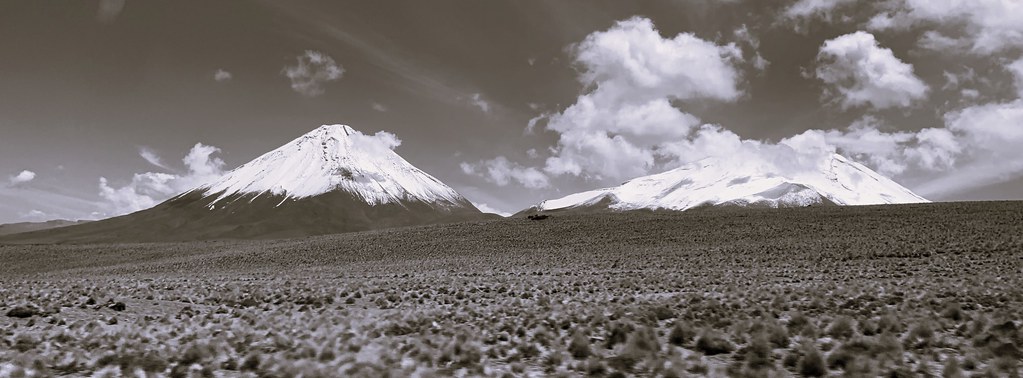
Approaching Chachani volcano, trekkers are greeted by a vast volcanic massif rising sharply above the Andean Altiplano. The landscape is a dramatic blend of barren volcanic slopes and distant snow-capped peaks, evoking a powerful sense of Earth’s geological forces. As you ascend, the air thins and the terrain shifts from rugged volcanic rock to loose scree and ash, challenging your endurance. Reaching the summit reveals a breathtaking panorama of neighboring volcanoes and the sprawling highlands below, a moment of profound connection with the raw power and beauty of this dormant giant.

Geological Background of Chachani Volcano
Chachani is a stratovolcano located in Bolivia’s Potosí Department, part of the Central Volcanic Zone of the Andes. Formed through successive eruptions of andesitic and dacitic lava flows, it stands at 6,075 meters, making it one of the highest volcanic peaks in the region. Its structure features multiple summits and a broad volcanic massif shaped by past explosive eruptions and lava dome growth. The volcano’s dormant status means it has not erupted in recent history, but fumarolic activity and sulfur deposits hint at its volcanic origins. The terrain includes hardened lava flows, volcanic ash slopes, and rocky outcrops, with unique mineral formations and occasional steam vents adding to its geological intrigue.
The Volcano Trek: Terrain and Hiking Experience
The trek up Chachani offers a varied and challenging terrain that tests both physical endurance and acclimatization to high altitude. Starting from the trailhead near 4,900 meters, hikers traverse volcanic ash slopes and rocky paths that wind through the arid Andean landscape. The initial approach involves gentle ascents through volcanic valleys dotted with sparse vegetation and occasional wildlife sightings. As the trail progresses, the terrain becomes steeper and more demanding, with loose scree and pumice underfoot requiring careful footing and balance. The ascent to base camp at around 5,200 meters provides an opportunity to acclimatize amid stunning views of surrounding peaks such as Misti and Pichu Pichu. From base camp, the summit push begins in the early hours, often under moonlight, crossing steep volcanic slopes and switchbacks. The final sections demand stamina and mental focus as the air thins and temperatures drop significantly. Wind exposure near the summit adds to the challenge, with temperatures ranging from -10°C to -20°C. Despite these difficulties, the non-technical nature of the route means no specialized climbing equipment is required, making it accessible to trekkers with good fitness and proper preparation. The volcanic terrain offers a unique hiking experience, combining the thrill of high-altitude trekking with the awe-inspiring presence of a massive Andean volcano.
What Makes the Chachani Trek Unique
Chachani stands out as one of the most accessible six-thousand-meter peaks in the Andes, offering a rare opportunity to summit a high-altitude volcano without technical climbing skills. Its volcanic massif provides panoramic views of iconic neighboring volcanoes like Misti, Ampato, and Pichu Pichu, as well as distant glimpses of the Altiplano and even Bolivia’s peaks on clear days. The trek’s location within a high-altitude desert climate ensures stable weather for much of the year, enhancing safety and predictability. The combination of volcanic landscapes, high-altitude ecosystems, and cultural proximity to Arequipa enriches the experience, making it a compelling destination for adventurous trekkers seeking both physical challenge and geological wonder.
The Summit and Crater Experience
Reaching Chachani’s summit is a moment of triumph and awe. The crater itself is a broad, rugged depression marked by volcanic rock and occasional fumaroles emitting faint steam. The air is thin and crisp, carrying the subtle scent of sulfur. From this vantage point, hikers are rewarded with sweeping 360-degree views of the Andes, including the perfectly conical Misti volcano and the rugged ridges of Pichu Pichu. The silence at the summit is profound, broken only by the whisper of wind and the distant calls of Andean wildlife. The panoramic landscape stretches across the highlands, revealing the vastness and raw beauty of this volcanic region. The experience is both humbling and exhilarating, a vivid reminder of the Earth’s dynamic forces.
Best Time to Trek Chachani Volcano
The optimal season for trekking Chachani is during the dry months from May to September. During this period, the weather is generally stable with clear skies, low humidity, and moderate winds, providing safer and more predictable conditions for high-altitude trekking. Temperatures at the summit can range from -10°C to -20°C, so appropriate cold-weather gear is essential. The rainy season, from December to March, brings increased precipitation, cloud cover, and slippery trail conditions, which can complicate the ascent and increase risks. Planning your trek during the dry season maximizes the chances of a successful and enjoyable climb.
Trekking Routes and Trail Options on Chachani
Chachani offers several trekking routes, with the most popular being the Azufrera route approaching from the east. This route is considered the standard path and is favored for its relatively straightforward navigation and moderate difficulty. The trailhead is accessible by 4×4 vehicles up to approximately 4,900 meters, reducing the overall altitude gain required on foot. From there, hikers trek about two hours to base camp at 5,200 meters, where they rest and acclimatize. The summit push begins early the next morning, taking 5 to 6 hours over steep volcanic slopes and loose scree. Alternative routes exist but are less frequented due to recent rockfall concerns and more challenging terrain. Guided tours typically use the Azufrera route, providing logistical support and safety. Self-guided trekkers should be experienced in high-altitude navigation and prepared for variable trail conditions. Overall, the route options balance accessibility with the physical demands of high-altitude trekking, making Chachani a versatile destination for a range of adventurers.
Difficulty Assessment of the Chachani Trek
Chachani is classified as a moderate volcano trek. The route is non-technical, requiring no climbing equipment such as ropes or harnesses, but the high altitude and steep volcanic slopes present significant physical challenges. Trekkers should have good cardiovascular fitness and experience with high-altitude hiking to manage the thin air and potential altitude sickness. The terrain includes loose scree and volcanic ash, demanding careful footing and stamina. Weather conditions can be harsh near the summit, with cold temperatures and strong winds. Overall, the trek is suitable for fit adventurers prepared for endurance hiking rather than technical mountaineering.
Essential Gear for Trekking Chachani Volcano
Successful trekking on Chachani requires specialized gear to handle high-altitude and volcanic terrain. Essential items include sturdy hiking boots with excellent grip for loose scree and rocky surfaces, trekking poles to aid balance and reduce strain, and layered clothing suitable for cold temperatures and wind exposure. A windproof and insulated jacket is critical for summit conditions. Headlamps are necessary for the pre-dawn summit ascent. Due to volcanic gases and dust, a lightweight respirator or gas mask can be beneficial. Hydration systems are vital, as water sources are scarce on the trail. Sun protection, including high-SPF sunscreen, sunglasses, and a wide-brimmed hat, is important given the intense solar radiation at altitude. Additional gear includes crampons and an ice axe for steeper sections if conditions require, though these are generally not mandatory. Proper preparation with this gear ensures safety and comfort throughout the trek.
Safety and Volcanic Hazards on Chachani
While Chachani is dormant, trekkers must remain vigilant about high-altitude risks and volcanic terrain hazards. Altitude sickness is a primary concern; proper acclimatization and hydration are essential to prevent serious illness. The volcanic slopes feature loose scree and unstable rock, increasing the risk of slips and falls. Sudden weather changes can bring cold temperatures and strong winds, especially near the summit. Although there is no recent eruptive activity, fumaroles and sulfur deposits emit gases that can irritate the respiratory system. Trekkers should heed guidance from certified mountain guides and monitor local volcanic activity reports. Emergency evacuation services and oxygen supplies are typically available through professional tour operators, enhancing safety during the ascent.
Permits, Guides, and Logistics for Climbing Chachani
Climbing Chachani does not require official permits, making it accessible for independent trekkers. However, most visitors opt for guided tours to ensure safety, acclimatization support, and logistical ease. Certified guides from reputable companies such as Peru Adventure Tours, Wander Free Peru, Rely Tours Peru, South America Exploor, and Huillca Expedition provide comprehensive services including pre-trek briefings, 4×4 transport to trailheads, camping gear, meals, and emergency oxygen. These operators maintain a high guide-to-client ratio, ensuring personalized attention. The typical itinerary spans two days with an overnight stay at base camp around 5,200 meters. Transport from Arequipa to the trailhead takes approximately three hours by 4×4 vehicle. Guides provide essential safety equipment like crampons and ice axes for steeper sections, although the route is non-technical. Costs vary by operator but generally include transport, meals, camping equipment, and guide services. Travelers are advised to arrange travel insurance covering high-altitude trekking. The absence of permit fees and the availability of professional guiding services make Chachani a well-supported yet adventurous climb.
Where to Stay and Nearby Bases for Chachani Trekking
The city of Arequipa, located approximately three hours from Chachani’s trailhead, serves as the primary base for trekkers. Arequipa offers a wide range of accommodations, from budget hostels to upscale hotels, providing amenities such as oxygen rental, gear shops, and acclimatization hikes. Popular hotels include Casa Andina Select Arequipa, Hotel Libertador Arequipa, and the boutique Hotel La Hacienda. For those seeking proximity to the volcano, some tour operators provide base camp camping at 5,200 meters, equipped with tents, dining facilities, and hot meals to aid acclimatization. These camps are temporary and set up by guiding companies during expeditions. Arequipa’s infrastructure supports pre-trek briefings, equipment checks, and last-minute supply purchases. While there are no permanent lodges on Chachani itself, the city’s amenities and cultural attractions make it an ideal staging point. Travelers are encouraged to spend several days in Arequipa for acclimatization before attempting the summit.