Climbing Calbuco Volcano: A Demanding Trek to Chile’s Active Stratovolcano with Stunning Lake Views
Calbuco Volcano, an active stratovolcano in Chile’s Los Lagos region, offers a demanding yet rewarding trekking experience. Hikers ascend through ancient Valdivian forests and recent volcanic landscapes to reach spectacular crater views overlooking Llanquihue Lake and the Andes. This guide covers geological insights, terrain challenges, routes, permits, safety, and accommodation options near the volcano.
Quick Volcano Snapshot
| Attribute | Value |
|---|---|
| Volcano type | Stratovolcano |
| Elevation | 2,015 meters (6,611 feet) |
| Location | Los Lagos Region, Chile |
| Activity status | Active |
| Trekking difficulty | Demanding |
| Typical trek duration | 6-8 hours round trip |
| Altitude gain | Approximately 1,700 meters (5,577 feet) |
| Terrain type | Volcanic ash slopes, lava rock, Valdivian forest, lahar deposits |
| Best season | December to March (Southern Hemisphere summer) |
| Temperature range | 5°C to 20°C (41°F to 68°F) depending on altitude and season |
| Permit requirement | Yes, permits required; guided tours recommended |
The Experience of Hiking Calbuco Volcano
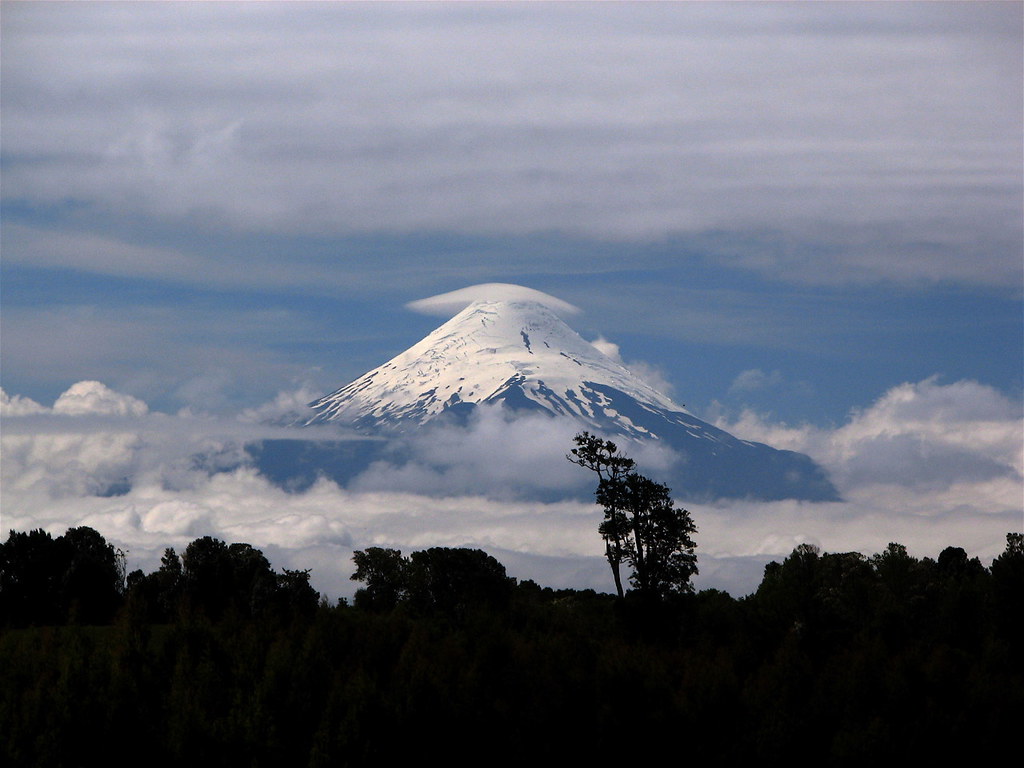
Approaching Calbuco Volcano, the landscape shifts dramatically from lush Valdivian rainforest to stark volcanic terrain. The towering stratovolcano dominates the horizon, its symmetrical cone rising above the surrounding lakes and forests. As you ascend, the air grows thinner and cooler, and the trail reveals scars from recent eruptions, including lahar deposits and fresh volcanic rock. The contrast between the vibrant green forest and the barren volcanic slopes creates a powerful sense of nature’s raw energy. Reaching the crater rim, hikers are rewarded with breathtaking panoramic views of Llanquihue Lake, neighboring volcanoes Osorno and Puntiagudo, and the distant Andes. The smell of sulfur and the occasional steam vent remind you of the volcano’s active heart beneath your feet. This trek is both a physical challenge and an immersive journey into Chile’s volcanic wilderness.
Geological Background of Calbuco Volcano
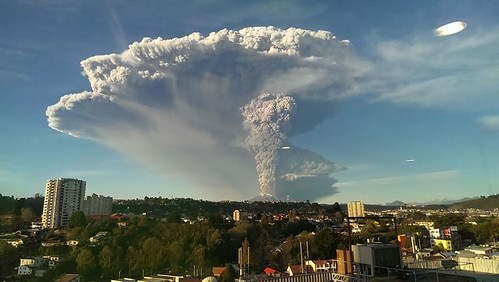
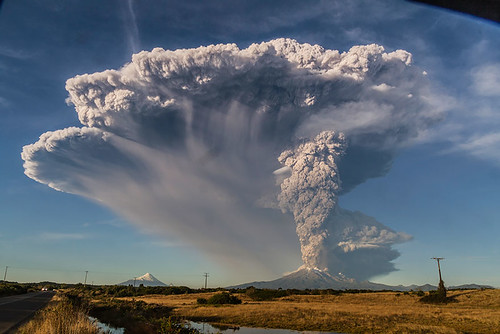
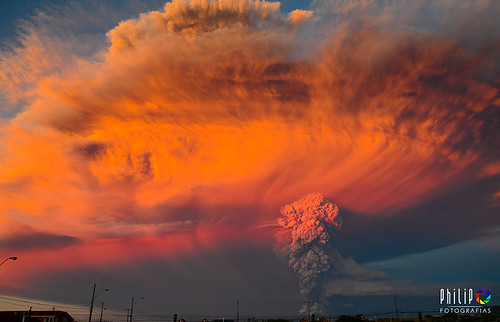
Calbuco is a classic stratovolcano located in Chile’s Los Lagos Region, part of the Southern Volcanic Zone of the Andes. It formed through successive eruptions of andesitic to dacitic lava, building a steep, symmetrical cone. The volcano’s name, derived from the Mapuche language, means “Blue Water,” reflecting the nearby lakes that frame its base. Calbuco has a history of explosive eruptions, with notable activity recorded in 1893, 1961, and most recently in 2015. These eruptions produced pyroclastic flows, lahars, and ashfall that reshaped the surrounding landscape. The volcano features multiple craters, fumaroles, and sulfur deposits, with steam vents visible near the summit. Its geology offers a vivid example of subduction zone volcanism, where the Nazca Plate dives beneath the South American Plate, fueling volcanic activity. The surrounding terrain includes ancient Valdivian forests and volcanic deposits, creating a unique ecological and geological mosaic.
Terrain and Hiking Experience on Calbuco Volcano
The trek up Calbuco Volcano is a demanding adventure that challenges hikers with diverse terrain and significant altitude gain. The journey begins at approximately 300 meters above sea level near the Río Blanco, where the trail winds through dense Valdivian rainforest. This section offers a cool, shaded environment with towering ancient larches and rich biodiversity. As you ascend, the trail crosses the lahar deposits from the 2015 eruption, a stark and rugged landscape of volcanic debris and hardened mudflows. This area contrasts sharply with the lush forest below and provides insight into the volcano’s recent activity.
Beyond the lahar zone, the trail steepens considerably and becomes enclosed by ancient larches, offering spectacular views of the Pacific Ocean and Puerto Montt in the distance. The terrain here is a mix of loose volcanic ash, pumice, and rocky outcrops, requiring careful footing and good hiking boots. The steep slopes demand strong cardiovascular fitness and endurance, as the altitude rises to around 1,000 meters at the refuge.
From the refuge, the final ascent to the crater rim is the most challenging, with steep, exposed sections over volcanic rock and ash. Wind conditions can be strong and temperatures drop significantly, so layered clothing and windproof gear are essential. The trail may be slippery or unstable in places, especially after rain, and hikers should be prepared for sudden weather changes.
Throughout the hike, trekkers experience a dramatic transition from verdant forest to barren volcanic summit, with panoramic views of the surrounding Andes, Llanquihue Lake, and neighboring volcanoes. The trail’s physical demands and varied terrain make this a rewarding climb for experienced hikers seeking an immersive volcanic adventure.
What Makes the Calbuco Volcano Trek Unique
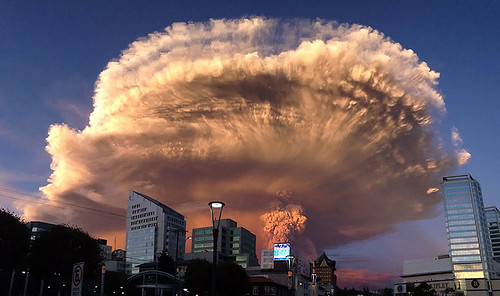
Calbuco Volcano offers a rare combination of recent volcanic activity and diverse natural beauty. Its 2015 eruption left fresh volcanic landscapes that hikers can witness firsthand, including lahar fields and ash deposits. The trek’s route through ancient Valdivian forests provides a striking contrast to the barren summit, showcasing Chile’s unique ecological zones. The panoramic views from the crater rim are spectacular, featuring Llanquihue Lake’s deep blue waters framed by the snow-capped Andes and neighboring volcanic peaks like Osorno and Puntiagudo. The active fumaroles and sulfur vents near the summit add a sensory dimension to the experience, with the smell of sulfur and the sound of escaping gases enhancing the sense of standing on a living volcano. This trek is a blend of geological wonder, physical challenge, and breathtaking scenery that few other volcanoes in the region can match.
The Summit and Crater Experience on Calbuco
Reaching the summit of Calbuco is a moment of awe and exhilaration. The crater rim offers a commanding 360-degree panorama of the Los Lagos region, with sweeping views of Llanquihue Lake’s shimmering surface and the rugged Andes stretching into the distance. The crater itself is a stark, volcanic amphitheater marked by fumaroles emitting steam and sulfurous gases, a vivid reminder of the volcano’s active status. The air carries the sharp scent of sulfur, and the ground beneath your feet radiates residual heat in places. The silence is punctuated by the occasional hiss of escaping gases, creating an otherworldly atmosphere. From this vantage point, hikers can appreciate the scale and power of Calbuco’s eruptions and the dynamic forces shaping the landscape. The summit experience is both humbling and inspiring, a true reward for the demanding ascent.
Best Time to Trek Calbuco Volcano
The ideal time to climb Calbuco Volcano is during the Southern Hemisphere summer months, from December to March. During this period, weather conditions are generally more stable, with warmer temperatures ranging from 5°C to 20°C and reduced rainfall. The trail is more accessible, and daylight hours are longer, allowing for safer and more comfortable trekking. Outside this window, the region experiences frequent rain, strong winds, and colder temperatures, which can make the ascent hazardous. Additionally, volcanic activity is continuously monitored, and access may be restricted during periods of increased activity or gas emissions. Early morning starts are recommended to avoid afternoon weather changes and to enjoy clear views from the summit. Trekkers should always check current volcanic alerts and weather forecasts before planning their hike.
Routes and Trail Options for Calbuco Volcano
The primary route to Calbuco’s summit begins near the Río Blanco at approximately 300 meters elevation. This trail is the most established and commonly used path, favored by guided tours and experienced hikers. The ascent covers roughly 1,700 meters of elevation gain over 6 to 8 hours round trip. The trail passes through diverse terrain, including Valdivian rainforest, lahar deposits from the 2015 eruption, and steep volcanic slopes.
Guided tours typically start early from Puerto Varas or Puerto Montt, with transportation provided to the trailhead. The route includes a rest stop at a viewpoint after about 1.5 hours, where hikers can enjoy lunch with views of the volcano. The final section to the refuge at 1,000 meters is steep and enclosed by ancient larches, offering shelter and spectacular scenery.
From the refuge, the last ascent to the crater rim involves navigating loose volcanic ash and rocky terrain. Some variations in the final ascent exist depending on seasonal conditions, with alternative paths to the north and south peaks of the volcano.
Self-guided hikers should be well-prepared with navigation tools and be aware that the trail can be physically demanding and exposed in sections. Due to the volcano’s active status, guided tours are recommended for safety and permit compliance. No other major trail options are commonly used, making this route the definitive path for summit attempts.
Difficulty Assessment of Calbuco Volcano Trek
Calbuco Volcano is classified as a demanding volcano ascent. The trek requires a high level of physical fitness due to the significant altitude gain of approximately 1,700 meters and the steep, uneven terrain. Hikers must be prepared for loose volcanic ash, rocky sections, and potentially slippery slopes, especially after rain. The altitude, while moderate, can affect those not acclimatized, and the weather can change rapidly, adding to the challenge.
Technical climbing skills are not required, but good hiking boots, trekking poles, and experience with mountain hiking are essential. The trail’s exposure near the summit demands caution, and windproof clothing is necessary. Overall, this trek suits experienced hikers comfortable with strenuous ascents and variable mountain conditions. Beginners should consider guided tours with professional support.
Essential Gear for Trekking Calbuco Volcano
For a safe and comfortable ascent of Calbuco Volcano, hikers should equip themselves with the following gear: sturdy hiking boots with good ankle support and grip; trekking poles to assist with steep and loose terrain; layered clothing including moisture-wicking base layers, insulating mid-layers, and a windproof, waterproof outer shell; gloves and a warm hat for summit conditions; a headlamp for early starts or late finishes; sunglasses and high SPF sunscreen to protect against strong UV exposure; a backpack with at least 30 liters capacity to carry water (minimum 2 liters), snacks, extra clothing, and personal items; a gas mask or respirator is generally not required but may be useful if sulfur gas emissions are strong; and a camera to capture the stunning landscapes. Additionally, hikers should carry a first aid kit, map or GPS device, and a fully charged mobile phone for emergencies.
Safety and Volcanic Hazards on Calbuco Volcano
Trekking Calbuco Volcano involves inherent risks associated with active volcanic environments. Volcanic gases such as sulfur dioxide can be present near fumaroles and vents, posing respiratory hazards. Hikers should avoid lingering near steam vents and be prepared to descend quickly if gas levels rise. The trail includes unstable crater edges and loose scree, increasing the risk of falls or rockslides. Sudden weather changes, including strong winds and rain, can reduce visibility and trail stability.
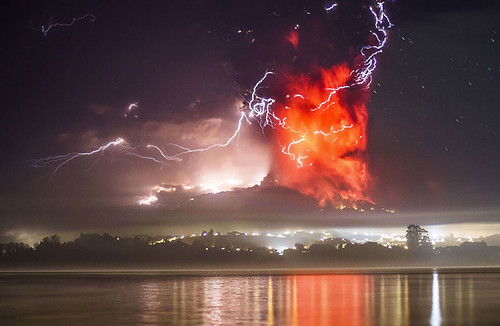
Calbuco’s recent eruptions in 2015 highlight the potential for renewed activity. The Chilean National Geology and Mining Service (SERNAGEOMIN) continuously monitors the volcano and issues alerts. Trekkers must check current volcanic activity reports and adhere to any access restrictions or closures. Guided tours are strongly recommended for safety, as guides are trained in volcanic hazard awareness and emergency procedures. Carrying a whistle, first aid kit, and informing others of your itinerary enhances safety. Respect all park regulations and signage to minimize risks.
Permits, Guides, and Logistics for Calbuco Volcano Trekking
Access to Calbuco Volcano requires permits issued by Chilean authorities, as it lies within protected areas managed by the National Forest Corporation (CONAF). Permits help regulate visitor numbers and ensure safety due to the volcano’s active status. Most hikers obtain permits through authorized tour operators who handle the application process, making guided tours the preferred and safest option.
Notable tour operators offering guided treks to Calbuco include Patagonia Trails, Huella Andina, and Explore Share. These companies provide bilingual guides registered with the National Association of Mountain Guides (ANGM Chile) and the National Tourism Service. Their services typically include transportation from Puerto Varas or Puerto Montt, equipment rental (such as trekking poles and helmets if needed), entrance fees to protected areas, and additional adventure travel insurance.
Permit costs vary but generally range from USD 10 to 20 per person, included in tour packages. Booking in advance is essential, especially during peak season (December to March). Tours usually start early in the morning to maximize daylight and avoid afternoon weather changes. Self-guided trekking is possible but not recommended without prior experience and local knowledge due to the active volcanic hazards and permit requirements.
Logistically, Puerto Varas and Puerto Montt serve as the main bases for Calbuco treks, offering accommodation, gear rental shops, and transport connections. From these towns, it is approximately a one-hour drive to the trailhead near Río Blanco. Visitors should plan for a full day, including travel, ascent, and descent. Weather and volcanic activity monitoring are integral to trip planning, and guides provide real-time updates and safety briefings.
In summary, securing permits through reputable tour operators ensures compliance with regulations, enhances safety, and enriches the trekking experience with expert guidance and local insights.
Where to Stay Near Calbuco Volcano
The towns of Puerto Varas and Puerto Montt are the primary bases for expeditions to Calbuco Volcano, offering a range of accommodation options suited to different budgets and preferences.
Puerto Varas, located on the southern shore of Llanquihue Lake, is a charming town known for its German-influenced architecture and stunning views of the Osorno and Calbuco volcanoes. Here, travelers can find boutique hotels, guesthouses, and lodges such as Hotel Cabaña del Lago and Casa Molino, which provide comfortable amenities including Wi-Fi, breakfast, and easy access to local restaurants and shops. The town’s lakeside promenade and vibrant cultural scene make it an excellent place to relax before or after the trek.
Puerto Montt, a larger city about 20 kilometers from Puerto Varas, offers more extensive services including international airports, gear rental shops, and a wider selection of hotels ranging from budget to mid-range. Accommodations like Hotel Don Luis and Hotel Diego de Almagro provide convenient access to transport links and tour operator offices.
For those seeking closer proximity to the trailhead, rural lodges and cabins are available near Ensenada and Río Blanco, though options are limited and often rustic. These provide early access to the volcano but require advance booking.
Amenities in these towns include restaurants serving local Chilean cuisine, outdoor gear shops, and transportation services. Many tour operators offer pick-up and drop-off from hotels in Puerto Varas and Puerto Montt, simplifying logistics.
Overall, staying in Puerto Varas is recommended for its balance of comfort, charm, and proximity to nature, while Puerto Montt serves as a practical gateway with broader travel connections.