
Trekking Tecapa Volcano: A Complete Guide to El Salvador’s Emerald Crater Lake Hike
Explore the dormant Tecapa Volcano in El Salvador, featuring the stunning emerald crater lake Laguna de Alegría. This guide covers geology, hiking terrain, routes, permits, accommodations, and safety tips for an unforgettable volcano trekking experience.
Quick Volcano Snapshot
| Attribute | Value |
|---|---|
| Volcano type | Stratovolcano |
| Elevation | 1,593 meters |
| Location | Usulután Department, El Salvador |
| Activity status | Dormant |
| Trekking difficulty | Moderate |
| Typical trek duration | 3-4 hours |
| Altitude gain | 370 meters |
| Terrain type | Dry forest trails, uneven roads, crater rim paths |
| Best season | Dry season (November to April) |
| Temperature range | 10°C to 25°C |
| Permit requirement | Park entrance fee $1-$5 USD; guided tours optional |
Introduction: The Experience of Hiking Tecapa Volcano
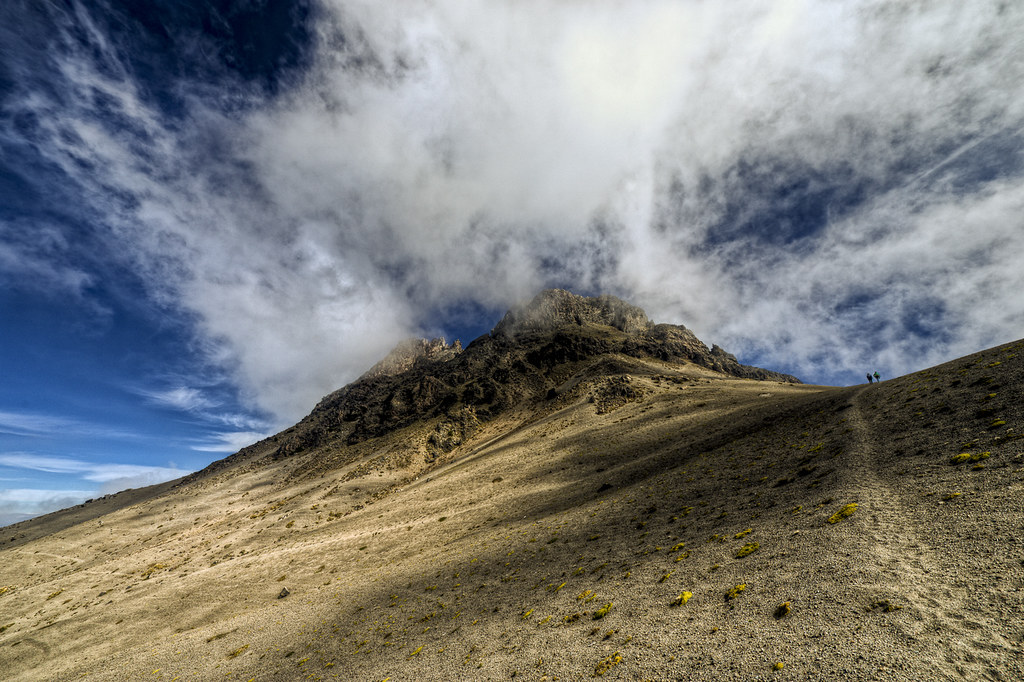
Approaching Tecapa Volcano, hikers are greeted by a dramatic landscape where volcanic power meets serene beauty. The trail winds through dry forests and coffee plantations, contrasting with the stark volcanic terrain. The emerald-green crater lake, Laguna de Alegría, shimmers at the summit, inviting awe and reflection. The hike offers a profound connection to the earth’s geological forces and local culture, culminating in panoramic views of surrounding valleys and distant volcanoes.
The Volcano Itself: Geological Background
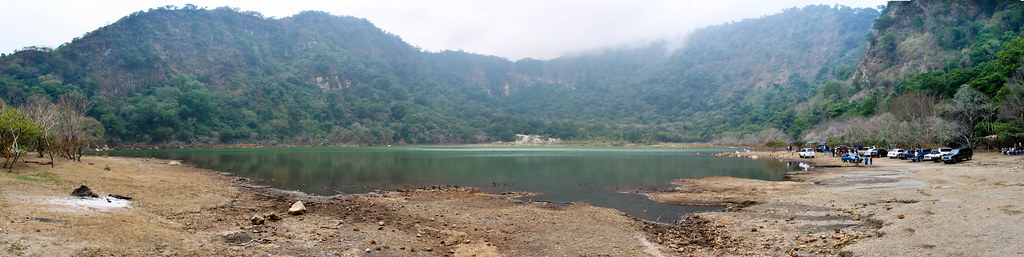
Tecapa is a stratovolcano forming part of the Tecapa-Chinameca volcanic complex in eastern El Salvador. Its formation dates back thousands of years, shaped by layers of lava and ash from past eruptions. Although currently dormant, geological evidence indicates at least one confirmed eruption in historic times and several inferred eruptions over the last 10,000 years. The volcano’s crater hosts Laguna de Alegría, a mineral-rich crater lake whose vivid green color results from sulfur deposits and geothermal activity. Fumaroles and hot springs around the crater rim reveal ongoing subterranean heat, making Tecapa a fascinating site of volcanic geology and hydrothermal phenomena.
The Volcano Trek: Terrain and Hiking Experience
The trek to Tecapa Volcano’s crater lake begins at the Laguna de Alegría entrance, where the trail follows a wide, uneven road that soon gives way to a narrower path ascending the crater rim. The terrain is characterized by dry forest with patches of volcanic soil, scattered rocks, and occasional loose scree. Early sections offer gentle gradients, but the trail steepens as hikers climb higher, demanding moderate fitness and surefootedness. The path is uneven and can be slippery during the rainy season, so sturdy hiking boots are essential. Along the ascent, hikers encounter a mix of volcanic ash slopes and rocky outcrops, requiring careful footing especially near the crater rim. The trail offers intermittent viewpoints through tree gaps, revealing sweeping vistas of the Usulután and San Miguel valleys, and on clear days, the Pacific Ocean. The altitude gain of approximately 370 meters can cause mild breathlessness for some, but the moderate elevation of 1,593 meters generally limits severe altitude effects. Temperature shifts are notable; mornings can be cool with temperatures around 10°C, warming to 20-25°C during the day. Wind exposure increases near the summit, adding to the challenge. The trail’s volcanic terrain is unique, blending the rawness of ash and rock with the lushness of surrounding pine forests and coffee plantations. Hikers should be prepared for variable footing, occasional loose pumice, and the need to navigate narrow ridges along the crater rim. The overall hiking experience is rewarding, combining physical challenge with spectacular natural beauty and geological intrigue.
What Makes This Volcano Trek Unique
Tecapa Volcano stands out for its stunning emerald crater lake, Laguna de Alegría, often called “the Emerald of America.” This vivid green lake is rare among volcanoes and is surrounded by geothermal features such as steam vents and bubbling hot springs. The trek also offers a blend of volcanic landscapes and rich local culture, with coffee plantations and traditional villages nearby. Unlike more crowded volcanoes, Tecapa provides a peaceful, authentic experience with fewer tourists. The combination of geological activity, cultural immersion, and panoramic views across valleys and distant volcanoes makes this trek a distinctive adventure in El Salvador.
The Summit and Crater Experience
Reaching the crater rim of Tecapa Volcano, hikers are rewarded with breathtaking views of Laguna de Alegría’s emerald waters nestled within the volcanic caldera. The air carries a faint sulfuric scent from fumaroles and hot springs, hinting at the volcano’s dormant power. The crater’s steaming vents create a dynamic atmosphere, with occasional wisps of vapor rising against the sky. From this vantage point, panoramic vistas stretch across the Usulután and San Miguel valleys, with the Pacific Ocean visible on clear days. The summit’s exposure to wind and cooler temperatures adds to the raw, elemental feeling of standing on an ancient volcanic edge. This sensory experience—sight, smell, and sound—connects trekkers intimately with the earth’s geothermal forces.
Best Time to Trek Tecapa Volcano
The ideal time to hike Tecapa Volcano is during El Salvador’s dry season, from November to April, when trails are less slippery and weather conditions are stable. Early mornings and late afternoons offer cooler temperatures and softer light for photography. Avoid the rainy season (May to October) due to muddy trails and increased risk of slips. Volcanic activity is dormant, so there are no eruption-related restrictions, but hikers should monitor local weather forecasts for sudden changes. Sunrise and sunset treks provide spectacular views but require headlamps and preparation for cooler temperatures and wind at higher elevations.
Trekking Routes and Trail Options
The primary route to Tecapa’s crater lake starts at the Laguna de Alegría entrance, an out-and-back trail approximately 4.4 kilometers round trip with an elevation gain of 370 meters. This trail is considered easy to moderate and typically takes 3 to 4 hours to complete. The path begins along a wide, uneven road before branching onto a narrower trail ascending the crater rim through dry forest. There are no technical climbing sections, making it accessible to hikers with moderate fitness. While independent hiking is common and permitted, local guides can be hired in the nearby town of Alegría for about $6 USD to enhance safety and provide cultural and geological insights. Guided tours from San Salvador or surrounding towns often combine the Tecapa hike with visits to hot springs and local villages, lasting a full day and costing between $15 and $30 USD. Alternative routes around the crater rim are limited, but some longer treks explore adjacent volcanic features and coffee plantations, suitable for more adventurous hikers seeking extended exploration.
Difficulty Assessment
Tecapa Volcano offers a moderate volcano trek suitable for hikers with basic to intermediate experience. The trail’s uneven terrain, moderate elevation gain, and occasional loose volcanic soil require good balance and sturdy footwear. Altitude at 1,593 meters is unlikely to cause severe altitude sickness but may challenge those unaccustomed to elevation. The hike does not involve technical climbing or specialized equipment, making it accessible to most fit hikers. Weather conditions, especially wind near the summit and trail slipperiness during rains, can increase difficulty. Overall, Tecapa is classified as a moderate volcano trek, ideal for adventure travelers seeking a rewarding but manageable volcanic hiking experience.
Essential Volcano Trekking Gear
For trekking Tecapa Volcano, essential gear includes sturdy hiking boots with good grip to navigate uneven and sometimes loose volcanic terrain. Trekking poles are recommended to aid balance on steep or slippery sections. A windproof jacket is necessary for summit exposure to cool winds. Sun protection—hat, sunglasses, and sunscreen—is important due to limited shade. Carry sufficient water and snacks for hydration and energy. A headlamp is useful for early morning or late afternoon hikes. While volcanic gases are minimal due to dormancy, sensitive hikers may consider a lightweight mask. Packing layers is advised to adjust to temperature changes from base to summit. A small first aid kit and a map or GPS device enhance safety.
Safety and Volcanic Hazards
Tecapa Volcano is dormant, minimizing eruption risk, but hikers should remain cautious of natural hazards. The crater lake’s sulfur-rich waters and fumaroles emit gases that can irritate sensitive individuals; avoid prolonged exposure near vents. Trail conditions can be slippery, especially during or after rain, increasing fall risk. Loose volcanic rocks and scree require careful footing to prevent slips or ankle injuries. Crater edges may be unstable; hikers should keep a safe distance from rims. Weather can change rapidly, with wind and temperature drops near the summit. It is advisable to check local weather and volcanic activity updates before hiking. Hiring local guides enhances safety through knowledge of terrain and conditions. Emergency services are limited in remote areas, so preparedness and caution are essential.
Permits, Guides, and Logistics
Access to Tecapa Volcano requires a park entrance fee ranging from $1 to $5 USD, payable at the Laguna de Alegría trailhead. No special permits are necessary for independent hiking. Guided tours are widely available and recommended for enhanced safety and cultural insight. Local tour operators such as Expédition Maya, EC Tours El Salvador, El Salvador Positive Tours, and Tunco Life offer guided hikes combining Tecapa Volcano with cultural visits and hot spring experiences. Guided tours typically cost between $15 and $30 USD per person. Visitors can hire local guides directly in the town of Alegría for approximately $6 USD. Transportation options include public buses from San Salvador costing $2 to $4 USD one-way, or private shuttles and taxis ranging from $30 to $50 USD depending on negotiation and distance. Food and drink options near the park are limited; budgeting $5 to $10 USD for meals at local eateries is advisable. Equipment rental, such as hiking poles or boots, is available locally for $5 to $15 USD. Planning ahead for transportation, permits, and guides ensures a smooth and enriching trekking experience.
Where to Stay Near Tecapa Volcano
Accommodation options near Tecapa Volcano are centered around the towns of Alegría and Santiago de María, both offering authentic local experiences. In Alegría, travelers can find small guesthouses and family-run inns providing basic amenities and warm hospitality. These lodgings are conveniently located close to the Laguna de Alegría trailhead, allowing early access to the volcano. Santiago de María, a larger town nearby, offers additional hotels and hostels with more facilities, including restaurants and shops. For visitors seeking comfort, mid-range hotels in Usulután city, approximately an hour’s drive away, provide modern amenities and easy access to transportation. While there are no large resorts directly adjacent to the volcano, the local accommodations emphasize cultural immersion and proximity to nature. Amenities typically include Wi-Fi, local cuisine, and tour booking assistance. Staying in these towns supports the local economy and enriches the trekking experience with cultural encounters. Early booking is recommended during peak dry season to secure preferred lodging.