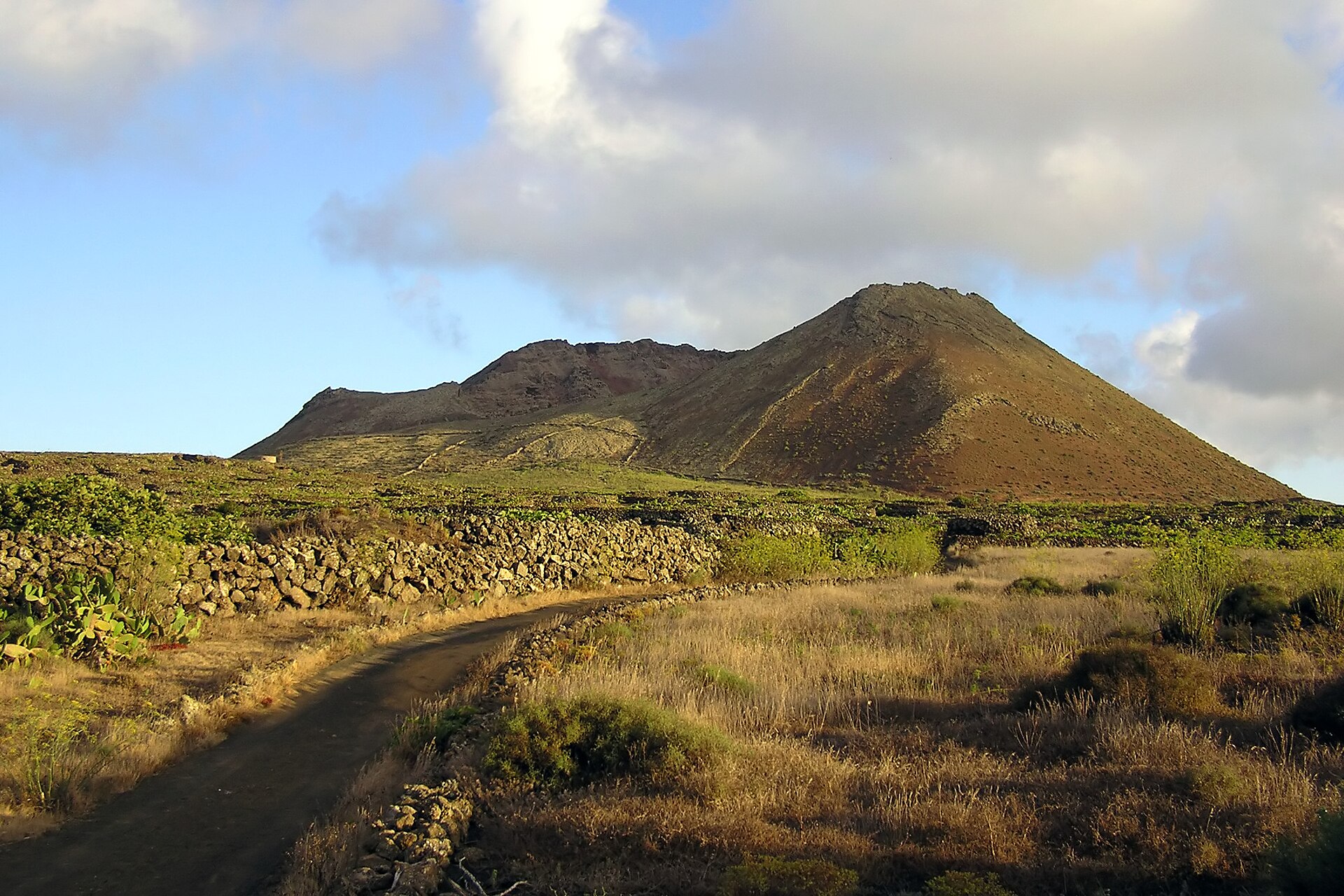

Wolf Volcano Trekking Guide: Conquer the Highest Active Shield Volcano in the Galápagos
Wolf Volcano, the highest peak in the Galápagos Islands, offers a challenging technical mountaineering experience on an active shield volcano. This guide covers its geology, trekking terrain, routes, safety, permits, and accommodation options for adventurous volcano trekkers.
Quick Volcano Snapshot
| Attribute | Value |
|---|---|
| Volcano type | Shield volcano |
| Elevation | 1710 m |
| Location | Isabela Island, Galápagos Islands, Ecuador |
| Activity status | Active |
| Trekking difficulty | Technical mountaineering |
| Typical trek duration | 2-3 days |
| Altitude gain | Approximately 1710 m |
| Terrain type | Steep lava slopes, loose volcanic rock, ash fields |
| Best season | June to September (dry season) |
| Temperature range | 15°C to 25°C |
| Permit requirement | Galápagos National Park permit required |
Introduction: The Experience of Hiking Wolf Volcano
Approaching Wolf Volcano, the highest peak in the Galápagos, is an encounter with raw geological power. The vast upturned bowl shape of this shield volcano rises dramatically from the sea, crowned by a vast caldera. The landscape is a stark contrast of barren lava fields and patches of unique island flora and fauna. Trekking here immerses you in a world shaped by recent volcanic activity, where the earth’s molten heart is visible in the fresh lava flows and fumaroles. The emotional climax of reaching the summit is profound — standing on the equator at 1710 meters, surrounded by panoramic views of the Galápagos archipelago and the Pacific Ocean, feeling the pulse of an active volcano beneath your feet.

The Volcano Itself: Geological Background
Wolf Volcano is a large basaltic shield volcano located at the northern tip of Isabela Island in the Galápagos archipelago. It is the highest volcano in the Galápagos Islands, reaching 1710 meters above sea level. Formed by the Galápagos hotspot, a mantle plume beneath the Nazca Plate, Wolf has a characteristic upturned soup bowl shape with a large caldera approximately 6 by 7 kilometers wide and 700 meters deep. The volcano is relatively young, estimated to be less than half a million years old, and has experienced multiple eruptions, with the most recent in 2022. Its lava flows are unique compared to neighboring volcanoes, showing geochemical signatures similar to mid-ocean ridge basalts. The caldera has undergone periodic filling and collapse, creating a stepped appearance. Wolf’s steep slopes, reaching angles up to 35 degrees, and its active volcanic features such as fumaroles and fresh lava flows, make it a fascinating subject for geological study and adventurous trekking.
The Volcano Trek: Terrain and Hiking Experience
Trekking Wolf Volcano is a demanding technical mountaineering challenge that requires physical fitness, experience, and proper preparation. The terrain is dominated by steep slopes of hardened lava flows, loose volcanic rock, and ash fields that can be slippery and unstable. The ascent involves navigating through rugged lava formations, sharp volcanic rocks, and occasional scree slopes. The volcanic soil is often loose, requiring careful footing and the use of trekking poles for balance. Weather conditions can vary, with temperatures ranging from mild to cool, and strong winds near the summit adding to the challenge. Altitude effects are moderate but noticeable, as the summit is at 1710 meters, and acclimatization is recommended. The trail is not well-marked, and the route may require scrambling over jagged lava and negotiating fumarole areas with sulfurous gases. The volcanic landscape is stark and otherworldly, with panoramic views of the surrounding islands and ocean rewarding trekkers. Due to the technical nature of the terrain and the active status of the volcano, guided tours with experienced mountaineers are strongly advised for safety and navigation.

What Makes This Volcano Trek Unique
Wolf Volcano stands out as the highest peak in the Galápagos Islands and one of the few active shield volcanoes in the region. Its unique lava formations, including extensive radial fissures and large lava flows, create a dramatic and varied landscape. The volcano’s location on the equator adds a rare geographical significance to the trek. Unlike many other volcanoes, Wolf’s lava chemistry resembles mid-ocean ridge basalts, reflecting complex mantle plume interactions. The surrounding biodiversity is exceptional, with endemic species such as the Galápagos giant tortoise subspecies and marine iguanas inhabiting the area. The opportunity to combine technical mountaineering with wildlife observation in a UNESCO World Heritage site makes this trek a truly unique adventure.
The Summit and Crater Experience
Reaching the summit of Wolf Volcano is a breathtaking moment. The vast caldera, 6 by 7 kilometers wide and 700 meters deep, stretches before you with its stepped walls formed by past collapses. The air carries the faint scent of sulfur from fumaroles venting steam and volcanic gases. The ground beneath is warm in places, a reminder of the active magma chamber below. From the rim, panoramic views extend over the Galápagos archipelago and the Pacific Ocean, with neighboring volcanoes visible on Isabela Island. The silence is profound, broken only by the wind and distant bird calls. The sense of standing atop an active volcano on the equator, surrounded by unique wildlife and geological wonders, is an unforgettable experience that resonates deeply with every trekker.

Best Time to Trek Wolf Volcano
The optimal time to trek Wolf Volcano is during the dry season, from June to September, when weather conditions are most stable with clearer skies and lower rainfall. This season offers better visibility for panoramic views and safer trail conditions. The wet season, from December to May, brings increased rainfall, slippery terrain, and potential volcanic gas accumulation, which can pose hazards. Trekking during the dry season also aligns with the best wildlife observation opportunities. Due to the volcano’s active status, it is essential to monitor volcanic activity reports and follow Galápagos National Park regulations, as access may be restricted during periods of increased volcanic unrest.
Trekking Routes and Trail Options
Wolf Volcano is accessed primarily from Isabela Island, with the main base at Puerto Villamil. Due to the remote location and challenging terrain, trekking routes are limited and typically require guided expeditions. The standard approach involves a multi-day trek starting from the island’s lowlands, ascending through volcanic landscapes to the summit. The route covers steep lava slopes, ash fields, and rugged volcanic rock, with an elevation gain of approximately 1710 meters. There are no well-marked trails, and navigation relies on local guides familiar with the terrain and volcanic activity. Some itineraries combine trekking with boat cruises around the Galápagos, offering access to Wolf Volcano as part of a broader adventure. Self-guided trekking is not recommended due to the technical difficulty and active volcanic hazards. Tour operators such as Nature Galapagos Travel Agency and Latin Adventures offer customized guided tours including permits, logistics, and safety support.

Difficulty Assessment
Wolf Volcano is classified as a technical mountaineering trek, requiring a high level of fitness, experience in volcanic terrain, and mountaineering skills. The steep slopes, loose volcanic rock, and sharp lava formations demand careful footing and endurance. Altitude is moderate but can affect acclimatization. The trek is not suitable for beginners or casual hikers. Climbers should be prepared for variable weather, strong winds, and potential exposure to volcanic gases. Use of trekking poles, sturdy boots, and protective gear is essential. Due to the active status of the volcano, safety risks include lava flows, ashfall, and unstable ground. Guided tours with certified mountaineering guides are strongly recommended to manage these challenges safely.
Essential Volcano Trekking Gear
Key gear for trekking Wolf Volcano includes sturdy hiking boots with excellent grip for volcanic rock, trekking poles for stability on loose terrain, and layered clothing suitable for variable temperatures and wind. A windproof and waterproof jacket is essential. Due to volcanic gases, a gas mask or respirator may be necessary during periods of increased activity. Headlamps are recommended for early starts or late finishes. Sun protection, including a wide-brimmed hat, sunglasses, and high-SPF sunscreen, is important as the volcanic landscape offers little shade. Hydration systems and high-energy snacks are vital for endurance. Additionally, a first aid kit, map, GPS device, and communication equipment enhance safety. Guided groups often provide specialized equipment and support.
Safety and Volcanic Hazards
Wolf Volcano is an active volcano with recent eruptions in 2015 and 2022, posing inherent risks to trekkers. Hazards include lava flows, ashfall, volcanic gases such as sulfur dioxide, unstable crater edges, and loose scree slopes. Sudden changes in weather and strong winds near the summit can increase danger. It is crucial to follow Galápagos National Park regulations and heed warnings from volcanic monitoring agencies. Access may be restricted during periods of heightened activity. Trekkers should be accompanied by experienced guides trained in volcanic hazard response. Carrying gas masks and monitoring air quality is advised. Emergency evacuation plans should be in place. Respect for the fragile volcanic environment and wildlife is essential for safety and conservation.
Permits, Guides, and Logistics
Access to Wolf Volcano requires a permit from the Galápagos National Park, which regulates visitation to protect the fragile ecosystem and ensure safety. Permits must be arranged in advance, often through authorized tour operators. Guided tours are mandatory due to the technical difficulty and active volcanic hazards. Reputable operators include Nature Galapagos Travel Agency and Tour Operator, Latin Adventures, Ecuador Green Travel, and Andean Summit Adventure. These companies provide comprehensive packages including permits, local transportation, experienced guides, and safety equipment. Reaching Wolf Volcano involves flying into Seymour Airport (Baltra) or San Cristobal Airport, followed by a boat or internal flight to Isabela Island. From Puerto Villamil, tours organize transport to the volcano’s base. Flight prices from mainland Ecuador range from $250 to $600 round trip. Due to the remote location, logistics require careful planning, and most visitors combine the trek with a Galápagos cruise. Park entrance fees and permit costs vary; consult operators for current pricing. Seasonal restrictions may apply during volcanic unrest.
Where to Stay Near Wolf Volcano
Accommodation options near Wolf Volcano are limited due to the remote and protected nature of the Galápagos Islands. The main gateway is Puerto Villamil on Isabela Island, where visitors can find modest hotels, guesthouses, and eco-lodges catering to tourists. Popular choices include locally run guesthouses offering basic amenities and comfortable lodging within walking distance of the main port. Facilities typically provide clean rooms, Wi-Fi, and meals featuring local cuisine. Due to the island’s conservation regulations, large hotels and resorts are absent, preserving the natural environment. For those on Galápagos cruises, accommodation is aboard the vessel, which often includes guided excursions to Wolf Volcano. Visitors planning to trek should arrange lodging in Puerto Villamil before and after the expedition. Booking in advance is recommended, especially during peak season (June to September). The island’s small size means all accommodations are within reasonable distance of tour departure points, facilitating logistics for the volcano trek.