
Hiking Izalco Volcano: The Ultimate Trek to El Salvador’s Lighthouse of the Pacific
Explore the thrilling ascent of Izalco Volcano, an active stratovolcano in El Salvador known as the ‘Lighthouse of the Pacific.’ This comprehensive guide covers geology, terrain, routes, safety, permits, and accommodations for an unforgettable volcano trekking adventure.
Quick Volcano Snapshot
| Attribute | Value |
|---|---|
| Volcano type | Stratovolcano |
| Elevation | 1,950 meters |
| Location | Sonsonate Department, El Salvador |
| Activity status | Active |
| Trekking difficulty | Moderate |
| Typical trek duration | 3-4 hours ascent, 2-3 hours descent |
| Altitude gain | Approx. 1,200 meters |
| Terrain type | Steep volcanic ash slopes, rocky lava fields, loose cinder |
| Best season | December to May |
| Temperature range | 15°C to 25°C |
| Permit requirement | Required; guided hikes mandatory |
The Experience of Hiking Izalco Volcano
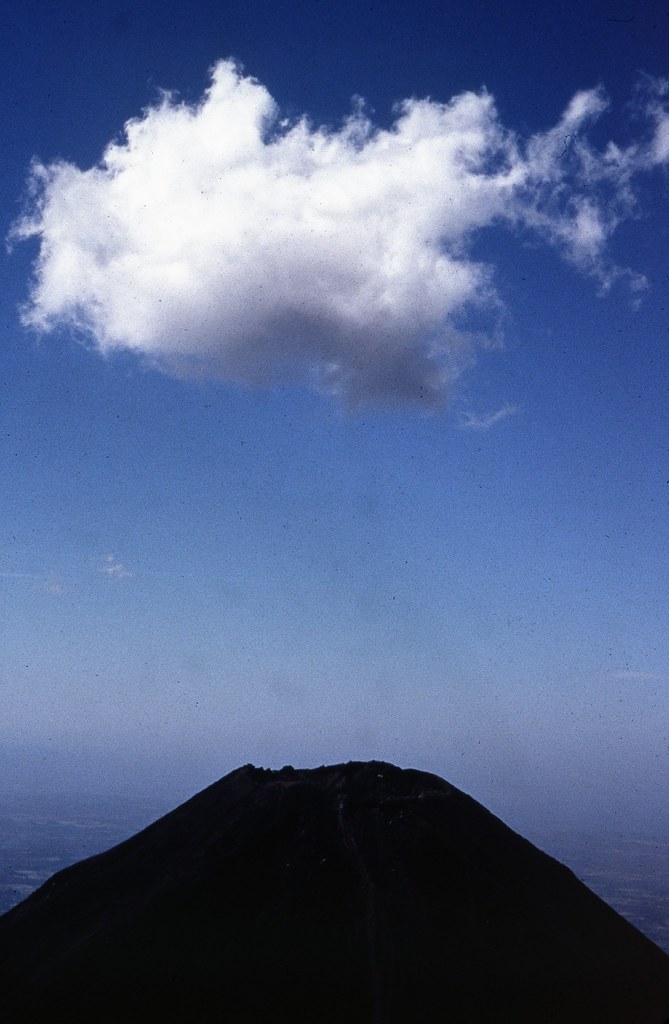
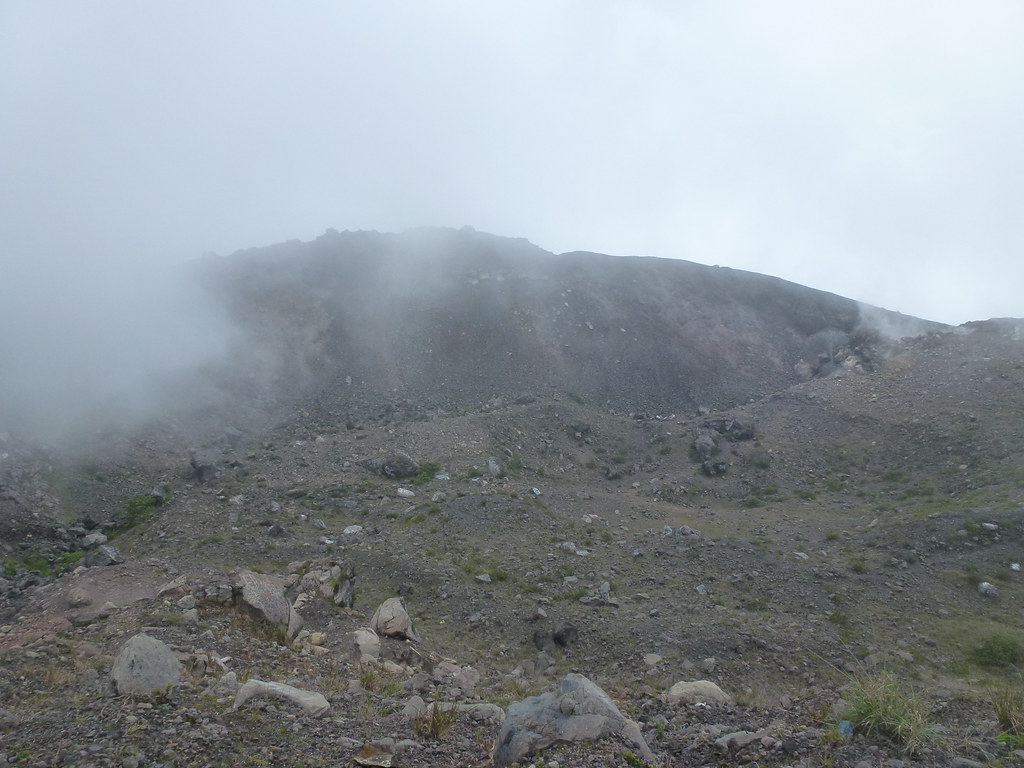
Approaching Izalco Volcano, the landscape transforms into a stark, black volcanic cone rising sharply against the sky. The trail begins amidst the lush forests of Cerro Verde National Park before descending steeply to the volcano’s base. As you ascend the steep, rocky slopes, the terrain shifts to loose volcanic ash and hardened lava, offering a raw and elemental hiking experience. The air carries a faint sulfur scent, hinting at the volcano’s active nature. Reaching the summit, you stand on the edge of a nearly barren crater, with panoramic views stretching to the Pacific Ocean and neighboring volcanoes. The contrast between the dark volcanic terrain and the vibrant surrounding nature creates a powerful sense of geological force and adventure.
Geological Background of Izalco Volcano
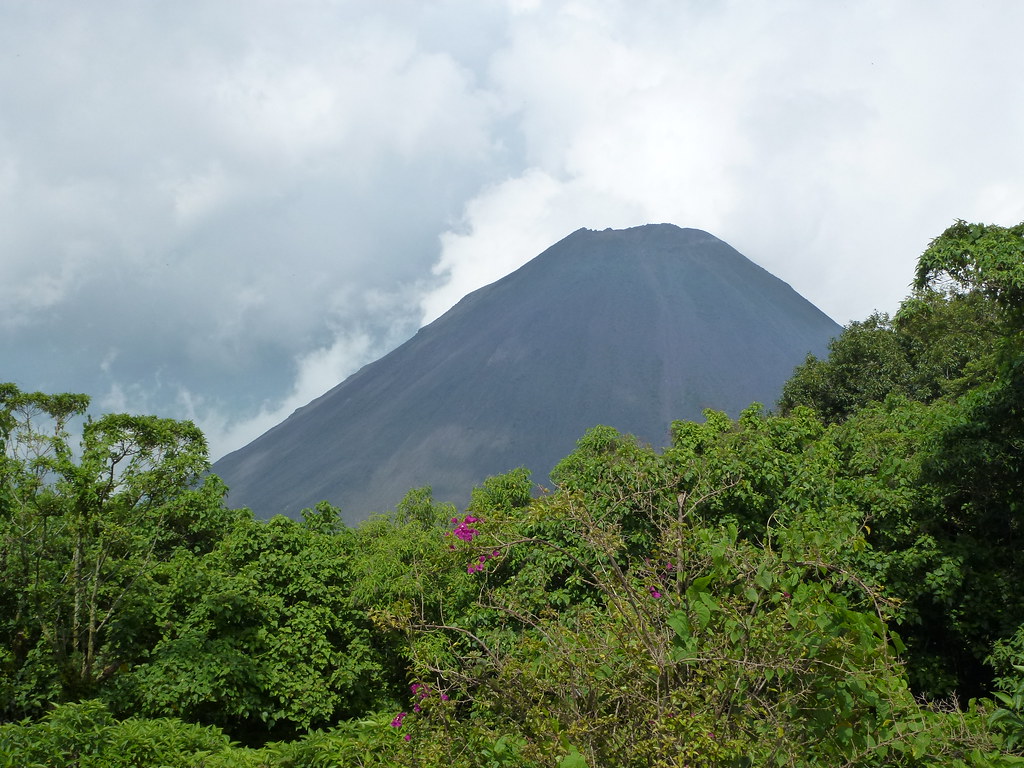
Izalco Volcano is a young stratovolcano that formed in 1770 from a fissure eruption on the flank of the nearby Santa Ana Volcano. Known as the ‘Lighthouse of the Pacific,’ it earned this nickname due to its frequent eruptions over nearly two centuries, which produced glowing lava flows visible to ships at sea. The volcano rises approximately 1,950 meters above sea level and features a sharply conical shape composed primarily of volcanic ash, cinders, and lava rock. Its active crater emits fumaroles and sulfurous gases, and the slopes are largely barren, covered with loose volcanic deposits. Izalco’s formation and activity have shaped the surrounding landscape, contributing to the volcanic complex within Cerro Verde National Park.
Terrain and Hiking Experience on Izalco Volcano
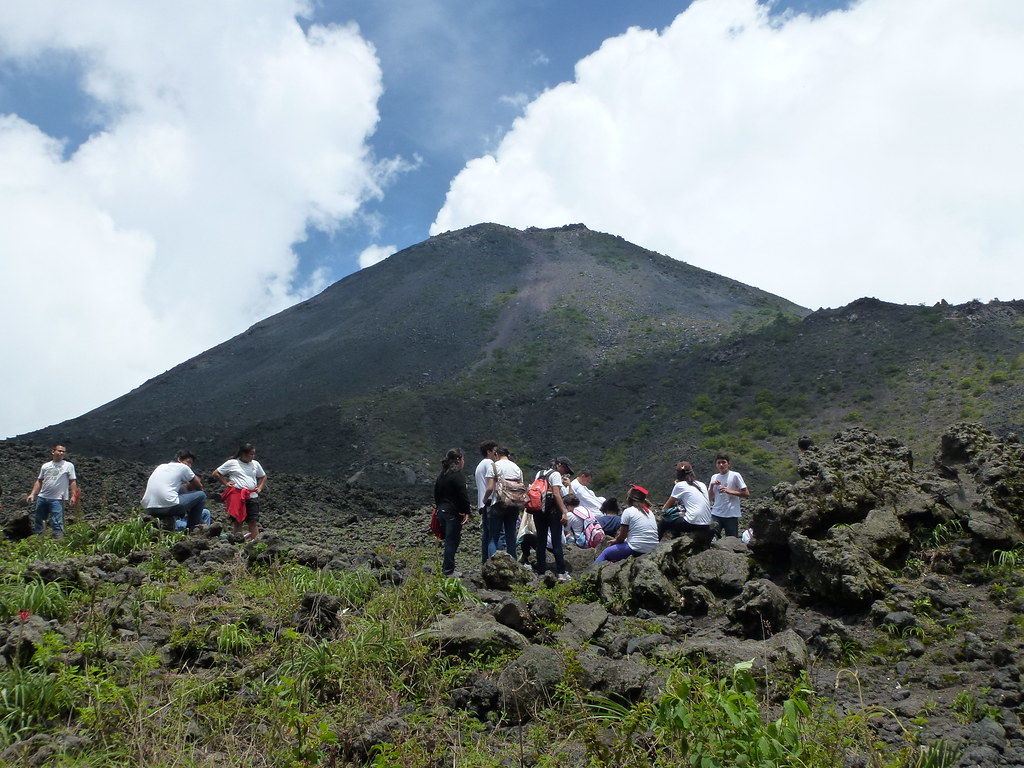
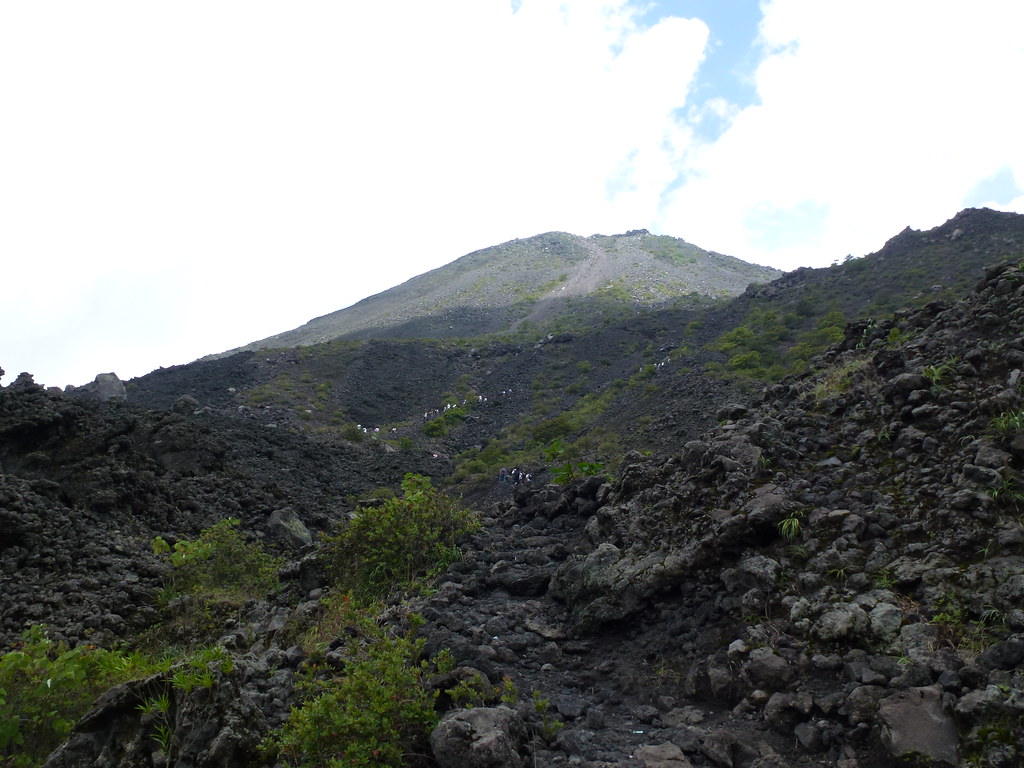
The Izalco Volcano hike is a physically demanding trek that challenges hikers with steep gradients and varied volcanic terrain. The journey begins in the dense, misty forests of Cerro Verde National Park, where the trail descends approximately 1,200 stairs to the base of Izalco. This initial descent contrasts sharply with the subsequent ascent, which is steep and technical. The volcanic slopes are composed of loose ash, pumice, and hardened lava rock, requiring careful footing and balance. Scrambling over jagged lava fields and navigating unstable scree slopes demand concentration and stamina. The trail offers minimal shade, exposing hikers to direct sun and wind, which can intensify the physical challenge. Altitude effects are moderate but noticeable, with temperatures dropping near the summit. The final approach to the crater rim involves negotiating sharp volcanic debris and occasional fumaroles emitting heat and sulfurous gases. Despite the difficulty, the trail rewards trekkers with dramatic views of the Pacific Ocean, neighboring volcanoes, and the expansive volcanic landscape. The descent retraces the ascent route, including the strenuous climb back up the stairs through the forest, often considered the hardest part of the hike. Overall, the terrain demands good physical fitness, sturdy hiking boots with excellent grip, and trekking poles for stability. The volcanic environment offers a unique, otherworldly hiking experience that combines geological intrigue with physical adventure.
What Makes the Izalco Volcano Trek Unique
Izalco Volcano stands out for its youthful, sharply conical shape and its history as the ‘Lighthouse of the Pacific,’ a beacon of fiery eruptions visible from the sea. Unlike many older, forested volcanoes, Izalco’s slopes are stark and barren, covered in black volcanic ash and lava rock, creating a lunar-like landscape. The trail is less crowded than nearby Santa Ana Volcano, offering a more tranquil and adventurous experience. The active crater allows hikers to witness fumaroles and feel the residual heat, providing a direct connection to the volcano’s dynamic nature. Panoramic views from the summit include the Pacific Ocean, Lake Coatepeque, and surrounding volcanic peaks, enhancing the sense of isolation and grandeur. The combination of geological youth, active volcanic features, and challenging terrain makes Izalco a compelling destination for volcano enthusiasts and adventurous trekkers.
Summit and Crater Experience on Izalco Volcano
Reaching the summit of Izalco Volcano is a moment of awe and exhilaration. The crater rim is nearly barren, exposing hikers to the raw volcanic landscape. From this vantage point, the panoramic views are breathtaking: the vast Pacific Ocean stretches to the west, while the lush forests of Cerro Verde and the imposing Santa Ana Volcano dominate the horizon. The crater itself emits faint sulfurous gases and occasional fumaroles, with the ground warm beneath your feet, a reminder of the volcano’s active status. The air carries a subtle scent of sulfur, and the silence is punctuated only by the wind and distant bird calls. This sensory experience connects trekkers intimately with the Earth’s fiery processes. Exploring the crater rim allows for close observation of volcanic deposits and hardened lava flows, deepening appreciation for the volcano’s geological story.
Best Time to Trek Izalco Volcano
The optimal season for hiking Izalco Volcano is during the dry months from December to May, when weather conditions are stable, and visibility is clear. During this period, the trails are less slippery, and the risk of electrical storms or heavy rains is minimal. The wet season, from June to November, brings frequent rains that can reduce trail safety and obscure views. Hikes may be canceled during electrical storms or strong winds for safety reasons. Early morning or late morning departures are recommended to avoid the midday heat and to enjoy cooler temperatures near the summit. Seasonal considerations also include volcanic monitoring updates; hikers should check for any alerts or restrictions before planning their trek.
Trekking Routes and Trail Options on Izalco Volcano
The primary route to Izalco Volcano’s summit begins at Cerro Verde National Park, where hikers start near the park’s visitor center. From here, the trail descends approximately 1,200 stairs through dense forest to the volcano’s base. This descent is followed by a steep and technical ascent up the volcanic slopes composed of loose ash, pumice, and lava rock. The climb to the summit typically takes between two to three hours, depending on fitness and pace. Guided hikes depart once daily at 11:00 AM from the Cerro Verde car park, with guides required by park regulations for safety and conservation reasons. The trail is a loop that allows exploration of the crater rim before descending the same route. Alternative routes are limited due to the volcano’s steep and unstable terrain. Some tours combine the Izalco hike with visits to nearby attractions such as Santa Ana Volcano or Lake Coatepeque, but hiking both volcanoes in one day is generally not feasible due to timing and permit restrictions. The trail is well-marked but challenging, and hikers should be prepared for variable conditions and technical sections.
Difficulty Assessment of the Izalco Volcano Trek
The Izalco Volcano hike is classified as a moderate to demanding volcano trek, rated approximately 6 to 7 out of 10 in difficulty. The steep ascent over loose volcanic ash and rocky terrain requires good physical fitness, balance, and endurance. The initial descent of 1,200 stairs through forest and the subsequent climb back up adds to the challenge. Technical hiking skills are beneficial for navigating unstable scree and lava fields. Altitude is moderate at 1,950 meters, so altitude sickness is uncommon but possible for sensitive individuals. The trail offers minimal shade, exposing hikers to sun and wind, which can increase fatigue. Proper preparation, including hydration, sun protection, and sturdy footwear, is essential. The use of trekking poles is strongly recommended to aid stability on steep and uneven sections.
Essential Gear for Hiking Izalco Volcano
Key gear for the Izalco Volcano trek includes sturdy hiking boots with excellent grip to handle loose volcanic ash and rocky terrain. Trekking poles are highly recommended to assist with balance and reduce strain on knees during steep ascents and descents. Sun protection is critical due to limited shade; bring a wide-brimmed hat, sunglasses, and high-SPF sunscreen. A windproof and waterproof jacket is advisable, especially during the wet season or in case of sudden weather changes. Carry sufficient water (at least 2 liters) and energy snacks to maintain hydration and energy levels. A headlamp or flashlight is useful if hiking early or late in the day. A lightweight backpack to carry essentials, a first aid kit, and a camera to capture the dramatic landscapes complete the recommended gear list. Gas masks or respirators are generally not required but may be considered for sensitive individuals due to occasional sulfur fumes near the crater.
Safety and Volcanic Hazards on Izalco Volcano
Hiking Izalco Volcano involves inherent risks associated with active volcanic terrain. Volcanic gases, primarily sulfur dioxide, can be present near the crater, posing respiratory hazards for sensitive individuals. The trail includes steep, unstable slopes with loose scree and sharp volcanic rocks, increasing the risk of slips and falls. Crater edges may be unstable and should be approached with caution. Sudden weather changes, including electrical storms and strong winds, can occur, especially during the wet season, necessitating flexible plans and adherence to park warnings. Eruptions are currently dormant but possible; hikers must comply with monitoring updates and park regulations. Guided hikes are mandatory, ensuring safety through experienced leadership and communication with park authorities. Carrying a basic first aid kit and informing guides of any medical conditions is advisable. Staying on marked trails and following guide instructions minimizes risk.
Permits, Guides, and Logistics for Hiking Izalco Volcano
Access to Izalco Volcano is regulated by Cerro Verde National Park authorities, requiring all hikers to obtain permits and be accompanied by certified local guides. Permits are included in the guided tour fees, which vary by operator but typically range from $55 to $125 per person depending on group size and service level. Guided hikes depart once daily at 11:00 AM from the Cerro Verde car park, with advance booking recommended, especially during peak season from December to May. Several reputable tour operators offer comprehensive packages including hotel pickup from San Salvador, Santa Tecla, El Tunco, and surrounding areas. Notable operators include Eco Tours Petate, Fácil Travel El Salvador, Sunzal El Salvador Surf Company, and Tours in El Salvador. These tours provide transportation, experienced guides, water, and safety equipment. The hike duration is approximately 3-4 hours ascent and 2-3 hours descent, with total tour time around 7-9 hours including transport and lunch. Weather conditions are closely monitored; hikes may be canceled due to electrical storms or strong winds. Visitors should prepare for a physically demanding trek and comply with all safety instructions. Booking through official operators ensures compliance with park regulations and supports local communities.
Where to Stay Near Izalco Volcano
Accommodations near Izalco Volcano range from cozy guesthouses to boutique hotels, primarily located in the towns of Izalco, Juayua, and Santa Ana, all within a 30 to 60-minute drive to Cerro Verde National Park. Hotel Juayua in Juayua offers comfortable rooms with amenities including free Wi-Fi, an outdoor pool, and an on-site restaurant, making it a popular base for hikers. The town of Izalco features charming local guesthouses with warm hospitality and scenic views, ideal for travelers seeking an authentic experience. Santa Ana, the nearest city, provides a wider selection of hotels such as Casa 1,800 and Los Volcanes Bistro Café, combining comfort with easy access to restaurants and shops. Many tour operators offer hotel pickup from these locations, facilitating convenient transport to the trailhead. For those preferring nature immersion, eco-lodges and rural accommodations near the park provide tranquil settings surrounded by lush landscapes. Visitors are advised to book accommodations in advance during the high season (December to May) to secure availability. Staying near these towns allows for early starts to the hike and opportunities to explore other regional attractions like Lake Coatepeque and Santa Ana Volcano.