
Rincón de la Vieja Volcano Trekking Guide: Exploring Costa Rica’s Active Complex Volcano
Discover the thrilling adventure of hiking Rincón de la Vieja, an active complex volcano in Costa Rica’s Guanacaste Province. This comprehensive guide covers the volcano’s geology, diverse terrain, trekking routes, safety tips, permit requirements, and nearby accommodations for an unforgettable volcanic expedition.
Quick Volcano Snapshot
| Attribute | Value |
|---|---|
| Volcano type | Complex volcano |
| Elevation | 1,916 m (6,286 ft) |
| Location | Guanacaste Province, Costa Rica |
| Activity status | Active |
| Trekking difficulty | Demanding |
| Typical trek duration | 4 to 6 hours |
| Altitude gain | Approximately 600 m (1,970 ft) |
| Terrain type | Lava fields, volcanic rock, tropical dry forest, cloud forest, mud pots, fumaroles |
| Best season | Dry season (December to April) |
| Temperature range | 15°C to 30°C (59°F to 86°F) |
| Permit requirement | Park entrance fee and online ticket purchase required |
Introduction: The Experience of Hiking Rincón de la Vieja Volcano
Approaching Rincón de la Vieja Volcano, hikers are greeted by a dramatic landscape where volcanic power and lush tropical forests converge. The trail winds through dense greenery alive with the calls of howler monkeys and exotic birds, before opening onto barren fields of hardened lava and steaming fumaroles. The contrast between vibrant life and raw geological forces creates a profound sense of awe. As you ascend, the air cools and the terrain shifts, revealing bubbling mud pots and sulfurous vents that hint at the volcano’s restless nature. Reaching the crater rim, the panoramic views stretch across the Guanacaste region, with the scent of sulfur and the sound of escaping gases immersing you in the Earth’s fiery heart. This trek is a journey through time and nature, where every step reveals the dynamic story of an active volcano.
Geological Background of Rincón de la Vieja Volcano
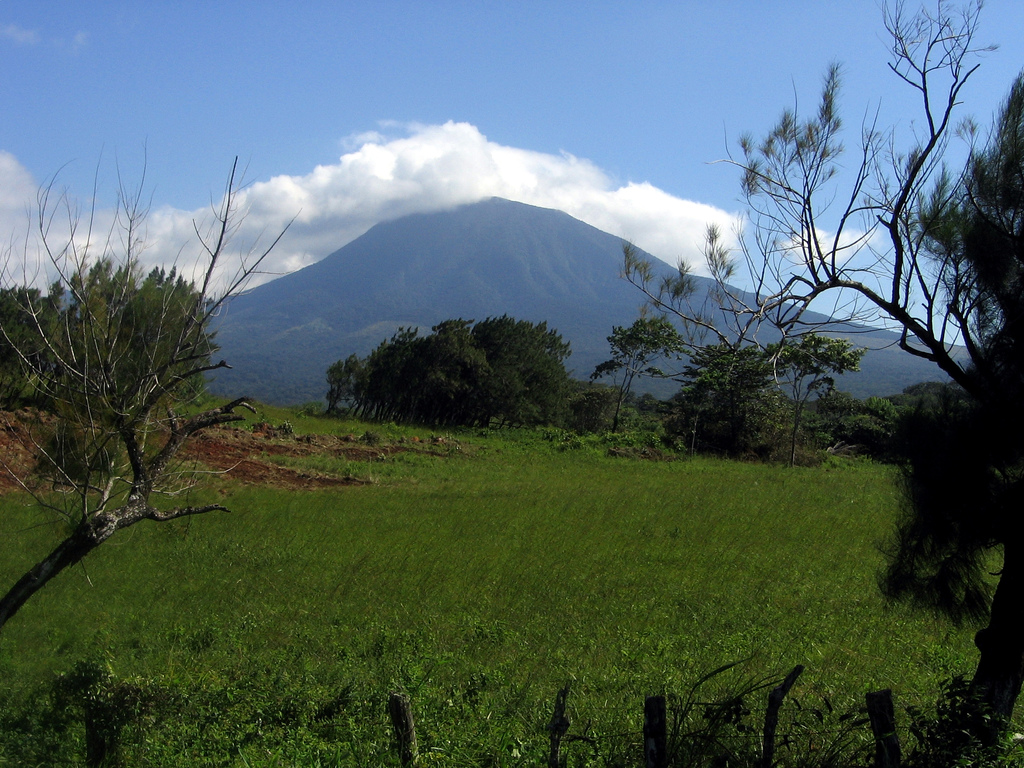
Rincón de la Vieja is a complex volcano located in the Guanacaste Mountain Range of northwestern Costa Rica. It formed through multiple overlapping volcanic cones and vents, creating a rugged and varied landscape. The volcano is active, with its last significant eruptions occurring in recent decades, characterized by phreatic explosions and ash emissions. Its summit features several craters, fumaroles, and mud pots, which are surface expressions of the intense geothermal activity beneath. The volcanic rocks are primarily andesitic and basaltic, with lava flows and pyroclastic deposits shaping the terrain. Sulfur deposits and steaming vents are common, providing a vivid display of volcanic minerals and gases. This geological complexity makes Rincón de la Vieja a fascinating site for both scientists and trekkers interested in volcanic processes and landscapes.
The Volcano Trek: Terrain and Hiking Experience
Hiking Rincón de la Vieja offers a diverse and challenging terrain that tests both endurance and adaptability. The trek begins in tropical dry forest, where the trail is shaded by hardwood trees, ferns, and vibrant flowers. Early on, hikers may encounter uneven dirt paths interspersed with rocky sections and occasional muddy patches, especially after rain. As the trail ascends, the forest transitions into cloud forest conditions, with cooler temperatures and mist adding to the atmosphere. The path becomes steeper and rockier, requiring careful footing over volcanic rocks and loose scree.
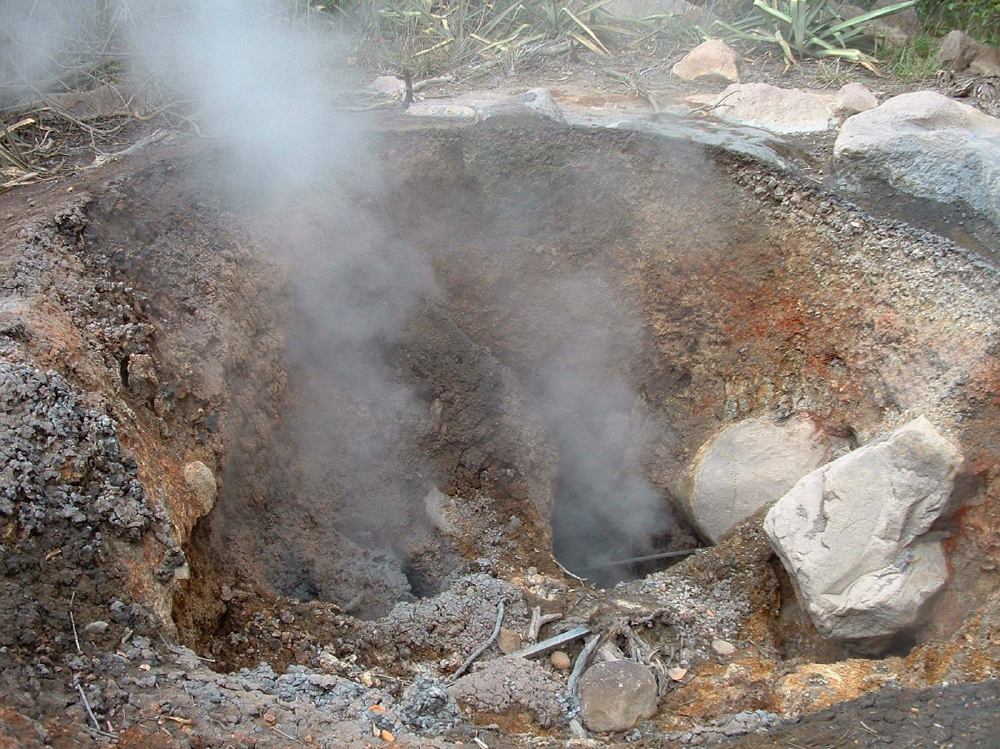
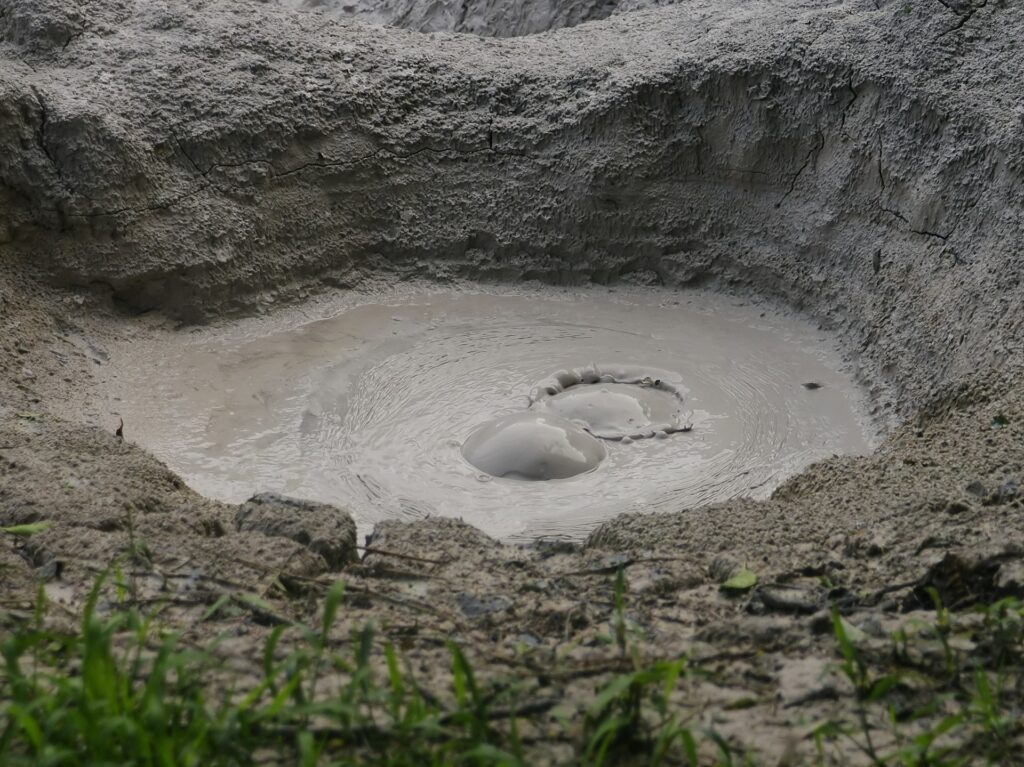
One of the most striking features along the route is the presence of geothermal activity. Hikers pass bubbling mud pots and steaming fumaroles, where volcanic gases escape through vents in the earth. These areas are often surrounded by mineral deposits and sulfur crystals, creating colorful and otherworldly landscapes. The terrain here can be slippery and uneven, demanding sturdy hiking boots and attention to footing.
The trail also includes sections of open volcanic fields, where hardened lava flows create a rugged, jagged surface. Navigating these lava fields requires sure-footedness and can be physically demanding due to the uneven ground. The altitude gain of approximately 600 meters adds to the challenge, with thinner air and cooler temperatures near the summit.
Throughout the hike, trekkers experience a variety of microclimates, from warm and humid forested areas to cooler, wind-exposed ridges. Weather can change rapidly, so hikers should be prepared for sun, rain, and wind. The trail offers several viewpoints where the panoramic vistas of the surrounding hills, valleys, and distant Lake Nicaragua can be admired.
Wildlife is abundant along the route, with opportunities to spot howler monkeys, toucans, iguanas, and a variety of bird species. The sounds of the forest and the sight of vibrant flora provide a rich sensory experience that contrasts with the stark volcanic features.
Overall, the terrain and hiking experience at Rincón de la Vieja demand good physical fitness and proper gear but reward trekkers with a unique blend of natural beauty and volcanic spectacle. The trail’s mix of forest, volcanic rock, geothermal features, and wildlife makes it one of Costa Rica’s most captivating volcano hikes.
What Makes the Rincón de la Vieja Volcano Trek Unique
Rincón de la Vieja stands out for its remarkable diversity of volcanic and ecological features. Unlike many volcano hikes that focus solely on summit views, this trek immerses hikers in a dynamic volcanic environment rich with geothermal activity. Bubbling mud pots, steaming fumaroles, and sulfur vents are scattered along the trails, offering close encounters with the Earth’s geothermal power.
The volcano’s complex structure, with multiple cones and craters, creates varied landscapes ranging from dry tropical forests to cloud forests and barren lava fields. This ecological diversity supports a wide array of wildlife, including howler monkeys, toucans, and sloths, making the trek a combined volcanic and wildlife adventure.
Another unique aspect is the presence of natural hot springs and waterfalls within the national park, allowing hikers to relax and rejuvenate after the demanding trek. The juxtaposition of fiery volcanic features with lush vegetation and cool waterfalls creates a compelling contrast.
The panoramic views from the higher elevations reveal the Gulf of Papagayo, surrounding hills, and on clear days, even Lake Nicaragua, providing spectacular photo opportunities. The trail’s accessibility from nearby Guanacaste beaches also makes it a convenient yet adventurous destination for travelers seeking both volcano trekking and tropical experiences.
The Summit and Crater Experience
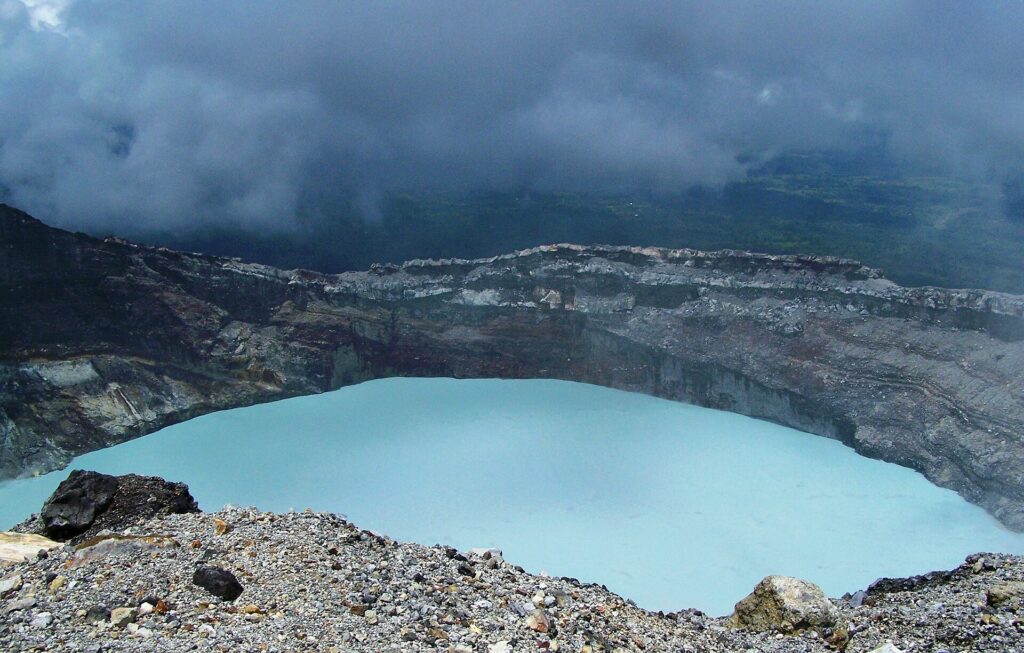
Reaching the summit area of Rincón de la Vieja Volcano, hikers are met with a dramatic and sensory-rich environment. The crater rim offers expansive views of the surrounding Guanacaste region, with rolling hills, dense forests, and distant water bodies stretching to the horizon. The air is tinged with the unmistakable scent of sulfur, a reminder of the volcano’s active nature.
Near the summit, fumaroles emit steam and volcanic gases, creating a constant hiss and occasional bubbling sounds from mud pots. The ground is warm to the touch in places, and mineral deposits color the earth in yellows, whites, and reds. The heat and sounds from these vents create an immersive experience of the Earth’s inner forces.
Though the summit trail to the highest peak is currently closed due to volcanic activity, the accessible crater areas still provide a thrilling encounter with volcanic phenomena. The combination of panoramic vistas, geothermal activity, and the raw power of the volcano makes the summit experience unforgettable and deeply moving for trekkers.
Best Time to Trek Rincón de la Vieja Volcano
The ideal time to hike Rincón de la Vieja is during Costa Rica’s dry season, from December to April. During these months, trails are generally drier and safer, with less risk of slippery mud and swollen streams. The dry season also offers clearer skies, enhancing visibility and panoramic views from the volcano.
The green season, from May to November, brings frequent rain showers that transform the landscape into a lush, vibrant paradise. While the trails can be muddy and more challenging, the verdant scenery and blooming flora provide a unique and rewarding experience for prepared hikers.
Volcanic activity is monitored continuously, and certain summit trails may be closed temporarily for safety. It is essential to check current conditions and park advisories before planning a trek.
Early morning starts are recommended to avoid midday heat and afternoon rains, especially during the green season. Sunrise hikes offer cooler temperatures and the chance to witness spectacular light over the volcanic landscape.
Overall, the dry season is preferred for safety and comfort, but the green season offers a different, richly green perspective of the park’s ecosystems.
Trekking Routes and Trail Options at Rincón de la Vieja
Rincón de la Vieja National Park features several well-marked trails catering to different interests and fitness levels. The two main sectors are Las Pailas and Santa Maria, each offering distinct experiences.
The Las Pailas Sector is the most popular and accessible, featuring the Las Pailas Trail, a 3.2 km (2 mile) loop that takes hikers through volcanic landscapes with bubbling mud pots, fumaroles, and mineral deposits. This trail typically takes 2 to 3 hours at a leisurely pace and is suitable for moderate hikers. It offers excellent opportunities to observe geothermal activity and diverse vegetation.
The Waterfall Trail in the Las Pailas Sector is a longer hike leading to La Cangreja Waterfall, a stunning spot for a refreshing dip. This trail is more demanding and can take 4 to 6 hours round-trip, depending on pace and stops.
The Santa Maria Sector is quieter and less developed, with trails through cooler, humid forests and hot springs. It offers a more tranquil experience but requires more preparation due to rougher paths and stream crossings. Camping is permitted only in this sector.
A summit trail exists but is currently closed due to volcanic activity. When open, it provides a challenging ascent with significant altitude gain and rewarding summit views.
Guided tours are widely available and recommended for those unfamiliar with the terrain or seeking detailed insights into the park’s geology and ecology. Self-guided hiking is possible with proper preparation and adherence to park regulations.
Overall, the park’s trail system allows visitors to tailor their experience, from short volcanic feature loops to longer waterfall hikes and forest explorations.
Difficulty Assessment of the Rincón de la Vieja Trek
The Rincón de la Vieja trek is classified as demanding due to its varied terrain, altitude gain, and length. Hikers should be in good physical condition to manage steep sections, uneven volcanic rock, and occasional muddy or slippery paths.
The altitude gain of approximately 600 meters (1,970 feet) can affect breathing and endurance, especially for those not acclimated to elevation. The trail’s rocky and loose scree sections require sure-footedness and sturdy footwear.
While technical climbing skills are not necessary, some sections demand careful navigation and balance. Weather conditions can add to the challenge, with heat, humidity, or sudden rain showers impacting trail safety.
The trek is suitable for experienced hikers comfortable with moderate to strenuous hikes in natural environments. Beginners should consider guided tours or shorter trail options within the park.
Overall, the Rincón de la Vieja trek offers a rewarding challenge that combines physical exertion with spectacular volcanic and ecological sights.
Essential Volcano Trekking Gear for Rincón de la Vieja
Proper gear is crucial for a safe and enjoyable hike at Rincón de la Vieja. Essential items include sturdy hiking boots with good grip to navigate rocky and slippery terrain. Trekking poles are recommended to aid balance and reduce strain on knees during steep ascents and descents.
Volcanic ash gaiters can protect your lower legs and boots from fine volcanic debris. A windproof and waterproof jacket is necessary to handle sudden weather changes, especially during the green season.
Sun protection is vital, including a wide-brimmed hat, sunglasses, and high-SPF sunscreen, as much of the trail is exposed to direct sunlight. Carry ample water and snacks to stay hydrated and energized throughout the 4 to 6-hour trek.
A headlamp or flashlight is useful for early morning starts or late finishes. Depending on volcanic gas conditions, a gas mask or respirator may be advisable, although generally not required on the main trails.
Additional items include insect repellent, a first aid kit, and a reusable water bottle to minimize plastic waste. A camera or smartphone is recommended to capture the stunning volcanic landscapes and wildlife encounters.
Safety and Volcanic Hazards at Rincón de la Vieja
Safety is paramount when trekking an active volcano like Rincón de la Vieja. The volcano exhibits ongoing geothermal activity, including fumaroles emitting sulfurous gases, boiling mud pots, and occasional steam explosions. Visitors should maintain a safe distance from these features to avoid burns or inhalation of harmful gases.
Unstable crater edges and loose volcanic rock pose risks of falls and injuries. Trails can be slippery, especially after rain, requiring careful footing. Falling rocks may occur in steep areas, so helmets are advisable for more exposed routes.
Volcanic eruptions, while infrequent, can happen with little warning. The park is monitored by Costa Rica’s National Seismological Network and park rangers who provide updates and may close trails during heightened activity.
Sudden weather changes, including heavy rain and strong winds, can increase hazards on the trail. Hikers should check weather forecasts and park advisories before starting their trek.
Visitors are advised to stay on marked trails, follow ranger instructions, and carry emergency contact information. Guided tours enhance safety by providing expert knowledge of volcanic hazards and emergency procedures.
Permits, Guides, and Logistics for Rincón de la Vieja Trekking
Access to Rincón de la Vieja National Park requires purchasing an entrance ticket online through the SINAC website, as tickets are no longer sold at the park entrance. The current fee is approximately $16.95 USD for adult foreigners and $5.65 USD for children aged 2-12. This fee grants access to both the Las Pailas and Santa Maria sectors.
The park operates from 8 AM to 3 PM, with sector-specific closures: Las Pailas is closed on Mondays, while Santa Maria is closed on Saturdays and Sundays. Visitors planning to hike to waterfalls in the Las Pailas sector must enter before 12 PM.
Several reputable tour operators offer guided hikes and adventure packages, including Anywhere Costa Rica, Special Places of Costa Rica, Native’s Way Costa Rica, Enter Costa Rica, and Rincon de la Vieja Tours. These companies provide knowledgeable guides who enhance the experience with insights into the volcano’s geology, flora, fauna, and safety protocols.
Guided tours often include transportation from nearby towns such as Liberia, hotel pickup and drop-off, park entrance fees, and sometimes meals. Tours range from half-day hikes to full-day adventures combining hiking, hot springs, waterfalls, and other activities.
The trailhead for the Las Pailas sector is accessible by road, with parking available at the park office. Public transport options include buses from Liberia to Curubandé, followed by taxis or shuttles to the park entrance. A small fee is charged at the Hacienda Guachipelin property gate, which visitors must pass to reach Las Pailas.
Visitors should prepare for variable trail conditions, including rocky, muddy, and uneven paths. Carrying sufficient water, snacks, sun protection, and rain gear is essential. It is advisable to start hikes early to avoid afternoon heat and potential rain.
Camping is permitted only in the Santa Maria sector, requiring prior arrangements. No camping is allowed in Las Pailas.
Overall, the permit process is straightforward, and guided tours provide convenient and informative access to this active volcanic park.
Where to Stay Near Rincón de la Vieja Volcano
Accommodation options near Rincón de la Vieja cater to a range of preferences, from rustic lodges to eco-adventure resorts. Many are located within a short drive of the park entrances, providing convenient access to hiking trails and activities.
Hacienda Guachipelin Volcano Ranch Hotel & Hot Springs is a popular eco-adventure lodge near the Las Pailas entrance. It offers rustic yet comfortable rooms and bungalows with scenic views, natural hot springs, a swimming pool, and on-site activities such as horseback riding and ziplining. Guests enjoy easy access to the park and complementary entry to Rio Negro Hot Springs.
Borinquen Thermal Resort is a secluded retreat nestled in the volcano’s foothills. It features comfortable rooms, villas, and bungalows surrounded by tropical gardens. The resort boasts natural hot springs, mud baths, spa treatments, horseback riding trails, and adventure activities like ziplining and canyoning.
Blue River Resort offers a tranquil setting with comfortable rooms and villas amidst lush gardens. Guests can relax in natural hot springs, swim in the blue river, and enjoy spa services and local cuisine.
Other notable accommodations include Rinconcito Lodge, Casa Rural Aroma de Campo, and Cabañas Don Ramiro, each providing unique experiences close to the park.
For travelers seeking budget options, guesthouses such as Amazilia Guesthouse and Rancho Los Gavilanes offer cozy stays with friendly service near Curubandé town, approximately 10 kilometers from the park entrance.
Most lodges provide amenities such as swimming pools, restaurants serving traditional Costa Rican dishes, and guided tour arrangements. Staying near the park allows early starts for hikes and the opportunity to explore additional activities like river tubing, ziplining, and waterfall visits.
Booking in advance is recommended, especially during the dry season when visitor numbers peak. Many accommodations emphasize eco-tourism principles, aligning with the conservation goals of the Guanacaste Conservation Area.