
Hiking Puracé Volcano: A Complete Trekking Guide to Colombia’s Active Stratovolcano
Discover the thrilling adventure of hiking Puracé Volcano, one of Colombia’s most active stratovolcanoes located in the Southern Andes. This comprehensive guide covers geological insights, trekking routes, safety tips, and local logistics to help you prepare for an unforgettable volcano trek.
Quick Volcano Snapshot
| Attribute | Value |
|---|---|
| Volcano type | Stratovolcano |
| Elevation | 4,646 m |
| Location | Southern Andes, Cauca Department, Colombia |
| Activity status | Active |
| Trekking difficulty | Moderate |
| Typical trek duration | 5 to 7 hours |
| Altitude gain | Approximately 1,400 m |
| Terrain type | Rocky paths, grassy slopes, volcanic ash and pumice, muddy sections |
| Best season | Dry season (June to September, December to February) |
| Temperature range | 5°C to 15°C (varies with altitude and season) |
| Permit requirement | Yes, park entry permit and guide required |
The Experience of Hiking Puracé Volcano
Approaching Puracé Volcano, the landscape unfolds with raw geological power. The towering stratovolcano dominates the horizon, its steaming fumaroles signaling the restless energy beneath. The trail leads through a dramatic contrast of barren volcanic rock and vibrant páramo vegetation, where unique flora and fauna thrive. As you ascend, the air thins and the wind sharpens, heightening the sense of adventure. Reaching the crater rim, the panorama reveals a vast volcanic basin, punctuated by active fumaroles and the distant Andes peaks. The emotional impact of standing on this fiery mountain, feeling the Earth’s pulse, is profound and unforgettable.
Geological Background of Puracé Volcano
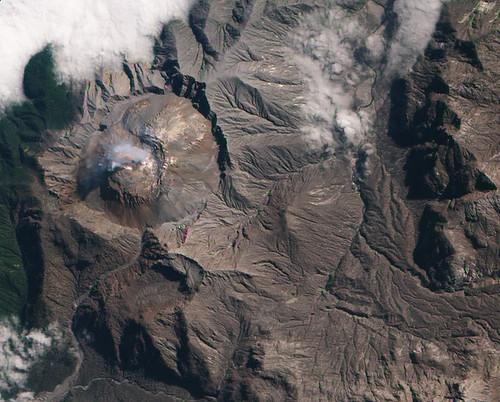
Puracé is an andesitic stratovolcano situated within the Puracé National Natural Park in Colombia’s Southern Andes. It forms part of the North Volcanic Zone of the Andean Volcanic Belt and lies at the intersection of the Coconucos and Morras Faults. The volcano features a 500-meter-wide summit crater and has a history of frequent explosive eruptions, with notable activity recorded in the 19th and 20th centuries, including eruptions in 1849, 1869, 1885, and as recently as 2025. The volcanic landscape is characterized by lava flows, fumaroles, and sulfur deposits, which create a dynamic geothermal environment. The park also hosts numerous hot springs and thermal pools, evidence of the volcano’s ongoing subterranean activity. The surrounding volcanic chain, known as the Serranía de Los Coconucos, includes 12 volcanoes, with Puracé being the only active one. This geological setting offers a fascinating glimpse into the tectonic forces shaping the Andes.
Terrain and Hiking Experience on Puracé Volcano
The hike up Puracé Volcano is a demanding yet rewarding journey through diverse and challenging terrain. Starting near the town of Puracé, the trail spans approximately 12 kilometers round trip, with an altitude gain of about 1,400 meters, typically taking between 5 to 7 hours depending on pace and stops. The initial sections traverse grassy páramo slopes interspersed with shrubs and unique high-altitude plants adapted to the cold, windy environment. As you ascend, the terrain shifts to rocky paths composed of volcanic rock formations and loose pumice, requiring careful footing and steady balance. Some sections are steep and may be muddy, especially after rain, adding to the challenge. The volcanic ash and sand near the summit demand endurance and good traction from hikers. Wind conditions can be intense at higher elevations, often exceeding 60 km/h, which can make the climb feel colder and more strenuous. Altitude effects become noticeable above 3,500 meters, with thinner air causing increased fatigue and breathlessness. The trail is well marked with rock cairns and occasional tree markers, but hikers should remain vigilant to avoid straying. Wildlife sightings include Andean condors soaring overhead, deer, and various bird species, enriching the natural experience. The combination of steep slopes, mixed terrain, and altitude makes this a moderate to challenging trek suitable for hikers with good fitness and some high-altitude experience. Proper preparation, including layered clothing, sturdy boots, and hydration, is essential to safely enjoy the diverse volcanic landscape and reach the summit’s breathtaking views.

What Makes the Puracé Volcano Trek Unique
Puracé Volcano offers a unique trekking experience distinguished by its active geothermal features and rich cultural heritage. Unlike many dormant volcanoes, Puracé’s summit hosts steaming fumaroles and sulfur vents that create an otherworldly atmosphere. The presence of natural hot springs along the trail provides a rare opportunity for hikers to relax in volcanic thermal waters amidst pristine Andean landscapes. The trek also passes through diverse ecosystems, including páramo grasslands and cloud forests, supporting endemic flora and fauna. Additionally, the volcano holds deep spiritual significance for the indigenous Coconuco community, who perform rituals honoring the mountain as a protective spirit. This blend of active volcanic phenomena, ecological diversity, and cultural reverence sets Puracé apart as a volcano trek that engages both the senses and the soul.
The Summit and Crater Experience at Puracé
Reaching the summit of Puracé Volcano is a moment of awe and exhilaration. The 500-meter-wide crater reveals a steaming landscape where fumaroles emit sulfurous gases, filling the air with a distinctive scent. The ground beneath your feet radiates warmth, a tangible reminder of the volcano’s active nature. From the rim, panoramic views stretch across the Andes, encompassing the verdant valleys below and neighboring volcanic peaks of the Coconucos range. The sound of escaping gases and the occasional rumble underscore the mountain’s restless energy. The crater’s stark, rugged beauty contrasts with the vibrant life found on the slopes, creating a powerful sensory experience. Many hikers pause here to absorb the raw power of the Earth, capturing photographs and reflecting on the journey. The summit’s altitude and exposure mean weather can change rapidly, so climbers should be prepared for cold winds and sudden shifts in visibility.

Best Time to Trek Puracé Volcano
The optimal time to hike Puracé Volcano is during the dry seasons from June to September and December to February. These months offer more stable weather, clearer skies, and safer trail conditions. Rainfall is minimal, reducing the risk of slippery paths and muddy sections. However, even in the dry season, temperatures can be cold, especially at higher elevations, so layered clothing is essential. The wet season, typically from March to May and October to November, brings frequent rain showers that can make the trail challenging and increase the risk of landslides or trail erosion. Additionally, volcanic activity is continuously monitored by the Servicio Geológico Colombiano, and hikers should check for any alerts or restrictions before planning their trip. Early morning starts are recommended to avoid afternoon weather changes and to enjoy sunrise views from the summit. Seasonal hazards include strong winds and sudden temperature drops, so proper preparation is crucial for a safe and enjoyable trek.
Trekking Routes and Trail Options on Puracé Volcano
The primary route to the summit of Puracé Volcano begins near the village of Pilimbalá, accessible from the town of Puracé. From Popayán, travelers typically take a 1.5-hour bus ride to Puracé, followed by a short taxi or hike to the trailhead. The main trail is approximately 12 kilometers round trip and is well marked with cairns and signs. It passes through diverse landscapes, including páramo vegetation, volcanic rock formations, and the crater rim. The ascent involves a steady climb with some steep sections, particularly near the summit where volcanic ash and loose pumice dominate. Alternative routes include the Las Brisas trail, which is more challenging and offers spectacular views but requires advanced fitness and navigation skills. Guided tours from Popayán are popular and recommended, as guides provide valuable insights into the geology, flora, fauna, and cultural significance of the area. These tours typically include transportation, park permits, and local knowledge to enhance safety and experience. Self-guided hikers should ensure they have adequate maps, GPS devices, and local advice before attempting the trek. The trail’s moderate length and difficulty make it suitable for a day hike, though some opt to camp nearby to acclimatize or explore additional park attractions.

Difficulty Assessment of Puracé Volcano Trek
Puracé Volcano presents a moderate trekking challenge, suitable for hikers with good physical fitness and some experience at high altitudes. The trail covers approximately 12 kilometers round trip with an altitude gain of around 1,400 meters, reaching elevations above 4,600 meters. The terrain varies from grassy páramo slopes to rocky volcanic paths and loose ash near the summit, requiring surefootedness and stamina. While no technical climbing skills are necessary, the high altitude can cause fatigue, shortness of breath, and altitude sickness symptoms for some trekkers. Weather conditions, including strong winds and sudden temperature drops, add to the difficulty. The trail is well marked but can be slippery after rain. Overall, the trek is classified as a moderate volcano ascent, demanding good preparation, acclimatization, and appropriate gear to ensure safety and enjoyment.
Essential Gear for Trekking Puracé Volcano
Successful trekking on Puracé Volcano requires specialized gear to handle the volcanic terrain and variable weather. Essential items include sturdy hiking boots with strong grip to navigate rocky and loose ash surfaces. Trekking poles are recommended to aid balance and reduce strain on steep sections. Layered clothing is vital: moisture-wicking base layers, insulating mid-layers such as fleece, and a waterproof, windproof outer shell protect against cold, wind, and rain. A warm hat, gloves, and neck gaiter help retain heat at high altitudes. Sun protection is crucial due to intense UV exposure; bring sunscreen, sunglasses, and a wide-brimmed hat. Hydration systems or water bottles are necessary to prevent dehydration, especially at altitude. A headlamp is useful for early starts or late finishes. Depending on volcanic activity, a gas mask or respirator may be advisable to protect against sulfurous gases near fumaroles. Finally, carry snacks, a first aid kit, and a map or GPS device for navigation.
Safety and Volcanic Hazards on Puracé Volcano
Trekking Puracé Volcano involves inherent risks related to its active volcanic status and high-altitude environment. Volcanic gases such as sulfur dioxide emitted from fumaroles can cause respiratory irritation; hikers should avoid lingering near vents and consider carrying a gas mask if advised. The crater edges can be unstable and prone to rockfalls, requiring caution when exploring the summit area. Loose scree and volcanic ash on steep slopes increase the risk of slips and falls. Sudden changes in weather, including strong winds exceeding 60 km/h and rapid temperature drops, can lead to hypothermia if unprepared. Although major eruptions are infrequent, the volcano is continuously monitored by the Servicio Geológico Colombiano, which issues alerts and safety recommendations. Visitors must adhere to park regulations, stay on marked trails, and follow guide instructions. Emergency plans and communication devices are recommended for all trekkers. Awareness and respect for the mountain’s power are essential to ensure a safe and rewarding experience.
Permits, Guides, and Logistics for Puracé Volcano Trek
Access to Puracé Volcano requires entry into Puracé National Natural Park, which mandates a permit and the accompaniment of a certified local guide. The park entrance fee for foreigners is approximately 40,000 Colombian pesos, while Colombian nationals pay around 20,000 pesos. Guides typically charge about 35,000 pesos per group, making it economical to join or form small groups. The guiding requirement supports the indigenous Coconuco community, who provide cultural insights and ensure visitor safety. Tour operators such as Popayan Tours, The Colombian Way, and Explore Share offer organized day trips from Popayán, including transportation, permits, guiding services, and sometimes meals. These tours usually start early in the morning, with pickup from hotels in Popayán, followed by a 1.5 to 2-hour drive to the trailhead near Pilimbalá. Public transport options include buses from Popayán to Puracé town, costing around 15,000 pesos, with a subsequent hike or taxi ride to the park entrance. Visitors should book permits and guides in advance, especially during peak seasons, to secure availability. It is advisable to check current volcanic activity reports from the Servicio Geológico Colombiano before planning the trek. Proper acclimatization and preparation for high-altitude conditions are essential. The park’s infrastructure is basic, so hikers should carry sufficient water, snacks, and weather-appropriate gear. Emergency services are limited, reinforcing the importance of guided tours and adherence to safety protocols.
Where to Stay and Nearby Bases for Puracé Volcano Trek
The primary base for trekking Puracé Volcano is the city of Popayán, located approximately 55 kilometers from the park entrance. Popayán offers a range of accommodations, from budget hostels to comfortable hotels such as Hotel Lili Popayán, known for its spacious rooms and central location. Staying in Popayán provides access to restaurants, gear shops, and transport services. For those seeking proximity to the trailhead, the small town of Puracé offers limited lodging options and local eateries, providing a more rustic experience closer to the volcano. Pilimbalá, near the park’s administrative center, has basic facilities and is the starting point for many hikes. While there are no luxury lodges within the park, visitors can enjoy natural hot springs and thermal pools nearby for relaxation after the trek. Booking accommodations in Popayán well in advance is recommended during peak trekking seasons. Some tour operators also offer packages including hotel stays, transport, and guided hikes. For travelers interested in extended exploration, Popayán serves as a convenient hub to access other regional attractions such as the San Agustin Archaeological Park and the broader Los Coconucos volcanic range.