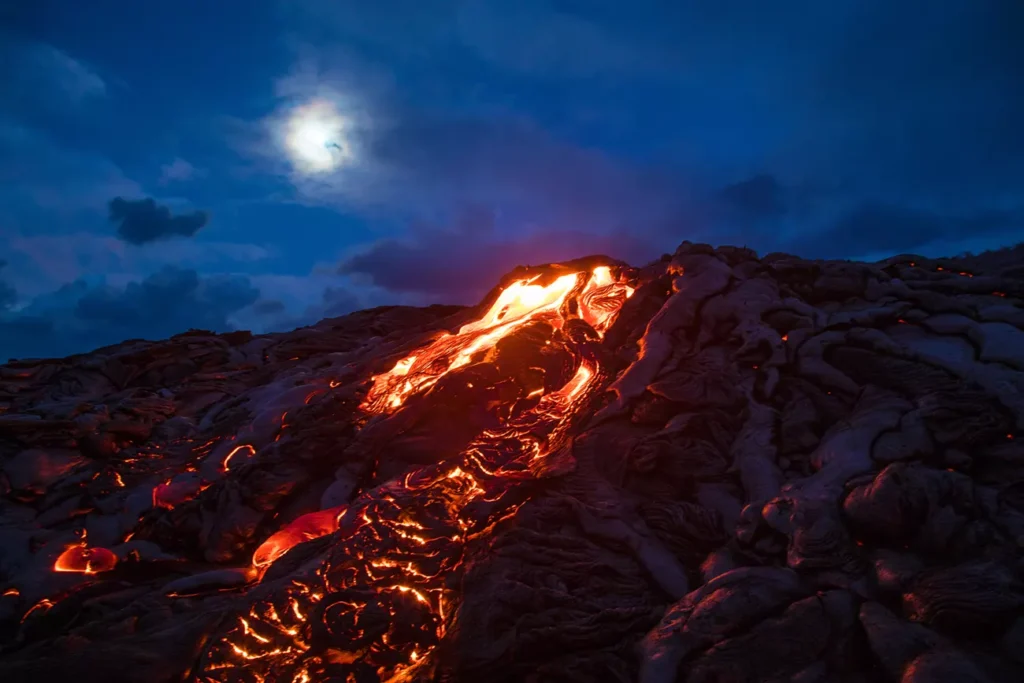


Hiking a volcano is not a standard “walk in the woods.” It is a foray into a world of abrasive glass, shifting gravel, acidic winds, and radical temperature swings. On a standard mountain, your gear helps you stay comfortable; on a volcano, your gear is a specialized toolkit for environmental survival.
Whether you are navigating the razor-sharp ‘a‘ā lava of Hawaii or the sulfur-choked rim of Indonesia’s Mount Ijen, your equipment needs to be as tough as the tectonic forces that created the trail. This guide breaks down the essential gear categories: Footwear, Respiratory Protection, Thermal Layering, and Essential Hardware.
1. The Foundation: Top 5 Boots for Scree and Lava
The most common injury on a volcano is a rolled ankle or a lacerated palm. The second most common is “boot failure.” Volcanic rock (especially basalt and obsidian) acts like industrial-grade sandpaper. A soft, foam-soled sneaker will be shredded within miles. For Level 3+ hikes, you need a stiff, durable boot with a high-traction outsole.
I. The Gold Standard: La Sportiva Nepal Cube GTX
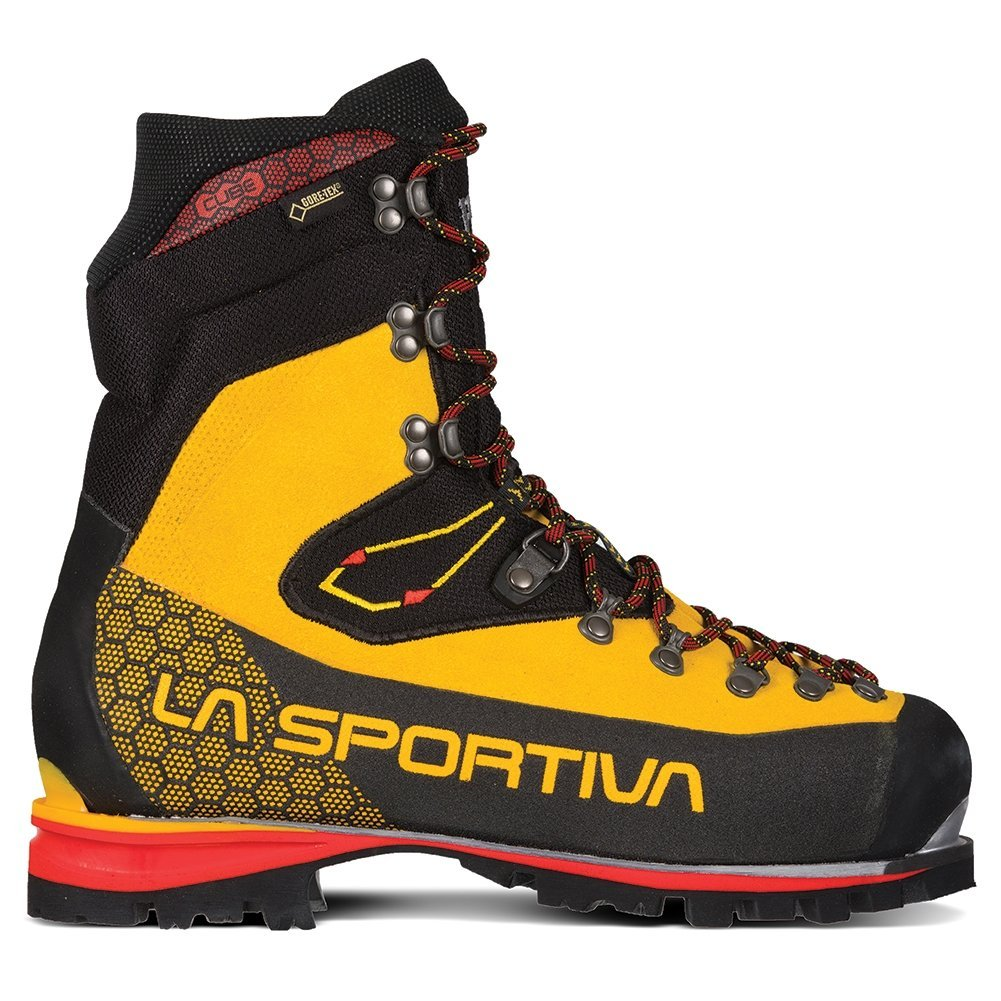
If you are tackling “Level 5” volcanic peaks like Villarrica in Chile or Mount Rainier, this is the boot.
- Why it works: It features a highly durable, 3.2mm silicone-impregnated leather upper that resists the abrasive quality of ash. The Vibram® Matterhorn sole is incredibly stiff, which is essential for “edging” into steep scree slopes.
- Volcano-Specific Perk: The high-top construction provides maximum ankle protection against sharp, flying scoria.
II. The All-Rounder: Salomon Quest 4 GTX
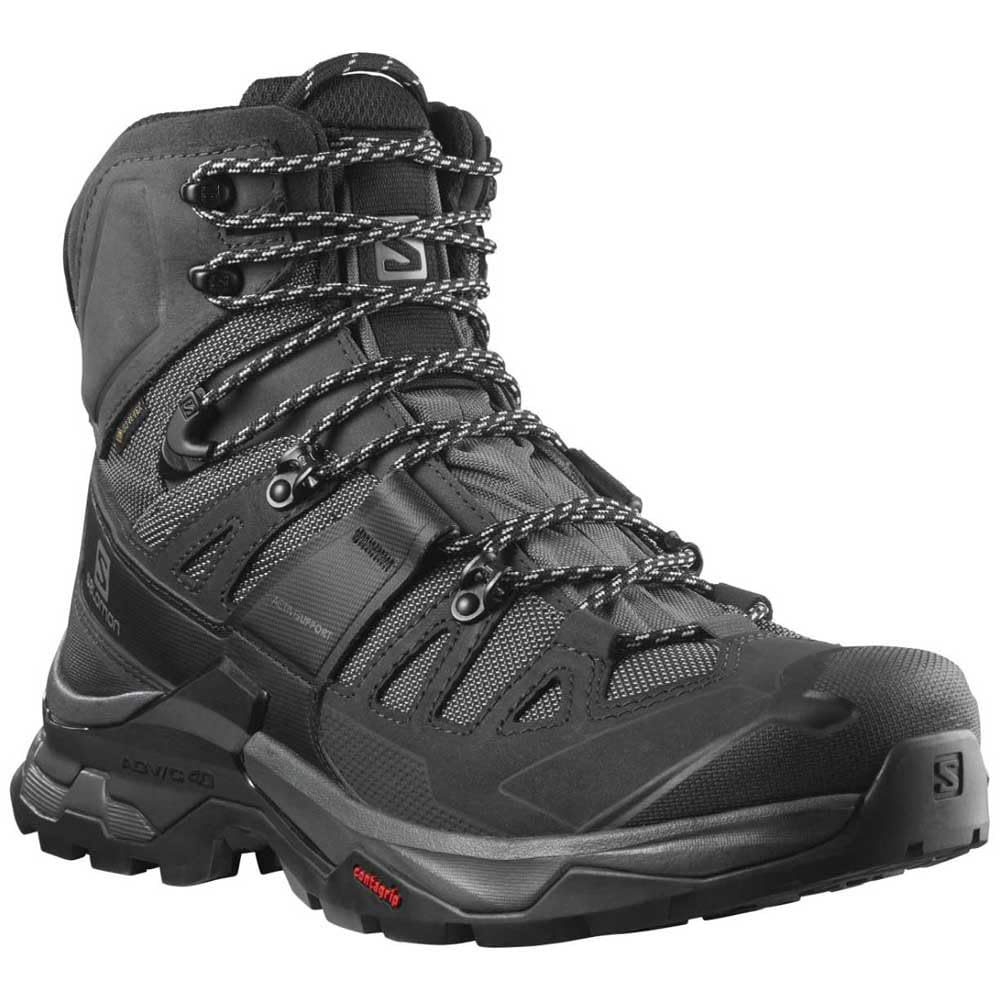
For the majority of Level 2-4 hikes, the Quest 4 offers the perfect balance of weight and protection.
- Why it works: It has a “4D Chassis” that reduces fatigue on long, uneven lava fields. It grips remarkably well on both wet basalt and dry, loose ash.
- Volcano-Specific Perk: The rubber toe cap is thick and extends further back than most boots, protecting the leather from the “cheese-grater” effect of walking through loose volcanic rock.
III. The Durability Champ: Lowa Renegade GTX Mid
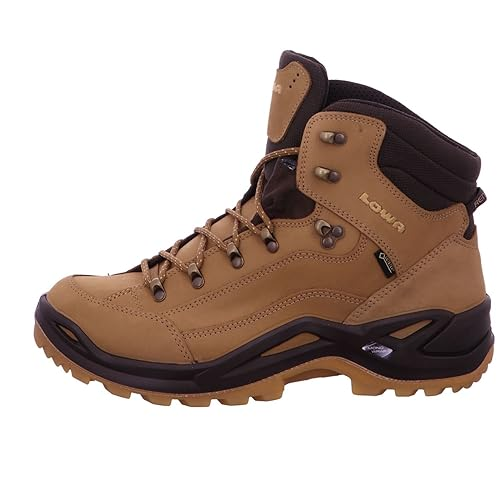
Lowa’s classic boot is prized for its longevity. On a volcano, the seams are the first thing to fail; Lowa’s construction is notoriously robust.
- Why it works: The Monowrap frame construction provides stability without the bulk of a full mountaineering boot.
- Volcano-Specific Perk: It has fewer external seams than competitors, meaning there are fewer places for fine ash to work its way in and act as an abrasive.
IV. The Technical Specialist: Scarpa Ribelle Lite HD
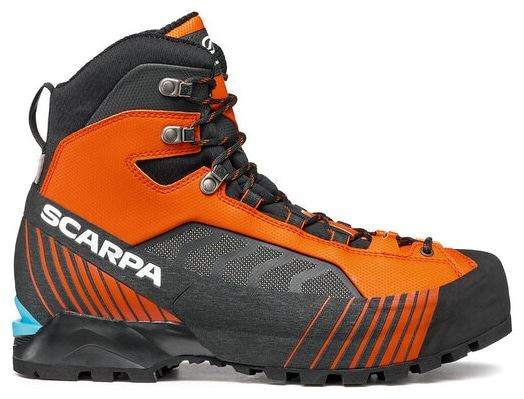
For those who prefer a “fast and light” approach to steep cones.
- Why it works: It’s a hybrid between a running shoe and a mountaineering boot. It is stiff enough for crampons but light enough for rapid ascents.
- Volcano-Specific Perk: The “sock-fit” construction keeps the boot tight to the foot, which is the best defense against fine ash entering the collar.
V. The Entry-Level Warrior: Merrell Moab 3 Mid
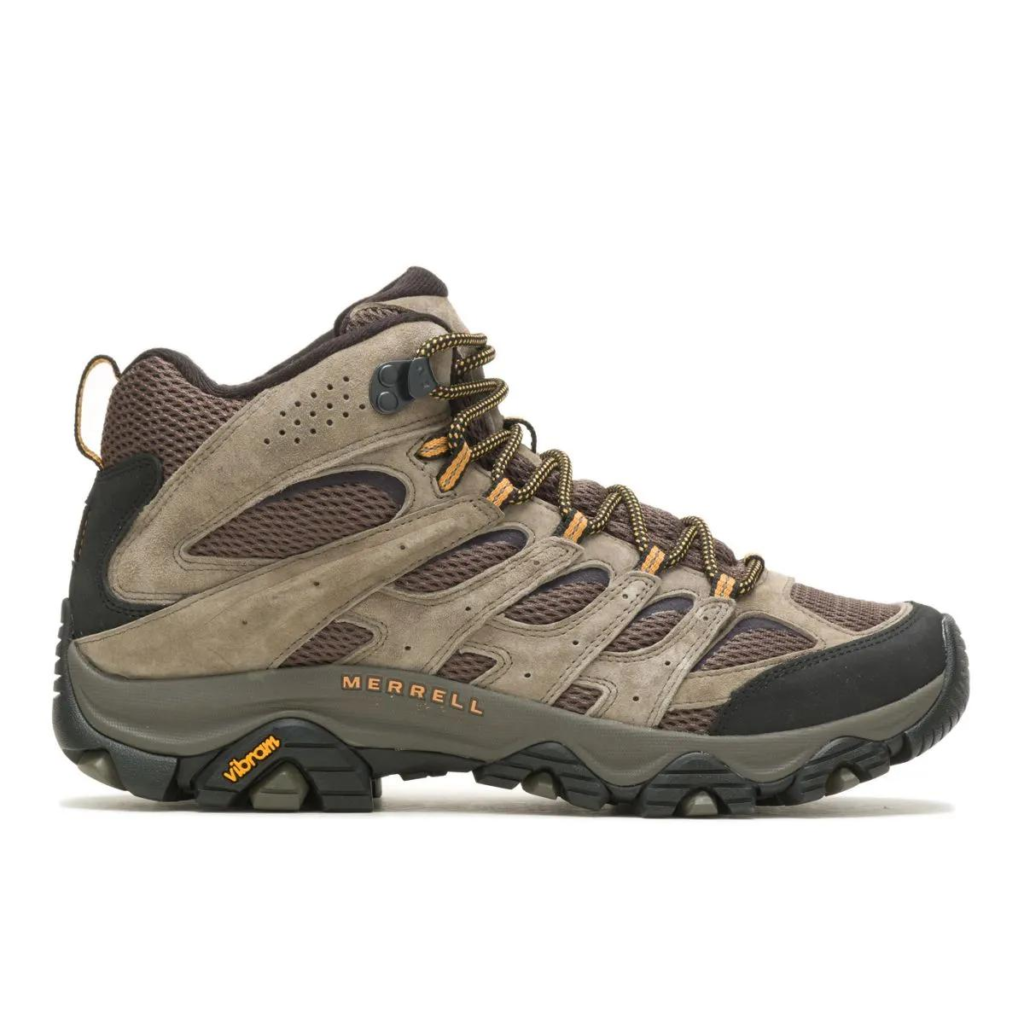
If you are doing Level 1 or Level 2 cinder cones, you don’t need a $400 boot.
- Why it works: It is comfortable out of the box and has a Vibram® sole that can handle basic volcanic rock.
- Volcano-Specific Perk: The bellows tongue is excellent at keeping out debris.
Pro-Tip: If your boots have Gore-Tex, remember that volcanic ash is so fine it can eventually clog the “pores” of the membrane. Always rinse your boots thoroughly with fresh water after an ashy hike to restore breathability.
2. The Breath of Life: A Guide to Volcanic Respirators
Unlike a forest, the air near an active crater can be toxic. Volcanic hazards are twofold: Particulates (ash) and Gases (sulfur, carbon dioxide).
Level A: The Dust Defense (Particulates)
If the volcano is “quiet” but dusty, an N95 or N99 mask is your baseline. However, for serious hikers, a P100 filter is the standard. P100 filters capture 99.9% of particles, including the microscopic glass shards found in volcanic ash that can cause “silicosis” or long-term lung scarring.
Level B: The Chemical Defense (Gases)
If you smell “rotten eggs,” you are inhaling Sulfur Dioxide (SO2). In high concentrations, this gas turns into mild sulfuric acid in your lungs.
- The Mask: You need a Half-Face Reusable Respirator (like the 3M 6000 or 7000 series).
- The Cartridge: You must use a “Multi-Gas/Vapor” cartridge (usually color-coded Olive/Pink).
- Olive handles the chemical gases (SO2, H2S, Cl).
- Pink is the P100 particulate filter for the ash.
How to Fit Your Respirator
- The Seal Test: Put the mask on, cover the intake valves with your palms, and inhale. The mask should collapse slightly against your face. If air leaks in around the nose or chin, adjust the straps.
- Beard Warning: A respirator cannot seal over a beard. If you are heading to an active vent, you need to be clean-shaven, or the gas will simply bypass the filter.
3. Mastering the Volcanic Layering System
Volcanoes are “islands of weather.” A tropical volcano like Mount Batur can be 30°C at the base and 5°C at the summit with a 50 km/h wind.
Layer 1: The Base (Moisture Management)
- Material: 100% Merino Wool or high-quality Polyester.
- The Goal: Move sweat away from your skin. If you reach a cold, windy summit while soaked in sweat, you risk hypothermia within minutes.
- Volcano Tip: Avoid light colors. Volcanic ash is greasy and dark; it will permanently stain your favorite white base layer.
Layer 2: The Mid (Insulation)
- The Fleece: A mid-weight grid fleece is perfect for the “active” part of the hike. It breathes well while you are climbing.
- The Puffy: A down or synthetic “puffy” jacket should stay in your bag until you reach the summit or stop for a break.
- Synthetic vs. Down: If you are in a wet volcanic region (like the Andes or Indonesia), Synthetic (e.g., PrimaLoft) is better. If it gets wet from steam or rain, it still keeps you warm. Down becomes useless when wet.
Layer 3: The Shell (Weather Protection)
- The Hard Shell: A Gore-Tex or similar waterproof/breathable jacket.
- The “Sulfur Factor”: Be aware that high concentrations of sulfur can eventually degrade the waterproof coatings (DWR) on high-end jackets. After your trip, wash your shell with a specialized technical wash (like Nikwax) to remove the acidic residue.
4. Essential “Etc.” Gear: The Difference Makers
I. Scree Gaiters
Gaiters are perhaps the most underrated piece of volcano gear. When you “scree-run” (sliding down a bank of loose ash), your boots act like buckets, filling with sharp pebbles. A lightweight, breathable scree gaiter creates a seal between your pants and your boots, saving you from having to stop every ten minutes to empty your shoes.
II. Leather-Palmed Gloves
Volcanic rock is sharp. If you trip and put your hand down to catch yourself on a lava flow, you are essentially landing on a field of broken glass. A pair of durable work gloves or leather-palmed climbing gloves is mandatory for scrambles.
III. Trekking Poles (With Carbide Tips)
Volcanic inclines are often 35-40 degrees of loose gravel. Trekking poles give you “four-wheel drive.”
- The Tip: Ensure your poles have carbide tips. Plastic or rubber tips will be shredded by the basalt in hours.
- The Basket: Use a “mud basket” (the medium-sized one). A snow basket is too big and will get caught in rock crevices, while no basket will allow the pole to sink deep into the ash.
IV. High-Lumen Headlamp
Many volcano summits happen at sunrise. This means hiking the most dangerous, unstable part of the trail in total darkness.
- The Spec: Look for at least 350 lumens and a “Red Light” mode (to preserve your night vision while checking maps).
- The Battery: Always carry a spare set of batteries or a power bank. Cold altitudes can kill a lithium-ion battery 40% faster than sea-level temperatures.
5. Post-Hike Gear Maintenance: The “De-Acid” Protocol
Your gear is an investment, and volcanoes are trying to destroy that investment.
- Vacuum Everything: Use a vacuum with a brush attachment on your backpack and boots. Do not rub the ash with a cloth; you will just grind the glass into the fabric.
- The Acid Neutralizer: If you were near heavy sulfur, wipe down the metal parts of your gear (trekking pole joints, zippers, camera clips) with a damp cloth to prevent corrosion.
- Zipper Care: Volcanic dust is the #1 killer of zippers. If your backpack zippers feel “crunchy,” wash them with fresh water and apply a tiny amount of silicone-based zipper lubricant.
Gear Summary Table
| Category | Must-Have Item | Key Feature to Look For |
| Footwear | High-Ankle Boots | Vibram Sole & Rubber Toe Cap |
| Protection | P100 Respirator | Multi-gas (Olive) Cartridges |
| Accessory | Scree Gaiters | Tight seal around boot throat |
| Hardware | Trekking Poles | Carbide tips & Mud baskets |
| Safety | Leather Gloves | Protection against “Lava Rash” |
Hiking a volcano is a gear-intensive pursuit because the environment is so uncompromising. By investing in the right “Foundation” (boots) and “Life Support” (respirators), you transform a potentially dangerous ordeal into a controlled, breathtaking adventure.