
Momotombo Volcano Trekking Guide: Conquer Nicaragua’s Perfect Cone Stratovolcano
Explore the demanding and exhilarating hike up Momotombo Volcano, Nicaragua’s iconic active stratovolcano. This guide covers geology, terrain, routes, permits, logistics, safety, and accommodation near León for an unforgettable volcano trekking adventure.
Quick Volcano Snapshot
| Attribute | Value |
|---|---|
| Volcano type | Stratovolcano |
| Elevation | 1,258 m (4,127 ft) |
| Location | León, Nicaragua |
| Activity status | Active |
| Trekking difficulty | Demanding |
| Typical trek duration | 4–5 hours (round trip) |
| Altitude gain | 630 m |
| Terrain type | Loose volcanic rock, dense volcanic ash, steep slopes |
| Best season | Dry season (November to April) |
| Temperature range | 15°C to 30°C |
| Permit requirement | Permit required from geothermal powerplant operator |
The Experience of Hiking Momotombo Volcano
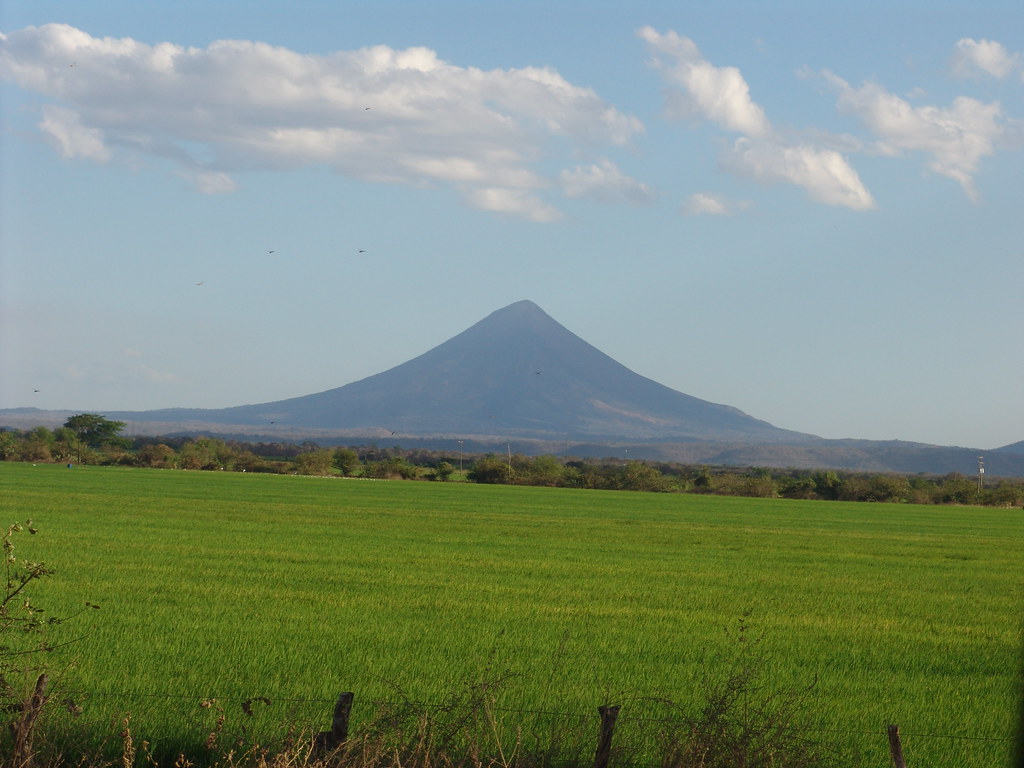
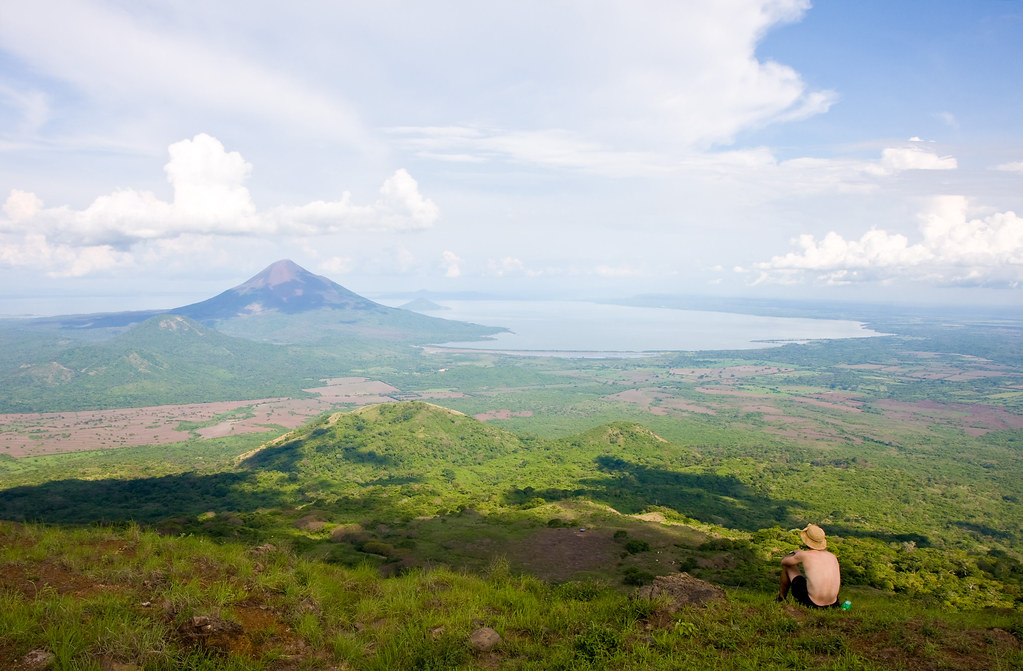
Approaching Momotombo Volcano, the eye is immediately drawn to its perfectly symmetrical cone dominating the León skyline. The landscape is raw and dramatic, a testament to the immense geological forces shaping Nicaragua. The hike begins at the base near the geothermal powerplant, crossing through a landscape of steaming vents and sulfurous gases. As you ascend, the terrain shifts from lush treeline to barren volcanic ash and loose rocks. The air thins and the wind intensifies, heightening the sense of adventure. Reaching the crater rim, hikers are rewarded with breathtaking views of Lake Managua and the surrounding volcanic chain. The emotional impact of standing atop an active volcano, feeling the heat beneath your feet and smelling the sulfur in the air, is unforgettable.
Geological Background of Momotombo Volcano
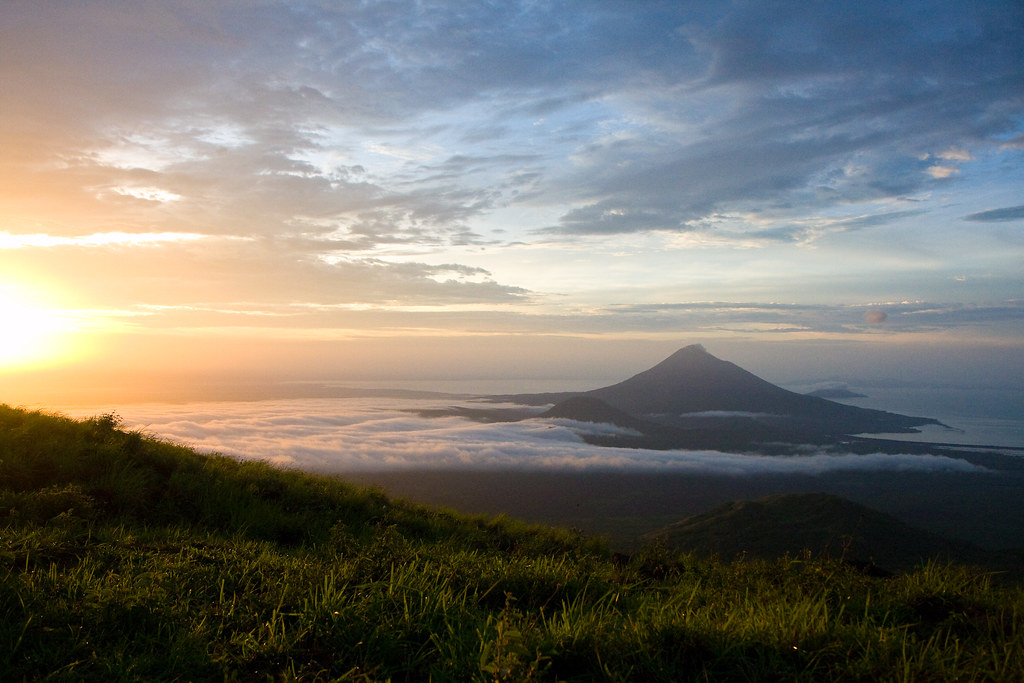
Momotombo is a stratovolcano located on the northern shore of Lake Managua in Nicaragua. It is part of the Maribios volcanic chain, a series of active volcanoes stretching across northwest Nicaragua. Formed approximately 4,500 years ago, Momotombo’s near-perfect cone shape is a rare geological marvel. The volcano has erupted more than 15 times since the early 16th century, with notable eruptions in 1609, 1886, 1905, and recent activity in 2015 and 2016. Its eruptions have shaped the surrounding landscape, including the destruction of the original city of León Viejo in 1609. The volcano’s geology features layers of hardened lava, volcanic ash, and tephra, with fumaroles and sulfur deposits visible near the summit. A significant geothermal field on its southern flank harnesses the volcano’s heat to generate electricity, highlighting the dynamic volcanic activity beneath the surface.
Terrain and Hiking Experience on Momotombo Volcano
The Momotombo Volcano hike is one of Nicaragua’s most challenging and rewarding volcanic treks. The trail begins at the geothermal powerplant, which serves as the official starting point and permit checkpoint. Initially, hikers traverse through a treeline with patches of tropical vegetation, but this quickly gives way to stark volcanic terrain. The path is steep and unshaded, exposing trekkers to intense sun and wind. The terrain consists primarily of loose volcanic rocks, dense volcanic ash, and small avalanche paths that require careful footing and balance. The trail orientation often tilts awkwardly, demanding strong core stability and sure-footedness. As the elevation increases, the air becomes thinner and cooler, with temperatures dropping significantly near the summit. The final ascent involves scrambling over volcanic sand and rocks at angles up to 45 degrees, making it physically exhausting and technically demanding. The unstable nature of the volcanic substrate means the trail can change frequently due to landslides and volcanic activity, requiring hikers to stay alert and adaptable. Despite the difficulty, the hike rewards climbers with spectacular panoramic views of Lake Managua, the Maribios volcanic chain, and the surrounding Nicaraguan landscape. The combination of physical challenge, geological wonder, and breathtaking scenery makes the Momotombo trek a must for experienced volcano hikers.
What Makes the Momotombo Trek Unique
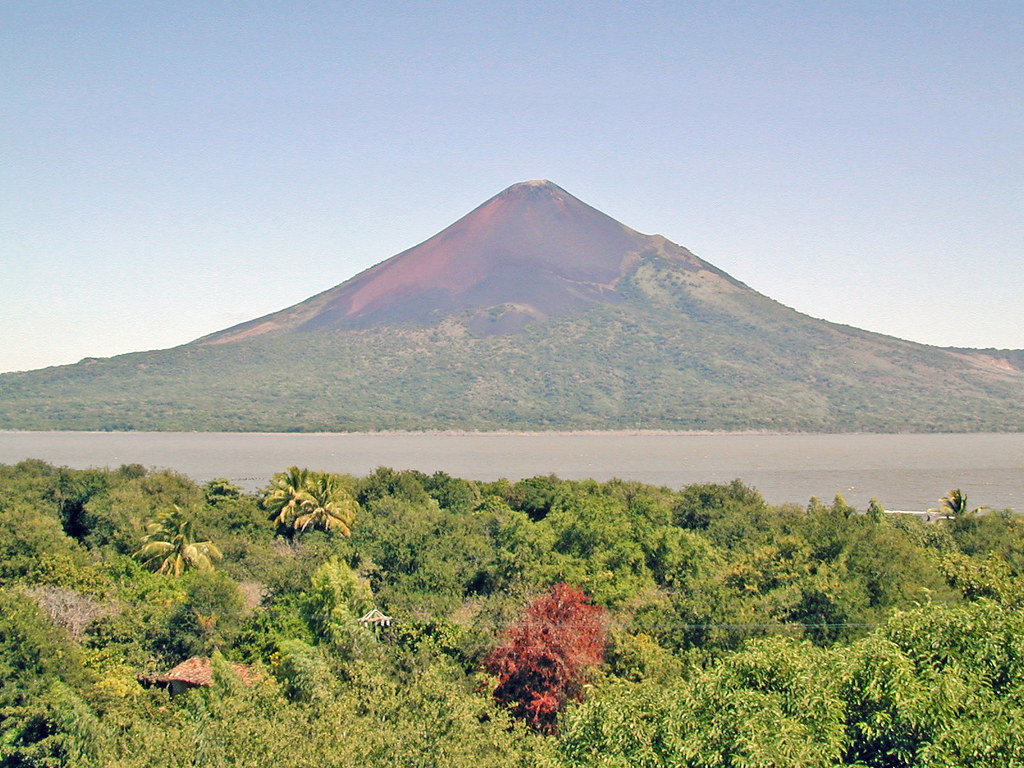
Momotombo stands out for its perfectly symmetrical cone, a rare geological formation that has become a symbol of Nicaragua. Unlike many volcanoes, it combines active volcanic features with accessible hiking routes, offering a thrilling experience for adventure seekers. The proximity to Lake Managua provides stunning water views contrasting with the barren volcanic slopes. The presence of a geothermal powerplant at the base adds a unique industrial element to the trek, showcasing how volcanic energy is harnessed sustainably. The volcano’s history, including the destruction of León Viejo, imbues the hike with cultural and historical significance. The trail’s steepness and loose volcanic terrain challenge hikers physically and mentally, making the summit achievement deeply satisfying. The active fumaroles and sulfur vents near the crater rim provide a sensory experience of the Earth’s power, with heat, smells, and sounds that few volcanoes can match.
Summit and Crater Experience on Momotombo
Reaching the summit of Momotombo is a moment of awe and exhilaration. The crater rim offers a commanding view over Lake Managua’s shimmering waters and the surrounding volcanic peaks of the Maribios chain. The active crater emits plumes of steam and sulfurous gases, filling the air with a distinctive, pungent aroma. The ground beneath your feet radiates heat, a tangible reminder of the volcano’s fiery heart. The sound of escaping gases and occasional rumblings create an intense atmosphere, connecting hikers directly to the Earth’s inner forces. The panoramic vistas stretch for miles, revealing the lush landscapes of Nicaragua juxtaposed against the stark volcanic terrain. This sensory and visual spectacle makes the summit experience unforgettable, rewarding the physical effort of the demanding climb.
Best Time to Trek Momotombo Volcano
The optimal time to hike Momotombo is during Nicaragua’s dry season, from November to April. During these months, the weather is more stable with minimal rainfall, reducing the risk of slippery volcanic ash and landslides. Early morning starts are recommended to avoid the midday heat and to experience cooler temperatures near the summit. Trekking in the rainy season (May to October) is not advised due to increased trail hazards and reduced visibility. Additionally, hikers should monitor volcanic activity reports and adhere to any restrictions or closures issued by local authorities or the geothermal plant operators. Planning the trek during clear weather windows ensures safer conditions and the best panoramic views.
Routes and Trail Options for Momotombo Volcano
The primary and most established route to Momotombo’s summit begins at the geothermal powerplant on the volcano’s southern flank. This route requires obtaining a permit from the powerplant operator, which also serves as the trailhead. The trail is an out-and-back path approximately 5.5 kilometers in total, with an elevation gain of about 630 meters. It typically takes 4 to 5 hours to complete the round trip, depending on fitness and pace. The trail is steep and challenging, traversing loose volcanic rocks, ash, and small avalanche paths. Due to the active nature of the volcano and frequent landslides, the upper sections of the trail can change regularly, requiring hikers to follow marked paths carefully. There are no alternative official routes to the summit, and guided tours are highly recommended for safety and navigation. Some tour operators offer camping options on the volcano’s slopes for multi-day experiences. The route’s difficulty and terrain make it unsuitable for beginners, but for experienced hikers, it offers a rewarding and unique volcanic adventure.
Difficulty Assessment of the Momotombo Trek
Momotombo is classified as a demanding volcano trek. The steep slopes, loose volcanic ash, and rocks require good physical fitness, balance, and hiking experience. The trail’s steepness can reach angles of up to 45 degrees near the summit, demanding strong leg muscles and endurance. The lack of shade exposes hikers to intense sun and wind, increasing fatigue and dehydration risk. Altitude is moderate at 1,258 meters but can still affect some hikers, especially during the strenuous final ascent. The trail’s unstable terrain and changing conditions due to volcanic activity and landslides add technical challenges. This trek is not recommended for beginners or those with limited hiking experience. Proper preparation, acclimatization, and possibly hiring a guide are essential for a safe and successful ascent.
Essential Gear for Hiking Momotombo Volcano
Hiking Momotombo requires specialized gear to handle the challenging volcanic terrain and weather conditions. Essential items include sturdy hiking boots with excellent grip for loose volcanic rocks and ash. Trekking poles are highly recommended to aid balance on steep and unstable slopes. A windproof and breathable jacket protects against strong winds near the summit. Sun protection is critical: bring a wide-brimmed hat, sunglasses, and high-SPF sunscreen due to the lack of shade. Carry sufficient water (at least 2 liters) and high-energy snacks to maintain hydration and energy. A headlamp is useful for early morning or late afternoon hikes. Due to occasional volcanic gases, a lightweight respirator or gas mask can be helpful, especially near fumaroles. A first aid kit, map, and GPS device or guide are advisable for safety. Layered clothing is recommended to adapt to temperature changes from base to summit.
Safety and Volcanic Hazards on Momotombo
Climbing Momotombo involves inherent risks associated with active volcanoes and challenging terrain. Volcanic gases such as sulfur dioxide can cause respiratory irritation; hikers should avoid prolonged exposure near fumaroles and consider carrying a gas mask. The trail’s loose volcanic ash and rocks increase the risk of slips and falls, especially on steep slopes and avalanche paths. Sudden landslides are possible due to unstable ground and recent volcanic activity. Weather can change rapidly, with strong winds and temperature drops near the summit. Hikers must monitor volcanic activity reports from the Smithsonian Global Volcanism Program and local authorities. It is essential to obtain permits and follow guidance from the geothermal plant operators and tour guides. Emergency services are limited in the area, so preparedness and caution are paramount. Wearing appropriate gear and hiking with a guide improves safety significantly.
Permits, Guides, and Logistics for Momotombo Volcano Trek
Access to Momotombo Volcano requires a permit issued by the Ormat Momotombo Power Company, which operates the geothermal powerplant at the volcano’s base. This permit is mandatory as the trail crosses the powerplant property, and it ensures safety and environmental protection. Permits can be arranged through local tour operators or directly at the powerplant office near León. The cost varies but typically ranges around $10 to $20 USD. Several reputable tour companies based in León offer guided hikes to Momotombo, including Volcano Day, Quetzaltrekkers, Tierra Tour, Va Pues, and Nicaragua Adventures. These operators provide experienced guides familiar with the changing trail conditions, safety protocols, and volcanic activity updates. Guided tours often include transportation from León, permits, equipment rental, and sometimes camping gear for overnight trips. The trailhead is accessible by vehicle from León, approximately a 30-minute drive. Public transportation options are limited, so arranging private transport or joining a tour is recommended. Hikers should plan for a full day, starting early to avoid midday heat and allow ample time for the demanding ascent and descent. Due to the active nature of the volcano, tours may be suspended during periods of increased volcanic activity or adverse weather. It is advisable to book tours in advance and confirm current conditions with operators. Carrying travel insurance that covers adventure activities is highly recommended.
Where to Stay Near Momotombo Volcano
León, located about 30 kilometers from Momotombo Volcano, is the primary base for trekkers. The city offers a range of accommodations from budget hostels to boutique hotels. Popular options include Hotel El Convento, known for its colonial charm and central location, and Hotel Estrada, which features a French-influenced bistro and comfortable amenities. For travelers seeking a more local experience, guesthouses and hostels such as Bigfoot Hostel provide affordable lodging with a social atmosphere. León’s proximity to the volcano allows for early morning departures to the trailhead. Additionally, the town offers restaurants, gear rental shops, and tour operator offices, making it convenient for logistical arrangements. For those wanting to stay closer to nature, eco-lodges and rural guesthouses are available in the surrounding countryside, though these are less common and may require private transport. The nearby village of Puerto Momotombo offers limited accommodation options but is primarily residential. Visitors should plan to stay in León for the best combination of comfort, services, and access to Momotombo. Booking accommodations in advance is recommended during peak trekking seasons.