
Hiking Volcán Azufral: A Complete Trekking Guide to Colombia’s Turquoise Crater Lake
Volcán Azufral, a dormant stratovolcano in Colombia’s Southern Andes, offers a moderate but rewarding trek to a stunning turquoise crater lake known as Laguna Verde. This guide covers the volcano’s geology, trekking terrain, routes, safety, permits, and accommodation options near Túquerres.
Quick Volcano Snapshot
| Attribute | Value |
|---|---|
| Volcano type | Stratovolcano |
| Elevation | 4070 meters |
| Location | Southern Andes, Nariño, Colombia |
| Activity status | Dormant |
| Trekking difficulty | Moderate |
| Typical trek duration | 4-6 hours round trip |
| Altitude gain | Approximately 900 meters |
| Terrain type | Páramo grasslands, volcanic rock, sandy crater beaches |
| Best season | Dry season (December to March and July to August) |
| Temperature range | 5°C to 15°C |
| Permit requirement | Access restricted; requires community authorization |
The Experience of Hiking Volcán Azufral
Approaching Volcán Azufral, hikers are greeted by a dramatic Andean landscape where lush páramo meets stark volcanic rock. The ascent reveals a powerful geological story etched into the terrain, culminating in the breathtaking sight of Laguna Verde, a vivid turquoise crater lake. The contrast between the vibrant lake waters and the sulfurous fumaroles creates a surreal atmosphere. Reaching the crater instills a profound sense of awe, connecting trekkers to the raw forces that shaped this ancient volcano.

Geological Background of Volcán Azufral
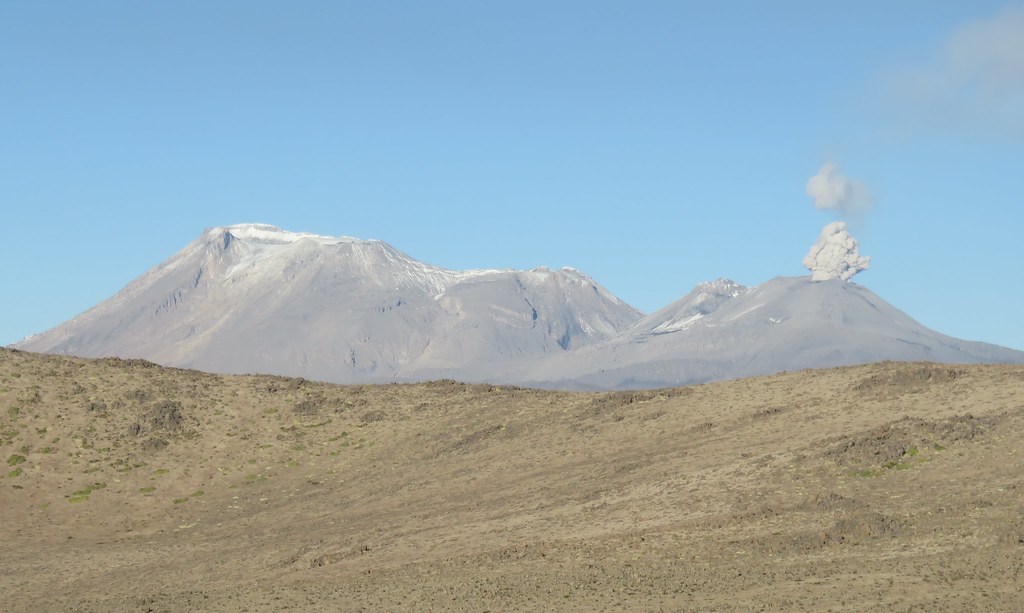
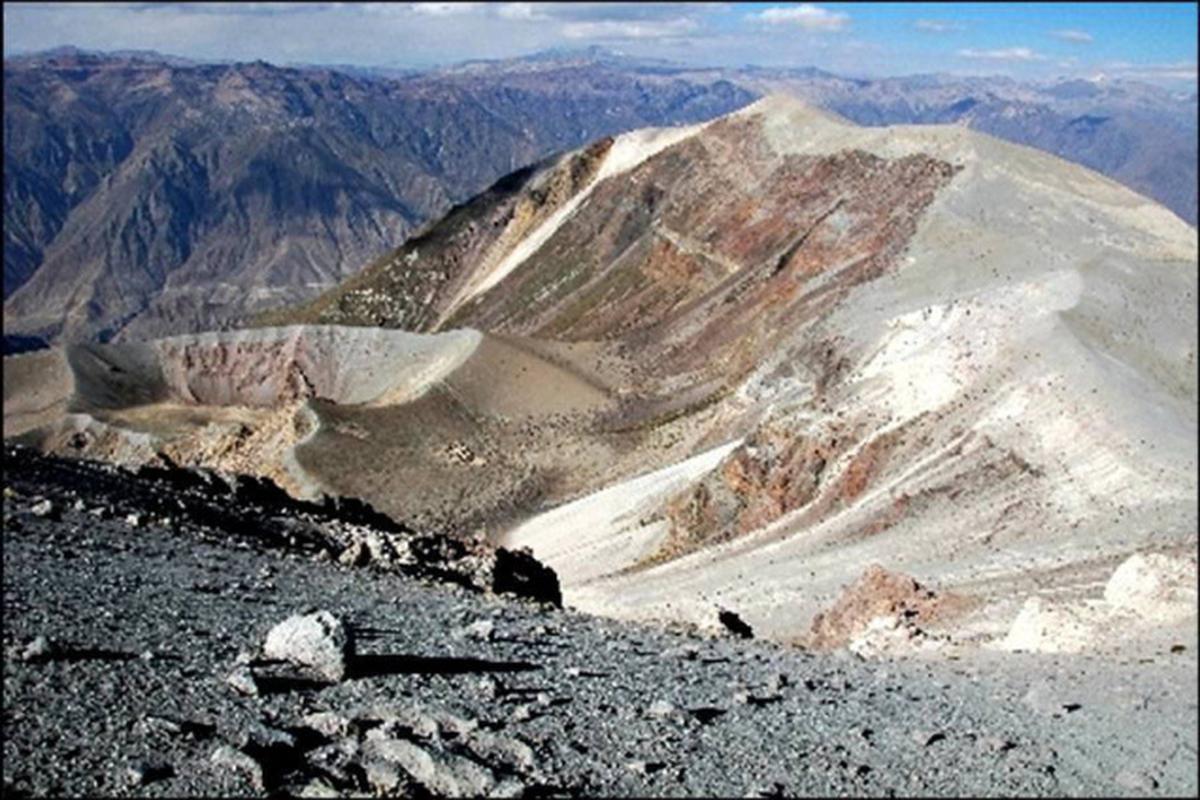
Volcán Azufral is a stratovolcano rising to 4,070 meters in Colombia’s Southern Andes. Formed through successive layers of lava and ash, it last erupted approximately a thousand years ago, classifying it as dormant but still geothermally active. The volcano’s crater hosts Laguna Verde, a mineral-rich lake tinted by dissolved sulfur compounds and alumina sulfates. Surrounding the lake are fumaroles emitting sulfurous gases and steam at temperatures up to 86°C, creating a solfataric field with abundant sulfur deposits. The crater walls display varied trachytic rock colors from black to white and red, reflecting complex volcanic processes. This unique geological setting offers a vivid glimpse into volcanic activity and mineralogy.
Terrain and Hiking Experience on Volcán Azufral
The hike to Volcán Azufral is a moderate challenge that rewards trekkers with diverse terrain and spectacular views. Starting near the town of Túquerres at around 3,100 meters elevation, the trail initially winds through lush páramo grasslands characterized by frailejones—tall, fuzzy plants endemic to the high Andes. This section features gentle slopes and well-defined paths, allowing hikers to acclimate gradually to the altitude.
As the trail ascends, the landscape transitions into a stark volcanic environment. The vegetation thins, replaced by loose volcanic rock, pumice, and sandy soil. Hikers encounter uneven footing on ash slopes and scattered lava boulders, requiring careful navigation and sturdy footwear. The trail can be slippery in wet conditions, especially during the rainy season, so trekking poles are recommended for stability.
Approaching the crater rim, the terrain becomes more exposed with strong winds common at this altitude. The final stretch involves walking along sandy beaches that surround Laguna Verde, a rare feature for a high-altitude volcanic crater. The lake’s vivid turquoise color, caused by dissolved minerals and sulfur, contrasts sharply with the dark volcanic rocks and yellow sulfur deposits nearby.
Altitude effects are noticeable, with thinner air making the ascent more demanding. Trekkers should pace themselves and stay hydrated to mitigate altitude sickness. Temperature fluctuations are significant; mornings and evenings can be cold, while midday sun can be intense due to the lack of shade.
Overall, the terrain offers a varied hiking experience—from gentle páramo slopes to rugged volcanic rock and sandy crater shores—making it a rewarding trek for those prepared for moderate altitude and uneven surfaces.
What Makes the Volcán Azufral Trek Unique
Volcán Azufral’s defining feature is its stunning turquoise crater lake, Laguna Verde, a rare mineral-rich body of water nestled within the volcanic caldera. Unlike many volcanic summits, the crater is surrounded by wide sandy beaches, allowing hikers to rest and absorb the surreal landscape. The presence of active fumaroles emitting sulfurous gases adds an otherworldly sensory dimension, with the sharp scent of sulfur permeating the air.
The trek also traverses the unique Andean páramo ecosystem, home to endemic flora such as frailejones, which thrive in the cool, moist environment. This blend of geological and ecological diversity offers a rich experience for nature lovers and geology enthusiasts alike.
Culturally, the volcano and its lake hold deep significance for the indigenous Pasto community, who consider the site sacred. This spiritual connection adds a layer of reverence and respect to the trekking experience, distinguishing it from purely recreational hikes.
The Summit and Crater Experience
Reaching the summit of Volcán Azufral, trekkers are greeted by the expansive crater rim framing Laguna Verde’s vibrant waters. The lake’s emerald hues shimmer under the Andean sun, surrounded by contrasting black, white, and red volcanic rocks. The air carries a distinct sulfurous aroma from nearby fumaroles, some emitting steam at temperatures nearing 86°C.
The crater’s sandy beaches invite a moment of rest and reflection, a rare feature at such altitude. From this vantage point, panoramic views stretch across the Southern Andes, with clouds often drifting below the summit, enhancing the sense of elevation and isolation.
The soundscape includes the gentle hiss of escaping gases and the whisper of high-altitude winds, creating an immersive natural symphony. This sensory-rich environment makes the summit experience both dramatic and deeply memorable.

Best Time to Trek Volcán Azufral
The optimal trekking seasons for Volcán Azufral are during the dry months from December to March and July to August. These periods offer clearer skies, reduced rainfall, and more stable trail conditions. The dry season minimizes slippery volcanic ash and muddy páramo paths, enhancing safety and comfort.
During the rainy season, from April to June and September to November, trails can become treacherous due to mud and wet rocks. Additionally, cloud cover often obscures views, diminishing the visual impact of the crater lake.
Temperature remains cool year-round, but mornings and evenings can be particularly cold, so layering is essential. Volcanic activity is dormant, and no specific volcanic monitoring restrictions currently affect access, though the site is under indigenous community protection.
Sunrise climbs are possible but require early starts and headlamps, offering spectacular light on the crater lake and surrounding peaks.
Trekking Routes and Trail Options
The primary route to Volcán Azufral begins near the town of Túquerres, the last urban center before the volcano. From Túquerres, hikers typically travel by vehicle approximately 40 minutes on a rough road to the trailhead. The road condition requires a vehicle with good ground clearance.
From the trailhead, the hike to the crater takes about 90 minutes to 2 hours one way, covering roughly 3 kilometers with an altitude gain of about 900 meters. The trail is well-marked and passes through páramo grasslands before transitioning to volcanic terrain.
Guided tours are widely recommended due to the challenging road access and the cultural sensitivity of the site. Local tour operators such as The Colombian Way and TouristSecrets offer day trips including transportation from Pasto, Ipiales, or Rumichaca, professional guides experienced in high-altitude hiking, and insights into the natural and cultural significance of the volcano.
Self-guided options exist for experienced trekkers with reliable navigation tools, but caution is advised due to the remote location and variable weather.
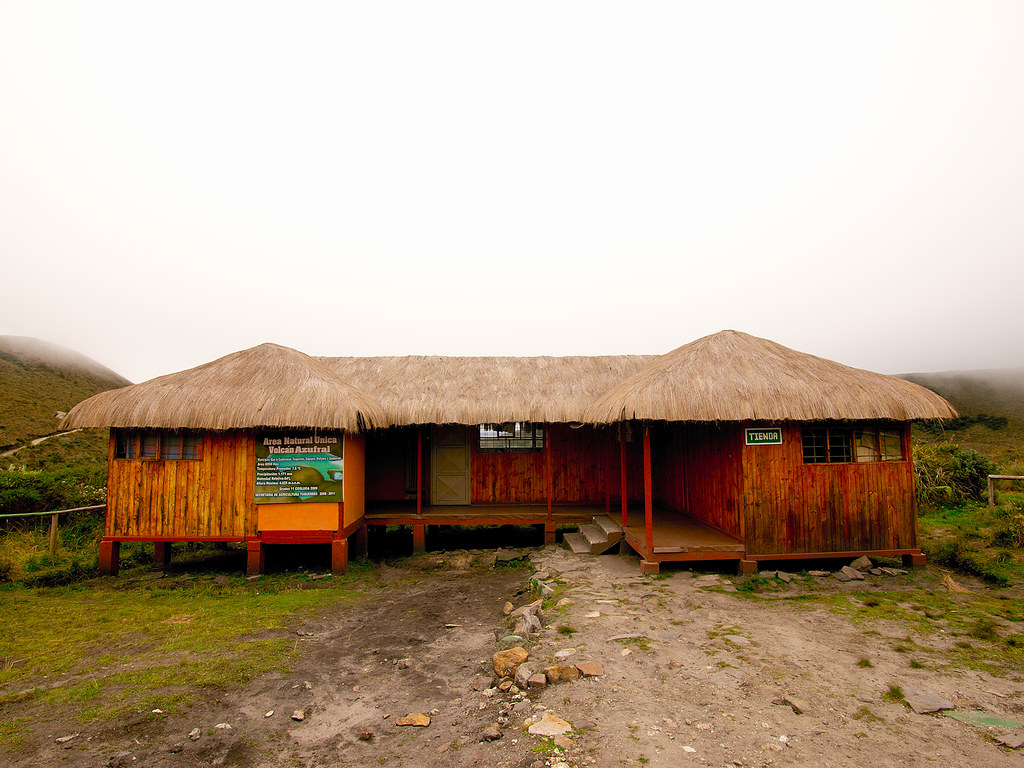
Currently, access to the crater and Laguna Verde is restricted by the indigenous Pasto community to protect the fragile environment. Visitors must obtain authorization through local guides or tour operators who coordinate with community authorities.
Difficulty Assessment
Volcán Azufral presents a moderate trekking challenge. The trail’s length and altitude gain require a reasonable level of fitness and acclimatization to high elevation. The terrain varies from gentle páramo slopes to uneven volcanic rock and sandy crater shores.
Hikers should be prepared for loose footing on ash and pumice, occasional steep sections, and exposure to wind and sun. No technical climbing skills or equipment are necessary, making it accessible to experienced hikers comfortable with altitude.
Altitude sickness is a potential risk given the summit elevation of 4,070 meters. Proper acclimatization, hydration, and pacing are essential to avoid symptoms.
Overall, the trek is classified as a moderate volcano trek suitable for hikers with some mountain experience and good physical condition.
Essential Volcano Trekking Gear
Key gear for hiking Volcán Azufral includes sturdy hiking boots with good grip to navigate loose volcanic rock and ash. Trekking poles are highly recommended for balance and to reduce strain on knees during ascent and descent.
Layered clothing is essential to adapt to temperature fluctuations; include moisture-wicking base layers, insulating mid-layers, and a windproof, waterproof outer shell. A warm hat and gloves are advisable for summit conditions.
Sun protection is critical due to high altitude exposure: sunglasses with UV protection, sunscreen, and a wide-brimmed hat.
A hydration system or water bottles are necessary, as water sources are limited and the dry air increases dehydration risk.
A headlamp is useful for early morning starts or late returns. Additionally, a small first aid kit, snacks, and a map or GPS device enhance safety.
Gas masks or respirators are not typically required, as volcanic gas emissions are minimal and localized.
Safety and Volcanic Hazards
While Volcán Azufral is classified as dormant, hikers should remain aware of potential volcanic hazards. The crater hosts fumaroles emitting sulfurous gases, which can be irritating to eyes and respiratory systems. Avoid prolonged exposure near steam vents and sulfur deposits.
The terrain includes loose volcanic ash and rocks, increasing the risk of slips and falls, especially on steep slopes and near the crater rim. Strong winds at altitude can affect balance and temperature perception.
Altitude sickness is a significant concern at over 4,000 meters elevation. Symptoms include headache, nausea, dizziness, and fatigue. Proper acclimatization and hydration are essential.
The indigenous Pasto community and local authorities monitor the area and have restricted access to protect the environment and visitor safety. Visitors must comply with regulations and guidance from authorized guides.
Emergency services are limited in this remote region; hikers should carry communication devices and inform others of their plans.
Permits, Guides, and Logistics
Access to Volcán Azufral and its iconic Laguna Verde crater lake is currently restricted by the indigenous Pasto community to protect the fragile environment from over-tourism and pollution. Since September 2017, the community has closed the site to unregulated visitors, allowing access only with prior authorization.
Visitors must obtain permission through local tour operators or guides who coordinate with community authorities. This ensures respectful visitation aligned with cultural values and environmental conservation.
Several reputable tour companies operate in the region, including The Colombian Way and TouristSecrets. These operators provide comprehensive day trips from nearby cities such as Pasto, Ipiales, and Rumichaca. Tours typically include transportation from the city to Túquerres, a vehicle transfer to the trailhead, a professional guide experienced in high-altitude trekking, and cultural interpretation.
Permit costs are generally included in tour prices, which range depending on group size and services but typically start around USD 50-70 per person for a guided day trip. Independent trekking without authorization is not permitted.
Logistically, the nearest major airport is Antonio Nariño Airport in Pasto, with domestic connections from Bogotá and Medellín. From Pasto, travelers can take buses or taxis to Túquerres, approximately two hours by road. The road to the trailhead is rough and requires a high-clearance vehicle.
Given the altitude and terrain, tours emphasize acclimatization and safety. Guides carry communication devices and first aid kits. Visitors are advised to book tours in advance and respect all community regulations to support sustainable tourism and preserve this unique volcanic landscape.
Where to Stay Near Volcán Azufral
The primary base for visiting Volcán Azufral is the town of Túquerres, located approximately 15 kilometers from the volcano. Túquerres offers a range of accommodation options catering to trekkers and travelers seeking to explore the Southern Andes.
Options include small hotels, guesthouses, and hostels providing comfortable and affordable lodging. Notable accommodations include locally operated inns and family-run hostels that offer warm hospitality and insight into regional culture.
For travelers seeking more amenities, the city of Pasto, about two hours by road from Túquerres, provides a wider selection of hotels, boutique lodges, and eco-friendly hostels. Pasto also serves as the main transport hub with the nearest airport, Antonio Nariño Airport.
While there are no lodges or campsites directly on the volcano due to environmental protections and community restrictions, some tour operators arrange transportation and day trips from Túquerres or Pasto, allowing visitors to return to comfortable accommodations each evening.
Amenities in Túquerres include local restaurants, markets, and basic services. Visitors should plan accordingly, as the area is rural and infrastructure is limited compared to larger cities.
Booking accommodations in advance is recommended, especially during peak trekking seasons. Staying in Túquerres or Pasto provides convenient access to the trailhead and supports local communities involved in sustainable tourism around Volcán Azufral.