
Trekking Cacao Volcano: Exploring Costa Rica’s Remote Stratovolcano and Crater Lake
Cacao Volcano in Costa Rica’s Alajuela Province offers a challenging and rewarding trek through dense cloud forest to a serene crater lake. This dormant stratovolcano presents a unique hiking experience with rich biodiversity and volcanic landscapes, ideal for adventurous trekkers seeking off-the-beaten-path volcano exploration.
Quick Volcano Snapshot
| Attribute | Value |
|---|---|
| Volcano type | Stratovolcano |
| Elevation | 1,659 meters (5,443 feet) |
| Location | Alajuela Province, Costa Rica |
| Activity status | Dormant |
| Trekking difficulty | Moderate |
| Typical trek duration | 6-8 hours round trip |
| Altitude gain | Approximately 700 meters |
| Terrain type | Dense cloud forest, rocky and slippery trails, volcanic ash and pumice |
| Best season | December to April (dry season) |
| Temperature range | 10°C to 22°C (50°F to 72°F) |
| Permit requirement | Required; permits obtained through Guanacaste National Park authorities |
Introduction: The Experience of Hiking Cacao Volcano
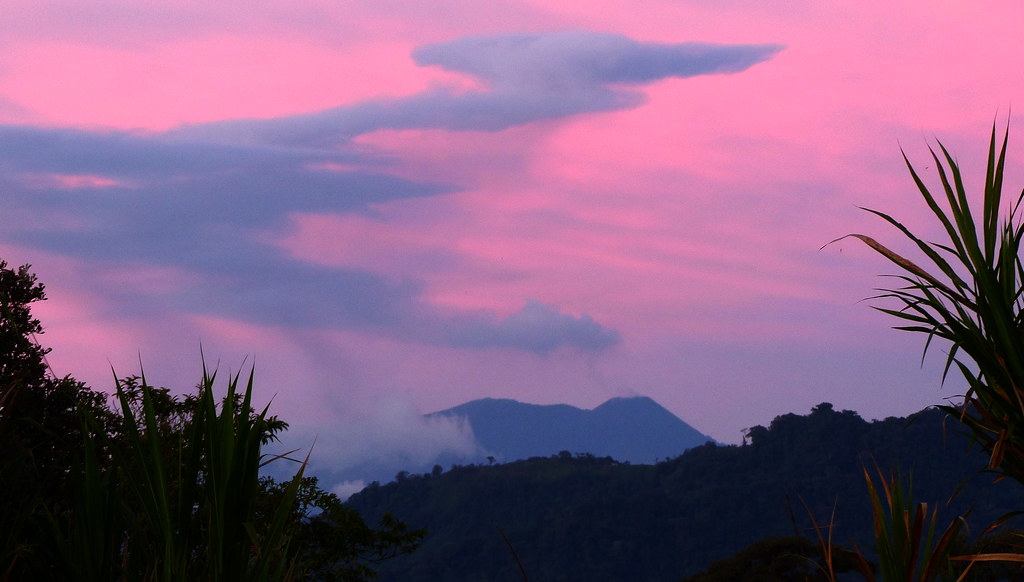
Approaching Cacao Volcano, hikers enter a realm where dense cloud forest envelops the landscape, shrouding the trail in mist and mystery. The air is cool and moist, filled with the scent of rich earth and vibrant foliage. As you ascend, the forest thickens, alive with the calls of endemic birds and the occasional glimpse of monkeys swinging through the canopy. The trail challenges you with slippery rocks and steep inclines, but the reward is a breathtaking crater lake nestled in the volcano’s summit. Standing at the edge, the still waters mirror the sky, surrounded by lush greenery—a serene contrast to the rugged volcanic terrain below. This trek is a journey into a remote and wild corner of Costa Rica, where nature’s power and beauty converge.
The Volcano Itself: Geological Background
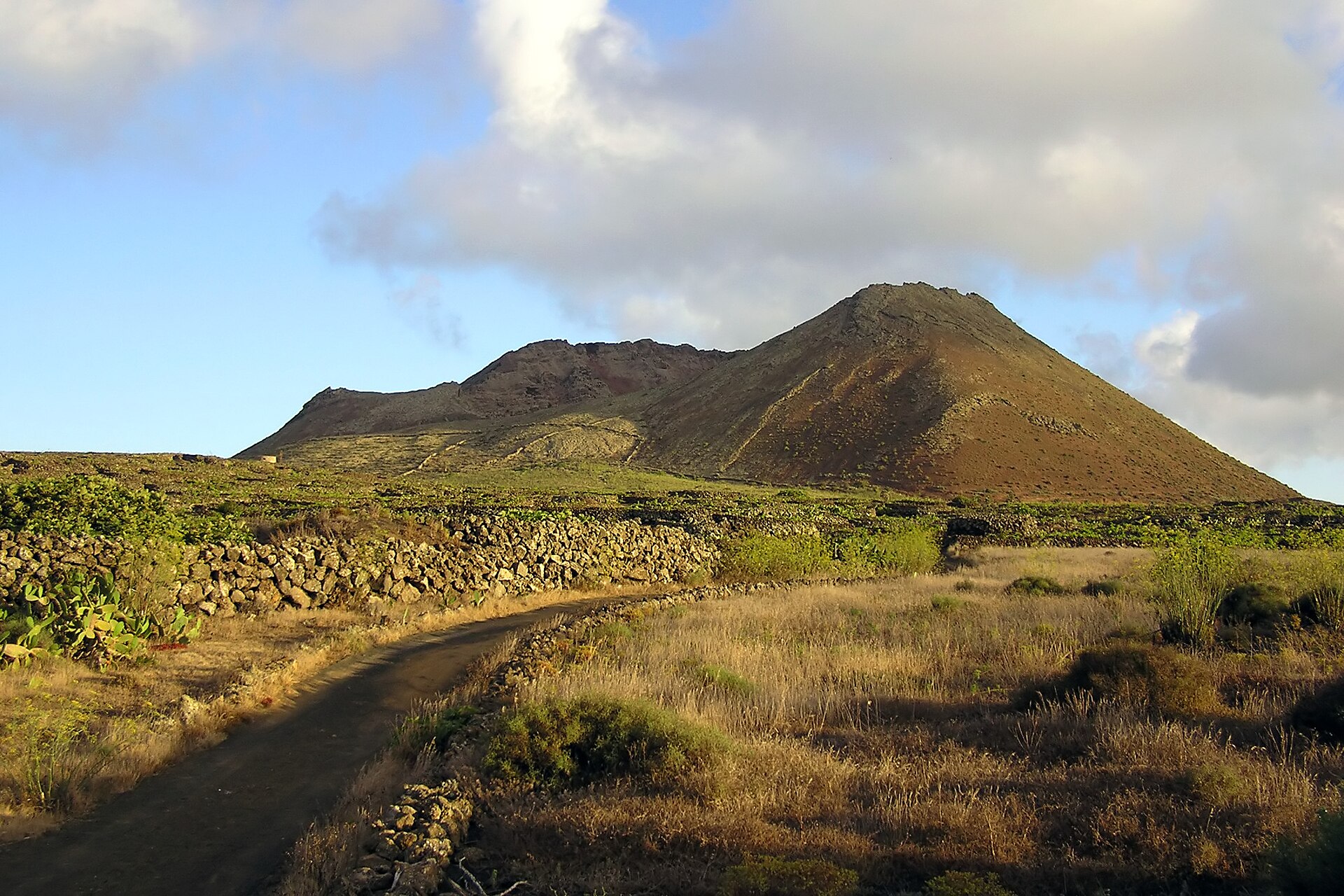
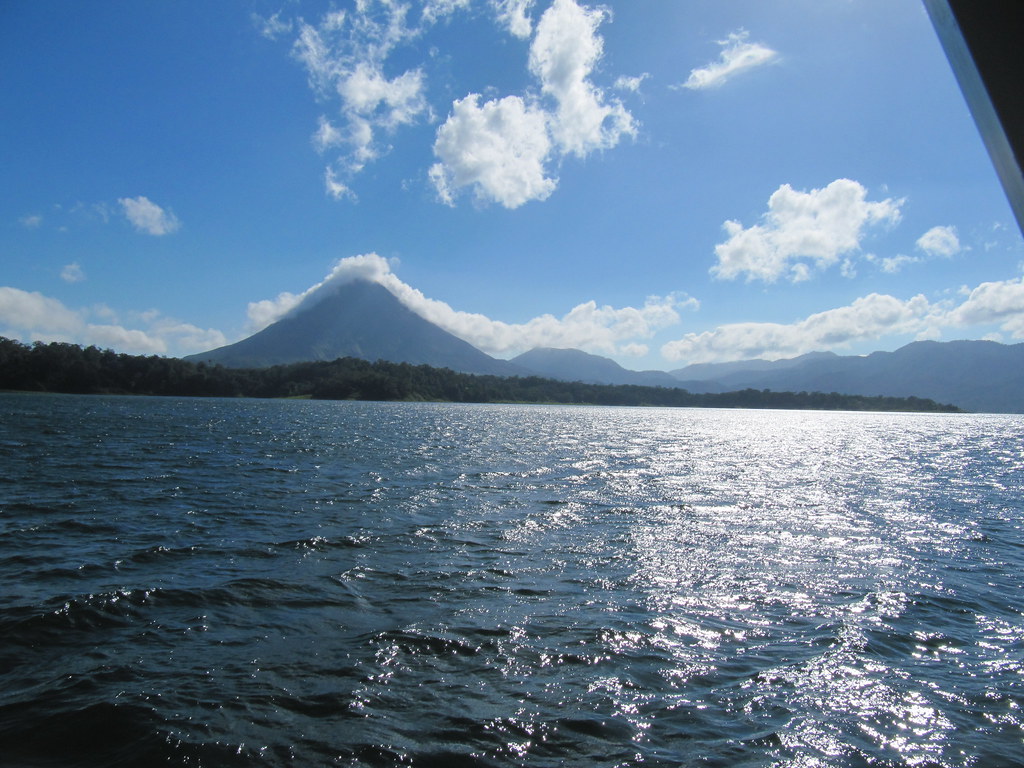
Cacao Volcano is a stratovolcano located in Costa Rica’s Alajuela Province, part of the Guanacaste volcanic range. Formed through successive layers of hardened lava, tephra, and volcanic ash, it exhibits the classic conical shape characteristic of stratovolcanoes. Its formation dates back hundreds of thousands of years, shaped by tectonic activity along the Central American volcanic arc. Although currently dormant, Cacao’s volcanic past is evident in its rugged slopes and the presence of a crater lake at its summit, formed by accumulated rainwater in the volcanic depression. The surrounding cloud forest thrives on the mineral-rich volcanic soils, supporting diverse flora and fauna. Fumaroles and sulfur deposits are minimal here, reflecting its dormant status, but the volcano remains a significant geological feature in the region, offering insights into volcanic processes and ecosystem succession.
The Volcano Trek: Terrain and Hiking Experience
The trek to Cacao Volcano is an immersive experience through one of Costa Rica’s most lush and remote cloud forests. The trailhead begins at the Pedregal station within Guanacaste National Park, where the path immediately ascends through dense vegetation. Hikers encounter a variety of terrain types, including steep, rocky sections that require careful footing, especially after rainfall when the trail becomes slippery with mud and wet volcanic rock. The forest canopy thickens as you climb, creating a humid microclimate that supports mosses, orchids, and towering trees draped in epiphytes. Wildlife is abundant; trekkers may spot howler monkeys, pumas, and a rich array of bird species endemic to the region. The trail’s elevation gain of approximately 700 meters challenges moderate-level hikers, demanding good physical fitness and steady pacing. Near the summit, the terrain opens to volcanic ash and pumice slopes, where footing can be loose and unstable, requiring trekking poles for balance. The final approach to the crater lake is marked by a serene clearing, offering a peaceful respite and spectacular views of the surrounding highlands. Weather conditions can change rapidly, with cool temperatures and occasional mist or rain, so layered clothing and waterproof gear are essential. Overall, the hike combines the thrill of navigating volcanic landscapes with the tranquility of untouched cloud forest, making it a rewarding adventure for those prepared to meet its challenges.
What Makes This Volcano Trek Unique
Cacao Volcano stands out for its remote location and the dense cloud forest that cloaks its slopes, creating a rare blend of volcanic and rainforest ecosystems. Unlike more frequented Costa Rican volcanoes, Cacao offers solitude and an intimate connection with nature, far from crowded trails. The presence of a crater lake at the summit adds a mystical element, reflecting the sky and surrounded by verdant forest, a striking contrast to the barren lava fields typical of many volcanoes. The biodiversity along the trail is exceptional, with opportunities to observe elusive wildlife such as pumas and endemic bird species. This trek also serves as a biological corridor linking highland and Pacific coast habitats, highlighting its ecological importance. The combination of challenging terrain, rich natural history, and the serene crater lake experience makes Cacao Volcano a distinctive destination for adventurous trekkers and geology enthusiasts alike.
The Summit and Crater Experience
Reaching the summit of Cacao Volcano is a moment of profound awe. The crater lake lies quietly at the center, its glassy surface reflecting the shifting clouds above. The air here is crisp and carries the faint, earthy scent of wet vegetation and volcanic soil. Around the lake, the crater rim rises steeply, offering panoramic views of the surrounding cloud forest and distant mountain ranges. The silence is punctuated only by the calls of birds and the rustle of leaves in the breeze. Unlike active volcanoes, there is no sulfurous smell or fumarolic activity, but the sense of standing atop a powerful geological formation remains palpable. The crater’s calm waters invite reflection on the volcano’s dormant state and the dynamic forces that shaped this landscape. This summit experience is both humbling and exhilarating, rewarding hikers with a rare glimpse into Costa Rica’s volcanic heart.
Best Time to Trek Cacao Volcano
The optimal time to hike Cacao Volcano is during Costa Rica’s dry season, from December to April. During these months, trails are less slippery, and weather conditions are generally stable, providing clearer views and safer footing. The dry season also reduces the likelihood of encountering heavy cloud cover or persistent rain, which can obscure the crater lake and make the ascent more challenging. Trekking outside this window, particularly in the rainy season from May to November, increases the risk of muddy trails, slippery rocks, and sudden weather changes. Early morning starts are recommended to avoid afternoon showers and to enjoy cooler temperatures. It is advisable to check local weather forecasts and park advisories before planning your trek, as conditions can vary with altitude and season.
Trekking Routes and Trail Options
The primary route to Cacao Volcano begins at the Pedregal station within Guanacaste National Park. This trail is the most established and commonly used path, offering a direct ascent through dense cloud forest. The trail is approximately 8 to 10 kilometers round trip, with an elevation gain of about 700 meters, typically requiring 6 to 8 hours to complete depending on fitness and pace. The path is moderately challenging, featuring rocky and slippery sections, especially after rain. There are no alternative routes officially maintained, making this the main option for trekkers. Guided tours are available through local operators such as Cacao Trails Bole, who provide knowledgeable guides familiar with the terrain, flora, and fauna. Self-guided trekking is possible but requires good navigation skills and preparation due to the remote and rugged nature of the trail. There are no established campsites along the route, so the trek is generally completed as a day hike. Hikers should plan accordingly, carrying sufficient water, food, and safety gear.
Difficulty Assessment
Cacao Volcano presents a moderate volcano trek suitable for hikers with a reasonable level of fitness and some prior hiking experience. The trail’s steep ascents, rocky and slippery terrain, and variable weather conditions contribute to its challenge. While technical climbing skills are not required, the loose volcanic ash and pumice near the summit demand careful footing and the use of trekking poles is recommended. Altitude is moderate, peaking at around 1,659 meters, which may cause mild effects for some hikers but generally does not require acclimatization. The dense cloud forest environment adds humidity and occasional rain, increasing the physical demands of the hike. Overall, this trek is best suited for adventurous hikers prepared for a full day of sustained effort in a remote natural setting.
Essential Volcano Trekking Gear
For trekking Cacao Volcano, essential gear includes sturdy hiking boots with good grip to navigate rocky and slippery terrain. Trekking poles are highly recommended to aid balance on loose volcanic ash and steep sections. Waterproof and breathable clothing layers are necessary to adapt to changing weather, including a rain jacket and moisture-wicking base layers. A hat and sunscreen provide protection from sun exposure during breaks. Carrying a hydration system or water bottles with at least 2-3 liters of water is crucial, as there are no water sources along the trail. A headlamp or flashlight is advisable for early starts or unexpected delays. Additionally, a basic first aid kit, insect repellent, and a map or GPS device enhance safety. Given the remote location, packing high-energy snacks and emergency supplies is prudent.
Safety and Volcanic Hazards
Cacao Volcano is dormant, presenting minimal volcanic hazards such as eruptions or toxic gas emissions. However, safety concerns arise from the challenging terrain and environmental conditions. The trail’s rocky and slippery surfaces increase the risk of falls and injuries, especially during or after rain. Dense cloud forest can reduce visibility and make navigation difficult for unprepared hikers. Sudden weather changes, including fog and rain, are common and can lead to hypothermia if hikers are inadequately equipped. Wildlife encounters, while generally non-threatening, require caution and respect for local fauna. It is essential to hike with a guide or inform local authorities of your plans. Emergency response in this remote area may be delayed, so self-sufficiency and preparedness are vital. Visitors should adhere to park regulations and avoid venturing off marked trails to minimize risks.
Permits, Guides, and Logistics
Access to Cacao Volcano requires a permit obtained through Guanacaste National Park authorities, ensuring the protection of this sensitive ecological area. Permits can be arranged in advance via the park’s official channels or through local tour operators. The permit cost is modest, typically ranging from $10 to $20 USD per person, contributing to conservation efforts. Guided tours are highly recommended for safety and enriched experience; operators such as Cacao Trails Bole offer expert guides fluent in English and Spanish who provide insights into the volcano’s geology, flora, and fauna. These tours often include transportation from nearby towns, equipment rental, and logistical support. Self-guided trekking is possible but requires thorough preparation, including navigation skills and carrying sufficient supplies. The trailhead is accessible by road from Liberia, approximately a 1.5-hour drive, with local transportation options available. Due to the remote location, it is advisable to arrange transport and accommodations in advance. Weather conditions and park regulations may affect access, so checking current information before the trek is essential.
Where to Stay Near Cacao Volcano
Accommodations near Cacao Volcano are primarily located in the towns surrounding Guanacaste National Park, with Liberia serving as the main gateway city approximately 35 kilometers away. For a nature-immersive experience, eco-lodges and small guesthouses in the nearby communities offer comfortable stays with local charm. Options include the Mei Tai Cacao Lodge, which provides rustic accommodations amidst lush gardens and offers a peaceful base for exploring the volcano. In Liberia, travelers can find a range of hotels from budget to mid-range, such as Hotel Boyeros and Hilton Garden Inn Liberia Airport, offering modern amenities and easy access to transportation. For those seeking luxury and additional activities, The Springs Resort & Spa near Arenal Volcano, though farther away, provides upscale lodging with hot springs and adventure tours. It is advisable to book accommodations in advance, especially during the dry season. Many lodges and hotels can assist with arranging guided tours and transportation to the trailhead, enhancing convenience for trekkers.