
Hiking Miravalles Volcano: A Complete Trekking Guide to Costa Rica’s Geothermal Giant
Discover the adventure of hiking Miravalles Volcano in Costa Rica’s Guanacaste Province. This dormant stratovolcano offers a moderate trek through lush cloud forests, geothermal fields, and stunning crater views. Explore natural hot springs, volcanic mud baths, and waterfalls while immersing yourself in one of Costa Rica’s least visited volcanic landscapes.
Quick Volcano Snapshot
| Attribute | Value |
|---|---|
| Volcano type | Stratovolcano |
| Elevation | 2028 m (6654 ft) |
| Location | Guanacaste Province, Costa Rica |
| Activity status | Dormant |
| Trekking difficulty | Moderate |
| Typical trek duration | 6-8 hours round trip |
| Altitude gain | 1350 m |
| Terrain type | Cloud forest, volcanic rock, geothermal fields, pastures |
| Best season | December to April (dry season) |
| Temperature range | 15°C to 28°C (59°F to 82°F) |
| Permit requirement | Entry fee required; guided tours recommended |
Introduction: The Experience of Hiking Miravalles Volcano
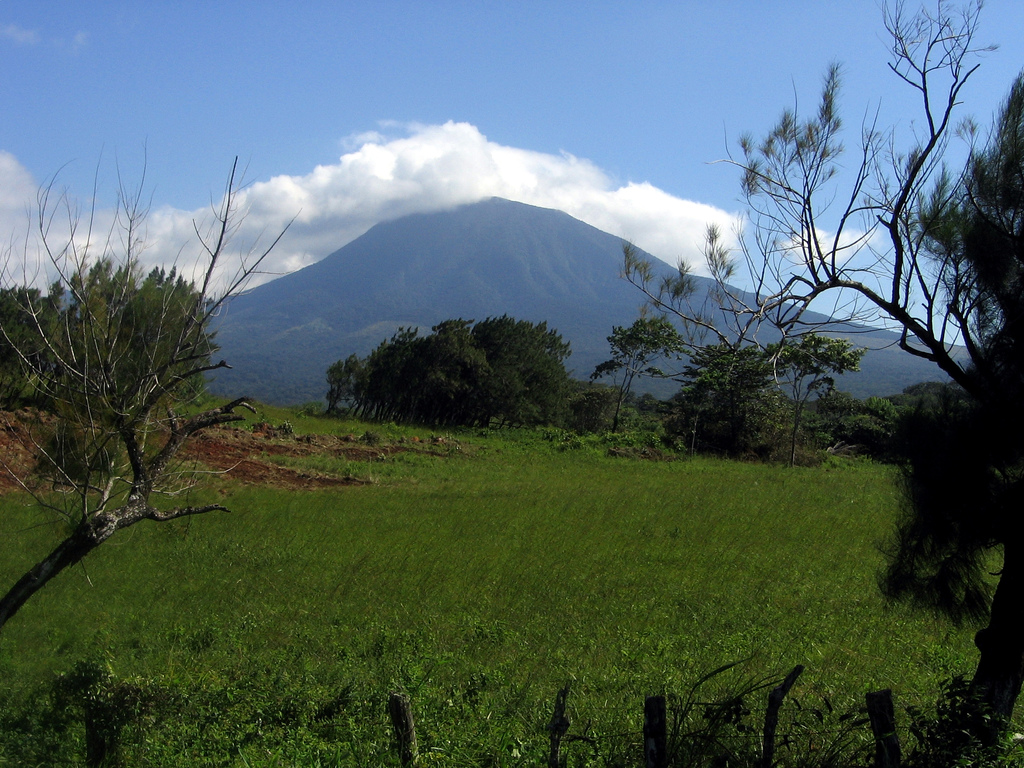
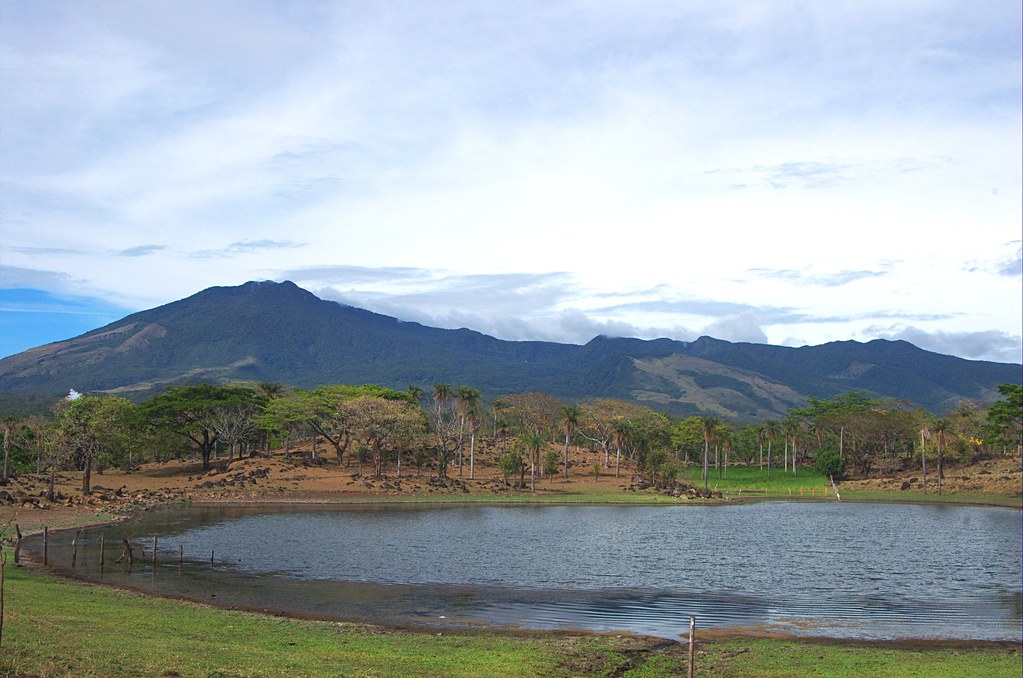
Approaching Miravalles Volcano, you are greeted by a towering, cone-shaped giant rising above the Guanacaste landscape. The trek begins in open pastures, gradually ascending into dense cloud forest where the air grows cooler and the vegetation thickens. The contrast between the lush greenery and the barren volcanic terrain creates a dramatic backdrop. As you climb, the scent of earth and sulfur hints at the geothermal forces beneath your feet. Reaching the summit, the panorama unfolds to reveal distant views of the Pacific Ocean and Lake Nicaragua. The partially obscured crater, with its fumaroles and steam vents, offers a humbling glimpse into the volcano’s dormant power. This hike is a journey through nature’s raw energy and serene beauty.
The Volcano Itself: Geological Background
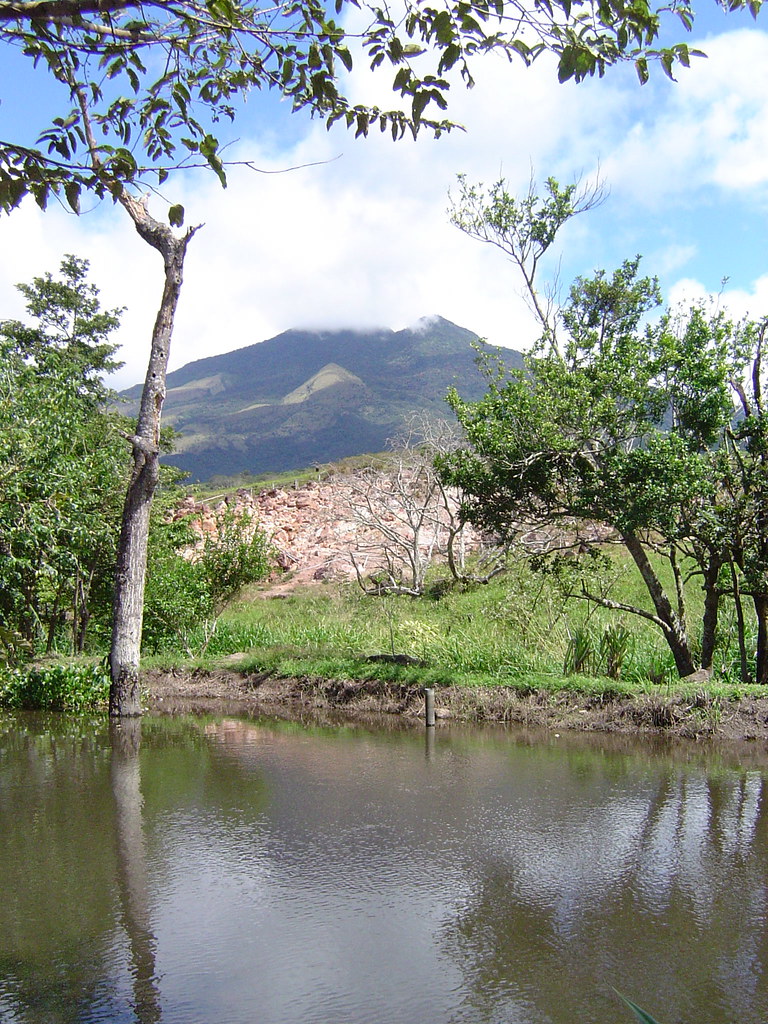
Miravalles Volcano is an andesitic stratovolcano formed by successive eruptions between 6 and 1.5 million years ago. Its complex structure includes up to six craters aligned in a northeast-southeast direction, with the highest peak reaching 2028 meters above sea level. The volcano’s last recorded activity was a minor steam explosion in 1946, classifying it as dormant. Beneath the surface, intense geothermal activity fuels Costa Rica’s largest geothermal power plant, tapping steam and heat from deep magma chambers. The volcanic landscape features fumaroles, sulfur deposits, and bubbling mud pots, revealing the ongoing subterranean forces. The surrounding Miravalles Forest Reserve protects a diverse ecosystem thriving on volcanic soils, making this region both geologically and biologically significant.
The Volcano Trek: Terrain and Hiking Experience
The hike to Miravalles Volcano’s summit is a rewarding challenge that immerses trekkers in a variety of terrains and ecosystems. The trail begins in open cow pastures, where the ground is relatively flat but scattered with stones and occasional fences to cross. Early on, hikers enjoy expansive views of the valley and distant ocean, setting the tone for the scenic journey ahead. As the path steepens, it enters dense cloud forest, where the canopy filters sunlight and muffles the sounds of the outside world. The forest floor is often damp and covered with leaf litter, roots, and occasional slippery rocks, requiring careful footing. The trail is not always well-marked, making a local guide invaluable for navigation and safety. The ascent involves steep sections that test endurance, with altitude gain reaching approximately 1350 meters. Along the way, hikers encounter a rich diversity of flora, including ancient vines, bromeliads, and colorful succulents near the summit. Wildlife sightings may include tropical birds, butterflies, and the occasional monkey. Near the summit, the terrain becomes rockier with volcanic stones and patches of loose pumice, demanding sure-footedness and steady pace. The crater rim is partially concealed by vegetation, but offers dramatic drops and geothermal features such as fumaroles emitting steam and sulfurous gases. Wind conditions can be brisk at higher elevations, and temperatures vary notably from the warm base to cooler summit. Overall, the trek combines physical challenge with immersive natural beauty, rewarding hikers with spectacular views and a profound connection to the volcanic landscape.
What Makes This Volcano Trek Unique
Miravalles Volcano stands out for its combination of geothermal wonders and relatively untouched natural environment. Unlike more frequented Costa Rican volcanoes, Miravalles offers a quieter, less commercialized experience. The presence of active fumaroles, bubbling mud pots, and sulfur vents near the crater provides a rare opportunity to witness volcanic activity up close without the crowds. The surrounding hot springs and volcanic mud baths add a wellness dimension to the adventure, allowing visitors to relax in mineral-rich thermal waters after the hike. Additionally, the volcano’s location within a tropical dry forest ecosystem supports diverse wildlife and plant species, enriching the trek with ecological interest. Adventure seekers can also enjoy complementary activities nearby, such as mountain biking, ziplining, and river tubing, making Miravalles a versatile destination for nature lovers and thrill-seekers alike.
The Summit and Crater Experience
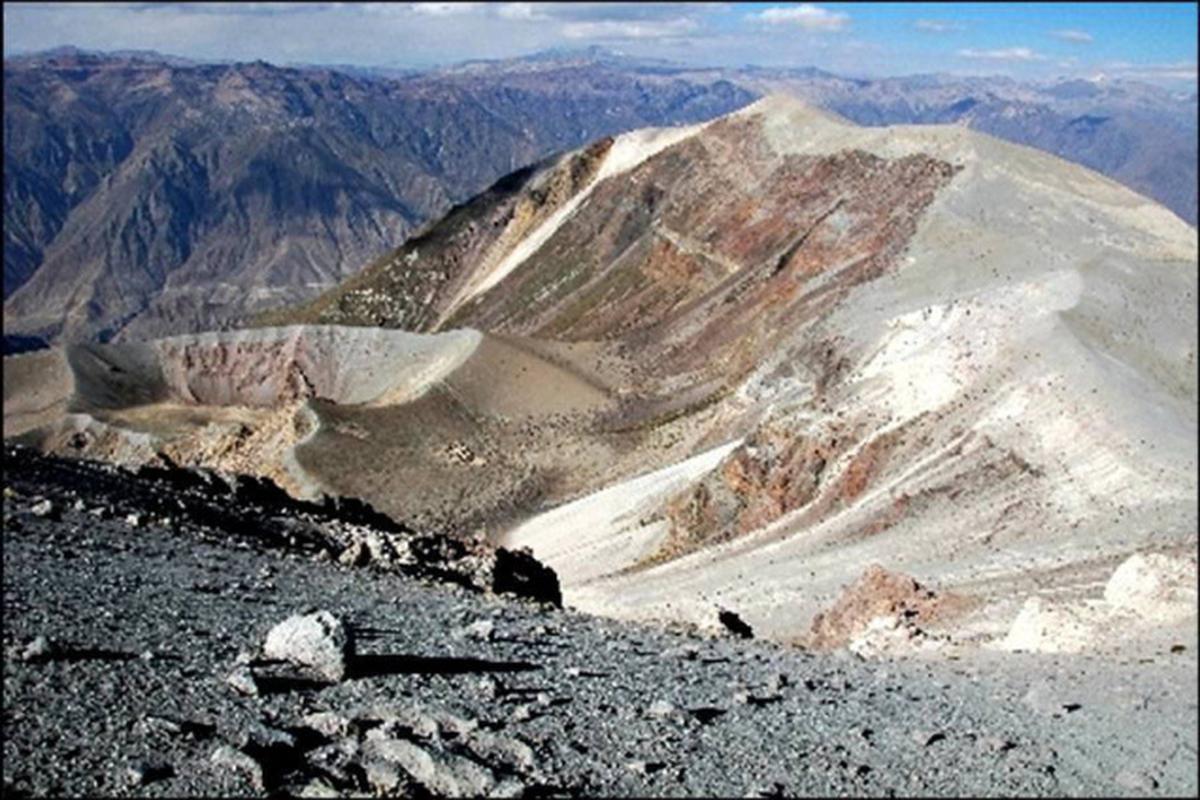
Reaching the summit of Miravalles Volcano is a moment of awe and reflection. The crater area, though partially hidden by dense vegetation, reveals steaming fumaroles and sulfur vents that hiss softly, releasing the Earth’s inner heat. The air carries a distinct sulfuric tang, and the ground beneath your feet vibrates subtly with geothermal energy. From the rim, panoramic views stretch across the Guanacaste region, with glimpses of the Pacific Ocean and Lake Nicaragua on clear days. The contrast between the vibrant green forests below and the stark volcanic terrain at the top creates a dramatic visual spectacle. The summit’s unique combination of natural beauty and raw volcanic power leaves a lasting impression on all who reach it.
Best Time to Trek Miravalles Volcano
The optimal time to hike Miravalles Volcano is during Costa Rica’s dry season, from December to April. During these months, trails are less muddy and weather conditions are more stable, providing safer and more comfortable trekking. The dry season also offers clearer skies, enhancing summit views and photography opportunities. The rainy season, spanning May to November, brings frequent showers that can make trails slippery and increase the risk of landslides or flooding. Additionally, some roads leading to the volcano may become challenging to navigate during heavy rains. Early morning starts are recommended to avoid afternoon heat and potential thunderstorms. While volcanic activity is dormant, hikers should remain aware of weather changes and check local advisories before planning their trip.
Trekking Routes and Trail Options
The primary route to Miravalles Volcano’s summit begins near the village of Guayabo, at the house of local guide Freddy Soto, who often serves as a trailhead point. This out-and-back trail covers approximately 13 kilometers with an elevation gain of about 1350 meters, typically requiring 6 to 8 hours to complete. The path initially crosses open pastures, then ascends steeply into dense cloud forest, culminating at the volcanic crater near 2028 meters elevation. The trail is moderately challenging, with some steep and uneven sections, and is not always clearly marked, making guided hikes strongly recommended. Alternative access points include routes from Bagaces or Bijagua, though these are less commonly used and may require local permissions. Several private reserves and hotels in the area, such as Rio Perdido Resort and Las Hornillas Hot Springs, offer shorter hiking trails that explore geothermal features and waterfalls on the volcano’s slopes. These options provide less strenuous experiences suitable for visitors seeking to enjoy the volcanic environment without the full summit ascent. Guided tours often combine crater hikes with visits to hot springs, mud baths, and hanging bridges, offering a comprehensive exploration of Miravalles’ natural attractions.
Difficulty Assessment
Miravalles Volcano presents a moderate trekking challenge suitable for hikers with a reasonable level of fitness. The trail’s length and elevation gain require endurance and steady pacing, especially on steep forested sections and rocky volcanic terrain near the summit. The path’s uneven surface and occasional loose stones demand good balance and sturdy footwear. Altitude is moderate, peaking at just over 2000 meters, so altitude sickness is uncommon but possible for sensitive individuals. The hike does not require technical climbing skills or specialized equipment, making it accessible to experienced hikers and adventurous beginners with proper preparation. Weather conditions, such as rain and wind, can increase difficulty, so hikers should be prepared for variable trail conditions. Overall, Miravalles is classified as a moderate volcano trek.
Essential Volcano Trekking Gear
For a safe and comfortable hike on Miravalles Volcano, essential gear includes sturdy hiking boots with good grip to handle rocky and slippery terrain. Trekking poles are recommended to assist with balance on steep ascents and descents. Lightweight, moisture-wicking clothing suitable for tropical climates is ideal, along with a waterproof jacket for sudden rain showers. A wide-brimmed hat and sunscreen provide protection from sun exposure in open pasture areas. Carry sufficient water and snacks to maintain energy levels during the 6-8 hour trek. A headlamp is useful if starting early or finishing late. Due to the presence of volcanic gases near fumaroles, sensitive hikers may consider a lightweight respirator or mask. Insect repellent is advised for forested sections. Finally, a small first aid kit and a map or GPS device enhance safety on the less-marked trails.
Safety and Volcanic Hazards
While Miravalles Volcano is classified as dormant, the area exhibits active geothermal phenomena such as fumaroles, sulfur vents, and hot mud pots, which pose localized hazards. Hikers should avoid direct contact with steam vents and unstable ground near geothermal features to prevent burns or injuries. The trail’s steep and uneven terrain increases the risk of slips and falls, especially during or after rain. Dense cloud forest sections may reduce visibility and make navigation challenging; thus, hiring a local guide is strongly recommended. Venomous snakes inhabit the region, so caution is advised when walking through dense vegetation or near rocks. Weather can change rapidly, with sudden rainstorms and strong winds at higher elevations. Visitors should monitor volcanic activity reports from Costa Rica’s national geological agencies and adhere to any park regulations or closures. Emergency services are limited in remote areas, so preparedness and communication plans are essential.
Permits, Guides, and Logistics
Access to Miravalles Volcano requires an entry fee to the Miravalles Forest Reserve, which helps support conservation efforts. While no formal permit system is strictly enforced, guided hikes are highly recommended due to the trail’s challenging navigation and presence of wildlife hazards such as snakes. Several reputable local tour operators specialize in Miravalles Volcano excursions, including Green Tours CR, CR Adventure Thrills, Special Places of Costa Rica, and CR Wild Fun. These companies offer full-day tours combining crater hikes with visits to geothermal hot springs, volcanic mud baths, waterfalls, and hanging bridges. Tours typically include transportation from popular Guanacaste destinations, bilingual certified guides, park entrance fees, and traditional Costa Rican meals. Booking in advance is advised, especially during the dry season. Visitors arriving independently should rent a car with high clearance for gravel roads, as public transport options are limited and the area lacks a centralized town. The nearest major airport is Liberia International Airport, approximately 40 kilometers away. Accommodation options are spread out, making private transport or shuttle services necessary. Visitors should prepare for limited cellular coverage and bring sufficient supplies. Overall, guided tours provide the safest and most convenient way to experience Miravalles Volcano’s unique natural offerings.
Where to Stay Near Miravalles Volcano
Accommodation options near Miravalles Volcano range from rustic lodges to luxury ecolodges, catering to diverse traveler preferences. The Rio Perdido Hotel and Thermal River is a standout choice, offering comfortable rooms, extensive hiking trails, mountain biking, ziplining, and access to natural hot springs on its expansive property. Located approximately 20 minutes from the volcano, it combines adventure with relaxation. Las Hornillas Hot Springs provides lodging with direct access to thermal pools and waterfalls, ideal for visitors seeking wellness experiences. For travelers on a budget or those desiring a more authentic local atmosphere, small guesthouses and cabins are available in nearby towns such as Bagaces and Guayabo village, where local hosts offer hospitality and home-cooked meals. Origins Luxury Lodges, situated between Miravalles and Tenorio volcanoes, provide upscale accommodations with easy access to multiple natural attractions. Due to the dispersed nature of settlements around Miravalles, renting a car or arranging shuttle transport is essential for reaching trailheads and amenities. Most lodgings offer guided tour bookings and transportation services. Staying for at least two nights is recommended to fully explore the volcano and surrounding geothermal features while enjoying the region’s natural beauty and tranquility.