
Hiking Pacaya Volcano: Guatemala’s Active Lava Trekking Adventure
Explore the thrilling Pacaya Volcano hike in Guatemala, an active complex stratovolcano offering accessible trails, stunning volcanic landscapes, and unique experiences like roasting marshmallows on geothermal heat. This guide covers geology, trekking routes, safety, permits, accommodations, and expert tips for an unforgettable volcano adventure.
Quick Volcano Snapshot
| Attribute | Value |
|---|---|
| Volcano type | Complex stratovolcano |
| Elevation | 2,552 meters (8,373 feet) |
| Location | South-Central Guatemala, near Antigua Guatemala |
| Activity status | Active |
| Trekking difficulty | Moderate |
| Typical trek duration | 2 to 3 hours round trip |
| Altitude gain | Approximately 457 meters (1,500 feet) |
| Terrain type | Volcanic ash slopes, lava fields, rocky trails |
| Best season | Dry season (November to April) |
| Temperature range | 10°C to 25°C (50°F to 77°F) |
| Permit requirement | Mandatory guide and park entrance fee |
The Experience of Hiking Pacaya Volcano
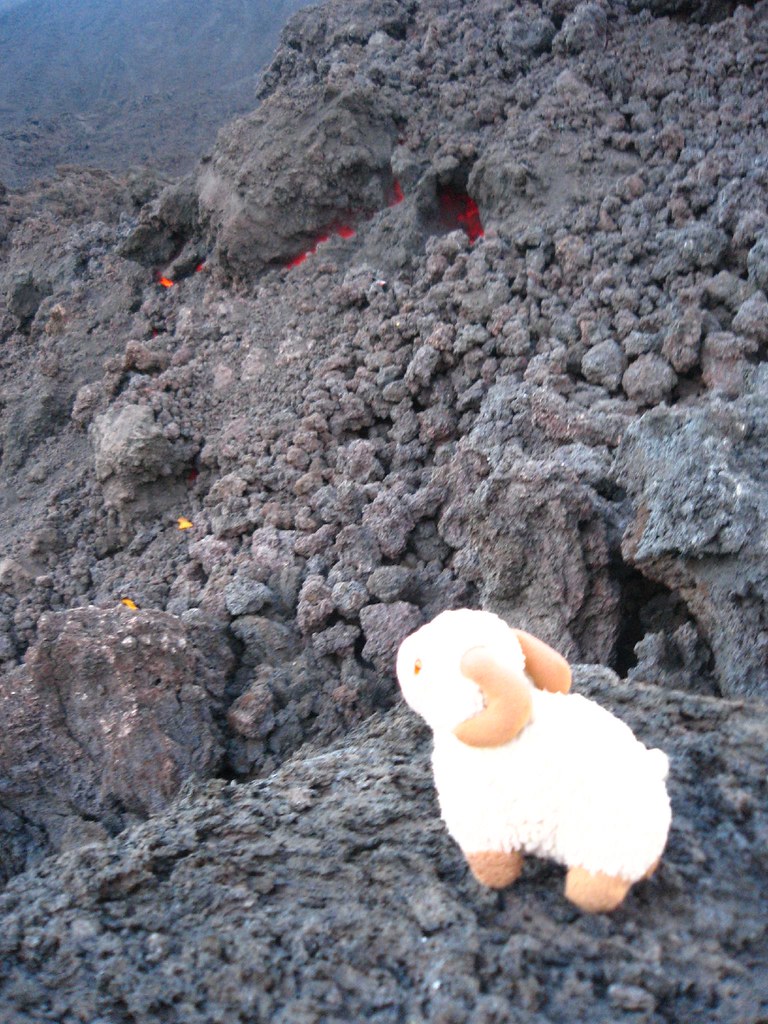
Approaching Pacaya Volcano, the landscape transforms into a dramatic volcanic terrain marked by black lava fields and steaming vents. The air carries a faint sulfur scent, hinting at the geological power beneath your feet. As you ascend, the contrast between the barren volcanic slopes and the lush valleys below creates a breathtaking panorama. The hike culminates near the active crater, where the earth’s heat warms the air and the ground, offering a rare chance to toast marshmallows on natural geothermal vents. The emotional thrill of standing close to an active volcano, feeling the pulse of the planet, is unmatched and leaves a lasting impression on every trekker.
Geological Background of Pacaya Volcano
Pacaya is a complex stratovolcano formed by layers of lava, ash, and volcanic debris accumulated over thousands of years. It is part of the Central American Volcanic Arc, shaped by tectonic activity along the Pacific Ring of Fire. The volcano rises to 2,552 meters and features multiple craters surrounding its summit. Its formation began approximately 23,000 years ago, with frequent eruptions shaping its steep slopes and rugged terrain. Notable eruptions in recent history include those in 1998, 2010, and a significant eruption in 2021 that produced lava flows extending over 2.4 miles. The volcano’s surface is marked by petrified lava rivers, fumaroles emitting steam and sulfur gases, and deposits of volcanic minerals. These dynamic geological features make Pacaya a living laboratory of volcanic activity.
Terrain and Hiking Experience on Pacaya Volcano
The Pacaya Volcano hike offers a diverse and engaging terrain that challenges and rewards trekkers with every step. The trail begins near the village of San Francisco de Sales, starting on cobblestone paths that quickly transition into compact dirt trails. As you ascend, the terrain becomes steeper, with volcanic ash slopes that require careful footing. The loose pumice and gravel can make the climb slippery, especially on the descent, so trekking poles or rented walking sticks are highly recommended for stability.
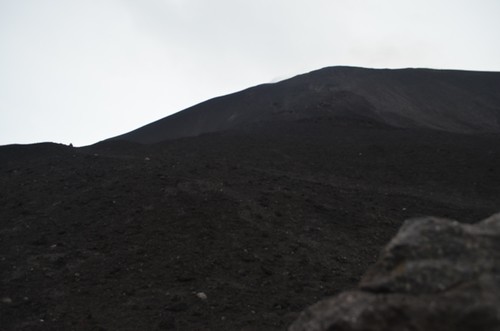
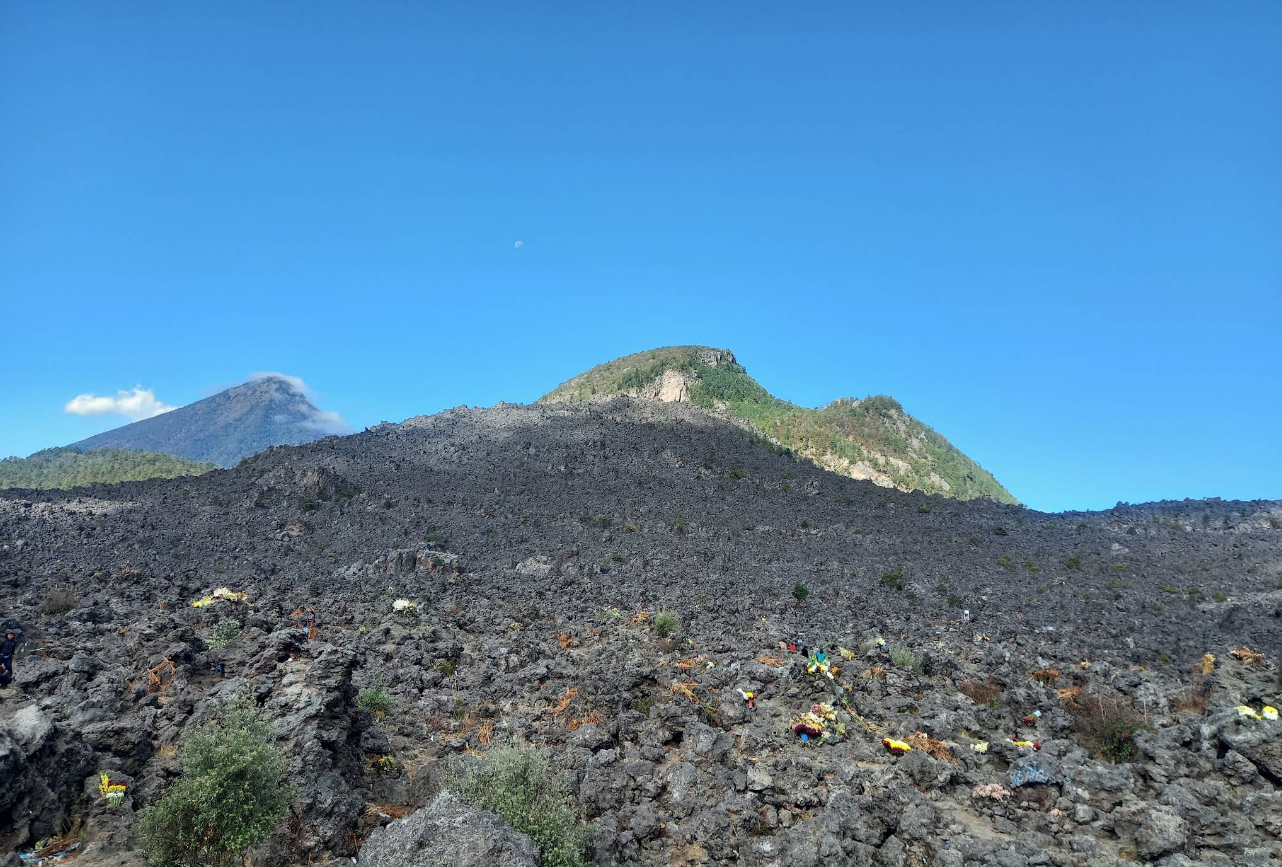
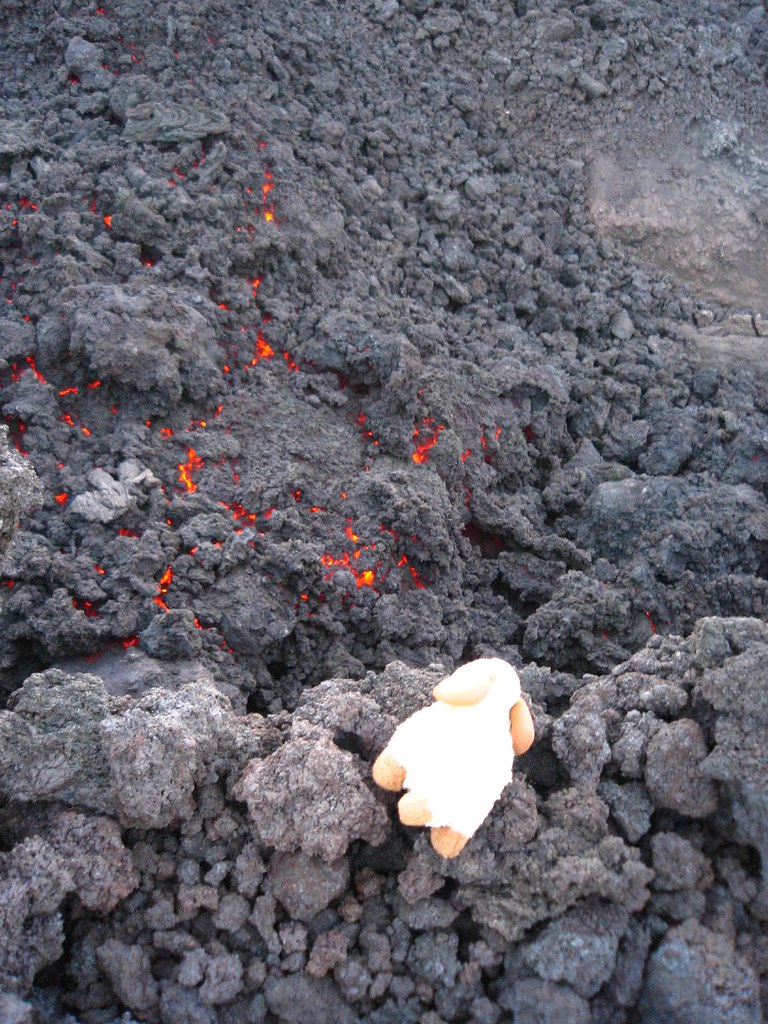
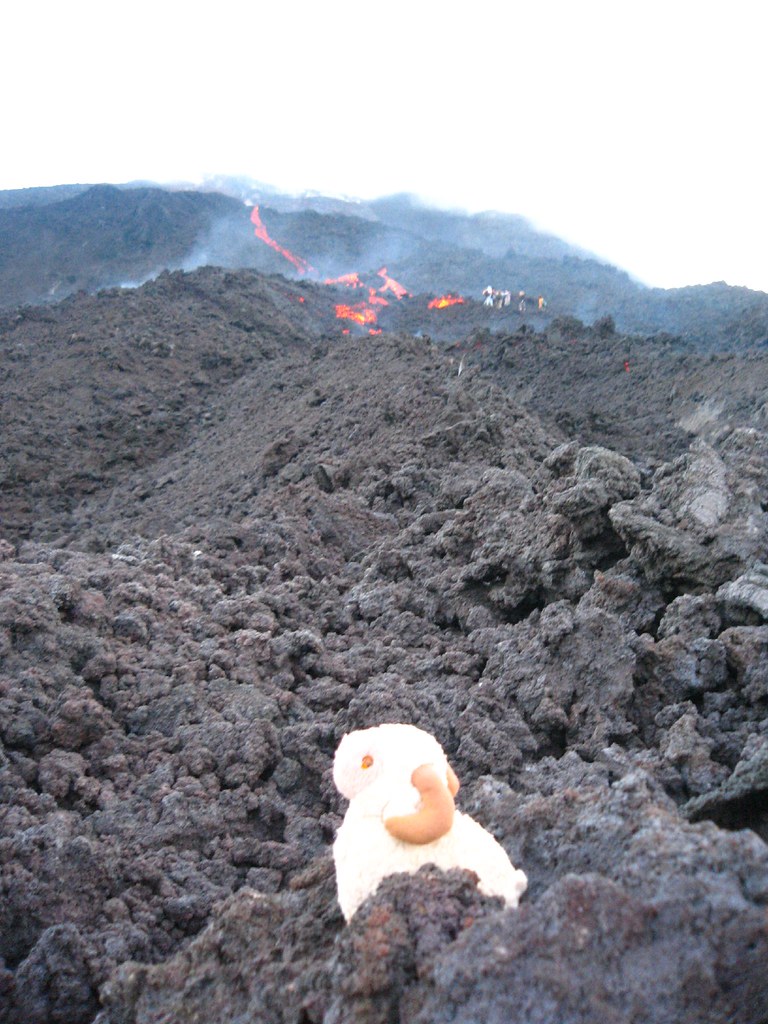
Midway through the hike, hikers traverse expansive lava fields composed of jagged volcanic rock and hardened lava flows from recent eruptions. These fields create a surreal landscape of black, cracked surfaces interspersed with steam vents where geothermal heat escapes. Navigating this terrain demands attention and agility, as the uneven surfaces can be tough on ankles and knees.
The altitude gain of approximately 457 meters (1,500 feet) introduces mild effects of thinner air, which can cause breathlessness and fatigue, particularly for those not acclimated. Frequent rest breaks are common and advisable to maintain energy levels. The wind near the summit can be brisk and cooling, contrasting with the warmth radiating from the volcanic ground.
Temperature shifts are notable; mornings start cool, but the exertion of climbing and exposure to the sun on barren slopes can raise body temperature quickly. Sun protection is essential due to the lack of shade.
The trail is well-marked and maintained, but the presence of multiple tour groups can create crowded sections, especially near popular viewpoints. Local guides lead groups to ensure safety and provide insights into the volcanic features.
Overall, the hike balances moderate physical challenge with the thrill of exploring an active volcanic landscape. The combination of steep ash slopes, rugged lava fields, and geothermal activity creates a unique trekking experience that is both adventurous and accessible to hikers with reasonable fitness.
What Makes the Pacaya Volcano Trek Unique
Pacaya Volcano stands out for its accessibility combined with active volcanic phenomena. Unlike many volcano hikes that require multi-day expeditions, Pacaya offers a relatively short trek with the chance to witness real volcanic activity. The opportunity to walk across fresh lava fields and observe steam vents up close is rare and thrilling.
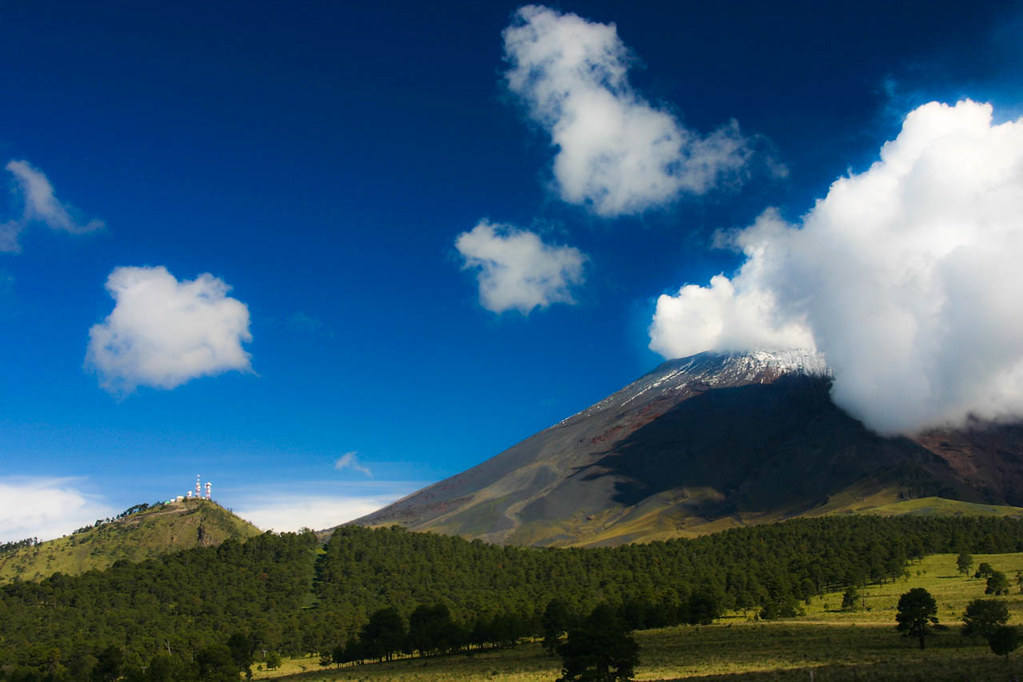
A signature experience is roasting marshmallows on the natural heat emanating from volcanic rocks, a playful and memorable interaction with the earth’s geothermal energy. The panoramic views from the summit include neighboring volcanoes, lush valleys, and on clear days, distant lakes, providing a dramatic backdrop.
The volcano’s frequent eruptions have shaped a constantly evolving landscape, meaning each visit can reveal new lava formations and geological features. This dynamic environment, combined with the cultural richness of nearby Antigua Guatemala, makes the Pacaya trek a unique blend of natural wonder and accessible adventure.
Summit and Crater Experience at Pacaya Volcano
Reaching the summit area of Pacaya Volcano is a sensory immersion into the planet’s fiery heart. The air is tinged with the sharp scent of sulfur, and the ground beneath your feet radiates warmth from fumaroles and residual lava heat. The crater itself is active, often emitting plumes of steam and occasional ash, a vivid reminder of the volcano’s power.
The landscape at the summit is stark and raw, with jagged lava formations and blackened rock fields stretching out in all directions. The panoramic views are breathtaking, encompassing the surrounding volcanic peaks, verdant valleys, and the colonial city of Antigua in the distance.
Sounds of escaping gases hiss softly, punctuated by the occasional rumble from deeper within the volcano. The experience is both humbling and exhilarating, offering a rare chance to witness the earth’s geological forces at work. Many hikers pause here to reflect, capture photographs, and enjoy the surreal environment before beginning their descent.
Best Time to Trek Pacaya Volcano
The optimal time to hike Pacaya Volcano is during Guatemala’s dry season, from November to April, when trails are less slippery and weather conditions are more stable. Early mornings are preferred to avoid midday heat and to increase the chances of clear views above the clouds.
Volcanic activity is closely monitored by local authorities, and access to the summit may be restricted during periods of heightened activity for safety reasons. It is essential to check current conditions with tour operators or park officials before planning your trek.
Avoid the rainy season (May to October), as heavy rains can make trails muddy and dangerous, and visibility is often poor. Seasonal winds can also affect comfort and safety near the summit, so dressing in layers and preparing for variable weather is advised.
Routes and Trail Options for Pacaya Volcano
Pacaya Volcano offers two main authorized trails to the summit, both starting near the village of San Francisco de Sales within Pacaya National Park. The primary route is the most popular and well-maintained, suitable for most hikers with moderate fitness. It covers approximately 5 kilometers (3 miles) round trip with an elevation gain of about 457 meters (1,500 feet).
This trail begins on cobblestone paths, transitions to dirt and ash slopes, and includes traversing lava fields. It typically takes 2 to 3 hours to complete the round trip, depending on pace and rest stops. Guided tours commonly use this route, ensuring safety and providing geological insights.
The secondary trail is less frequented and offers a slightly different perspective of the volcano’s features. It may be steeper or more rugged in sections and is recommended for hikers seeking a quieter experience.
Both trails require a licensed local guide, as independent hiking is prohibited for safety reasons. Guides are knowledgeable about current volcanic activity and trail conditions, enhancing the experience and ensuring compliance with park regulations.
Tour operators from Antigua and Guatemala City offer various packages, including shared group tours, private hikes, and combined experiences with transportation and meals. Some tours also provide options for horseback riding part of the way, which can assist those needing extra support on the ascent.
Difficulty Assessment of the Pacaya Volcano Trek
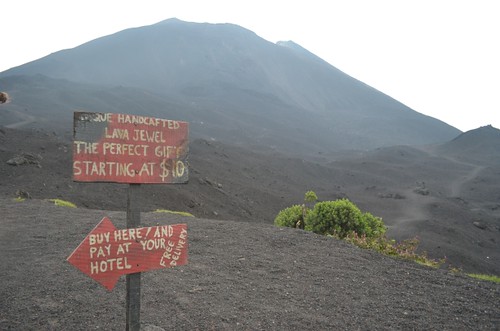
The Pacaya Volcano hike is classified as a moderate volcano trek. The trail’s length and elevation gain require a reasonable level of fitness, but it does not demand technical climbing skills or specialized equipment.
Hikers should be prepared for steep sections, loose volcanic ash, and uneven rocky terrain, which can be physically taxing. Altitude effects are mild but noticeable, with the summit at 2,552 meters (8,373 feet) above sea level.
The hike is suitable for beginners with some hiking experience and for those in good health. Use of trekking poles is recommended to aid balance, especially on descents. The presence of local guides ensures that groups move safely and efficiently.
Overall, the trek offers a rewarding challenge without the extreme demands of high-altitude mountaineering.
Essential Gear for Hiking Pacaya Volcano
Proper gear enhances safety and comfort on the Pacaya Volcano hike. Essential items include sturdy hiking boots with good grip to navigate rocky and slippery volcanic terrain. Trekking poles or rented walking sticks provide stability on steep and loose slopes.
A windproof and waterproof jacket is advisable due to variable weather and potential wind chill near the summit. Layered clothing helps manage temperature changes throughout the day.
Sun protection is critical: bring a wide-brimmed hat, sunglasses, and high-SPF sunscreen, as the trail offers little shade. Carry sufficient water to stay hydrated, as volcanic terrain can be dehydrating.
A headlamp or flashlight is useful for early morning or late afternoon hikes. A small first aid kit, snacks, and a camera to capture the dramatic landscapes complete the recommended gear list.
Due to volcanic gases, sensitive individuals may consider a lightweight respirator or mask, although this is generally not mandatory.
Safety and Volcanic Hazards on Pacaya Volcano
Hiking an active volcano like Pacaya requires awareness of specific hazards. Volcanic gases such as sulfur dioxide can irritate eyes and respiratory systems; hikers with asthma or sensitivities should exercise caution. Guides monitor gas levels and volcanic activity to ensure safe access.
Unstable crater edges and loose scree pose risks of falls and injuries. Staying on marked trails and following guide instructions is essential. Falling rocks can occur, especially in steep sections, so helmets are recommended on some tours.
Sudden changes in weather, including fog and rain, can reduce visibility and trail safety. Proper clothing and preparedness for rapid weather shifts are necessary.
Eruptions, while infrequent during permitted hiking times, remain a potential danger. The park authorities enforce closures during heightened volcanic activity to protect visitors.
Local guides are trained in emergency procedures and maintain communication with monitoring agencies. Hikers should follow all safety guidelines and avoid venturing independently.
Permits, Guides, and Logistics for Hiking Pacaya Volcano
Access to Pacaya Volcano requires purchasing a park entrance permit and hiring a licensed local guide. Independent hiking is prohibited to ensure safety and environmental protection. The entrance fee is approximately 100 Quetzales (~$13 USD), payable at the trailhead.
Guide fees typically range from 200 to 350 Quetzales (~$26 to $45 USD) per group, depending on the size and service level. Guides provide essential safety oversight, route knowledge, and interpretive information about the volcano’s geology and activity.
Several reputable tour operators offer organized Pacaya Volcano hikes, including Pacaya Tours, Adventure Guatemala, Tropicana Hostel Tours, Alacarta Tours, and Guate Adventure. These companies provide packages that often include round-trip transportation from Antigua or Guatemala City, guide services, entrance fees, and sometimes meals or gear rental.
Tour prices vary widely: basic shared group tours cost around 150-220 Quetzales ($20-26 USD), mid-range group tours range from 350-450 Quetzales ($45-60 USD), and private or luxury tours can exceed 1,200 Quetzales ($150 USD). Booking in advance is recommended, especially during peak tourist seasons.
Transportation options include private shuttles, shared vans, or arranging rides through hotels in Antigua. The drive to the park takes approximately 1 to 1.5 hours. Public transportation is limited, and taxis or Ubers may be difficult to secure for return trips.
At the park entrance, walking sticks are available for rent (10-20 Quetzales), which many hikers find helpful for stability. Facilities include basic restrooms and small food stands selling snacks and beverages.
Visitors should check current volcanic activity and weather conditions before their hike. Local authorities may close the park temporarily during periods of increased volcanic risk. Guides are updated regularly and will advise accordingly.
Overall, the permit and guide system ensures a safe, informative, and environmentally responsible trekking experience on Pacaya Volcano.
Where to Stay Near Pacaya Volcano
The primary base for visiting Pacaya Volcano is the colonial city of Antigua Guatemala, located approximately 20 kilometers (12 miles) north of the volcano. Antigua offers a wide range of accommodations catering to all budgets, from boutique hotels to hostels and guesthouses.
Popular hotels include Hotel Camino Real Antigua, known for its colonial charm and amenities, and the more budget-friendly Tropicana Hostel, which also organizes volcano tours. Many accommodations provide shuttle services or can arrange guided tours to Pacaya.
Closer to the volcano, small villages such as San Vicente Pacaya and San Francisco de Sales offer limited lodging options, mostly small guesthouses and local homestays. These provide an authentic rural experience but fewer amenities.
For travelers seeking convenience, staying in Antigua is recommended due to its infrastructure, dining options, and tour operator offices. From Antigua, the drive to the Pacaya trailhead takes about 1 to 1.5 hours.
Amenities in Antigua include restaurants, gear rental shops, and travel agencies specializing in volcano tours. Some tours offer early morning pickups directly from hotels.
For those interested in extended stays or combining volcano trekking with cultural exploration, Antigua serves as an ideal hub. Nearby hot springs and other volcanoes like Fuego and Acatenango provide additional adventure opportunities.
Booking accommodations in advance is advisable during peak travel seasons to secure preferred options and tour availability.