Hiking Cerro Quemado: A Complete Volcano Trekking Guide to Guatemala’s Sacred Burnt Hill
Cerro Quemado, a dormant stratovolcano near Quetzaltenango, Guatemala, offers a unique moderate trek through rugged volcanic terrain and sacred Mayan sites. This guide covers the geology, hiking experience, routes, safety, permits, accommodations, and cultural significance of this spiritual volcanic destination.
Quick Volcano Snapshot
| Attribute | Value |
|---|---|
| Volcano type | Stratovolcano |
| Elevation | 3,197 meters (10,489 feet) |
| Location | Western Guatemala, near Quetzaltenango (Xela) |
| Activity status | Dormant |
| Trekking difficulty | Moderate |
| Typical trek duration | 45 minutes to 1 hour ascent |
| Altitude gain | ~300 meters (approx.) |
| Terrain type | Volcanic boulders, lava rock, rocky dome, volcanic plateau |
| Best season | Dry season (November to April) |
| Temperature range | 5°C to 20°C (41°F to 68°F) |
| Permit requirement | No official permit required; small donations or guide fees may be requested |
The Experience of Hiking Cerro Quemado
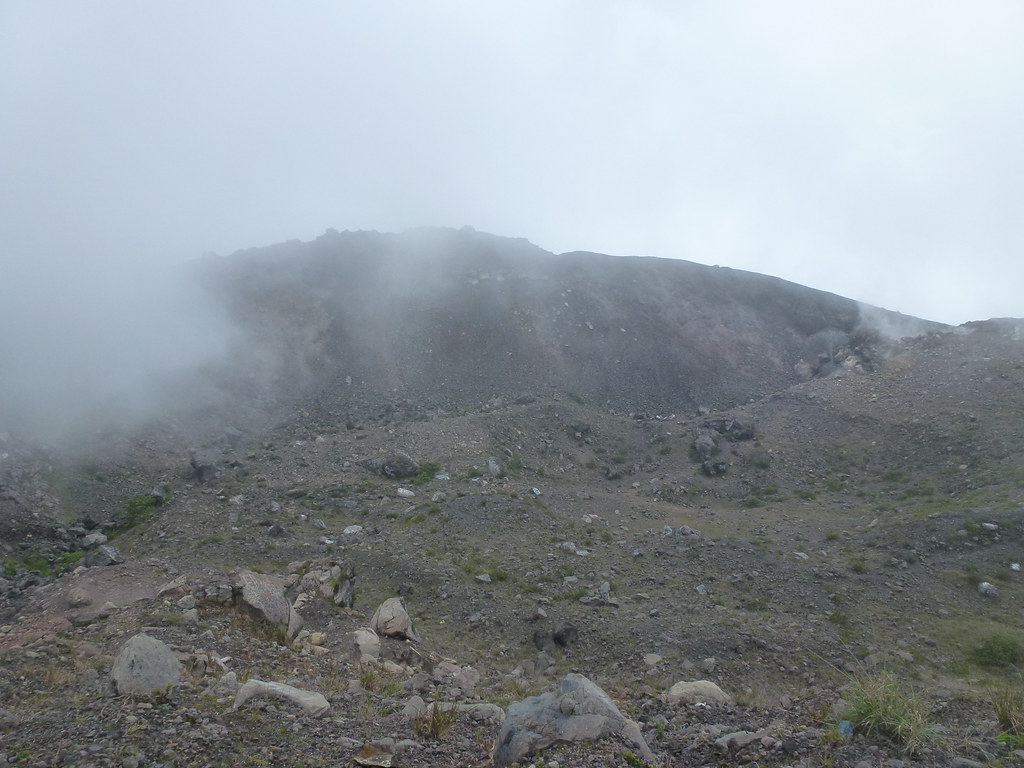
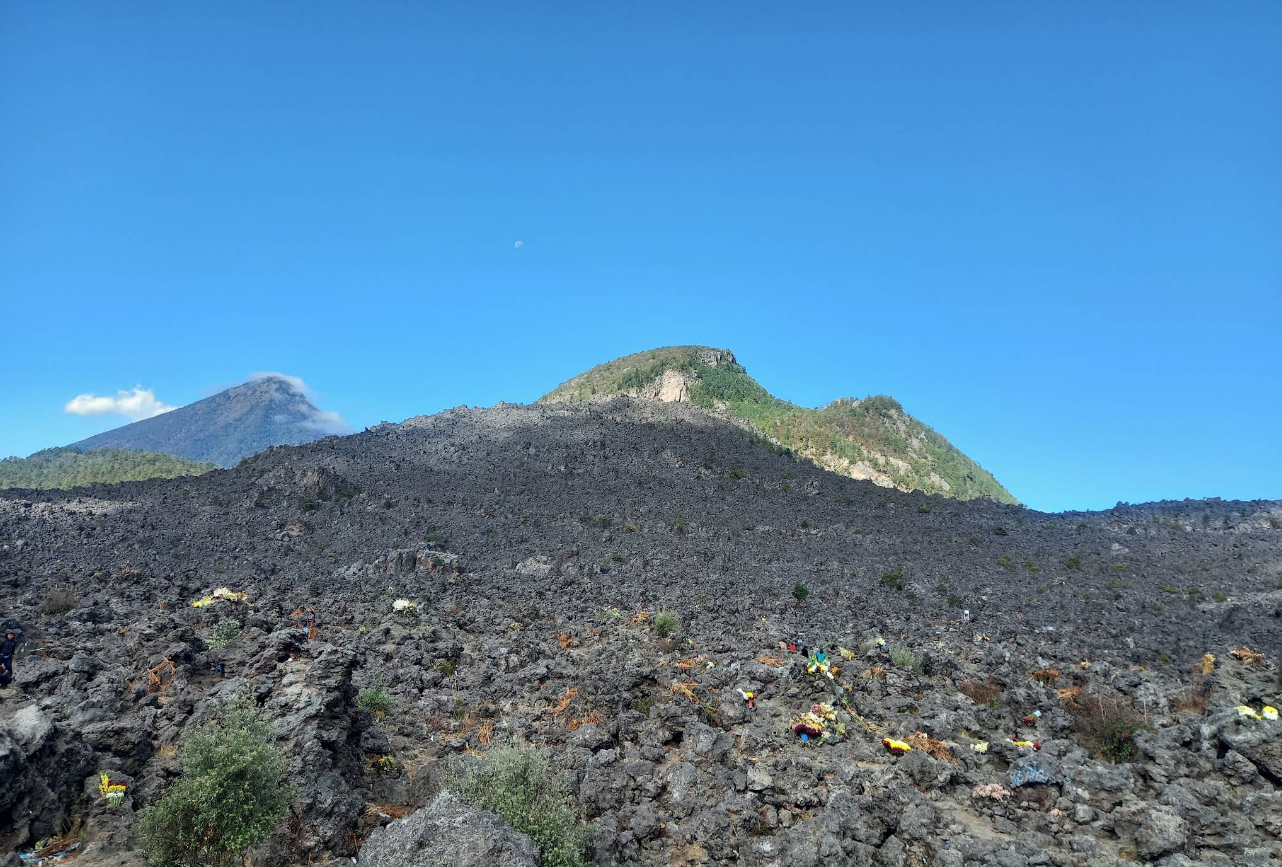
Approaching Cerro Quemado, the landscape shifts dramatically to a jagged volcanic dome, its blackened lava rocks and crumbled boulders telling tales of ancient eruptions. The air carries a faint scent of sulfur and melted wax from the many offerings left by pilgrims. Hiking here is not just a physical journey but a spiritual pilgrimage, as locals ascend in traditional dress to pray and perform ceremonies. The contrast between the barren volcanic plateau and the lush valleys below creates a powerful sense of geological force and sacredness. Reaching the summit, hikers stand on a wide, rugged plateau surrounded by natural caves and crevices filled with colorful flowers and candles, evoking a profound connection to the land and its ancestral spirits.
Geological Background of Cerro Quemado
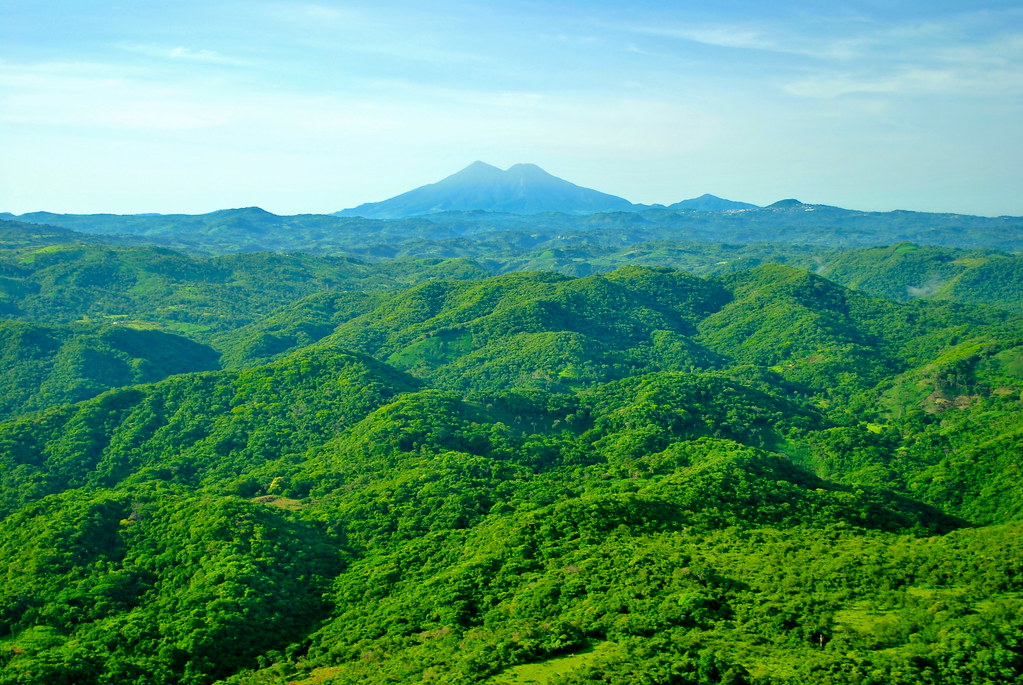
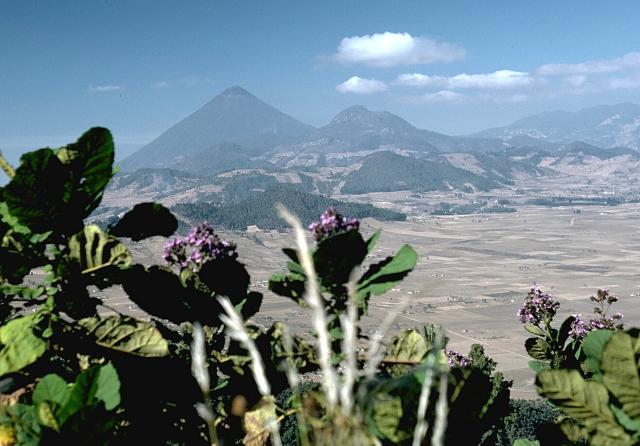
Cerro Quemado is a dome complex forming part of the larger Almolonga stratovolcano, located just south of Quetzaltenango in western Guatemala. This volcano rises to 3,197 meters and features a distinctive double-peaked shape, often likened to a molar tooth. The volcano’s last eruption occurred around 1818, rendering it dormant but still geothermally active with steam and gas vents scattered across its rocky dome. The terrain is composed of hardened lava flows, volcanic boulders, and fragmented rock formations resulting from past explosive activity and erosion. The volcanic minerals and fumaroles create a dynamic geological environment, with natural hot springs nearby. This volcanic dome is a testament to the region’s tectonic activity within the Central American volcanic arc, shaped by the subduction of the Cocos Plate beneath the Caribbean Plate.
Terrain and Hiking Experience on Cerro Quemado
The hike to Cerro Quemado offers a moderately challenging trek through a rugged volcanic landscape that demands both physical agility and attentiveness. Starting from the Cantón Chicuá trailhead, the path initially meanders through gentle slopes before quickly steepening as hikers ascend over a terrain dominated by sharp volcanic boulders and jagged lava formations. The volcanic dome’s surface is uneven and fractured, requiring careful foot placement to navigate the loose pumice, volcanic scree, and large, petrified lava rocks. Scrambling over these boulders is a key feature of the hike, providing an engaging and playful challenge that contrasts with the steady elevation gain of approximately 300 meters. The trail is out-and-back, covering roughly 8.8 kilometers roundtrip, with an elevation gain of about 510 meters, making the ascent last between 45 minutes to an hour for most hikers. The volcanic terrain is exposed, offering little shade, so hikers must be prepared for direct sun and variable wind conditions, which can intensify near the summit. Temperature shifts are notable, with cooler air at higher elevations, especially in the early morning or late afternoon. Altitude effects are moderate but can affect those unaccustomed to elevations above 2,800 meters. The summit plateau is a wide, rocky expanse scattered with natural caves and crevices, where pilgrims leave offerings and perform ceremonies. The terrain here is uneven and requires cautious movement, especially near fumarolic vents emitting steam and volcanic gases. Descending can be more challenging than ascending due to the steep, rocky slopes and loose volcanic debris, demanding good balance and sturdy hiking boots with excellent grip. Overall, the hike combines physical exertion with cultural immersion, as hikers often encounter locals engaged in spiritual rituals, adding a unique dimension to the trekking experience.
What Makes the Cerro Quemado Trek Unique
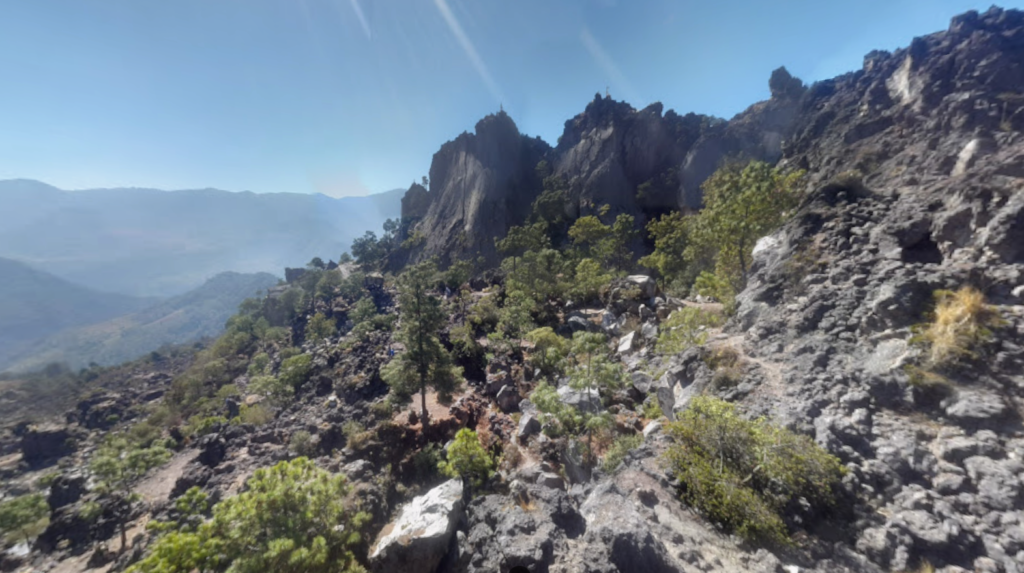
Cerro Quemado stands apart from many volcano treks due to its profound spiritual significance and the surreal volcanic landscape it offers. Unlike volcanoes known primarily for their eruptive activity, Cerro Quemado is revered as a sacred site by the local Maya communities, who regularly perform ceremonies and leave offerings on its summit plateau. This blend of natural grandeur and cultural heritage creates a trekking experience that is both physically rewarding and deeply moving. The volcanic dome’s jagged lava boulders and natural caves provide a dramatic and otherworldly terrain rarely found on more conventional volcano hikes. The presence of fumaroles and steam vents adds a dynamic geological element, while the panoramic views of the surrounding valleys and neighboring volcanoes enrich the visual spectacle. The hike’s moderate difficulty and relatively short duration make it accessible to a broad range of hikers, yet the challenging rocky terrain ensures an adventurous and engaging climb. The opportunity to witness and respectfully observe local spiritual practices elevates the trek beyond a simple outdoor activity, offering a rare glimpse into the living traditions that connect people to this volcanic landscape.
The Summit and Crater Experience at Cerro Quemado
Reaching the summit of Cerro Quemado, hikers find themselves on a broad, rocky plateau that feels like the crushed shell of an ancient volcano. The summit is not a classic crater rim but a rugged dome scattered with volcanic boulders, natural caves, and fumarolic vents emitting gentle plumes of steam. The air here carries the faint aroma of sulfur mingled with incense and melted wax from the many candles left by pilgrims. The atmosphere is charged with reverence as visitors often encounter locals engaged in prayer or ritual chanting. The panoramic views from the summit encompass the Almolonga and Quetzaltenango valleys, framed by distant volcanoes such as Santa Maria and Santiaguito. The rugged terrain invites exploration of the caves and crevices where offerings of flowers, food, and alcohol are placed. The summit experience is a sensory immersion in both the geological power of the volcano and the spiritual traditions it inspires, creating a moment of awe and reflection for all who reach this sacred peak.
Best Time to Trek Cerro Quemado
The optimal time to hike Cerro Quemado is during Guatemala’s dry season, which runs from November through April. During these months, the weather is generally stable with minimal rainfall, providing safer and more comfortable trekking conditions on the exposed volcanic terrain. Early mornings are ideal for starting the hike to avoid the midday sun and to experience cooler temperatures. The dry season also reduces the risk of slippery volcanic rocks and muddy trails. While the volcano is dormant, hikers should remain aware of weather changes, as sudden showers can occur. The wet season, from May to October, brings frequent rain and increased cloud cover, which can obscure views and make the rocky terrain more hazardous. Additionally, the dry season aligns with many local religious ceremonies, offering a richer cultural experience for visitors. Planning hikes around weekends or local holidays can provide opportunities to witness traditional rituals but may also mean more crowded trails.
Trekking Routes and Trail Options on Cerro Quemado
The primary and most established route to Cerro Quemado begins at Cantón Chicuá, located approximately 5 kilometers south of Quetzaltenango. This trail is an out-and-back path covering about 8.8 kilometers roundtrip with an elevation gain of roughly 510 meters. The trailhead is accessible by local transport or taxi from Quetzaltenango, making it convenient for day hikes. The route starts with a gentle incline through rural landscapes before transitioning to steep, rocky volcanic terrain as hikers approach the summit dome. The path is not heavily marked, so hikers should be prepared for some route-finding, especially near the summit where the terrain becomes more rugged and uneven. Guided hikes are available through local operators such as Casa Xelaju, which provide knowledgeable guides familiar with the terrain and cultural significance of the site. These guided tours often include transportation, safety briefings, and opportunities to learn about the spiritual practices observed on the volcano. While alternative routes are limited due to the volcanic dome’s shape and private lands, some hikers explore adjacent lava fields and caves with local permission. The trail’s moderate length and difficulty make it suitable for half-day excursions, with options to combine the hike with visits to nearby hot springs for relaxation after the trek.
Difficulty Assessment of the Cerro Quemado Trek
Cerro Quemado is classified as a moderate volcano trek. The trail’s length of approximately 8.8 kilometers roundtrip and elevation gain of about 510 meters require a reasonable level of fitness. The primary challenge lies in the rugged volcanic terrain, which includes scrambling over sharp lava boulders and navigating loose pumice and scree slopes. The trail’s uneven surface demands good balance and sturdy hiking boots with solid grip. Altitude is a factor, with the summit reaching nearly 2,838 meters, which may cause mild altitude effects in some hikers. The hike does not require technical climbing skills or specialized equipment, making it accessible to most hikers with moderate experience. However, the exposed nature of the trail means weather conditions such as strong sun, wind, or sudden rain can increase difficulty. Descending can be more demanding due to steep, rocky sections requiring careful footing. Overall, Cerro Quemado offers an adventurous yet achievable trek for those prepared for volcanic terrain and moderate elevation.
Essential Gear for Hiking Cerro Quemado
Hikers tackling Cerro Quemado should equip themselves with sturdy hiking boots featuring excellent grip to handle the sharp volcanic rocks and loose scree. Trekking poles are recommended to aid balance and reduce strain on knees during steep ascents and descents. Given the exposed terrain, sun protection is essential: bring a wide-brimmed hat, sunglasses, and high-SPF sunscreen. Layered clothing is advised to accommodate temperature shifts from warm valley conditions to cooler summit air. A windproof jacket will protect against gusts near the summit. Carry sufficient water to stay hydrated, as there are no reliable water sources on the trail. A headlamp or flashlight is useful if hiking early or late in the day. While volcanic gases are generally minimal, sensitive individuals may consider a lightweight respirator or mask. A small first aid kit, snacks, and a camera to capture the stunning landscapes complete the recommended gear list.
Safety and Volcanic Hazards on Cerro Quemado
While Cerro Quemado is dormant, hikers should remain vigilant of natural hazards inherent to volcanic terrain. The rocky dome features sharp, unstable lava boulders and loose scree that can cause slips and falls, especially on descents. Fumarolic vents emit steam and volcanic gases, which are generally harmless but can be irritating; avoid prolonged exposure near vents. Weather conditions can change rapidly, with strong winds and sudden rain increasing risks on exposed slopes. Altitude may cause mild symptoms such as shortness of breath or dizziness in some hikers. There is no active volcanic eruption risk currently, but hikers should stay informed through local sources about any changes in volcanic activity. It is advisable to hike with a guide or in groups for safety and to respect the sacred nature of the site. Emergency services are limited in the area, so preparedness and caution are paramount.
Permits, Guides, and Logistics for Cerro Quemado Trekking
Cerro Quemado does not require an official government permit for hiking, making it accessible for independent trekkers. However, local communities often request small donations or guide fees to support conservation and cultural preservation efforts. Hiring a local guide is highly recommended to navigate the unmarked trail sections safely and to gain insight into the volcano’s spiritual significance. Casa Xelaju is a reputable tour operator based in Quetzaltenango offering guided hikes to Cerro Quemado. Their tours typically include transportation from Xela, experienced guides, and support for local community projects such as La Pedrera Community Project, which aids children’s education in the region. The cost for guided hikes is approximately Q150 (about US$20) per person, with departures usually at 7:00 AM and a minimum of two participants required. Guides provide valuable cultural context, help with route finding, and enhance safety on the rocky terrain. Logistics are straightforward, with trail access from Cantón Chicuá reachable by taxi or local transport from Quetzaltenango. Hikers should bring their own water, snacks, and appropriate gear, as there are no facilities on the trail. After the hike, visitors can enjoy nearby natural hot springs and thermal baths, offering a relaxing end to the trekking day. It is advisable to book tours in advance during peak seasons and weekends when local pilgrimages increase trail traffic.
Where to Stay Near Cerro Quemado
Quetzaltenango (Xela), located about 6 kilometers north of Cerro Quemado, serves as the primary base for hikers. The city offers a range of accommodations catering to different budgets and preferences. Latam Hotel Plaza Pradera Quetzaltenango is a popular mid-range option featuring amenities such as an outdoor pool, hot tub, sauna, and an on-site restaurant. It is conveniently located within a short drive to the trailhead and city center. For travelers seeking a more immersive cultural experience, Casa Xelaju provides not only lodging but also Spanish immersion programs and organized hiking tours, making it a socially responsible choice that supports local communities. Budget travelers can find hostels and guesthouses in central Xela offering basic but comfortable accommodations. Additionally, several small guesthouses and apartments are available closer to the Cantón Chicuá area, though options are limited and less formal. After trekking, visitors often enjoy relaxing in nearby natural hot springs and thermal baths located within a short distance from the volcano. Quetzaltenango’s vibrant markets, restaurants, and cultural sites provide ample opportunities to unwind and explore before or after the hike. Transportation options from the city to the trailhead include taxis and local minibuses, with travel times averaging 15 to 20 minutes. Booking accommodations in advance is recommended during weekends and local holidays when pilgrim traffic increases.