
San Vicente Volcano Trekking Guide: Conquer El Salvador’s Twin-Peaked Stratovolcano
Explore the demanding trek up San Vicente Volcano, El Salvador’s second highest peak, known for its twin summits and lush cloud forest. This comprehensive guide covers geology, terrain, routes, safety, permits, and accommodations for an unforgettable volcano hiking adventure.
Quick Volcano Snapshot
| Attribute | Value |
|---|---|
| Volcano type | Stratovolcano |
| Elevation | 2,182 m |
| Location | San Vicente Department, El Salvador |
| Activity status | Dormant |
| Trekking difficulty | Demanding |
| Typical trek duration | 7 hours |
| Altitude gain | 1,330 m |
| Terrain type | Dense cloud forest, coffee plantations, rocky and steep trails |
| Best season | Dry season (November to April) |
| Temperature range | 15°C to 25°C |
| Permit requirement | Recommended to hire local guides; no formal permit required |
Introduction: The Experience of Hiking San Vicente Volcano
Approaching San Vicente Volcano, also known as Chinchontepec, you are greeted by the striking silhouette of its twin peaks rising above dense cloud forests. The trail immerses you in a vibrant landscape where lush vegetation contrasts sharply with the volcanic power beneath your feet. As you ascend, the air cools and thickens with mist, heightening the sense of mystery and anticipation. Reaching the summit, the panorama unfolds dramatically — sweeping views of El Salvador’s volcanic chain, the Jiboa Valley, and on clear days, the distant Pacific Ocean. The emotional reward of standing atop this dormant giant is profound, a moment to connect deeply with the Earth’s raw geological forces.
The Volcano Itself: Geological Background
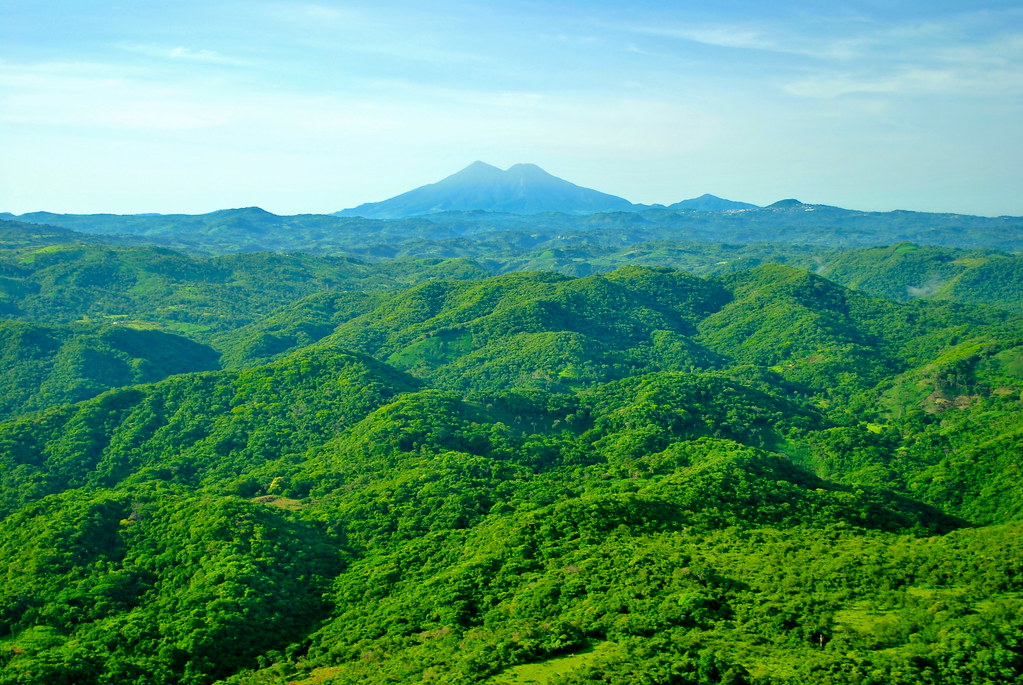
San Vicente Volcano is a stratovolcano located in central El Salvador, notable for its distinctive twin summits that inspired its Nahuat name, Chinchontepec, meaning ‘mountain of the two breasts.’ Formed through repeated volcanic eruptions over thousands of years, the volcano’s last significant eruption occurred over 1,700 years ago. Its structure includes two craters, each situated near the twin peaks but not exactly at the summits. The volcano’s flanks are marked by lava flows, especially on the northern and southern sides, with fumaroles and hot springs emitting sulfurous steam on the northern and western slopes. The dense jungle covering the summits has grown over centuries of volcanic dormancy, obscuring the crater rims. The volcano’s geological history includes massive landslides and a complex eruptive past, making it a fascinating subject for both hikers and geologists.
The Volcano Trek: Terrain and Hiking Experience
The San Vicente Volcano trek is a demanding adventure that challenges hikers with a variety of terrains and environmental conditions. The journey begins at the small town of San Francisco Agua Agria, where the trail initially winds through cultivated coffee plantations and banana fincas. These lower slopes offer a gentle introduction with dusty, rocky paths shaded by tropical foliage. As the ascent progresses, the trail enters dense cloud forest, a thick canopy of moss-covered trees, ferns, and orchids that envelops the upper slopes. This section is steep and physically taxing, with uneven ground, exposed roots, and slippery patches caused by frequent mist and rain.
Hikers must navigate rocky outcrops and loose volcanic scree, requiring surefootedness and stamina. The trail’s steep gradients test cardiovascular endurance, while the altitude gain of approximately 1,330 meters introduces mild effects of thinner air. The dense vegetation provides shade but also limits long-distance views until reaching the summit area. Near the top, the terrain becomes rugged with remnants of an abandoned military base and a helicopter pad, where panoramic vistas reward the effort. Weather conditions can shift rapidly, with cool temperatures and strong winds common at higher elevations. Overall, the trek demands good physical fitness, proper gear, and mental resilience to traverse the diverse and challenging volcanic landscape.
What Makes This Volcano Trek Unique
San Vicente Volcano stands out for its twin-peaked profile, a rare geological formation that shapes the hiking experience and local culture. The dense cloud forest ecosystem covering the upper slopes contrasts with the volcanic terrain, offering a rich biodiversity seldom found on other volcanoes in the region. The presence of natural hot springs and fumaroles along the trail adds a geothermal dimension to the trek, inviting moments of relaxation and awe. Additionally, the summit area features an abandoned military base and a helicopter pad, relics that add historical intrigue to the natural spectacle. The volcano’s panoramic views encompass multiple other volcanic peaks, the Jiboa Valley, and on clear days, the Pacific Ocean, creating a breathtaking visual reward. This combination of geological, ecological, and cultural elements makes San Vicente a compelling destination for adventurous trekkers and volcano enthusiasts alike.
The Summit and Crater Experience
Reaching the summit of San Vicente Volcano is a moment of profound accomplishment. The twin peaks offer vantage points where hikers can gaze across a vast volcanic landscape. The summit area, marked by an old military base and helicopter pad, provides a unique setting to pause and absorb the surroundings. From here, the air is crisp and carries faint traces of sulfur from distant fumaroles. The dense vegetation around the crater rims muffles sound, creating a serene atmosphere punctuated only by the wind and birdcalls. On clear days, the view extends to neighboring volcanoes such as Santa Ana and Chaparrastique, and the shimmering Pacific Ocean beyond. The crater itself is largely obscured by soil and forest growth, a testament to the volcano’s long dormancy. The sensory experience — the cool breeze, the scent of earth and sulfur, the expansive vistas — leaves a lasting impression on every visitor.
Best Time to Trek San Vicente Volcano
The optimal time to hike San Vicente Volcano is during El Salvador’s dry season, from November to April. During these months, trails are less slippery, and weather conditions are more stable, reducing the risk of sudden rainstorms and fog that can obscure views and make the terrain hazardous. Early morning starts are recommended to avoid midday heat and to maximize daylight hours for the demanding ascent. The dry season also offers clearer skies, enhancing the panoramic vistas from the summit. Avoiding the rainy season is crucial, as heavy rains can cause trail erosion, slippery surfaces, and increased difficulty navigating the dense cloud forest. Additionally, hikers should monitor local volcanic activity reports, although San Vicente is currently dormant with no recent eruptions.
Trekking Routes and Trail Options
The primary route to San Vicente Volcano’s summit begins at the small town of San Francisco Agua Agria, located approximately 1.5 hours from San Salvador. This out-and-back trail covers about 14.8 kilometers round trip, with an elevation gain of 1,330 meters, typically requiring around 7 hours to complete. The trail passes through coffee plantations and banana fincas before entering dense cloud forest on the upper slopes. There are no well-marked alternative routes, and the trail can be challenging to navigate without a guide due to limited signage and dense vegetation.
Most trekkers opt for guided tours offered by local operators, which provide logistical support, safety, and cultural insights. The hike culminates at the twin summits, where hikers can explore the abandoned military base and enjoy panoramic views. While self-guided hikes are possible, they are recommended only for experienced trekkers familiar with the terrain. The trail’s moderate to demanding difficulty level requires good physical conditioning and preparation. No formal permits are required, but hiring a local guide is strongly advised for safety and to enrich the trekking experience.
Difficulty Assessment
San Vicente Volcano is classified as a demanding volcano trek. The trail’s steep gradients, uneven rocky terrain, and dense cloud forest environment require strong physical fitness and endurance. Hikers face an altitude gain of approximately 1,330 meters over a 7-hour round trip, which can challenge cardiovascular capacity. The terrain includes loose volcanic scree, exposed roots, and slippery sections, demanding surefootedness and careful navigation. While technical climbing skills are not necessary, the physical demands and trail conditions place this trek beyond beginner level. Proper acclimatization, hydration, and pacing are essential to safely complete the ascent. Overall, the trek suits experienced hikers seeking a challenging and rewarding volcano adventure.
Essential Volcano Trekking Gear
For the San Vicente Volcano trek, hikers should prepare with sturdy hiking boots featuring good grip to handle rocky and slippery terrain. Trekking poles are recommended to aid balance and reduce strain on knees during steep ascents and descents. Given the presence of volcanic gases near fumaroles, carrying a lightweight gas mask or respirator can be beneficial, although generally not mandatory. Layered clothing is essential to adapt to temperature shifts from warm lowlands to cooler summit conditions; a windproof jacket and moisture-wicking base layers are advisable. A wide-brimmed hat, sunglasses, and high-SPF sunscreen protect against sun exposure in open sections. Hydration systems or water bottles with sufficient capacity are critical, as water sources on the trail are limited. A headlamp is useful for early morning starts or late returns. Finally, a small first aid kit and insect repellent enhance safety and comfort.
Safety and Volcanic Hazards
While San Vicente Volcano is currently dormant with no recent eruptions, hikers should remain aware of potential volcanic hazards such as fumaroles emitting sulfurous gases, which can cause respiratory irritation. The trail’s steep and uneven terrain poses risks of slips, falls, and twisted ankles, especially on loose volcanic scree and wet roots. Sudden weather changes, including fog, rain, and strong winds, can reduce visibility and increase trail difficulty. The abandoned military base near the summit may have unstable structures and should be approached with caution. It is advisable to hike with a local guide familiar with the terrain and current conditions. Monitoring updates from El Salvador’s volcanic monitoring agencies and adhering to safety advisories is essential. Emergency communication options are limited on the trail, so preparation and caution are paramount.
Permits, Guides, and Logistics
Hiking San Vicente Volcano does not require formal permits; however, it is strongly recommended to hire local guides for safety, navigation, and cultural enrichment. Several reputable tour operators offer guided treks, including Travel Made Me Do It, TourHQ El Salvador, Peek San Vicente Tours, and Veronika’s Adventure. These companies provide transportation from San Salvador or nearby towns, experienced guides, and logistical support such as equipment rental and meals.
The typical trek starts early in the morning, around 4:30 am, to avoid midday heat and maximize daylight. Guides arrange pickup from San Francisco Agua Agria or San Vicente town, ensuring a smooth start. Costs for guided tours vary but generally range from $50 to $100 USD per person, depending on group size and included services. Hiring a guide is advisable due to the trail’s challenging terrain and limited signage.
Accommodation options are available in San Vicente town and nearby villages, facilitating easy access to the trailhead. Visitors should prepare for a physically demanding hike requiring good fitness and appropriate gear. It is recommended to book tours in advance, especially during the dry season when demand increases. Local guides also share fascinating legends and geological insights, enhancing the trekking experience. Overall, the combination of accessible logistics and expert guidance makes San Vicente Volcano a rewarding destination for adventurous hikers.
Where to Stay Near San Vicente Volcano
San Vicente town, located approximately 10 to 15 kilometers from the volcano’s trailhead, offers a range of accommodations suitable for trekkers. Options include guesthouses, hostels, and vacation rentals that provide comfortable bases for early morning starts. Notable places include Hostal y Restaurante Felipe Novoa in Apastepeque, offering basic amenities and local cuisine, and Volcano View Stay, a house in San Vicente with panoramic views of the volcano. For travelers seeking more privacy and comfort, Airbnb listings such as the Volcano & Lake View home near Santa Clara provide modern facilities, swimming pools, and scenic terraces overlooking San Vicente Volcano and Lake Apastepeque.
These accommodations are typically within a 30-minute drive to the San Francisco Agua Agria trailhead, where most hikes commence. Amenities vary from simple lodging to fully equipped homes with kitchens and Wi-Fi. Staying in San Vicente town also allows visitors to experience local culture, markets, and cuisine, enriching the overall trip. For those preferring eco-tourism, some lodges and campsites near the volcano offer rustic experiences immersed in nature. Early booking is recommended during peak trekking seasons to secure preferred lodging. Overall, the area provides diverse options catering to different budgets and preferences, all within convenient reach of the volcano.