
Trekking Tacaná Volcano: A Demanding Ascent to Chiapas’ Majestic Stratovolcano
Tacaná Volcano, straddling the Mexico-Guatemala border, is a demanding stratovolcano trek offering hikers a unique blend of cloud forests, volcanic terrain, and cultural richness. As the second highest peak in Chiapas and Central America, it challenges adventurers with steep ascents, diverse ecosystems, and breathtaking summit views including a crater lake.
Quick Volcano Snapshot
| Attribute | Value |
|---|---|
| Volcano type | Stratovolcano |
| Elevation | 4,092 meters (13,420 feet) |
| Location | Border of Chiapas, Mexico and San Marcos, Guatemala |
| Activity status | Dormant |
| Trekking difficulty | Demanding |
| Typical trek duration | 2 days |
| Altitude gain | Approximately 1,500 meters |
| Terrain type | Cloud forest, volcanic rock, steep ash slopes, rocky volcanic terrain |
| Best season | Dry season (November to April) |
| Temperature range | 5°C to 20°C (41°F to 68°F), colder near summit |
| Permit requirement | Required; local guides recommended |
The Experience of Hiking Tacaná Volcano
Approaching Tacaná Volcano, hikers are immediately immersed in a landscape of dramatic contrasts. The journey begins through lush coffee plantations and verdant farmland, gradually ascending into dense cloud forests where mist clings to moss-covered trees. The air grows cooler and thinner as the trail steepens, leading to rugged volcanic rock and ash slopes. The sense of geological power is palpable, with the volcano’s towering presence dominating the horizon. Reaching the crater lake at the summit, surrounded by steep walls and volcanic formations, offers an emotional climax — a moment to witness the raw forces that shaped this majestic peak.
Geological Background of Tacaná Volcano
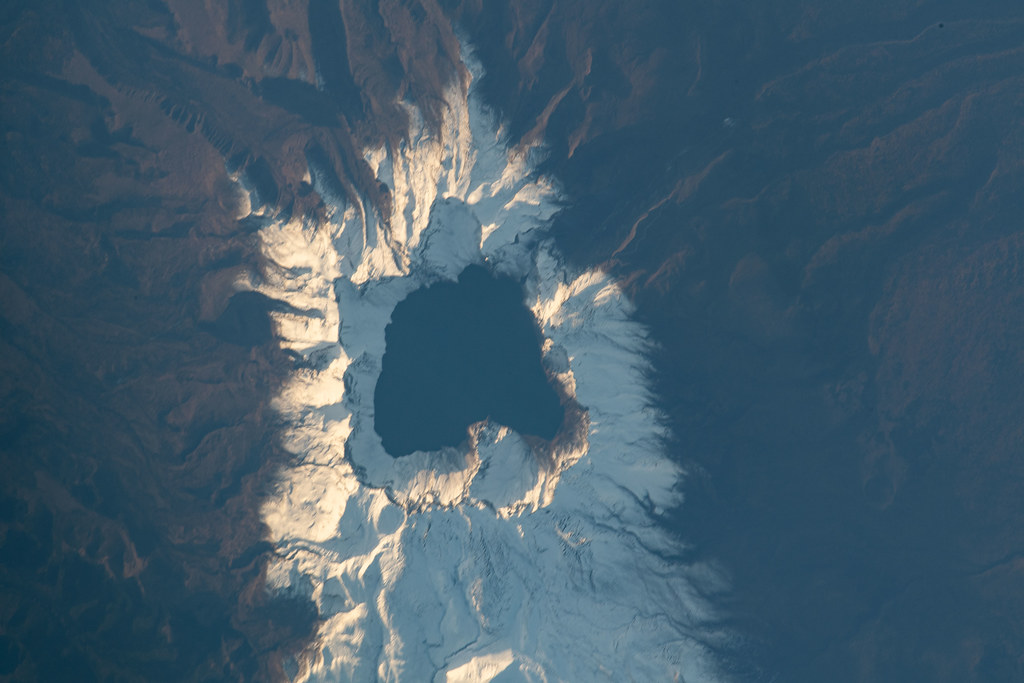
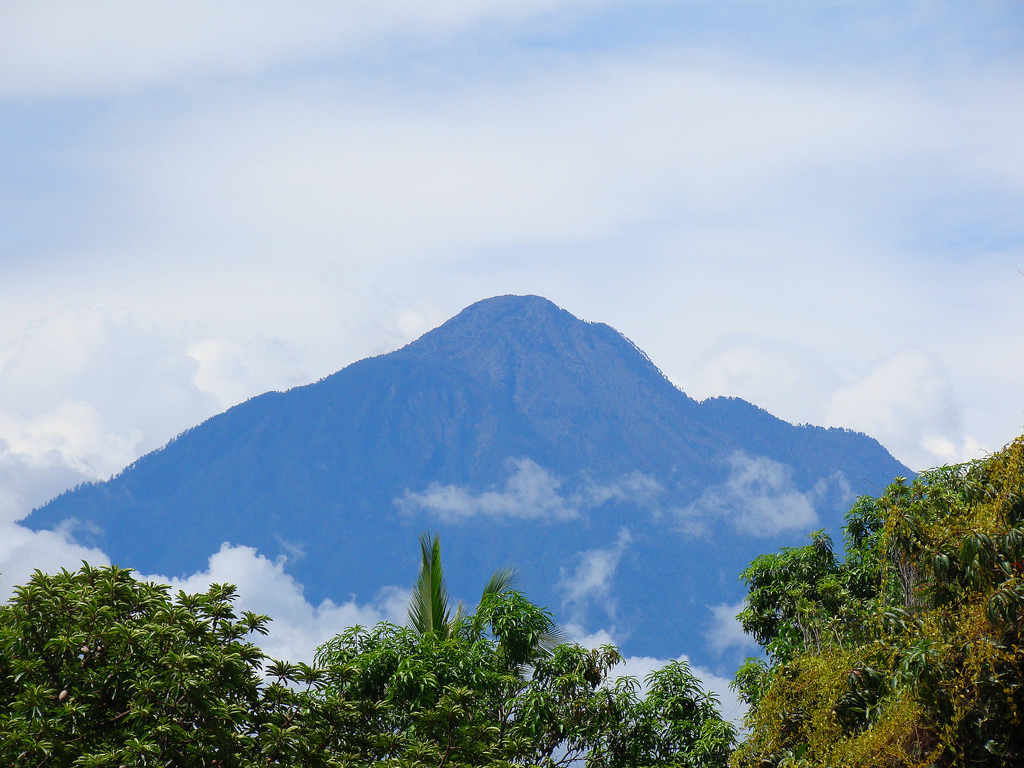
Tacaná is a classic stratovolcano, formed by layers of hardened lava, ash, and volcanic debris. Rising to 4,092 meters, it is the southernmost volcano in Mexico and the second highest in Central America. Its formation is part of the Central America Volcanic Arc, created by the subduction of the Cocos Plate beneath the Caribbean Plate. Tacaná’s last major eruption occurred around 70 AD, producing pyroclastic flows, while minor steam eruptions were recorded as recently as 1986. The volcano features a prominent crater lake near its summit, surrounded by fumaroles and sulfur deposits. Its slopes host diverse ecosystems, from tropical cloud forests to pine and oak woodlands, reflecting the complex volcanic and climatic history of the region.
Terrain and Hiking Experience on Tacaná Volcano
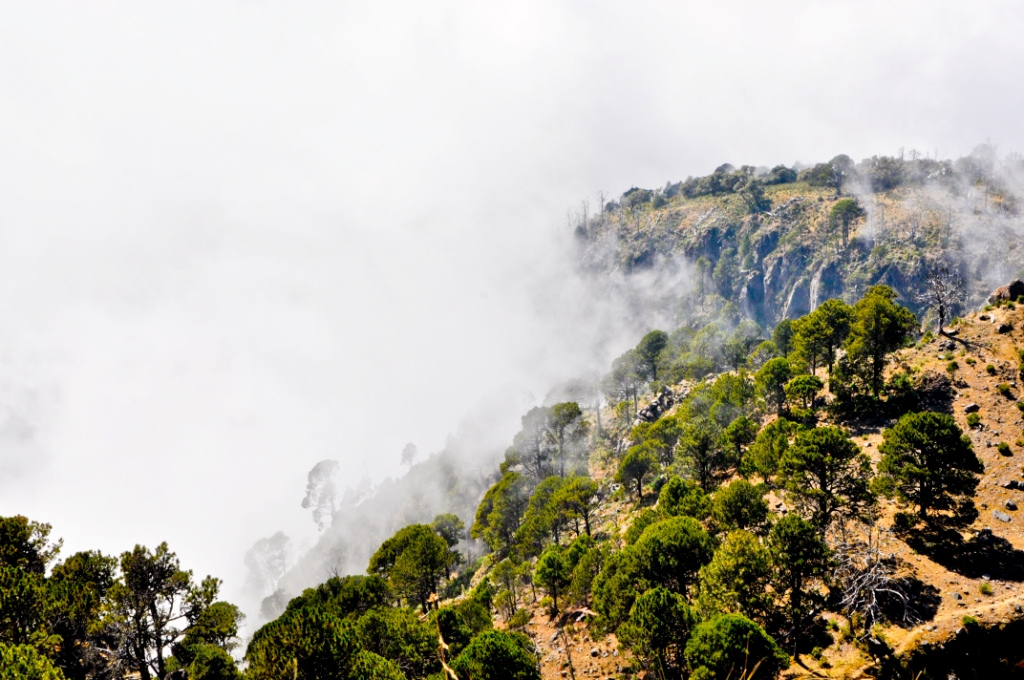
The trek up Tacaná Volcano is a demanding adventure that tests both physical endurance and mental resilience. Starting from lower elevations, hikers traverse agricultural lands where coffee and corn fields stretch across gentle slopes. The trail here is relatively well-maintained and offers a gradual incline, allowing trekkers to warm up and acclimate. As the ascent continues, the terrain shifts dramatically into dense cloud forest, where humidity rises and the path becomes steeper and more uneven. Moss-draped trees and vibrant orchids create an enchanting atmosphere, but the trail’s slipperiness and occasional fog require careful footing.
Beyond the cloud forest, the landscape transforms into rugged volcanic rock and loose pumice slopes. This section demands careful navigation over sharp, jagged rocks and unstable scree, increasing the technical challenge. The steep ash slopes near the summit require strong leg muscles and steady pacing to avoid slips. Altitude effects become more pronounced here, with thinner air making breathing more laborious and increasing fatigue.
Wind conditions near the summit can be harsh, with sudden gusts adding to the difficulty. Temperatures drop significantly, often reaching near freezing at night, so adequate clothing is essential. The final approach to the crater rim involves scrambling over volcanic boulders and negotiating narrow ridges with exposure to steep drops. This section rewards hikers with panoramic views of both Mexican and Guatemalan volcanic chains, as well as glimpses of the Pacific Ocean on clear days.
Overall, the terrain’s diversity—from cultivated fields to cloud forests and volcanic rock—makes the Tacaná trek a rich sensory experience. Hikers must be prepared for variable trail conditions, altitude challenges, and changing weather. The combination of natural beauty and physical challenge defines the unique hiking experience on this majestic volcano.
What Makes the Tacaná Volcano Trek Unique
Tacaná Volcano stands out for its remarkable combination of natural and cultural features. It is the second highest peak in Central America, offering unparalleled summit views that include neighboring volcanoes and the distant Pacific Ocean. The presence of a crater lake near the summit adds a rare aquatic element to the volcanic landscape.
The trek passes through diverse ecosystems, from tropical farmland to cloud forest and alpine volcanic terrain, showcasing a rich biodiversity including endemic orchids, bromeliads, and protected bird species like the Ornate Hawk-Eagle. The volcano’s slopes are part of a UNESCO Biosphere Reserve, emphasizing its ecological importance.
Culturally, the region is home to indigenous Mam communities who regard Tacaná as a sacred mountain. Their traditions and cooperative societies enrich the trekking experience, offering opportunities to engage with local culture and history. Annual gatherings such as the Southeast Mountaineering Confraternity during Semana Santa highlight the volcano’s significance beyond its geological grandeur.
The border location allows hikers to experience two countries in one trek, with routes accessible from both Mexico and Guatemala. This cross-cultural dimension, combined with the volcano’s challenging terrain and stunning natural features, makes the Tacaná trek a truly unique adventure.
The Summit and Crater Experience
Reaching the summit of Tacaná Volcano is a moment of profound awe. The crater lake, nestled within the volcanic caldera, reflects the sky and contrasts starkly with the surrounding rocky terrain. The air is thin and crisp, carrying the faint scent of sulfur from fumaroles venting near the crater rim. Hikers often pause to absorb the panoramic vistas: a sweeping volcanic chain stretching across Guatemala and Mexico, the patchwork of forests and farmland below, and on clear days, the shimmering Pacific Ocean far beyond.
The summit’s atmosphere is charged with the silent power of the Earth’s inner forces. The sound of escaping gases and the occasional rumble remind visitors of the volcano’s latent energy. Sunrise or sunset at the crater rim offers spectacular light and shadow play on the rugged landscape, creating unforgettable photographic opportunities. The experience is both humbling and exhilarating, a reward for the physical and mental effort required to reach this lofty vantage point.
Best Time to Trek Tacaná Volcano
The optimal time to climb Tacaná Volcano is during the dry season, from November to April. During these months, trails are less slippery, and weather conditions are more stable, reducing risks associated with heavy rainfall and fog. The dry season also offers clearer summit views, enhancing the trekking experience.
The rainy season, spanning May to October, brings frequent showers and increased risk of landslides and lahars, especially given the volcano’s steep slopes and high precipitation levels. Trekkers should avoid this period unless adequately prepared and guided.
Early morning starts are recommended to avoid afternoon thunderstorms and to experience the spectacular sunrise from the summit. Seasonal closures or restrictions may apply based on volcanic activity or conservation efforts, so checking with local authorities or tour operators before planning is essential.
Trekking Routes and Trail Options on Tacaná Volcano
Tacaná Volcano offers multiple trekking routes from both the Mexican and Guatemalan sides, each providing distinct experiences.
From the Guatemalan side, the most popular route begins at La Haciendita near the town of Sibinal. This trail leads hikers through lush cloud forests and temperate woodlands before reaching the volcanic rock near the summit. The ascent typically takes two days, with an overnight camp near the crater. This route is well-marked and supported by local guides familiar with the terrain and weather.
On the Mexican side, two main access points exist: Paso del Gato and Talquián. The Talquián route starts from the community of Talquián, accessible from Unión Juárez. This trail passes through coffee plantations, pine and oak forests, and volcanic landscapes. It is slightly longer and more physically demanding due to steeper sections and rougher terrain. Local communities offer mule rentals and guiding services to assist hikers.
Both routes require a good level of fitness and acclimatization due to altitude and trail difficulty. Guided treks are highly recommended for safety, navigation, and cultural insights. The typical trek duration is two days, with the first day focused on reaching base camp and the second day reserved for the summit push and descent.
Trail conditions vary seasonally, with the dry season providing the best footing. Hikers should prepare for variable weather, including fog, wind, and temperature fluctuations. The choice of route depends on logistical preferences, desired cultural interactions, and physical readiness.
Difficulty Assessment of the Tacaná Volcano Trek
Tacaná Volcano is classified as a demanding volcano trek. The ascent involves steep slopes, loose volcanic ash, and rocky terrain that require good balance and endurance. The altitude, reaching over 4,000 meters, poses risks of altitude sickness, making acclimatization essential.
The trail is not technical mountaineering but demands a high level of fitness and hiking experience. Trekkers should be prepared for long hours of continuous uphill walking, variable weather, and limited infrastructure. The final sections near the crater involve scrambling over volcanic rocks and navigating exposed ridges.
Overall, the trek suits experienced hikers comfortable with challenging terrain and altitude. Beginners are advised to train extensively and consider guided tours to ensure safety and success.
Essential Gear for Trekking Tacaná Volcano
Successful trekking on Tacaná requires specialized gear to handle the demanding terrain and variable climate. Essential items include sturdy hiking boots with excellent grip for volcanic rock and loose ash, trekking poles to aid balance and reduce knee strain, and gaiters to protect against volcanic ash and debris.
Layered clothing is crucial to adapt to temperature changes, including moisture-wicking base layers, insulating mid-layers, and a windproof, waterproof outer shell. A warm hat and gloves are necessary for summit conditions.
Given the presence of fumaroles and occasional sulfur gases, a lightweight gas mask or respirator can be beneficial. Headlamps are essential for early morning or late evening hiking. Hydration systems and high-energy snacks support endurance. Sun protection, including sunglasses, sunscreen, and a wide-brimmed hat, is vital due to high-altitude UV exposure.
Additional gear includes a first aid kit, map or GPS device, and a camera to capture the stunning landscapes.
Safety and Volcanic Hazards on Tacaná Volcano
While Tacaná is currently dormant, it remains an active stratovolcano with potential hazards. Volcanic gases such as sulfur dioxide can accumulate near fumaroles, posing respiratory risks. Hikers should avoid venturing too close to steam vents and be prepared with protective masks if sensitive.
The steep volcanic slopes are prone to loose rocks and scree, increasing the risk of falls and injuries. Sudden weather changes, including fog and heavy rain, can reduce visibility and trail stability. The region’s high rainfall also raises the risk of lahars—volcanic mudflows—that can travel rapidly down valleys, especially during the rainy season.
Monitoring by local geological agencies provides updates on volcanic activity, and trekkers should heed any warnings or restrictions. Hiring experienced local guides enhances safety by ensuring proper route navigation and emergency preparedness. Adequate physical preparation and acclimatization reduce altitude sickness risks.
Permits, Guides, and Logistics for Trekking Tacaná Volcano
Trekking Tacaná Volcano requires obtaining permits from local authorities on both the Mexican and Guatemalan sides. Entry fees vary, with Guatemalan permits typically costing around 20 quetzales for nationals and foreigners. Permits are essential for conservation and safety management within the UNESCO Biosphere Reserve.
Hiring local guides is strongly recommended. Guides provide invaluable knowledge of the terrain, weather conditions, and cultural context. They also facilitate permit acquisition and ensure compliance with regulations. Several reputable tour operators specialize in Tacaná treks, including K’ASHEM Adventure Tours, which offers organized two-day hikes with transportation, experienced guides, and safety equipment. Adrenalina Tours and Explore Share also provide guided expeditions emphasizing community engagement and environmental respect.
Logistics include arranging transportation to trailheads such as Talquián or La Haciendita. From Tapachula, Mexico, travelers can reach Talquián by taxi or local bus in approximately 1.5 hours. In Guatemala, Sibinal serves as a common starting point with access to the La Haciendita trail.
Accommodation options near trailheads range from community-run hostels to camping sites on the volcano slopes. Many operators include camping gear and meals in their packages. Trekkers should prepare for limited infrastructure, especially at higher elevations.
Reservations are advised, particularly during peak trekking seasons. Payment methods vary, with some operators accepting online payments and others requiring deposits via bank transfer or in-person transactions. Communication with operators is often conducted via WhatsApp or phone.
Overall, careful planning, respect for local customs, and adherence to environmental guidelines ensure a safe and rewarding Tacaná Volcano trekking experience.
Where to Stay and Nearby Bases for Tacaná Volcano Treks
Accommodations for Tacaná Volcano treks are primarily located in nearby towns and communities that serve as gateways to the volcano. On the Mexican side, the town of Talquián offers community-run lodges and basic hostels where hikers can rest before and after their ascent. These lodges provide essential amenities such as meals, warm showers, and local hospitality, often run by Mam indigenous families.
In Tapachula, approximately 40 kilometers from Talquián, travelers find a wider range of hotels and guesthouses, including comfortable mid-range options with modern facilities. Tapachula serves as a convenient base for arranging transportation and permits.
On the Guatemalan side, the town of Sibinal is the primary access point to the La Haciendita trail. Sibinal offers small inns and guesthouses catering to trekkers, with local guides available for hire. The community atmosphere provides cultural immersion opportunities and authentic cuisine.
For those seeking a more immersive nature experience, camping on the volcano’s slopes is common. Designated campsites near the summit allow hikers to rest overnight and enjoy sunrise views. Camping requires carrying appropriate gear or booking guided tours that supply tents and meals.
Nearby eco-resorts and lodges, such as those in the Sierra Madre de Chiapas region, offer additional options for travelers desiring comfort and nature immersion. While Laguna Lodge is located farther away near Lake Atitlán in Guatemala, it exemplifies the eco-friendly accommodations available in the region.
Overall, accommodation choices range from rustic community lodges to urban hotels, with proximity to trailheads varying from immediate access to short drives. Early booking is recommended during peak trekking seasons to secure preferred lodging.