
Mount Changbai Volcano Trekking Guide: Exploring China’s Majestic Dormant Stratovolcano and Heavenly Lake
Mount Changbai, a dormant stratovolcano in Jilin Province, China, offers a spectacular trekking experience featuring the stunning alpine crater lake Tianchi (Heavenly Lake), volcanic waterfalls, hot springs, and diverse forest ecosystems. This comprehensive guide covers geological background, trekking routes, terrain challenges, permits, accommodations, and safety tips for adventurers seeking to explore this iconic volcanic landscape.
Quick Volcano Snapshot
| Attribute | Value |
|---|---|
| Volcano type | Stratovolcano |
| Elevation | 2691 meters (Baiyun Peak, China side) |
| Location | Jilin Province, China |
| Activity status | Dormant |
| Trekking difficulty | Moderate |
| Typical trek duration | 1–2 days |
| Altitude gain | Approximately 500–700 meters depending on route |
| Terrain type | Volcanic crater lake, alpine forest, lava rock, volcanic ash slopes, waterfalls |
| Best season | June to September for hiking; November to March for winter scenery and skiing |
| Temperature range | -20°C in winter to 20°C in summer |
| Permit requirement | Entrance tickets required; guided tours recommended |
Introduction: The Experience of Hiking Mount Changbai
Approaching Mount Changbai, hikers are greeted by a dramatic landscape where ancient volcanic forces have sculpted a majestic alpine realm. The towering stratovolcano rises with snow-capped peaks piercing the sky, while the serene turquoise waters of Tianchi, or Heavenly Lake, nestle in the volcanic crater like a jewel. The contrast between the rugged volcanic terrain and lush alpine forests creates a powerful sense of nature’s raw energy and tranquility. Trekking here is an immersive journey through time and geology, culminating in the emotional reward of standing at the crater’s edge, gazing across the pristine lake and surrounding peaks. The air is crisp and often carries the subtle scent of pine and mineral-rich springs, enhancing the profound connection to this ancient volcanic giant.
The Volcano Itself: Geological Background
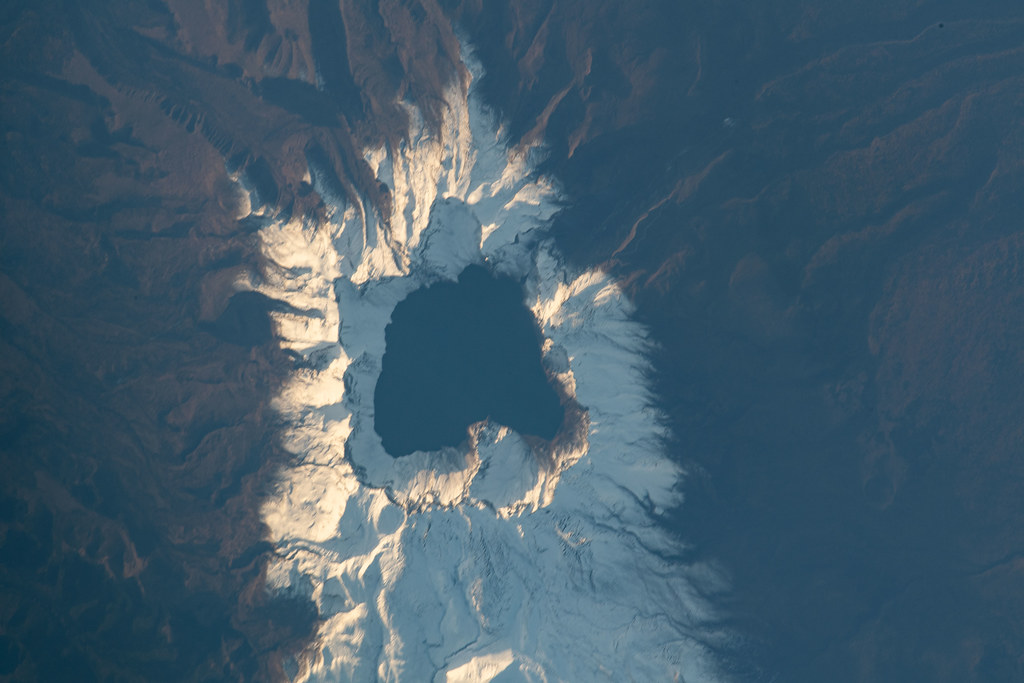
Mount Changbai is a dormant stratovolcano located on the border between China and North Korea. Its volcanic activity began approximately 12 million years ago, with the most recent eruption recorded in 1702. The volcano’s defining feature is its large caldera, which houses Tianchi, the Heavenly Lake, formed by a massive eruption in 946 AD. This crater lake is one of the highest alpine lakes in the world, reaching an elevation of 2,189 meters and a depth of up to 384 meters. The volcanic landscape includes rugged lava flows, pumice deposits, and mineral-rich fumaroles that have created colorful rock formations around hot springs. The area’s geology is further enriched by the presence of sulfur deposits and steaming vents, which attest to the volcano’s lingering geothermal activity despite its dormancy. The mountain’s volcanic soils support a diverse range of flora, including rare species like the Changbai larch, contributing to the region’s ecological significance.
The Volcano Trek: Terrain and Hiking Experience
Trekking Mount Changbai offers a varied and engaging terrain that challenges hikers while rewarding them with spectacular views. The routes traverse volcanic ash slopes, dense alpine forests, and rugged lava rock fields. The ascent to Tianchi involves navigating well-maintained paths that include steep sections and stairways, especially on the West Slope where approximately 1,400 steps lead hikers closer to the crater lake. The volcanic ash and pumice soils can be loose underfoot, requiring sturdy hiking boots with good grip and trekking poles for stability. Along the way, hikers encounter diverse terrain features such as moss-covered lava forests, mineral-stained rocks near hot springs, and crystal-clear streams. The altitude, reaching over 2,000 meters at the crater rim, may cause mild effects for some trekkers, including shortness of breath and fatigue, so acclimatization and pacing are important. Weather conditions can shift rapidly, with strong winds and temperature drops near the summit, so layered clothing is essential. The trail offers a mix of shaded forest sections and exposed ridges, providing a dynamic hiking experience that combines physical challenge with immersive natural beauty. The North Slope features easier access with shuttle buses and eco-buses that reduce hiking distance, while the West Slope demands more physical effort but rewards with panoramic views of the lake and surrounding peaks. Waterfalls and hot springs along the routes add to the sensory richness of the trek, with the roar of the 68-meter Changbai Waterfall providing a dramatic highlight. Overall, the terrain demands moderate fitness and preparation but is accessible to most hikers who are equipped and ready for mountain conditions.
What Makes This Volcano Trek Unique
Mount Changbai’s trek is distinguished by its spectacular volcanic crater lake, Tianchi, often called Heavenly Lake, which is one of the largest and deepest alpine crater lakes globally. The lake’s striking blue waters, framed by sixteen surrounding peaks, create a breathtaking panorama unique among volcano hikes. The coexistence of volcanic features with dense alpine forests and mineral-rich hot springs offers a rare combination of geological and ecological wonders. The presence of the highest volcanic waterfall in the world, the 68-meter Changbai Waterfall, adds dramatic flair to the landscape. Seasonal contrasts further enhance the trek’s uniqueness: vibrant wildflowers and irises bloom in summer, fiery foliage colors the forests in autumn, and the winter transforms the area into a snow-covered wonderland with steaming hot springs providing warm refuges. The cultural significance of Changbai Mountain as a sacred site for Manchu and Korean peoples adds a profound historical and spiritual dimension to the trekking experience. This blend of natural grandeur, geological intrigue, and cultural heritage makes Mount Changbai a truly exceptional volcano trek.
The Summit and Crater Experience
Reaching the summit area of Mount Changbai and standing at the rim of the crater is a moment of awe and reflection. The panoramic views stretch across the vast volcanic landscape, with the shimmering expanse of Heavenly Lake nestled deep within the crater. The air is often crisp and cool, carrying subtle mineral scents from the geothermal vents nearby. Hikers can observe steam rising gently from fumaroles and feel the warmth radiating from mineral springs, a reminder of the volcano’s enduring geothermal energy. The crater rim offers a dramatic vantage point to witness the interplay of light and shadow on the lake’s surface, with clouds frequently drifting below the summit, creating a surreal sea of mist. The silence is punctuated by the distant roar of the Changbai Waterfall and the occasional call of alpine birds. This sensory experience—combining visual grandeur, natural sounds, and the palpable presence of ancient volcanic forces—leaves a lasting impression of the mountain’s power and beauty.
Best Time to Trek Mount Changbai
The optimal trekking season for Mount Changbai is from June to September when the weather is milder, and the alpine forests are lush with blooming wildflowers and irises. During this period, trails are generally clear of snow, and temperatures range from 10°C to 20°C, providing comfortable hiking conditions. Autumn, especially September and October, offers spectacular foliage colors, enhancing the scenic beauty. Winter trekking is possible but challenging due to heavy snowfall and temperatures that can drop to -20°C; however, winter transforms the area into a snow and ice paradise popular for skiing and snowmobiling rather than hiking. Visitors should be aware that weather on the mountain can be unpredictable, with sudden rain showers or fog reducing visibility. The crater lake is often visible only about 100 days a year due to cloud cover. It is advisable to start hikes early in the day to maximize chances of clear views. Access to the mountain is regulated, and some areas may be closed during harsh weather or for conservation purposes. Booking guided tours during peak seasons is recommended to navigate these conditions safely.
Trekking Routes and Trail Options
Mount Changbai offers several trekking routes primarily accessible via the North and West Slopes, as the South Slope is currently closed for conservation and construction, and the East Slope lies within North Korea. The North Slope is the most developed and accessible, featuring shuttle buses and eco-buses that transport visitors close to the summit area, minimizing hiking distance. From the North Slope entrance, visitors can explore the Changbai Waterfall, hot springs, and forest trails with relatively gentle terrain. The route to Heavenly Lake from the North Slope is shorter and less physically demanding, making it suitable for families and casual hikers. The West Slope offers a more challenging and rewarding trek, requiring hikers to climb approximately 1,400 steps after a shuttle bus ride to the service center. This route provides expansive panoramic views of Heavenly Lake and the surrounding peaks, with less crowding compared to the North Slope. The West Slope also features access to the Jinjiang Grand Canyon and the Wanda Changbaishan International Ski Resort. Both slopes require entrance tickets and have regulated access to protect the environment. Guided tours are widely available and recommended for navigating the area’s logistics and maximizing the trekking experience. Hikers should plan for 1 to 2 days to fully explore the main attractions and enjoy the diverse landscapes.
Difficulty Assessment
Mount Changbai’s trekking difficulty is classified as moderate. The terrain includes well-maintained paths with some steep sections, especially on the West Slope where hikers must ascend numerous steps. The volcanic ash and pumice soils can be loose and slippery, requiring good hiking boots and careful footing. Altitude reaches over 2,000 meters at the crater rim, which may cause mild altitude effects such as shortness of breath or fatigue for some trekkers. The hike does not require technical climbing skills or specialized mountaineering equipment, making it accessible to hikers with reasonable fitness levels. Weather conditions can add to the challenge, with strong winds and sudden temperature drops near the summit. Overall, the trek is suitable for moderately experienced hikers who are prepared for mountain conditions and physical exertion.
Essential Volcano Trekking Gear
For trekking Mount Changbai, essential gear includes sturdy hiking boots with good grip to handle loose volcanic ash and rocky terrain. Trekking poles are recommended to aid stability on steep or slippery sections. Layered clothing is necessary to adapt to temperature fluctuations and strong winds near the summit. A windproof and waterproof jacket will protect against sudden weather changes. Sun protection such as a hat, sunglasses, and sunscreen is important due to high altitude and limited shade. Carrying sufficient water and snacks is essential, as well as a headlamp if planning early morning or late afternoon hikes. While volcanic gases are minimal due to dormancy, a lightweight face mask can be useful in dusty areas. A small first aid kit and a map or GPS device are advisable for safety. For winter visits, additional cold-weather gear and crampons may be necessary.
Safety and Volcanic Hazards
Mount Changbai is a dormant volcano with no recent eruptive activity since 1702, significantly reducing volcanic hazards for trekkers. However, safety considerations remain important. The crater rim and surrounding areas can be exposed and windy, increasing the risk of falls or hypothermia. Loose volcanic ash and pumice soils can cause slips and unstable footing. While volcanic gases are minimal, hikers should avoid fumarole areas where steam vents may emit hot gases. Sudden weather changes, including fog, rain, or snow, can reduce visibility and trail safety. The park is monitored by local authorities who provide warnings and regulate access to sensitive areas. Visitors should adhere to marked trails, avoid restricted zones near the border with North Korea, and follow guidance from park staff and guides. Emergency services are available but can be limited in remote areas, so preparedness and caution are essential.
Permits, Guides, and Logistics
Visiting Mount Changbai requires purchasing entrance tickets for access to the scenic areas. Tickets vary by slope: approximately 225 CNY for the North Slope and 209 CNY for the West Slope, with discounts available through platforms like Trip.com and Klook. The South Slope is currently closed to tourists. Due to the mountain’s sensitive border location and environmental protection policies, independent hiking is discouraged, and guided tours are highly recommended. Several reputable tour operators offer packages including transportation, permits, professional local guides, and accommodation bookings. Notable operators include China Discovery, YellowBird Asia Travel Agency, Ultimate Travel Guide to Changbai Mountain, and Top China Travel. These operators facilitate shuttle bus transfers from Changbaishan Airport or nearby towns such as Baihe and Songjianghe, ensuring smooth logistics. Shuttle buses and eco-buses operate within the park to transport visitors closer to trailheads and summit areas, reducing hiking distances. Guides provide valuable insights into the geology, ecology, and cultural significance of the mountain, enhancing the trekking experience. Visitors should book tours in advance, especially during peak seasons, to secure permits and transportation. Park opening hours are generally from 06:30 to 15:00, and some areas may close during adverse weather or conservation periods. Carrying identification and adhering to park regulations is mandatory. Overall, planning with a licensed tour operator ensures compliance with regulations, safety, and a richer exploration of Mount Changbai.
Where to Stay Near Mount Changbai
Accommodation options near Mount Changbai cater to a range of preferences, from luxury resorts to comfortable guesthouses. The primary bases for accessing the mountain are the towns of Erdaobaihe and Songjianghe, as well as the Wanda Changbaishan International Resort area. Erdaobaihe Town serves as the main gateway to the North Slope and offers numerous hotels, guesthouses, and restaurants. It provides convenient access to shuttle buses heading to the mountain and features amenities such as local cuisine and tour services. Songjianghe Town is closer to the West Slope and is favored by visitors seeking a quieter atmosphere and proximity to ski resorts. The Wanda Changbaishan International Resort is a premier destination combining high-end hotels, ski facilities, and dining options. Notable accommodations include The Westin Changbaishan Resort, which offers 262 rooms with mountain views, wellness facilities, and easy access to outdoor activities. The View Hotel Changbai Mountain – MGallery Collection is a boutique hotel located at the foot of the mountain, providing stylish rooms and personalized service. Crowne Plaza Resort Changbaishan Hot Spring offers hot spring access, mountain views, and family-friendly amenities. These resorts are typically 20 to 30 minutes’ drive from the mountain entrances and Changbaishan Airport, which facilitates convenient arrival and departure. For budget travelers, guesthouses in Erdaobaihe provide affordable stays with local character. Early booking is advised during peak seasons to secure preferred accommodations. Staying near these bases allows trekkers to rest well before and after their volcano hikes and to enjoy the region’s natural and cultural attractions.