

Mount Datong Volcano Trekking Guide: Exploring China’s Dormant Stratovolcano and Volcanic Cones
Mount Datong, located in the Guangxi Zhuang Autonomous Region of China, is a dormant stratovolcano featuring a cluster of volcanic cones surrounded by lush subtropical forests. This comprehensive trekking guide covers the geological background, terrain challenges, unique volcanic features, trekking routes, permits, logistics, and accommodation options for adventurers seeking to explore this remarkable volcanic landscape.
Quick Volcano Snapshot
| Attribute | Value |
|---|---|
| Volcano type | Stratovolcano |
| Elevation | 1882 meters |
| Location | Guangxi Zhuang Autonomous Region, China |
| Activity status | Dormant |
| Trekking difficulty | Moderate |
| Typical trek duration | 1-2 days |
| Altitude gain | Up to 600 meters depending on route |
| Terrain type | Volcanic cones, basalt and loess soil, subtropical forest |
| Best season | Spring to Autumn (April to October) |
| Temperature range | 10°C to 25°C |
| Permit requirement | No special permits required for trekking; park entry fees apply |
Introduction: The Experience of Hiking Mount Datong
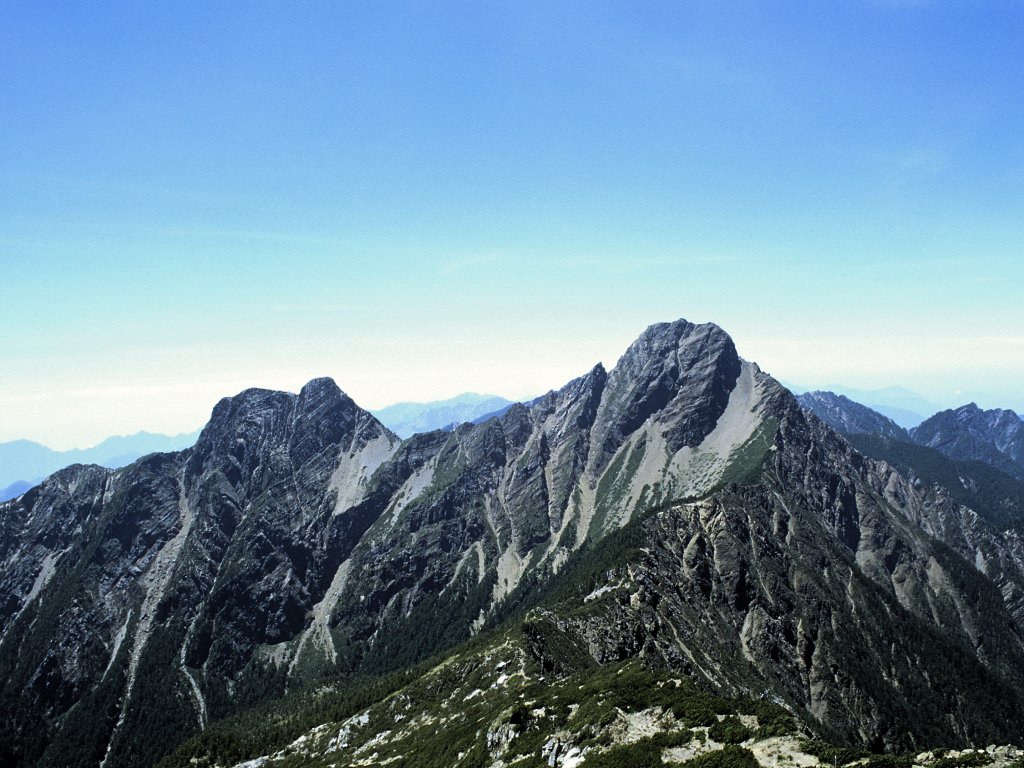
Approaching Mount Datong, trekkers are greeted by a striking volcanic landscape where rugged cinder cones rise sharply from the surrounding subtropical forest. The contrast between the dark basaltic slopes and the vibrant greenery creates a dramatic visual spectacle. As you ascend, the air carries a faint scent of earth and vegetation, and the terrain shifts from dense forest paths to open volcanic ridges. The sense of geological power is palpable, with ancient lava flows and volcanic ejecta scattered across the landscape. Reaching the summit or crater rim offers panoramic views of the volcanic field and the surrounding Guangxi region, evoking a profound connection to the Earth’s dynamic forces.
The Volcano Itself: Geological Background
Mount Datong is a dormant stratovolcano located in northern China’s Guangxi Zhuang Autonomous Region. It is part of the Datong volcanic field, which contains approximately 80 cinder cones and small lava domes spread over an area of about 130 square kilometers. These volcanic features formed during the Quaternary period as a result of tectonic activity and magma intrusion beneath the Loess Plateau. The volcanic cones, including notable peaks such as Heishan (Black Mountain) and Jinshan (Golden Mountain), exhibit classic cinder cone shapes with steep upper slopes and broader bases. The volcanic materials consist mainly of basaltic lava flows, scoria, pumice, and ash deposits. Historical records suggest possible eruptions around 450 AD, though the volcano has remained dormant since. The area is also known for its unique geological formations, including well-preserved craters and volcanic minerals, making it a natural geological museum and a significant site for scientific research.
The Volcano Trek: Terrain and Hiking Experience
Trekking Mount Datong offers a varied and engaging hiking experience shaped by its volcanic origins and subtropical environment. The terrain is characterized by a mixture of volcanic cones, basalt rock formations, and loess soil, creating a diverse hiking surface. Trails typically begin in lush forested areas with dense subtropical vegetation, providing shade and a rich sensory environment filled with bird calls and the rustling of leaves. As the trail ascends, hikers encounter steeper slopes composed of loose volcanic ash, scoria, and pumice, which can be challenging underfoot and require careful footing to avoid slips. The upper slopes of the cones are often steep and rocky, demanding moderate scrambling skills and good physical fitness. The volcanic soil is mixed with loess deposits, which can be powdery and unstable in places, adding to the technical challenge. Weather conditions can vary, with cooler temperatures and stronger winds near the summits, so layered clothing is recommended. The trail routes often traverse crater rims and lava fields, offering expansive views of the volcanic landscape and surrounding valleys. Altitude gain varies by route but generally ranges up to 600 meters, making the trek accessible to moderately experienced hikers. The volcanic terrain also features fumaroles and steam vents in some areas, adding to the geological intrigue but requiring caution. Overall, the hike combines natural beauty, geological wonder, and physical challenge, rewarding trekkers with immersive volcanic landscapes and panoramic vistas.
What Makes This Volcano Trek Unique
Mount Datong’s volcanic cones stand out due to their integration with lush subtropical forests, creating a rare blend of volcanic geology and vibrant biodiversity. Unlike many barren volcanic landscapes, Datong offers a green contrast that enriches the trekking experience. The volcanic field is also notable for its well-preserved cinder cones with distinct crater shapes and basaltic lava flows, providing a natural geological museum feel. The proximity to cultural landmarks such as the Hanging Temple and Yungang Grottoes adds a unique cultural dimension to the trek, allowing hikers to combine natural exploration with historical discovery. The volcanic ejecta and mineral deposits scattered across the terrain highlight the volcano’s dynamic past, while the relatively moderate trekking difficulty makes it accessible to a broad range of adventure travelers. Seasonal changes bring varied flora and fauna, enhancing the scenic appeal throughout the year.
The Summit and Crater Experience
Reaching the summit or crater rim of Mount Datong is a moment of awe and reflection. From the top, hikers are rewarded with sweeping views of the volcanic cones scattered across the landscape, their dark basaltic slopes contrasting sharply with the surrounding green forests. The crater itself is often a broad, dustpan-shaped depression, rimmed by rugged volcanic rock and occasional patches of hardy vegetation. The air near the crater carries a subtle mineral scent, and the ground may feel warm in places due to residual geothermal activity. The silence at the summit is profound, broken only by the wind and distant bird calls. On clear days, the panorama extends to nearby mountain ranges and cultural landmarks, offering a unique perspective on the region’s geological and cultural tapestry. The experience is both humbling and exhilarating, connecting trekkers to the Earth’s volcanic forces and the passage of geological time.
Best Time to Trek Mount Datong
The optimal trekking season for Mount Datong spans from spring through autumn, roughly April to October. During these months, the weather is generally mild and stable, with daytime temperatures ranging from 10°C to 25°C. Spring brings blooming flora and fresh greenery, enhancing the subtropical forest experience, while autumn offers crisp air and clear skies ideal for panoramic views. Summer months can be warm and humid, with occasional rain showers, so trekkers should prepare for variable weather and potential slippery trails. Winter is less suitable due to colder temperatures and possible snow at higher elevations, which can increase trail difficulty and reduce accessibility. It is advisable to avoid the peak rainy season to minimize risks associated with slippery volcanic ash and unstable terrain. Checking local weather forecasts and volcanic activity updates before the trek is recommended to ensure safety and optimal conditions.
Trekking Routes and Trail Options
Mount Datong offers several trekking routes catering to different interests and fitness levels. The most popular trail begins near the Jinshan (Golden Mountain) cone, which is well-preserved and accessible from Datong city. This route typically takes 1 to 2 days, covering an elevation gain of approximately 500 to 600 meters. It features a mix of forest paths, volcanic ash slopes, and rocky ridges, culminating at the crater rim with panoramic views. Another notable route ascends Heishan (Black Mountain), the highest peak in the cluster at 1,422 meters. This trail is longer and more challenging, suitable for experienced hikers seeking a more demanding ascent. It traverses diverse terrain including basalt lava fields and loess-covered slopes. For those interested in cultural integration, combined itineraries link volcanic trekking with visits to nearby historical sites such as the Hanging Temple and Yungang Grottoes, allowing a blend of nature and heritage exploration. Guided tours are widely available, offering expert knowledge and logistical support, though self-guided trekking is feasible with proper preparation. Trail markers and park signage assist navigation, but maps and GPS devices are recommended for less frequented paths. Seasonal variations may affect trail conditions, so checking current information before departure is essential.
Difficulty Assessment
Mount Datong’s trekking difficulty is classified as moderate. The terrain includes steep volcanic ash and pumice slopes, rocky ridges requiring scrambling, and forested paths with uneven footing. Altitude is moderate, with the highest peak reaching 1,882 meters, which generally does not cause severe altitude sickness but may affect less acclimated hikers. The trails demand a reasonable level of fitness and sure-footedness, especially on loose volcanic material where slips are possible. Technical climbing gear is not necessary, but trekking poles and sturdy boots with good grip are recommended. Weather conditions such as wind and rain can increase difficulty, making the terrain slippery and challenging. Overall, the trek is suitable for hikers with some prior mountain experience and good physical condition, but beginners with adequate preparation and guided support can also enjoy the experience.
Essential Volcano Trekking Gear
For trekking Mount Datong, essential gear includes sturdy hiking boots with strong grip to handle loose volcanic ash and rocky terrain. Trekking poles are highly recommended to aid balance and reduce strain on steep slopes. Layered clothing is necessary to adapt to temperature changes, including a moisture-wicking base layer, insulating mid-layer, and a windproof, waterproof outer shell. A hat and sunglasses provide sun protection, as volcanic landscapes offer little shade. Carry sufficient water and snacks for hydration and energy. A headlamp is useful for early starts or late finishes. While volcanic gases are minimal due to dormancy, a lightweight respirator or mask can be carried as a precaution. A first aid kit, map or GPS device, and a fully charged mobile phone are essential for safety. Sunscreen and insect repellent enhance comfort in the subtropical environment.
Safety and Volcanic Hazards
Mount Datong is classified as a dormant volcano, with no recent eruptions, reducing immediate volcanic hazards. However, trekkers should remain cautious of unstable terrain such as loose volcanic ash, pumice, and scree slopes that can cause slips and falls. Crater edges may be fragile and prone to collapse, so maintaining a safe distance is critical. Sudden weather changes, including strong winds and rain, can increase risks by making paths slippery and reducing visibility. Although volcanic gases are minimal, monitoring local geological updates is advisable. The Datong Volcanoes National Geological Park is managed with safety protocols and signage to guide visitors. Emergency services are accessible from nearby Datong city. Trekkers should inform local authorities or guides of their plans and avoid venturing off marked trails. Wearing appropriate gear and carrying communication devices enhances safety.
Permits, Guides, and Logistics
Mount Datong is located within the Datong Volcanoes National Geological Park, which requires visitors to pay an entry fee but does not mandate special trekking permits. The park is open year-round, with the best trekking conditions from spring to autumn. Several reputable tour operators provide guided trekking packages, including China Discovery, Tour Beijing, Windhorse Tour, China Tours, and Top China Travel. These companies offer customized itineraries combining volcano trekking with cultural visits to nearby attractions such as the Hanging Temple and Yungang Grottoes. Guided tours typically include transportation, park entry fees, local guides, and sometimes accommodation arrangements. For independent trekkers, access to the volcanic field is straightforward from Datong city, with public transport and taxis available to trailheads. It is advisable to book accommodations and transport in advance during peak seasons. Visitors should carry identification and park tickets during trekking. Local guides are recommended for safety, navigation, and enhanced geological and cultural insights. The park management enforces environmental protection rules to preserve the volcanic landscape and biodiversity. Visitors should respect these regulations and practice Leave No Trace principles.
Where to Stay Near Mount Datong
Datong city serves as the primary base for exploring Mount Datong and its volcanic cones. The city offers a wide range of accommodation options catering to different budgets and preferences. Notable hotels include the Yungang Jianguo Hotel, located centrally with easy access to transportation and city attractions; Pipa Hotel Datong, known for its comfort and service; and the Four Points by Sheraton Datong Pingcheng, offering modern amenities and convenient location. For travelers seeking traditional experiences, the Datong Yunzhong Traditional Courtyard provides a charming stay with authentic local architecture. Budget options such as JinJiang Inn and GreenTree Inn Express offer clean, affordable rooms near transport hubs. Many hotels provide shuttle services to major sites and trailheads. For those wishing to stay closer to the volcanic park, the Yunduan No.1 Camping Hotel is situated near the Datong Volcano Cluster National Geopark, offering rustic accommodation with facilities including a restaurant, picnic area, and garden. This homestay is ideal for trekkers wanting early access to trails and a nature-immersed experience. Datong city also features numerous dining options, local markets, and cultural sites, making it a comfortable and convenient base for volcano trekking. Booking in advance is recommended, especially during peak travel seasons.


