
Trekking Volcán La Yeguada: Complete Guide to Panama’s Dormant Stratovolcano and Volcanic Crater Lake
Explore the dormant Volcán La Yeguada in Panama’s Veraguas Province with this comprehensive trekking guide. Discover its volcanic crater lake, diverse terrain, moderate hiking routes, and rich geological history. Learn about permits, local accommodations, and safety tips for an unforgettable volcano adventure.
Quick Volcano Snapshot
| Attribute | Value |
|---|---|
| Volcano type | Complex stratovolcano |
| Elevation | 1297 m (4,255 ft) |
| Location | Veraguas Province, Panama |
| Activity status | Dormant |
| Trekking difficulty | Moderate |
| Typical trek duration | 4 to 6 hours |
| Altitude gain | Approximately 600 m |
| Terrain type | Volcanic rock, pine forest trails, crater lake shores |
| Best season | Dry season (December to April) |
| Temperature range | 18°C to 31°C (64°F to 88°F) |
| Permit requirement | Park entry permit required |
The Experience of Hiking Volcán La Yeguada
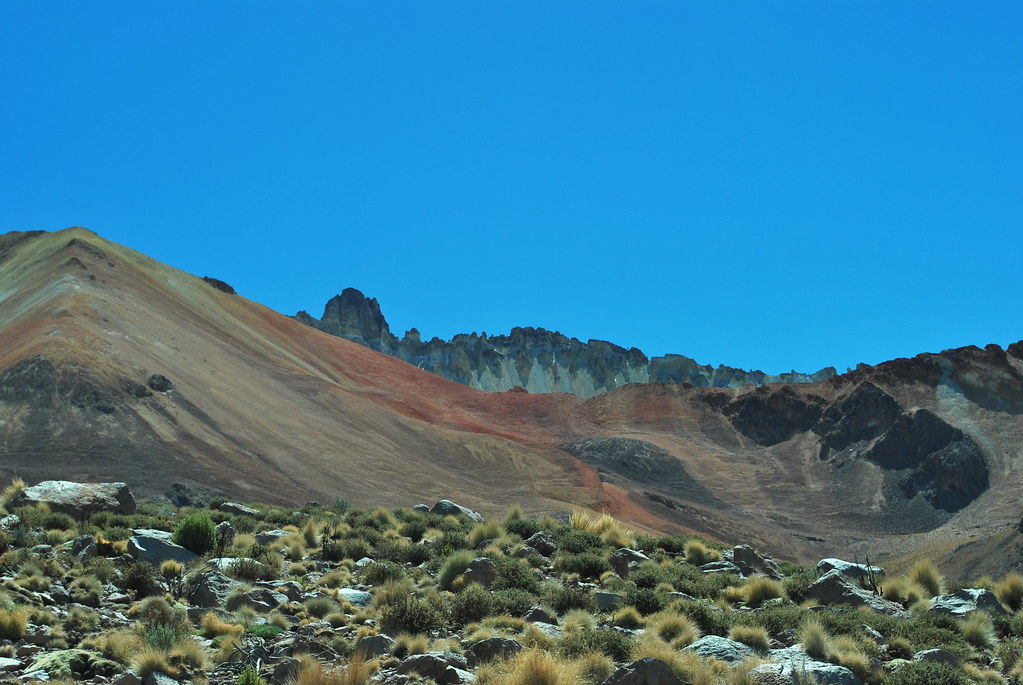
Approaching Volcán La Yeguada, hikers are greeted by a dramatic landscape where volcanic rock formations meet lush pine forests. The contrast between the rugged volcanic terrain and the serene crater lake creates a unique atmosphere of geological power and natural beauty. As you ascend, the air cools and the wind picks up, heightening the sense of adventure. Reaching the crater rim, the expansive views over the volcanic basin and surrounding highlands evoke a profound connection to the Earth’s dynamic forces. The tranquility of the lake nestled within the crater offers a rare moment of reflection amid the raw volcanic landscape.

Geological Background of Volcán La Yeguada
Volcán La Yeguada is a complex stratovolcano located in Panama’s Veraguas Province, part of the Central American volcanic arc. Formed through subduction-related calc-alkaline volcanism, its volcanic activity spans from the Miocene to the Quaternary period. The volcano features multiple volcanic centers, including the Media Luna cinder cone, which represents its youngest eruptive phase approximately 45,000 years ago. The volcanic complex includes lava domes and extensive ignimbrite deposits. The crater lake, formed by lava damming, is a distinctive feature within the volcanic basin. Geothermal activity persists in the area, particularly at the Chitra-Calobre geothermal field, indicating ongoing subterranean heat flow despite the volcano’s dormant status. The region’s volcanic minerals and rock types provide valuable insights into the petrogenesis of Central American stratovolcanoes.
Terrain and Hiking Experience on Volcán La Yeguada
The trek up Volcán La Yeguada offers a diverse hiking experience through varied terrain that challenges and delights adventurers. The trail begins in the highlands of Calobre, where open savannahs transition into dense pine forests, a result of Panama’s pioneering reforestation efforts. Hikers navigate well-marked forest paths weaving between tall pine trunks, vibrant orchids, and the calls of native birds, creating an immersive natural ambiance. The terrain underfoot varies from soft forest soil to rocky volcanic outcrops, requiring steady footing and moderate physical effort.
As the ascent continues, volcanic rock formations become more prominent. Trekkers encounter sections of hardened lava fields and loose volcanic scree, demanding careful steps and good hiking boots with solid grip. The trail’s moderate incline steadily gains altitude, approximately 600 meters, which may cause mild altitude effects for some hikers. Wind conditions can intensify near the crater rim, adding to the challenge and the exhilaration of the climb.
The volcanic crater lake, a serene jewel within the caldera, provides a rewarding destination. Its shores offer opportunities for rest and reflection amid the stark volcanic landscape. Along the way, hikers may pass geothermal hot springs in the Chitra region, where natural warmth contrasts with the cool mountain air. Seasonal weather shifts bring temperature variations from warm daytime highs around 31°C to cooler nights near 18°C, so layered clothing is advisable.
Overall, the trail combines forested sections, volcanic rock scrambling, and open ridge walking. The moderate difficulty level suits hikers with reasonable fitness and some experience on uneven terrain. The diversity of landscapes—from pine forests to volcanic basins—makes the trek both physically engaging and visually captivating.
What Makes the La Yeguada Volcano Trek Unique
Volcán La Yeguada stands out for its volcanic crater lake nestled within a vast volcanic complex, a rare feature in Panama. The trek offers a blend of geological intrigue and natural beauty, combining volcanic rock formations with thriving pine forests born from successful reforestation efforts. The presence of geothermal hot springs adds a dynamic element, highlighting the volcano’s lingering subterranean activity. Cultural connections enrich the experience, with local communities practicing artisanal coffee cultivation in mineral-rich volcanic soils nearby. The opportunity to explore waterfalls, serene lakes, and diverse ecosystems within the La Yeguada Forest Reserve makes this trek a multifaceted adventure beyond a typical volcano climb.
The Summit and Crater Experience at Volcán La Yeguada
Reaching the summit of Volcán La Yeguada, hikers are rewarded with panoramic views of the crater lake’s shimmering surface, framed by rugged volcanic ridges and dense pine forests. The air carries a faint, earthy scent, a subtle reminder of the volcano’s dormant power. The crater rim offers a vantage point to observe the vast volcanic basin below, where lava flows and geological formations tell stories of ancient eruptions. Gentle breezes sweep across the summit, bringing a refreshing coolness that contrasts with the warmth of the tropical lowlands. The peacefulness at the crater lake invites quiet contemplation, while the surrounding landscape reveals the enduring forces shaping Panama’s volcanic heritage.
Best Time to Trek Volcán La Yeguada
The optimal period for trekking Volcán La Yeguada is during Panama’s dry season, from December to April. During these months, trails are drier and more accessible, with reduced rainfall minimizing slippery conditions on volcanic rock and forest paths. The dry season also offers clearer skies, enhancing visibility and photographic opportunities at the summit and crater lake. Temperatures range from mild to warm, with cool breezes at higher elevations. The wet season, spanning May to November, brings frequent rains that can make trails muddy and more challenging, and increased humidity. Visitors should also consider local park regulations and weather forecasts, as sudden changes can occur in mountainous terrain. Early morning starts are recommended to avoid midday heat and to experience the tranquility of the forest and crater at sunrise.
Routes and Trail Options for Volcán La Yeguada
The primary trekking route to Volcán La Yeguada begins at the entrance of the La Yeguada Forest Reserve near Calobre in Veraguas Province. This trail leads hikers through a sequence of ecological zones, starting with open savannahs and transitioning into dense pine forests. The path is well-maintained and marked, suitable for moderate-level hikers. The ascent covers approximately 600 meters in elevation gain over a distance that typically takes 4 to 6 hours round trip.
For those seeking a guided experience, local operators such as Isthmian Adventures Panama and Ecoturismo La Yeguada offer day tours that include interpretive guides who share insights into the region’s geology, flora, and cultural history. These tours often incorporate visits to the crater lake, geothermal hot springs, and nearby waterfalls like La Silampa.
Self-guided hikers should prepare with detailed maps and adequate supplies, as amenities within the reserve are limited. Alternative routes include shorter nature walks around the crater lake and forest trails that explore the reforested pine areas. Some itineraries combine hiking with cultural visits to local coffee fincas, providing a broader perspective on the volcanic landscape’s influence on human activity.
Overall, the trail options accommodate a range of interests and fitness levels, from moderate day hikes to more immersive nature explorations with local guides.
Difficulty Assessment of the La Yeguada Volcano Trek
Volcán La Yeguada presents a moderate trekking challenge suitable for hikers with reasonable fitness and some experience on uneven terrain. The trail features steady elevation gain of about 600 meters, with sections of volcanic rock and loose scree requiring surefootedness. The pine forest paths are generally well-maintained but can be slippery during wet conditions. Altitude is moderate at 1297 meters, so altitude sickness is uncommon but possible for sensitive individuals.
Technical climbing skills are not required, and the route does not involve exposed ridges or steep rock faces. However, hikers should be prepared for variable weather, including wind and temperature shifts near the summit. The moderate difficulty classification reflects the combination of terrain variety, trail length, and environmental factors. Proper hiking boots, trekking poles, and layered clothing will enhance safety and comfort. Overall, the trek is accessible to adventurous travelers seeking a rewarding volcano hiking experience without technical mountaineering demands.
Essential Gear for Trekking Volcán La Yeguada
Successful trekking on Volcán La Yeguada requires gear tailored to volcanic terrain and tropical mountain conditions. Essential items include sturdy hiking boots with good traction to navigate rocky and loose scree sections safely. Trekking poles are recommended to aid balance and reduce strain on knees during ascent and descent.
Layered clothing is important to adapt to temperature changes, with moisture-wicking base layers, insulating mid-layers, and a windproof, waterproof outer shell. The area’s exposure to sun and wind necessitates sun protection such as a wide-brimmed hat, sunglasses, and high-SPF sunscreen.
A headlamp is useful for early morning starts or late returns. Hydration systems or water bottles are critical, as potable water sources are limited on the trail. A small first aid kit, insect repellent, and a map or GPS device enhance safety. For those interested in geothermal areas, swimwear and quick-dry towels are handy for hot spring visits. Finally, carrying a camera will help capture the stunning volcanic landscapes and crater lake views.
Safety and Volcanic Hazards at Volcán La Yeguada
Volcán La Yeguada is classified as dormant, with no recent eruptions or active fumarolic activity beyond the geothermal field. Hazards are minimal but hikers should remain cautious of unstable volcanic rock, loose scree, and potentially slippery trail sections, especially during or after rain. The crater rim can be exposed to strong winds, increasing the risk of falls.
Volcanic gases are not currently a concern on the hiking routes, but visitors should stay informed through local park authorities and monitoring agencies. Sudden weather changes are common in mountainous tropical environments, so preparedness for rain, wind, and temperature drops is essential.
Park regulations emphasize respecting the natural environment and following designated trails to minimize risk and preserve the ecosystem. Emergency services are limited in the area, so trekking with a guide or in groups is advisable. Visitors should carry communication devices and inform others of their plans. Overall, adherence to safety guidelines ensures a secure and enjoyable volcano trekking experience.
Permits, Guides, and Logistics for Trekking Volcán La Yeguada
Access to Volcán La Yeguada requires entry into the La Yeguada Forest Reserve, which is a protected area managed by Panama’s environmental authorities. Visitors must obtain a park entry permit, which helps support conservation efforts and maintain trail infrastructure. Permits can typically be purchased at the reserve entrance or arranged through local tour operators.
Guided tours are highly recommended for first-time visitors or those unfamiliar with the terrain. Operators such as Isthmian Adventures Panama and Ecoturismo La Yeguada provide knowledgeable guides who enrich the trekking experience with geological insights, cultural stories, and safety oversight. These tours often include transportation from nearby towns, equipment rental options, and visits to additional attractions like geothermal hot springs and waterfalls.
Logistically, the reserve is accessible only by road. From Panama City, travelers can take a daily bus departing from the Albrook Terminal at 8:00 a.m. to Calobre, followed by local transport to the reserve entrance. Private vehicles are common, with GPS navigation recommended due to winding mountain roads. The drive covers approximately 260 kilometers and takes several hours due to road conditions.
Visitors should plan for limited amenities within the reserve, bringing sufficient water, food, and gear. Camping is permitted in designated areas, but prior arrangement with park authorities or guides is advised. Seasonal weather impacts trail conditions; the dry season offers the best access. Overall, combining permits, guided support, and careful planning ensures a smooth and rewarding volcano trekking adventure.
Where to Stay Near Volcán La Yeguada
Accommodations near Volcán La Yeguada cater to a range of preferences, from rustic lodges to private vacation rentals. The closest base for accessing the volcano is the town of Calobre, located within Veraguas Province. Calobre offers modest guesthouses and small hotels providing basic amenities and local hospitality.
For a more immersive nature experience, several vacation rentals and country houses are available in nearby villages such as Olá and Cañaveral. Notable options include Finca La Terapia in Olá, a countryside retreat set on 42 private hectares featuring access to rivers, waterfalls, and hiking trails. This property offers tranquility, gardens, and proximity to natural attractions just minutes from the volcano.
In Cañaveral, residences like the ‘Residencia en Cañaveral’ provide comfortable stays with amenities such as private gardens, terraces with hill views, and reliable Wi-Fi. These accommodations are ideal for travelers seeking relaxation after a day of trekking.
Camping within the La Yeguada Forest Reserve is possible in designated areas, allowing adventurers to experience the volcanic environment overnight under starry skies. Facilities are basic, so campers should come prepared with suitable gear.
Transportation from accommodations to the trailhead is typically arranged via local guides or private vehicles. The proximity of these lodging options to the reserve entrance ranges from 10 to 30 kilometers, making early starts feasible. Overall, the region offers a blend of comfort and wilderness access to support volcano trekking itineraries.