
Hiking Mount Wudalianchi: A Complete Volcano Trekking Guide to China’s Volcanic Wonderland
Mount Wudalianchi, located in Heilongjiang Province, China, offers an accessible and easy volcano trekking experience through extensive lava fields, volcanic cones, and mineral-rich lakes. This guide covers the geological background, trekking terrain, routes, permits, accommodations, and safety tips for adventurers seeking to explore this unique dormant complex volcano and its surrounding UNESCO Global Geopark.
Quick Volcano Snapshot
| Attribute | Value |
|---|---|
| Volcano type | Complex volcano |
| Elevation | 596.9 m |
| Location | Heilongjiang Province, China |
| Activity status | Dormant |
| Trekking difficulty | Easy |
| Typical trek duration | 2-4 hours |
| Altitude gain | Approximately 150-200 m |
| Terrain type | Lava fields, volcanic cones, forest trails |
| Best season | Summer to early autumn (June–October) |
| Temperature range | 5°C to 25°C (seasonal variation) |
| Permit requirement | Entrance ticket required; no special permits |
The Experience of Hiking Mount Wudalianchi
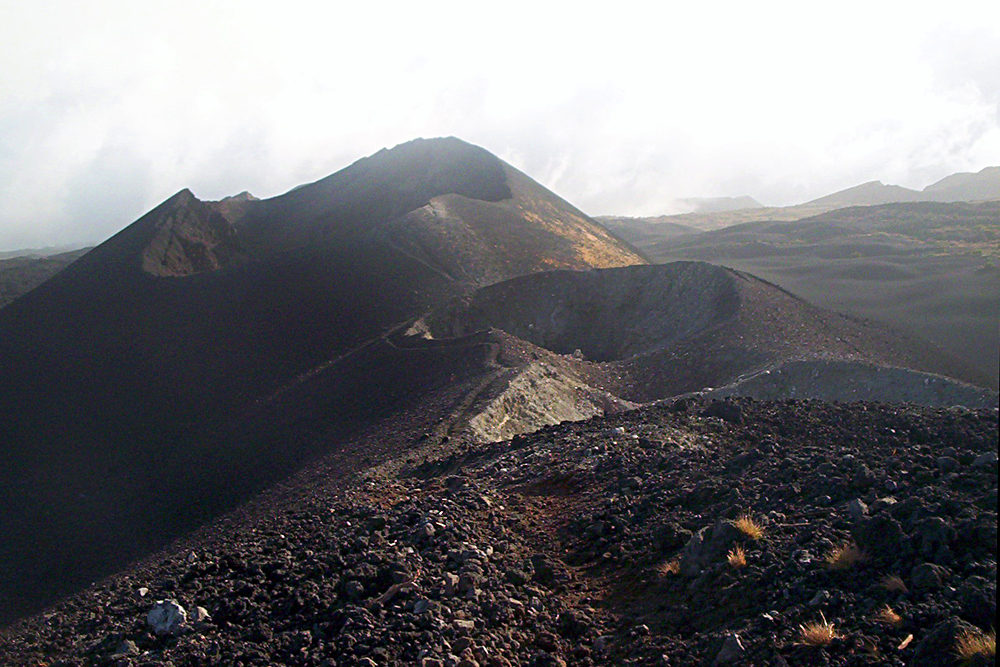
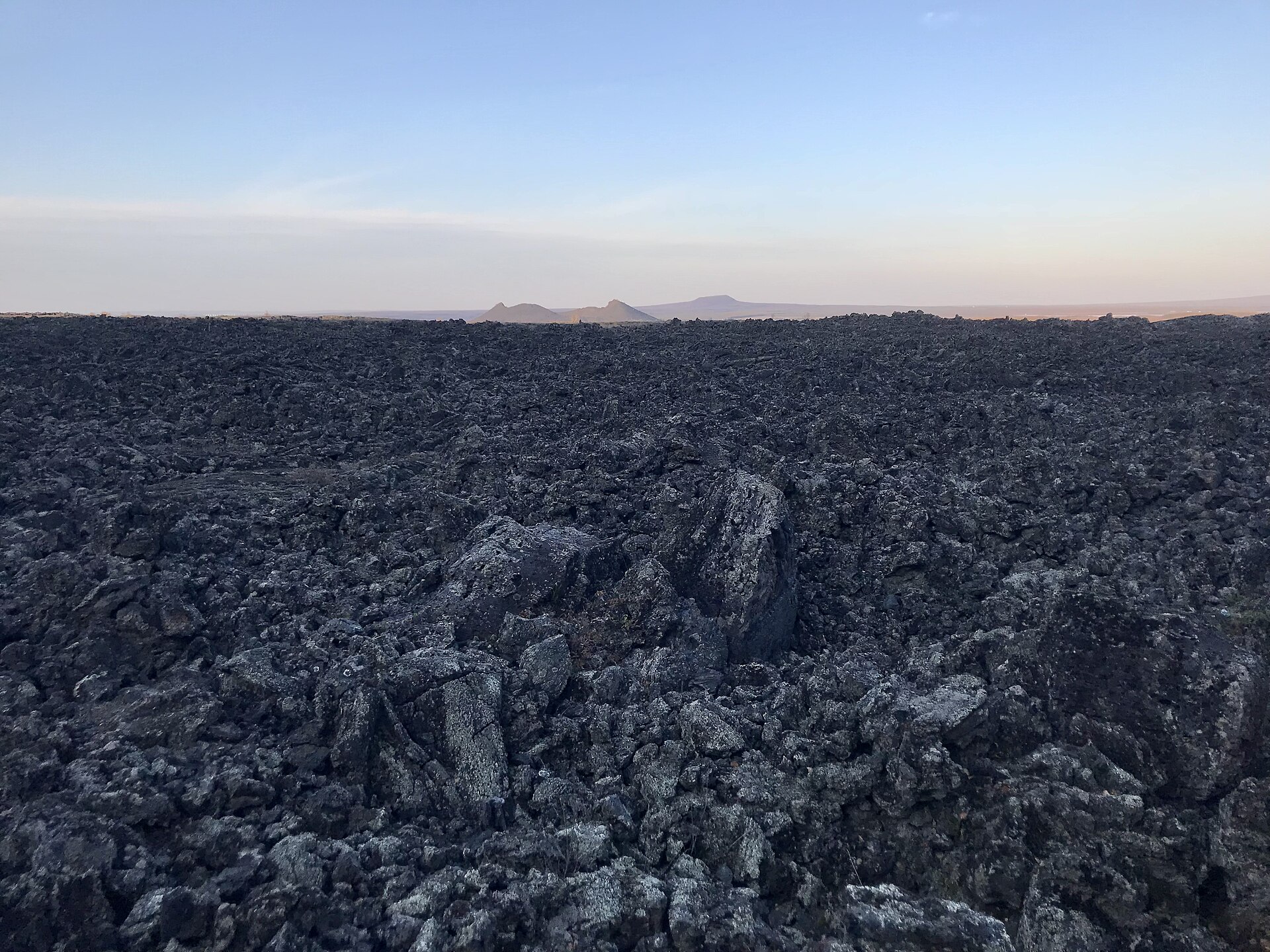
Approaching Mount Wudalianchi, hikers are greeted by a striking volcanic landscape where ancient lava flows stretch like petrified rivers across the terrain. The contrast between the rugged black lava fields and the lush green forests surrounding them creates a dramatic visual spectacle. As you ascend gentle slopes, the air carries a faint mineral scent from nearby springs, hinting at the geothermal forces beneath. Reaching the crater rim, you stand on a volcanic monument shaped by fiery eruptions centuries ago, overlooking serene crater lakes that mirror the sky. The blend of geological power and tranquil beauty offers an unforgettable trekking experience.

Geological Background of Mount Wudalianchi
Mount Wudalianchi is a complex volcanic field located in northeastern China’s Heilongjiang Province. It comprises 14 cinder cones formed over the past two million years, with the most recent eruptions occurring between 1719 and 1721. These eruptions created new volcanic cones such as Laoheishan and Huoshaoshan, along with five interconnected crater lakes formed by lava flows blocking river courses. The volcanic activity here is linked to a deep mantle plume and regional tectonic faults that channel magma to the surface. The landscape features diverse volcanic formations including pahoehoe and aa lava flows, extensive lava plateaus, and fumarolic cones. The area’s geology provides a rare glimpse into monogenetic volcanism and ongoing earth processes.
The Volcano Trek: Terrain and Hiking Experience
Hiking Mount Wudalianchi offers a varied and accessible terrain suitable for most fitness levels. The trails wind through dense birch and pine forests before opening onto expansive lava fields that feel otherworldly underfoot. The lava terrain includes both smooth pahoehoe flows and jagged aa lava, requiring careful footing but rewarding trekkers with unique textures and sounds as the porous rock crunches beneath boots. The ascent to Laoheishan’s crater rim is gentle, with well-maintained plank roads and paths that provide safe passage over fragile volcanic formations. Along the way, hikers encounter volcanic cones, fumarolic vents, and mineral springs, adding geological intrigue to the journey. The altitude gain is moderate, minimizing altitude sickness risk, while temperature shifts between shaded forest and exposed lava fields demand layered clothing. Winds can be brisk near the summit, enhancing the sense of exposure and vastness. The trail’s combination of forested sections and open volcanic landscapes creates a dynamic hiking experience that blends natural beauty with geological wonder. Seasonal changes bring further variety: summer offers lush greenery and wildflowers, autumn paints the forests in fiery hues, and winter cloaks the lava fields in snow, transforming the trek into a serene winter adventure. Overall, the terrain challenges are mild, making Mount Wudalianchi an ideal destination for volcano enthusiasts seeking a rewarding yet approachable trek.
What Makes the Mount Wudalianchi Trek Unique
Mount Wudalianchi stands out for its combination of extensive lava fields and the striking five interconnected crater lakes formed by volcanic activity. Unlike many volcanoes that tower as solitary peaks, Wudalianchi’s landscape is a mosaic of multiple volcanic cones and vast lava plateaus. The presence of cold mineral springs and hot springs adds a wellness dimension to the trek, allowing visitors to experience volcanic healing waters alongside geological exploration. The area’s cultural heritage, including the annual Sacred Spring Festival celebrated by local ethnic groups, enriches the trekking experience with traditional rituals and folklore. The well-preserved volcanic formations, including fumarolic cones and lava caves, offer rare insights into monogenetic volcanism. The accessible trails and scenic plank roads around crater rims provide panoramic views of the volcanic terrain and serene lakes, making this trek a blend of adventure, science, and relaxation.
The Summit and Crater Experience
Reaching the summit of Laoheishan, one of Mount Wudalianchi’s youngest volcanoes, hikers are rewarded with breathtaking views over a vast lava plateau and the five volcanic lakes below. The crater rim, approximately 350 meters in diameter and 136 meters deep, reveals a bowl-shaped depression lined with black pumice and volcanic rock. The air here carries a subtle sulfuric tang from residual fumaroles, and the silence is punctuated by the occasional hiss of escaping gases. The contrast between the rugged crater walls and the tranquil forested basin inside creates a powerful sensory experience. From this vantage point, the interplay of light on the lava flows and shimmering lake surfaces paints a dynamic landscape that shifts with the weather and time of day. The sense of standing atop a volcanic monument forged by fiery eruptions centuries ago evokes awe and a deep connection to the earth’s primal forces.
Best Time to Trek Mount Wudalianchi
The ideal trekking season for Mount Wudalianchi spans from late spring through early autumn, roughly June to October. During these months, temperatures range from mild to warm, and the weather is generally stable with clear skies, offering excellent visibility of the volcanic landscape and crater lakes. Summer brings lush vegetation and vibrant wildflowers, while autumn paints the forests in rich hues of red and gold, enhancing the scenic beauty. Winters are cold and snowy, transforming the area into a quiet, snow-covered wonderland, but hiking conditions become challenging due to ice and limited trail access. Spring can be wet and muddy, so proper gear is essential. Visitors should also consider local festivals, such as the Sacred Spring Festival in May, which provides cultural enrichment but may increase visitor numbers. Monitoring volcanic activity is recommended, although Mount Wudalianchi is currently dormant with no immediate eruption risk.
Trekking Routes and Trail Options at Mount Wudalianchi
Mount Wudalianchi offers several well-marked trails catering to different interests and fitness levels. The most popular route is the Laoheishan Summit Trail, starting near the Wudalianchi Worker’s Sanatorium. This trail is approximately 4 kilometers round-trip, with an elevation gain of about 150 meters, and typically takes 2 to 4 hours to complete. It features a mix of forest paths and plank roads leading to the crater rim, providing panoramic views of the volcanic field and the five interconnected lakes. For those seeking a longer hike, the Huoshaoshan Trail offers a moderate ascent to another dormant cone with scenic overlooks and geological features. Additionally, the Five Lakes Scenic Trail loops around the crater lakes, allowing visitors to explore volcanic landforms, mineral springs, and local flora. Guided tours are available and recommended for first-time visitors to gain geological insights and navigate the park efficiently. Self-guided hikers can rely on detailed maps and signage but should prepare adequately for changing weather and terrain conditions. Seasonal shuttle buses and private minivans facilitate access between trailheads and key attractions within the park.
Difficulty Assessment of Mount Wudalianchi Trek
Mount Wudalianchi is classified as an easy volcano trek, suitable for beginners and casual hikers. The terrain is predominantly gentle with well-maintained paths and plank roads, minimizing technical challenges. The altitude is modest, peaking below 600 meters, which reduces the risk of altitude sickness. Hikers should be prepared for uneven volcanic rock surfaces and occasional loose scree, but no specialized climbing skills or equipment are required. The trek demands moderate fitness to comfortably complete the ascent and descent within a few hours. Weather conditions can influence difficulty; wind exposure near crater rims and temperature fluctuations necessitate appropriate clothing. Overall, Mount Wudalianchi offers an accessible introduction to volcano trekking with rewarding geological and scenic experiences.
Essential Volcano Trekking Gear for Mount Wudalianchi
For trekking Mount Wudalianchi, essential gear includes sturdy hiking boots with good grip to navigate rocky and uneven lava terrain safely. Trekking poles are recommended to aid balance on loose or jagged surfaces. Layered clothing is important to adapt to temperature changes between shaded forests and exposed crater rims. A windproof jacket will protect against gusts near the summit. Sun protection such as a wide-brimmed hat, sunglasses, and sunscreen is necessary due to limited shade. Carry sufficient water and snacks to stay hydrated and energized. A headlamp is useful for early morning or late afternoon hikes. While volcanic gases are minimal at this dormant volcano, sensitive hikers may consider a lightweight respirator or mask. Finally, a camera or smartphone is essential to capture the stunning volcanic landscapes and crater lakes.
Safety and Volcanic Hazards at Mount Wudalianchi
Mount Wudalianchi is currently dormant, with no active eruptions reported since the early 18th century, making volcanic hazards minimal for trekkers. However, visitors should remain cautious of unstable crater edges and loose volcanic rock that can cause slips or falls. The rugged lava terrain may present sharp rocks and uneven footing, requiring attentive hiking and proper footwear. Sudden weather changes, including strong winds and temperature drops near the summit, can affect safety and comfort. While volcanic gases are generally absent, fumarolic areas may emit faint sulfur odors; hikers with respiratory sensitivities should take precautions. The park is monitored by local geological agencies, and visitors are advised to heed official warnings and stay on marked trails. Emergency services are available in nearby towns, but remote areas may have limited access. Overall, with sensible preparation and adherence to safety guidelines, trekking Mount Wudalianchi is a safe and rewarding adventure.
Permits, Guides, and Logistics for Trekking Mount Wudalianchi
Access to Mount Wudalianchi requires purchasing an entrance ticket to the Wudalianchi Scenic Area, which costs approximately 80 RMB for adults during peak season and 40 RMB for students. Tickets can be bought at park entrances or online through official tourism platforms. No special volcanic permits are necessary for hiking the trails. Guided tours are widely available through reputable operators such as Tour Beijing, Sunny China Travel, Travel China Guide, and China Travel Note. These companies offer English-speaking guides who provide geological insights, cultural context, and logistical support, enhancing the trekking experience. Visitors can book half-day or full-day tours that include transportation from nearby cities like Harbin or Heihe. Local shuttle buses and private minivans operate within the park to facilitate movement between trailheads and key attractions. It is advisable to book accommodations and tours in advance during peak seasons (summer and early autumn) to ensure availability. The park is open year-round from 8:00 AM to 6:00 PM, with some facilities closing earlier in winter. Visitors should prepare for limited English signage and bring cash for small purchases. Overall, the infrastructure supports comfortable and well-organized trekking with options for self-guided or guided exploration.
Where to Stay Near Mount Wudalianchi
Accommodation options near Mount Wudalianchi cater to a range of preferences and budgets, primarily centered in Wudalianchi town and the surrounding scenic area. The Wudalianchi Hot Spring International Hotel is a popular choice, located approximately 36 kilometers from the local airport and close to major attractions like Hubin Park and Wenpo Lake. It offers comfortable rooms, modern amenities, and easy access to mineral springs. Another notable option is the Xinquanshan Hot Spring Hotel, featuring a pool, gym, and on-site restaurant, ideal for travelers seeking wellness experiences after trekking. Both hotels provide convenient shuttle services to trailheads and sightseeing spots. For budget travelers, guesthouses and small inns in Wudalianchi town offer basic but clean accommodations with local hospitality. Camping is permitted in designated areas within the park for those seeking an immersive nature experience. Proximity to the Wudalianchi Worker’s Sanatorium provides a strategic base for early morning starts to the Laoheishan trail. Visitors are advised to book accommodations in advance during peak seasons to secure preferred lodging. The combination of volcanic landscapes and mineral springs makes staying near Mount Wudalianchi a unique blend of adventure and relaxation.