
Mount Bamboutos Volcano Trekking Guide: Exploring Cameroon’s Volcanic Massif and Crater Lakes
Mount Bamboutos, a complex dormant volcano in Cameroon’s Western Highlands, offers a demanding trek through volcanic landscapes, crater lakes, and waterfalls. This comprehensive guide covers geological insights, trekking routes, safety tips, permits, accommodations, and local tour operators for an unforgettable adventure.
Quick Volcano Snapshot
| Attribute | Value |
|---|---|
| Volcano type | Complex volcano |
| Elevation | 2,679 meters |
| Location | Western Highlands, Cameroon |
| Activity status | Dormant |
| Trekking difficulty | Demanding |
| Typical trek duration | 2-4 days |
| Altitude gain | Approximately 1,200 meters |
| Terrain type | Volcanic massif with crater lakes, waterfalls, steep slopes, lava rock, and fertile valleys |
| Best season | November to February (dry season) |
| Temperature range | 0°C to 27°C depending on altitude and season |
| Permit requirement | Permits required; local guides recommended |
The Experience of Hiking Mount Bamboutos
Approaching Mount Bamboutos, hikers are greeted by a dramatic volcanic massif rising sharply above Cameroon’s Western Highlands. The landscape is a striking contrast of lush fertile valleys and rugged volcanic peaks crowned by crater lakes and cascading waterfalls. Trekking here immerses you in a raw geological environment where the power of ancient volcanic forces is palpable. The ascent challenges your endurance as you navigate steep slopes and diverse terrain, but the reward is the breathtaking panorama from the summit, where the vast caldera and surrounding highlands unfold beneath a sky often painted with mist and sunlight. The emotional impact of standing atop this dormant giant, surrounded by endemic flora and the echoes of geological history, is profound and unforgettable.
Geological Background of Mount Bamboutos
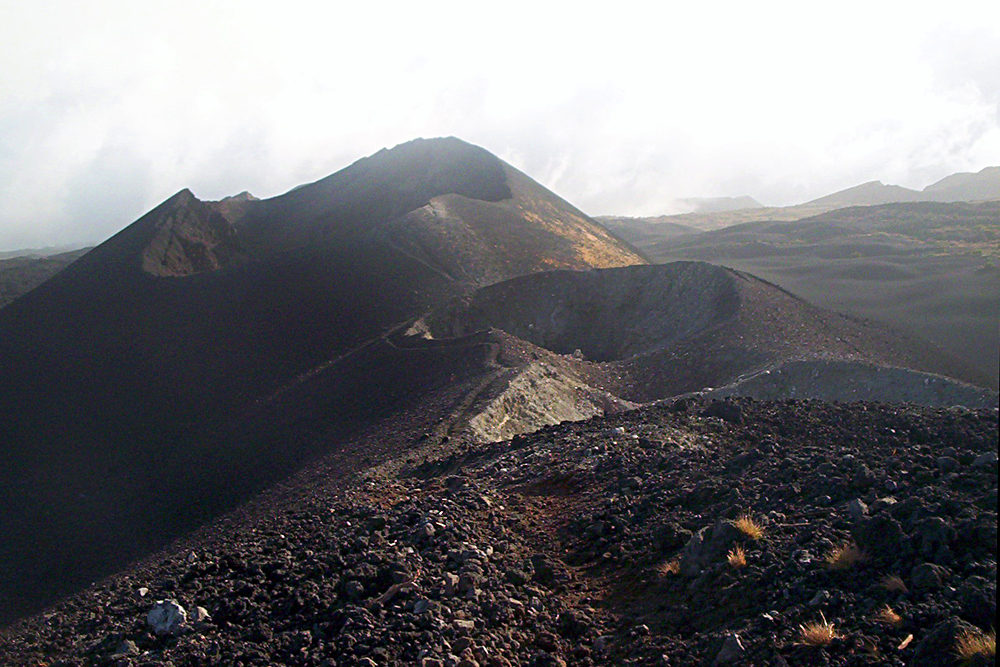
Mount Bamboutos is a complex volcano forming part of the Cameroon Volcanic Line, a chain of volcanic formations stretching across Central Africa. The massif rises to nearly 2,700 meters and is characterized by acidic volcanic rocks such as trachytes, phonolites, rhyolites, and tuffs. These volcanic materials have shaped the mountain’s rugged terrain, including steep slopes and a dramatic caldera. The volcano’s formation dates back to multiple eruptive phases, which have left behind crater lakes and fertile valleys. Although currently dormant, the massif’s geological features include fumaroles and mineral-rich soils that support diverse ecosystems. The volcanic soils are highly fertile but vulnerable to erosion due to steep gradients and heavy seasonal rains. Mount Bamboutos’ geology not only defines its striking landscape but also supports a unique biodiversity hotspot with endemic species adapted to this volcanic environment.
Terrain and Hiking Experience on Mount Bamboutos
The trek up Mount Bamboutos is a demanding journey through varied volcanic terrain that tests both physical endurance and technical hiking skills. The ascent begins in fertile agricultural valleys where local communities cultivate the rich volcanic soils. As you gain elevation, the landscape transitions to steep slopes composed of volcanic ash, loose pumice, and rocky outcrops. Hikers encounter sections of trachyte and phonolite rock formations that require careful scrambling, especially where the trail narrows along ridges or skirts crater edges. The volcanic massif features crater lakes and waterfalls, adding both scenic beauty and occasional wet, slippery trail conditions. Weather can be unpredictable, with mist and rain common during the wet season, making the volcanic soils slick and increasing the risk of erosion-related trail damage. Altitude effects become noticeable above 2,000 meters, with cooler temperatures and thinner air challenging stamina. Wind exposure near the summit can be strong, requiring windproof clothing. The trail demands good fitness and trekking experience, as hikers must navigate uneven terrain, steep ascents, and occasional loose scree. Despite these challenges, the trek rewards adventurers with immersive volcanic landscapes, endemic flora, and spectacular views of the Cameroon Volcanic Line. Proper preparation, including sturdy hiking boots and trekking poles, is essential for safety and comfort on this rugged volcanic ascent.
What Makes the Mount Bamboutos Trek Unique
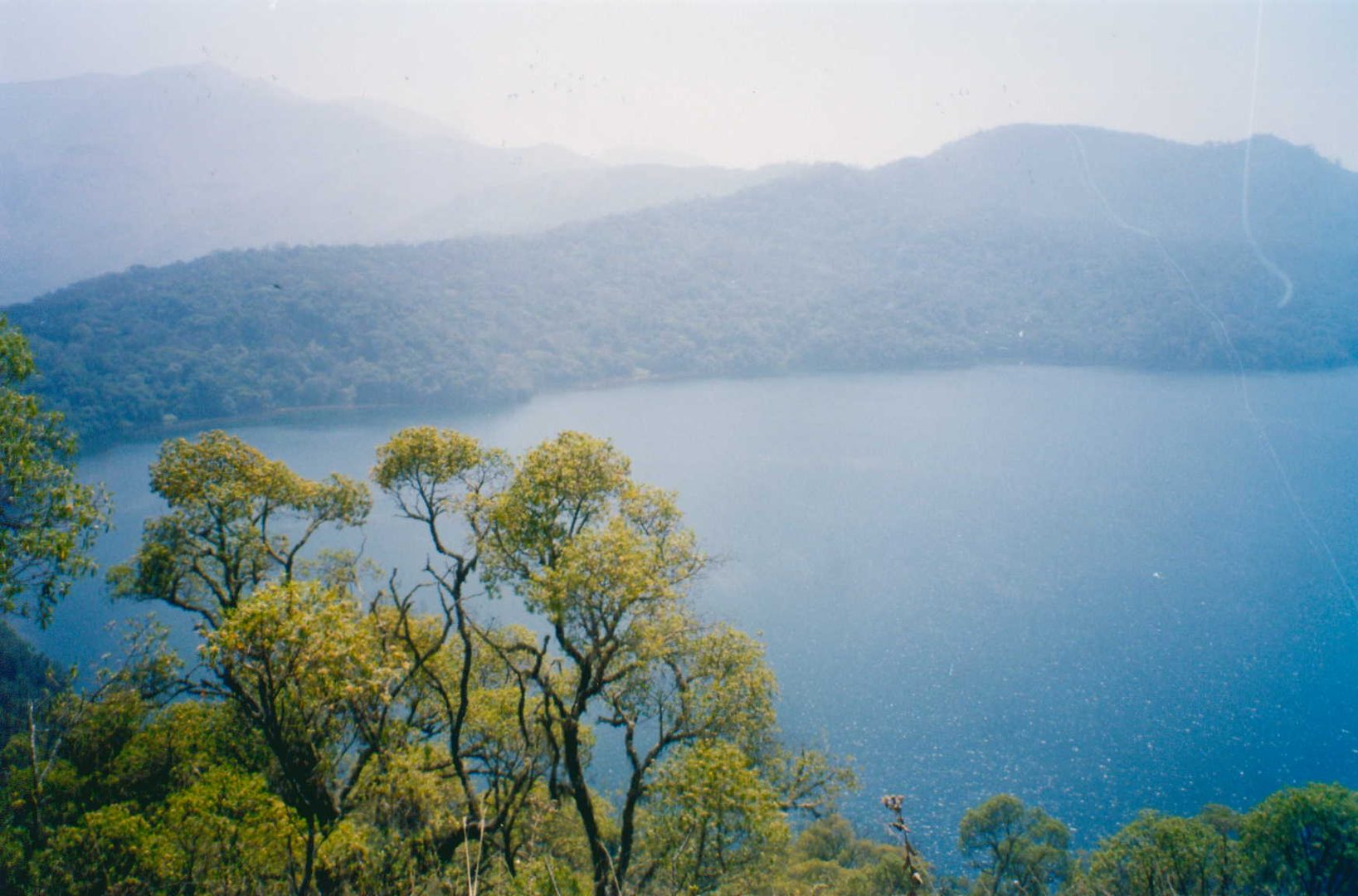
Mount Bamboutos stands out for its combination of geological complexity and rich biodiversity. Unlike many volcanic treks dominated by barren lava fields, Bamboutos offers a mosaic of crater lakes, waterfalls, and fertile valleys nestled within a volcanic massif. The presence of multiple crater lakes within the caldera provides rare aquatic habitats at high altitude. The massif is also a biodiversity hotspot, home to endemic plant and amphibian species found nowhere else. The cultural richness of the surrounding communities adds depth to the trekking experience, with opportunities to engage with local traditions and agroforestry practices. The mountain’s dormant status allows for safer exploration compared to active volcanoes, yet the terrain remains challenging and wild. This blend of ecological significance, geological wonder, and cultural heritage makes the Mount Bamboutos trek a distinctive adventure for volcano enthusiasts and nature lovers alike.
Summit and Crater Experience on Mount Bamboutos
Reaching the summit of Mount Bamboutos is a moment of profound awe. The crater rim reveals a vast caldera dotted with serene crater lakes, their waters reflecting the sky and surrounding peaks. The air carries a crisp freshness, occasionally tinged with the faint scent of mineral-rich soils. From this vantage point, panoramic views stretch across the Cameroon Volcanic Line, encompassing rolling highlands, distant volcanic cones, and fertile valleys below. The summit area is often shrouded in mist, lending an ethereal quality to the landscape. Hikers can observe the subtle geological features of the caldera, including fumarolic vents and ancient lava flows. The silence at the top is punctuated only by the wind and the distant calls of endemic birds. This summit experience connects trekkers intimately with the volcanic forces that shaped the region, offering a powerful reminder of Earth’s dynamic nature.
Best Time to Trek Mount Bamboutos
The optimal time to trek Mount Bamboutos is during the dry season, from November to February, when rainfall is minimal and trails are more accessible. During these months, the weather is generally stable with clearer skies, enhancing visibility for panoramic summit views. Temperatures range from near freezing at higher elevations in the early morning to mild warmth during the day. Avoiding the wet season, which spans April to October, is advisable as heavy rains can make trails slippery and increase the risk of erosion and landslides. The dry season also reduces the prevalence of biting insects and improves camping conditions. Early morning starts are recommended to take advantage of cooler temperatures and to complete summit climbs before afternoon cloud cover or winds intensify. Seasonal volcanic monitoring indicates no current activity restrictions, but trekkers should stay informed of any updates from local authorities.
Trekking Routes and Trail Options on Mount Bamboutos
Mount Bamboutos offers several trekking routes catering to different levels of experience, all showcasing the massif’s volcanic features and natural beauty. The most popular route begins near the town of Bafoussam, the regional capital and gateway to the Western Highlands. From here, hikers ascend through cultivated valleys and forested slopes, gradually gaining altitude toward the caldera rim. This route typically involves a 2-3 day trek with an elevation gain of approximately 1,200 meters, demanding good fitness due to steep sections and variable terrain. Another option starts from Dschang, offering a longer approach through diverse ecosystems including montane forests and grasslands. This trail is favored by those seeking a more immersive ecological experience and can extend to 3-4 days. Both routes require local guides familiar with the terrain and cultural context, enhancing safety and enriching the journey. Trail conditions vary seasonally, with some sections prone to erosion during the rainy season. Camping is possible near crater lakes and waterfalls, though basic facilities necessitate self-sufficiency. Guided tours by operators such as Luxecam Tours Ltd and Cameroon Travel and Tours provide logistical support, including transport, permits, and accommodation arrangements, making the trek accessible to international visitors.
Difficulty Assessment of the Mount Bamboutos Trek
The trek up Mount Bamboutos is classified as demanding due to its steep ascents, variable volcanic terrain, and altitude. Hikers face challenging sections of loose volcanic ash, rocky scrambles, and uneven trails that require sure-footedness and stamina. Altitude gain of around 1,200 meters over 2-4 days can induce mild altitude effects, especially for those unaccustomed to elevations above 2,000 meters. The trail demands a moderate to high level of fitness, with endurance needed for sustained uphill hiking and the ability to navigate slippery or unstable ground. Technical mountaineering skills are not required, but experience with rugged trail conditions and basic navigation is beneficial. Weather conditions, including wind and sudden temperature drops near the summit, add to the challenge. Proper acclimatization, pacing, and preparation are essential to safely complete the trek and fully enjoy the volcanic landscape.
Essential Gear for Trekking Mount Bamboutos
Successful trekking on Mount Bamboutos requires gear suited to volcanic terrain and variable weather. Essential items include sturdy hiking boots with strong grip to handle loose volcanic ash and rocky sections. Trekking poles help maintain balance on steep and uneven slopes. A windproof and waterproof jacket is necessary to protect against sudden weather changes and mist near the summit. Layered clothing allows adjustment to temperature fluctuations from warm valley floors to cooler high elevations. A headlamp is useful for early morning starts or late finishes. Due to the volcanic environment, gaiters can prevent ash and debris from entering boots. Hydration systems are critical, as water sources may be limited on the trail. Sun protection, including a wide-brimmed hat, sunglasses, and high-SPF sunscreen, is important since volcanic landscapes offer little shade. A basic first aid kit, map, and compass or GPS device enhance safety. For those sensitive to volcanic gases or dust, a lightweight respirator or mask is recommended. Finally, camping gear is needed for multi-day treks, as accommodations on the mountain are minimal.
Safety and Volcanic Hazards on Mount Bamboutos
While Mount Bamboutos is currently dormant, safety considerations remain paramount for trekkers. The volcanic terrain presents hazards such as unstable crater edges, loose scree, and steep ash slopes that can cause slips and falls. Sudden weather changes, including fog, rain, and strong winds near the summit, can reduce visibility and increase exposure risks. Although no recent eruptions have been recorded, fumarolic activity and mineral-rich soils may emit low levels of volcanic gases; hikers with respiratory sensitivities should take precautions. Trail erosion and landslides are possible during the wet season, emphasizing the importance of trekking during the dry months. Local authorities and conservation organizations monitor the area, and trekkers should heed any warnings or restrictions. Using experienced local guides enhances safety by providing knowledge of terrain, weather patterns, and emergency procedures. Adequate preparation, including proper gear and physical conditioning, is essential to mitigate risks and ensure a safe and rewarding volcanic trekking experience.
Permits, Guides, and Logistics for Mount Bamboutos Trekking
Trekking Mount Bamboutos requires careful planning regarding permits, guides, and logistics to ensure a smooth and safe adventure. Visitors must obtain permits from local authorities, which regulate access to the volcanic massif and surrounding protected areas. These permits help support conservation efforts and local communities. The permit process typically involves contacting regional tourism offices or arranging through reputable tour operators. Several established companies offer guided trekking packages, including Luxecam Tours Ltd, Cameroon Travel and Tours, Travel O Cameroon, and Discover Cameroon Tours. These operators provide comprehensive services such as permit acquisition, transportation from major towns like Bafoussam or Dschang, experienced local guides, and accommodation arrangements. Guided treks enhance safety, cultural understanding, and environmental stewardship. Logistics include travel to the Western Highlands via Douala or Yaoundé airports, followed by road transfers to trailheads. Accommodation options range from guesthouses in nearby towns to basic campsites on the mountain. Trekkers should prepare for limited infrastructure on the massif itself, carrying necessary supplies and camping gear for multi-day hikes. Communication can be limited in remote areas, so informing operators of your itinerary is crucial. Overall, partnering with local guides and tour operators ensures compliance with regulations, enriches the trekking experience, and supports sustainable tourism in the Mount Bamboutos region.
Where to Stay and Nearby Bases for Mount Bamboutos Trekking
The primary base for trekking Mount Bamboutos is the city of Bafoussam, the capital of Cameroon’s West Region. Bafoussam offers a range of accommodations from comfortable hotels to guesthouses that cater to travelers seeking access to the Western Highlands. Notable options include Hotel Le Meidong and Hotel La Falaise, both providing essential amenities such as secure parking, Wi-Fi, and local cuisine. These establishments are conveniently located within 30 to 60 minutes’ drive from the mountain’s trailheads, allowing early starts for summit attempts. For a more immersive experience, smaller lodges and eco-camps are available in villages like Dschang and Mbouda, offering closer proximity to the volcanic massif and opportunities to engage with local communities. These accommodations emphasize sustainability and cultural exchange, often featuring traditional meals and guided nature walks. While on the mountain, camping near crater lakes or waterfalls is possible but requires self-sufficiency due to minimal facilities. It is advisable to coordinate lodging and camping logistics through local tour operators who can arrange transport, meals, and guide services. Staying in Bafoussam or nearby towns provides access to markets, medical facilities, and communication services, essential for a well-supported trekking expedition in this demanding volcanic environment.