
Mount Berlin Volcano Trekking Guide: Exploring Antarctica’s Active Ice-Covered Stratovolcano
Mount Berlin is an active stratovolcano in Antarctica’s Marie Byrd Land, featuring glacier-covered peaks, fumarolic ice towers, and a demanding trekking experience in one of Earth’s most remote volcanic landscapes. This guide covers its geology, terrain, routes, safety, and logistics for adventurous explorers.
Quick Volcano Snapshot
| Attribute | Value |
|---|---|
| Volcano type | Stratovolcano |
| Elevation | 3,478 meters (11,411 feet) |
| Location | Marie Byrd Land, Antarctica |
| Activity status | Active (fumarolic activity) |
| Trekking difficulty | Demanding |
| Typical trek duration | Variable; expedition-style multi-day approach |
| Altitude gain | Approx. 2,100 meters above local ice sheet |
| Terrain type | Glacier-covered slopes, ice towers, volcanic rock outcrops |
| Best season | Antarctic summer (November to February) |
| Temperature range | -20°C to -5°C (varies with weather and altitude) |
| Permit requirement | Strict Antarctic Treaty permits required; access highly regulated |
Introduction: The Experience of Hiking Mount Berlin
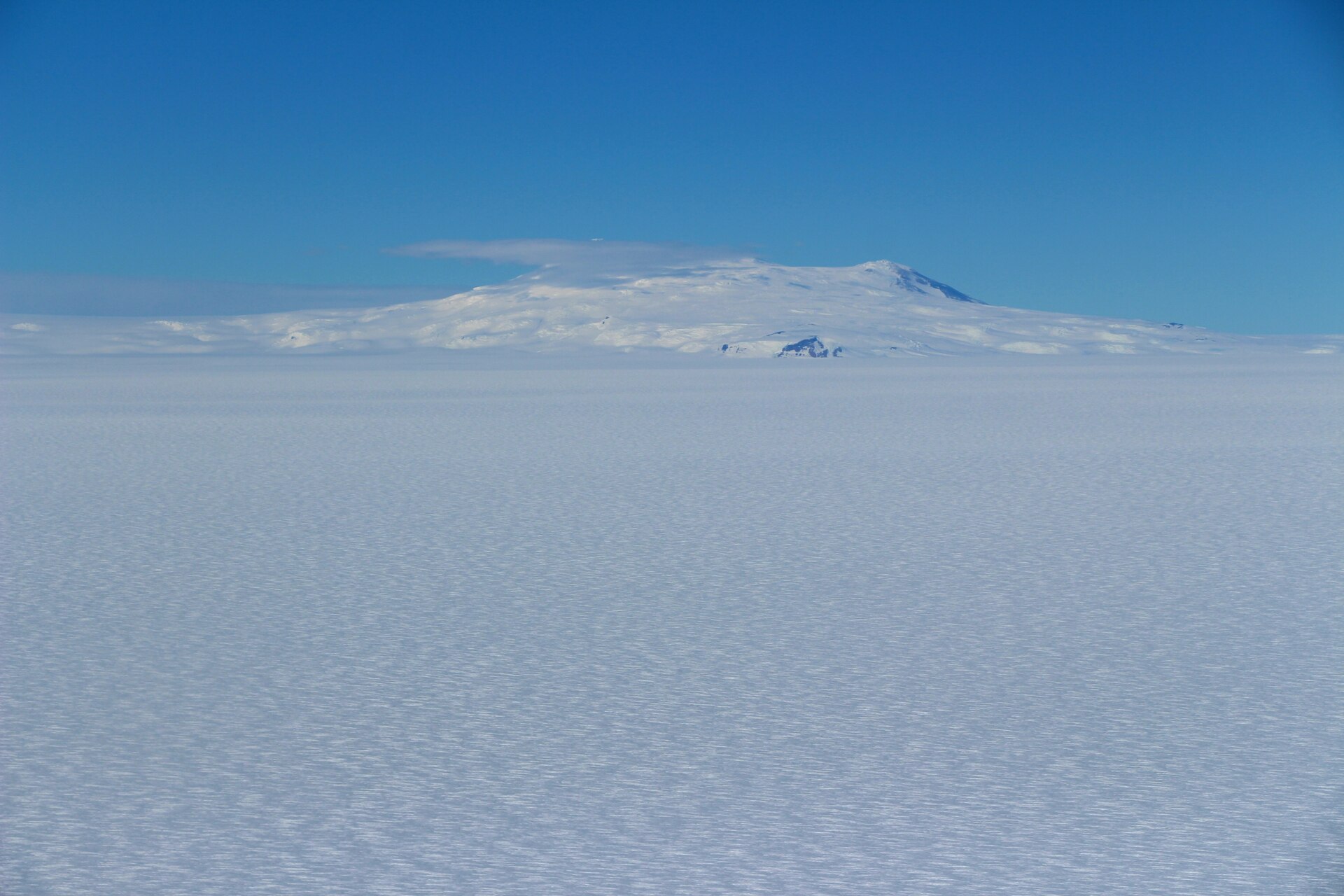
Approaching Mount Berlin is stepping into a realm where the raw power of Earth’s geology meets the stark, icy wilderness of Antarctica. The towering glacier-covered stratovolcano rises dramatically from the vast West Antarctic Ice Sheet, its summit crowned by sharply defined ice-capped calderas. Hiking here is not just a physical challenge but an immersion into a landscape shaped by fire and ice. The contrast between the steaming fumarolic ice towers and the surrounding frozen expanse evokes a profound sense of nature’s extremes. Reaching the summit crater offers a rare encounter with active geothermal phenomena amid the polar silence, a moment of awe and reflection on the planet’s dynamic forces.
The Volcano Itself: Geological Background
Mount Berlin is a composite stratovolcano located in Marie Byrd Land, West Antarctica, forming part of the Flood Range volcanic province. It consists of two coalesced shield volcanoes: the main Berlin edifice with a 2-kilometre-wide summit crater and Merrem Peak, which lies 3.5 kilometres to the west and features its own 2.5-by-1-kilometre-wide crater. The volcano rises approximately 3,478 meters above sea level, protruding prominently from the West Antarctic Ice Sheet. Its volcanic history dates back to the Pliocene, with activity continuing into the late Pleistocene and Holocene epochs. The dominant volcanic rock type is trachyte, found in lava flows and pyroclastic deposits. Explosive eruptions have produced widespread tephra layers identified in Antarctic ice cores, marking Mount Berlin as a significant regional volcanic source. Present-day fumarolic activity generates steaming ice towers, indicating residual geothermal heat beneath the ice-covered summit. The volcano’s calderas and ice-crowned rims reflect complex eruptive and collapse processes, while its geological setting within the West Antarctic Rift System highlights mantle plume influences and lithospheric extension driving volcanism in this remote polar environment.

The Volcano Trek: Terrain and Hiking Experience
Trekking Mount Berlin presents an extraordinary challenge shaped by its unique Antarctic environment and volcanic features. The terrain is dominated by thick glacier cover, with only occasional rocky outcrops visible, requiring trekkers to navigate a landscape of ice, snow, and volcanic debris. The ascent involves negotiating steep glacier slopes with inclinations averaging 12 to 13 degrees, demanding proficiency in glacier travel techniques and the use of crampons and ice axes. The presence of fumarolic ice towers near the summit adds an unusual element to the terrain, where steaming vents create fragile ice formations that must be carefully avoided. Loose volcanic rocks and pyroclastic deposits can be encountered on lower flanks, requiring cautious footing. Weather conditions are extreme and variable, with temperatures often plunging below -20°C and strong katabatic winds that can rapidly change the hiking experience. Altitude effects are significant, as the summit rises over 3,400 meters, necessitating acclimatization to prevent altitude sickness. The route demands endurance and technical skill, as trekkers must be prepared for crevasse navigation, potential whiteouts, and the physical strain of climbing in cold, high-altitude polar conditions. The volcanic landscape’s stark contrasts—from icy expanses to steaming fumaroles—offer a surreal and compelling hiking experience unlike any other on Earth.
What Makes This Volcano Trek Unique
Mount Berlin’s trek is distinguished by its extraordinary combination of active volcanism and Antarctic glaciation. It is one of the few volcanoes on Earth where hikers can witness steaming fumarolic ice towers rising amidst a frozen summit, a phenomenon created by geothermal heat interacting with the polar environment. The volcano’s remote location in Marie Byrd Land ensures an untouched wilderness experience far from conventional trekking routes. The vast ice sheet surrounding the volcano contrasts starkly with the volcanic rock and ash deposits, creating a landscape of dramatic geological contrasts. The presence of two coalesced volcanic edifices with large calderas aligned east-west adds geological complexity and visual grandeur. This trek offers a rare opportunity to explore active geothermal activity in one of the coldest, windiest, and most isolated places on the planet, appealing to both scientific explorers and extreme adventure seekers.
The Summit and Crater Experience
Reaching the summit crater of Mount Berlin is a profound encounter with the planet’s geothermal forces beneath the Antarctic ice. The 2-kilometre-wide Berlin Crater is sharply defined and rimmed with ice, offering panoramic views over the vast West Antarctic Ice Sheet and neighboring volcanic peaks. At the crater rim, hikers can observe steaming fumaroles emitting sulfurous gases, their heat sculpting towering ice formations and creating surreal ice caves. The air carries the faint scent of sulfur, and the subtle hissing of escaping gases punctuates the polar silence. The summit’s exposure to extreme winds and cold temperatures heightens the sense of isolation and raw natural power. This moment is both humbling and exhilarating, as trekkers stand on an active volcanic summit in one of Earth’s most extreme environments.
Best Time to Trek Mount Berlin
The optimal time to attempt a trek on Mount Berlin is during the Antarctic summer months, from November to February, when temperatures are relatively milder and daylight is continuous. Weather conditions are less severe, though still challenging, with temperatures ranging from -20°C to -5°C. This season offers the best window for safe glacier travel and reduces risks associated with extreme cold and storms. Access is further constrained by Antarctic Treaty regulations and logistical considerations, limiting expeditions to this brief period. Seasonal hazards include sudden whiteouts, katabatic winds, and crevasse formation due to melting and refreezing cycles. Volcanic activity remains low-level fumarolic emissions, but monitoring is essential to detect any changes. Planning for a summer expedition maximizes safety and the likelihood of successful summit attempts.
Trekking Routes and Trail Options
Mount Berlin’s remote location and harsh environment mean that established trekking routes are minimal and primarily used by scientific expeditions. Access typically begins from research stations or logistical hubs on the Antarctic coast, followed by ski-equipped aircraft or overland traverse to base camps near the volcano’s flanks. The ascent route involves glacier travel up the volcano’s slopes, navigating crevassed ice fields and volcanic debris. The main approach targets the Berlin Crater summit via the southeastern margin, which is the highest point. Due to the glacier cover and fumarolic activity, route-finding requires expert knowledge of polar mountaineering and volcanic terrain. There are no commercial guided trails or marked paths; expeditions must be self-sufficient or supported by specialized polar adventure operators. The terrain’s complexity and environmental sensitivity restrict the number of viable routes, emphasizing the need for careful planning and experienced leadership.
Difficulty Assessment
Mount Berlin presents a demanding volcano trek that combines high-altitude mountaineering with polar glacier travel. The terrain requires technical skills in ice climbing, crevasse rescue, and navigation under extreme weather conditions. The altitude of 3,478 meters, combined with cold temperatures and strong winds, increases physical strain and risk of altitude sickness. The presence of fumarolic ice towers adds hazards unfamiliar to most trekkers. This trek is suitable only for highly experienced mountaineers with prior polar expedition experience and excellent physical fitness. It is classified as a demanding volcano ascent, requiring specialized equipment, careful acclimatization, and comprehensive safety protocols.

Essential Volcano Trekking Gear
Trekking Mount Berlin demands specialized gear tailored to polar volcanic conditions. Essential equipment includes insulated, waterproof mountaineering boots compatible with crampons; crampons and ice axes for glacier travel; trekking poles for stability on mixed terrain; volcanic ash gaiters to protect against fine volcanic debris; a windproof and insulated jacket and pants; layered thermal clothing for temperature regulation; a high-quality gas mask or respirator to guard against sulfurous volcanic gases near fumaroles; headlamp for early starts or low visibility; glacier travel safety gear including harness, ropes, and crevasse rescue equipment; UV-protective sunglasses or goggles to prevent snow blindness; hydration systems resistant to freezing; and sun protection such as sunscreen and lip balm, as UV exposure is intense at high altitude and on reflective snow. Preparation for rapidly changing weather and volcanic hazards is critical.
Safety and Volcanic Hazards
Mount Berlin’s active fumarolic activity presents unique safety considerations. Volcanic gases such as sulfur dioxide and hydrogen sulfide can be toxic; trekkers must monitor gas concentrations and avoid vent areas. The fumarolic ice towers are structurally unstable and can collapse without warning, posing risks of injury. The glacier-covered terrain includes hidden crevasses and unstable snow bridges, requiring vigilance and proper glacier travel techniques. Sudden weather changes, including whiteouts and high winds, can impair visibility and increase exposure risks. Although no recent eruptions have been recorded, the volcano’s geothermal activity necessitates ongoing monitoring by scientific agencies. Expeditions must coordinate with Antarctic research stations and adhere to environmental protocols under the Antarctic Treaty to ensure safety and minimize ecological impact.
Permits, Guides, and Logistics
Access to Mount Berlin is highly restricted under the Antarctic Treaty System, which mandates environmental protection and regulated visitation. All expeditions require permits issued by national Antarctic programs, typically coordinated through governmental agencies responsible for Antarctic affairs. Independent travel is virtually impossible due to the extreme remoteness and logistical complexity. No commercial tour operators currently offer regular guided treks to Mount Berlin, reflecting the volcano’s inaccessibility and environmental sensitivity. Scientific expeditions and specialized polar adventure companies may organize visits under strict permit conditions, but these are rare and require extensive planning. Logistics involve transport via ice-capable aircraft or overland traverse from coastal research stations, with support for establishing base camps on the ice sheet. Permits include environmental impact assessments, emergency response plans, and compliance with waste management protocols. Costs are substantial, covering transport, specialized gear, expert guides, and safety personnel. Travelers must coordinate closely with national Antarctic programs and experienced polar expedition providers to arrange access and ensure compliance with all regulations.
Where to Stay Near Mount Berlin
Due to Mount Berlin’s extreme Antarctic location, there are no permanent accommodations or hotels nearby. Visitors rely on temporary field camps established during expeditions, typically consisting of insulated tents designed for polar conditions. These camps serve as base stations for climbing and scientific research and are equipped with essential survival gear, communication equipment, and emergency supplies. The nearest permanent facilities are Antarctic research stations located hundreds of kilometers away along the coast, such as those operated by the United States and other treaty nations. Travelers usually arrive via ice-capable aircraft from coastal hubs like McMurdo Station or from expedition ships. Luxury lodges and camps exist elsewhere in Antarctica, such as Whichaway Camp and Echo Camp in Queen Maud Land, but these are not proximate to Mount Berlin and serve different regions. Due to the lack of infrastructure, expeditions to Mount Berlin require self-sufficiency, meticulous planning, and logistical support from specialized polar operators.