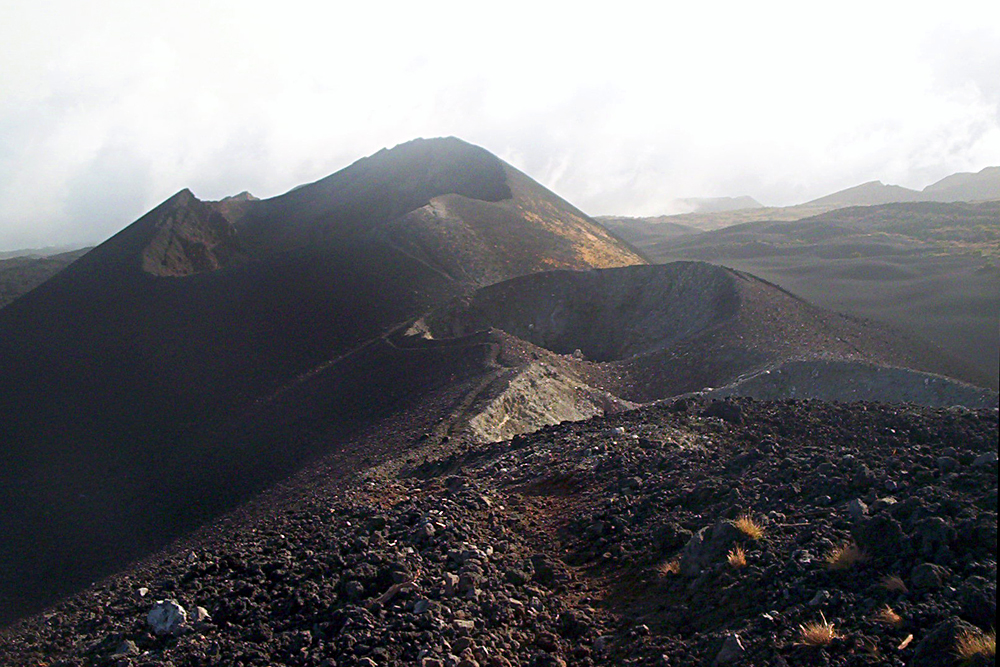

Trekking Amboli Hill Volcano: Exploring Maharashtra’s Scenic Extinct Volcanic Hill
Amboli Hill Volcano, an extinct volcanic hill nestled in Maharashtra’s Sahyadri ranges, offers an easy and scenic trekking experience. Known for its lush biodiversity, cascading waterfalls, and panoramic views, Amboli is a unique destination combining volcanic geology with rich natural beauty.
Quick Volcano Snapshot
| Attribute | Value |
|---|---|
| Volcano type | Extinct volcanic hill |
| Elevation | 690 meters |
| Location | Sindhudurg district, Maharashtra, India |
| Activity status | Extinct |
| Trekking difficulty | Easy |
| Typical trek duration | Half day to full day |
| Altitude gain | Minimal, approx. 100-200 meters |
| Terrain type | Hill slopes, forest trails, rocky outcrops, waterfall paths |
| Best season | Monsoon (June to September) and post-monsoon |
| Temperature range | 15°C to 30°C |
| Permit requirement | No formal permit required |
Introduction: The Experience of Hiking Amboli Hill Volcano
Approaching Amboli Hill Volcano, trekkers are greeted by a lush green landscape shrouded in mist and punctuated by cascading waterfalls. The extinct volcanic hill rises gently amidst the Sahyadri ranges, offering a serene contrast to the rugged volcanic terrains found elsewhere. The air is fresh and cool, carrying the scent of damp earth and forest foliage. As you ascend, the sound of rushing water from nearby falls accompanies your steps, while the dense forests reveal glimpses of rare wildlife. Reaching the summit, the panoramic views stretch across the Konkan coast and the Western Ghats, creating a breathtaking tableau of nature’s power and tranquility. The hike is accessible yet rewarding, inviting adventurers to immerse themselves in a landscape shaped by ancient volcanic forces and nurtured by monsoon rains.
The Volcano Itself: Geological Background
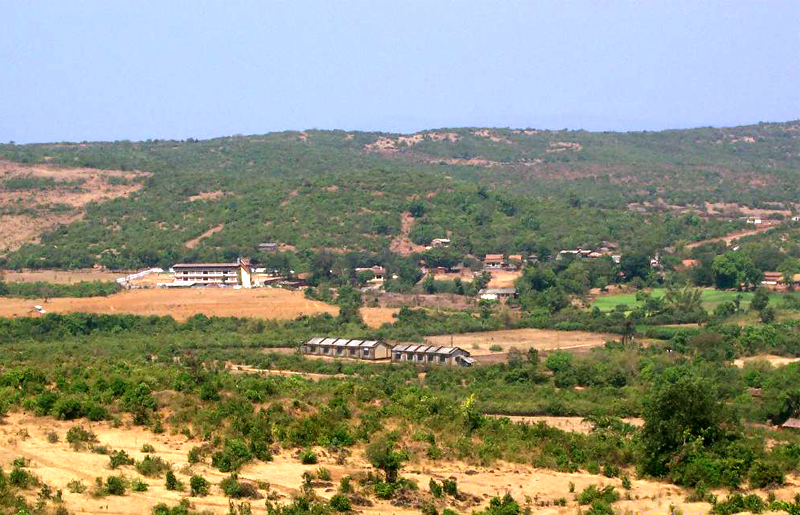
Amboli Hill Volcano is an extinct volcanic hill located in the Sahyadri ranges of Maharashtra. Unlike active stratovolcanoes, Amboli’s volcanic activity ceased millions of years ago, leaving behind a gently rounded hill formed from ancient lava flows and volcanic rock. The hill is part of the Western Ghats, a UNESCO World Heritage site known for its complex geology and biodiversity. The volcanic origin is evident in the rocky outcrops and basalt formations scattered across the hill slopes. Over time, weathering and erosion have softened the landscape, allowing dense forests and rich soil to develop. The region’s geology also supports numerous waterfalls, fed by the heavy monsoon rains that Amboli receives, often called the “Cherrapunji of Maharashtra.” These geological features create a unique environment where volcanic history meets vibrant ecosystems.
The Volcano Trek: Terrain and Hiking Experience
The trek up Amboli Hill Volcano is characterized by gentle slopes and well-defined forest trails, making it accessible to hikers of all levels. The terrain primarily consists of basalt rock formations, interspersed with patches of dense tropical forest and open grasslands. During the monsoon season, the trails become lush and slippery, requiring careful footing, especially near the numerous waterfalls and streams that crisscross the paths. The volcanic rock underfoot is often weathered and smooth, but some sections feature loose stones and uneven surfaces that demand moderate attention.
Hikers will experience a variety of microenvironments as they ascend. The lower slopes are shaded by thick canopy cover, home to diverse flora and fauna, including endemic amphibians and birds. As the trail climbs higher, the forest thins, revealing panoramic views of the surrounding Sahyadri hills and the distant Konkan coast. The air cools noticeably near the summit, and mist often envelops the landscape, adding an ethereal quality to the hike.
The presence of multiple waterfalls along the route offers natural rest points where trekkers can pause to enjoy the sights and sounds of cascading water. These waterfalls are fed by the heavy monsoon rains, transforming the terrain into a vibrant, living mosaic during the wet season. The combination of volcanic rock, forest trails, and water features creates a varied hiking experience that is both scenic and engaging.
While the trek is classified as easy, hikers should be prepared for occasional steep sections and slippery surfaces, especially in the rainy months. Good hiking shoes with grip are recommended, along with trekking poles for stability. The altitude is moderate at around 690 meters, so altitude sickness is not a concern, but the humidity and rainfall can make the trek physically demanding during peak monsoon.
Overall, the Amboli Hill Volcano trek offers a unique blend of geological intrigue and natural beauty. The terrain challenges are mild but varied, providing an immersive experience through an extinct volcanic landscape richly adorned with biodiversity and seasonal waterfalls.
What Makes This Volcano Trek Unique
Amboli Hill Volcano stands out for its combination of extinct volcanic geology and lush monsoon-fed ecosystems. Unlike many volcanic treks focused on active lava flows or barren ash fields, Amboli offers a verdant landscape shaped by ancient volcanic activity and sustained by heavy rainfall. The region’s waterfalls, often roaring during the monsoon, add dynamic beauty to the trek, creating natural spectacles rarely found on volcanic hills.
The biodiversity here is exceptional, with endemic species such as the Malabar gliding frog and the Amboli bush frog inhabiting the forests. This ecological richness, combined with the geological backdrop, makes the trek appealing to both nature lovers and geology enthusiasts. The panoramic views from the summit include the Sahyadri ranges and the distant Konkan coast, providing a rare vantage point where hill and sea meet.
Additionally, Amboli’s cultural heritage, with nearby temples and historical forts, enriches the trekking experience. The accessibility and ease of the trek make it suitable for a wide range of visitors, from casual hikers to dedicated volcano trekkers seeking a peaceful yet fascinating destination.
The Summit and Crater Experience
Reaching the summit of Amboli Hill Volcano offers a serene and expansive experience rather than the dramatic intensity of an active crater. The extinct volcanic hill’s peak is marked by rocky outcrops and open viewpoints that reveal sweeping vistas of the Sahyadri hills and the Konkan coastline. The air here is often cool and misty, especially during the monsoon, lending a mystical atmosphere to the summit.
While there is no active crater or volcanic activity, the summit’s geological formations tell the story of ancient eruptions and lava flows. The basalt rocks underfoot are remnants of the volcano’s fiery past, now softened by time and nature. The soundscape is dominated by the rustling of leaves, bird calls, and the distant roar of waterfalls rather than volcanic rumblings.
Visitors can enjoy peaceful moments of reflection, surrounded by the natural beauty and geological heritage of the region. The summit is an ideal spot for photography, birdwatching, and appreciating the unique intersection of volcanic history and vibrant ecosystems.
Best Time to Trek Amboli Hill Volcano
The best time to trek Amboli Hill Volcano is during the monsoon season from June to September, when the region transforms into a lush green paradise. The heavy rainfall feeds the numerous waterfalls, turning them into spectacular cascades that enhance the trekking experience. The temperature during this period ranges from 15°C to 25°C, providing a cool and refreshing climate.
Post-monsoon months, from October to December, are also ideal for trekking. The weather remains pleasant, and the landscape retains its greenery while the trails dry out, making hiking safer and more comfortable. The temperature can rise to around 30°C during the day but remains cooler at higher elevations.
Avoid the summer months of March to May, as temperatures can become uncomfortably warm and humidity high. Winter months (January and February) are mild and suitable for trekking but lack the dramatic waterfall displays of the monsoon.
Visitors should be prepared for slippery trails and occasional heavy rains during the monsoon and carry appropriate rain gear. The monsoon also brings a higher risk of leeches and insects, so insect repellent and gaiters are recommended.
Trekking Routes and Trail Options
Amboli Hill Volcano offers several trekking routes that cater to different preferences and fitness levels. The most popular trail begins near the Amboli town center, where well-marked paths lead through dense forests, past waterfalls, and up to the summit at 690 meters elevation. This route is approximately 5 to 7 kilometers round trip and can be completed in half a day.
Another option is the forest trail that starts near the Hiranyakeshi Temple, winding through sacred groves and along the river origin. This path is slightly longer but offers more opportunities for wildlife spotting and nature photography.
For those interested in combining trekking with cultural exploration, routes connecting Amboli to nearby historical forts such as Madhavgad and Narayangad provide moderate hikes with rewarding views and heritage sites.
Most trails are non-technical and well-maintained, suitable for self-guided hikes or guided tours. Local tour operators like Manu Adventures India and T Trikon offer guided trekking packages that include transportation, local insights, and safety support.
The terrain varies from forested paths to rocky outcrops and waterfall crossings, so hikers should be prepared for changing trail conditions, especially during the monsoon. Trail maps and local guidance are recommended to navigate the network of paths safely.
Difficulty Assessment
Amboli Hill Volcano trek is classified as an easy volcano trek, suitable for beginners and casual hikers. The altitude is moderate at around 690 meters, and the elevation gain on most routes is minimal, typically under 200 meters. The trails are well-marked and do not require technical climbing skills or specialized equipment.
The main challenges come from the terrain during the monsoon season, when trails can become slippery due to wet rocks and muddy patches. Hikers should have good balance and wear appropriate footwear with strong grip. The humidity and rainfall can also increase physical exertion, so adequate hydration and pacing are important.
Overall, the trek demands a basic level of fitness and comfort with walking on uneven natural surfaces. It is accessible to families, nature enthusiasts, and those new to volcano trekking. The lack of altitude-related risks and technical difficulties makes Amboli an excellent introduction to volcanic hill hiking.
Essential Volcano Trekking Gear
For trekking Amboli Hill Volcano, essential gear includes sturdy hiking boots with good traction to handle slippery and rocky terrain, especially during the monsoon. Trekking poles are recommended for added stability on uneven paths and near waterfalls.
Lightweight, breathable clothing with quick-dry properties is ideal due to the humid and rainy conditions. A waterproof jacket or poncho is essential during the monsoon season to stay dry and comfortable.
Insect repellent and gaiters help protect against leeches and insects common in the forested areas. A wide-brimmed hat and sunscreen are important for sun protection during clear days.
Carry sufficient water and snacks to stay energized, as there are limited facilities along the trails. A small first aid kit with basic supplies is advisable.
For early morning or late evening treks, a headlamp or flashlight is useful. A camera or binoculars enhance the experience for photography and wildlife observation.
Overall, gear should prioritize comfort, safety, and adaptability to wet and variable weather conditions.
Safety and Volcanic Hazards
Amboli Hill Volcano is an extinct volcanic hill with no current volcanic activity, so there are no direct volcanic hazards such as eruptions, lava flows, or toxic gases. However, trekkers should remain cautious of natural trail hazards.
The primary safety concerns include slippery trails and loose rocks, especially during the heavy monsoon rains. Falls and sprains are possible if hikers are not careful. Using trekking poles and wearing appropriate footwear reduces these risks.
Wildlife encounters are generally safe but hikers should respect local fauna and avoid disturbing habitats. Insect bites and leeches can be an issue during the wet season; insect repellent and protective clothing are recommended.
Weather can change rapidly in the Sahyadri hills, with sudden fog, rain, and temperature drops. Trekkers should be prepared with rain gear and warm layers.
Local authorities and tour operators monitor trail conditions and weather forecasts to ensure visitor safety. It is advisable to check current conditions before trekking and to avoid hiking alone or after dark.
Overall, Amboli offers a safe trekking environment with standard precautions for wet and forested terrain.
Permits, Guides, and Logistics
Amboli Hill Volcano does not require formal trekking permits, making it an accessible destination for independent travelers. There are no entry fees or special permissions needed to explore the hill and surrounding trails. However, visitors should respect local regulations and environmental guidelines to preserve the sensitive ecosystem.
Guided trekking services are widely available through local operators such as Manu Adventures India, T Trikon Tours, Thrillophilia, Meet My Holiders, and Tour My India. These companies offer packages ranging from half-day hikes to multi-day nature tours, often including transportation, local meals, and expert guides knowledgeable about the region’s geology, flora, and fauna.
Booking a guided trek is recommended for first-time visitors or those unfamiliar with the area, as guides provide safety support, route navigation, and cultural insights. Guides are typically certified with first aid training and adhere to safety protocols aligned with Indian trekking standards.
Logistically, Amboli is well connected by road and rail. The nearest railway station is Sawantwadi, approximately 30 km away, with regular taxi and shared jeep services to Amboli. The closest airports are Goa’s Dabolim Airport (100 km) and Belgaum Airport (64 km), both accessible by road.
Accommodation options range from government resorts to private hotels and eco-lodges, many located within or near Amboli town. Visitors can arrange transportation and lodging through tour operators or independently.
Travelers should plan for monsoon conditions if visiting during the rainy season, carrying appropriate gear and allowing extra time for travel on wet roads. Local operators provide updated weather information and can assist with itinerary adjustments.
Overall, Amboli’s lack of permit requirements, combined with available guided services and good transport links, makes it a convenient and welcoming destination for volcano trekking enthusiasts.
Where to Stay Near Amboli Hill Volcano
Amboli offers a variety of accommodation options catering to different preferences and budgets, all conveniently located near the trekking trailheads. The town itself serves as the primary base for exploring Amboli Hill Volcano and its surroundings.
Stone Wood Hotel Amboli is a popular choice, featuring comfortable rooms and an in-house restaurant, Spice Wood, offering multi-cuisine dining with indoor and al-fresco options. Its location near Amboli Ghat makes it ideal for trekkers seeking convenience and quality amenities.
For travelers seeking a more rustic or nature-immersive experience, several eco-resorts and farm stays are available in the region. Sneha Farm House, located in nearby Kudal, offers outdoor pools and garden views, providing a tranquil retreat after a day of trekking. These accommodations often include local cuisine and opportunities for outdoor activities like birdwatching and nature walks.
Government-run resorts and guesthouses in Amboli provide affordable lodging with basic facilities, suitable for budget travelers. These are typically located within walking distance of the main trailheads and local markets.
Camping options are also available for adventure seekers, with some operators organizing overnight stays in tents near the waterfalls or forested areas. These experiences offer a closer connection to the natural environment but require advance booking and preparation.
Amboli’s proximity to larger towns such as Sawantwadi (28 km) and Kolhapur (129 km) allows for additional accommodation choices and access to transport hubs. Visitors can easily arrange taxis or shared vehicles from these towns to Amboli.
Overall, the accommodation infrastructure supports comfortable and convenient stays, enabling trekkers to rest well and enjoy the natural beauty of the extinct volcanic hill and its surroundings.