

Trekking Monte Gordo Volcano: Cape Verde’s Lush Stratovolcano Adventure on São Nicolau Island
Explore Monte Gordo, the highest peak on São Nicolau Island, Cape Verde, with this comprehensive trekking guide. Discover its unique volcanic landscape, diverse terrain, endemic flora, and practical trekking routes. Learn about permits, local guides, accommodation options, and safety tips for a rewarding volcano hiking experience.
Quick Volcano Snapshot
| Attribute | Value |
|---|---|
| Volcano type | Stratovolcano |
| Elevation | 1,312 meters |
| Location | São Nicolau Island, Cape Verde |
| Activity status | Dormant |
| Trekking difficulty | Moderate |
| Typical trek duration | 5-6 hours round trip |
| Altitude gain | Approximately 700 meters |
| Terrain type | Lush forest trails, rocky volcanic slopes, dirt paths |
| Best season | November to June (dry season) |
| Temperature range | 15°C to 28°C |
| Permit requirement | Entrance fee required (€3-5), guided tours optional |
Introduction: The Experience of Hiking Monte Gordo
Approaching Monte Gordo, the island’s highest peak, you are immersed in a striking contrast of vibrant green forests and volcanic rock formations. The trail winds steadily upward through dense endemic vegetation, revealing glimpses of the Atlantic Ocean and rugged island landscapes. The air is fresh and cool, carrying the scent of wildflowers and moist earth. As you ascend, the lushness of the natural park envelops you, a rare volcanic environment where life thrives amid dormant power. Reaching the summit, the panorama unfolds in breathtaking vistas of São Nicolau’s valleys and distant islands, evoking a profound connection to the geological forces that shaped this land. The hike is a journey through time and nature, blending adventure with serene beauty.
The Volcano Itself: Geological Background
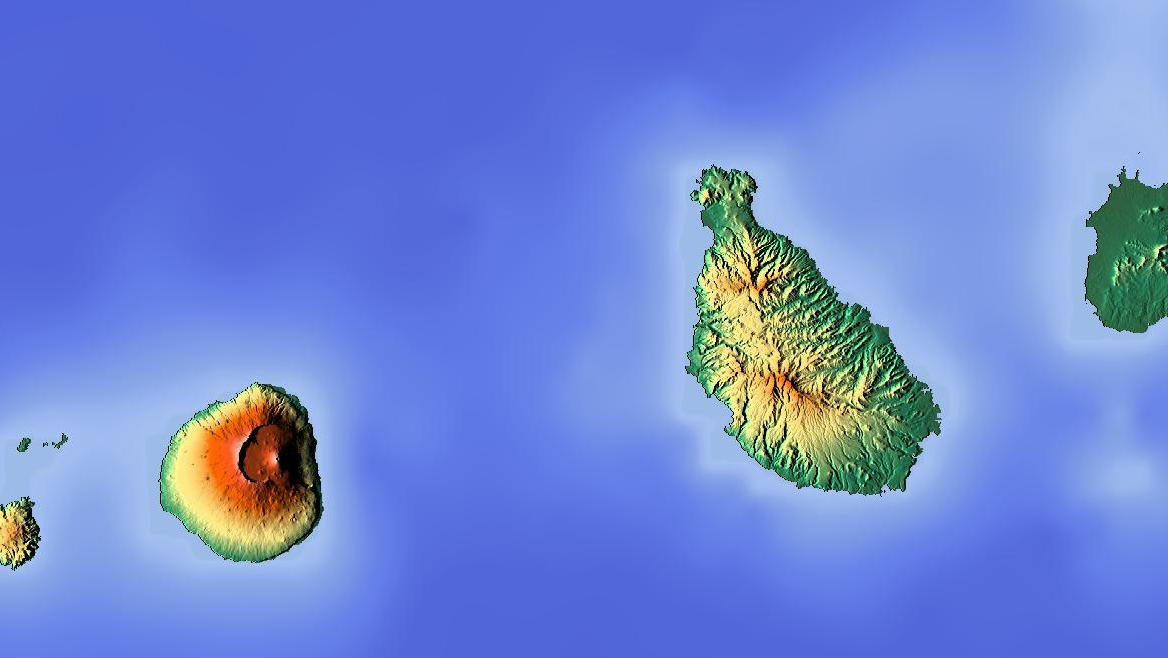
Monte Gordo is a stratovolcano that dominates São Nicolau Island’s landscape with its imposing height of 1,312 meters. Formed through successive layers of lava flows and volcanic ash, it represents the island’s volcanic origins dating back millions of years. Unlike active volcanoes, Monte Gordo is dormant, with no recent eruptions recorded, allowing a rich ecosystem to develop on its slopes. The volcano’s crater is broad and shallow, surrounded by steep ridges and deep valleys carved by erosion. The volcanic soils are fertile, supporting endemic plant species unique to Cape Verde. Fumaroles and steam vents are absent, but the geological formations reveal the island’s fiery past. Monte Gordo’s volcanic rock includes basalt and trachyte, creating rugged terrain that challenges hikers while offering insight into volcanic processes.
The Volcano Trek: Terrain and Hiking Experience
The trek to Monte Gordo’s summit is a rewarding moderate hike that offers a diverse terrain and immersive natural experience. Starting from the village of Cachaço at about 600 meters altitude, the trail ascends steadily through a mosaic of landscapes. Initially, hikers traverse well-maintained dirt paths lined with endemic shrubs and flowering plants. As the trail climbs, the terrain becomes rockier with volcanic stones and occasional loose gravel, requiring careful footing. The forested sections are dense with native trees such as the Cape Verdean dragon tree and wild fig, providing shade and a cool microclimate. The trail’s incline is consistent but manageable, with occasional steeper sections that test endurance. Wind conditions near the summit can be brisk, adding a refreshing chill to the air. The volcanic soil is rich but can be slippery when wet, so sturdy hiking boots with good grip are essential. Altitude effects are mild but noticeable, as the summit rises above 1,300 meters, offering cooler temperatures compared to the coast. The route is well marked, with occasional resting points and viewpoints that reveal the island’s rugged coastline and neighboring islands. The hike typically takes 5 to 6 hours round trip, allowing time to savor the flora, fauna, and geological features. The terrain’s variety—from forest trails to rocky volcanic slopes—makes the trek engaging and visually captivating. Trekkers should prepare for changing weather, as clouds can roll in quickly, sometimes obscuring views but enhancing the mystical atmosphere of the park. Overall, the Monte Gordo trek combines physical challenge with rich natural beauty, making it a must for volcano hiking enthusiasts visiting Cape Verde.
What Makes This Volcano Trek Unique
Monte Gordo stands out as the highest peak on São Nicolau Island, offering a rare blend of volcanic geology and lush biodiversity. Unlike many volcanic treks dominated by barren lava fields, Monte Gordo’s slopes are cloaked in dense endemic forests, home to unique plant species found nowhere else. This fusion of volcanic terrain and vibrant greenery creates a striking contrast that enchants hikers. The volcano’s dormant status allows for peaceful exploration without the hazards of active eruptions, while still providing dramatic volcanic landscapes. The summit rewards trekkers with sweeping views of the Atlantic Ocean and neighboring islands, framed by the island’s rugged ridges and deep valleys. The cultural charm of nearby villages adds to the experience, offering insights into Cape Verdean life. This trek is a journey through volcanic history and living nature, making it a distinctive adventure in the Atlantic archipelago.
The Summit and Crater Experience
Reaching Monte Gordo’s summit is a moment of serene triumph. The crater itself is broad and gently sloping, covered in patches of grass and volcanic rock. From this vantage point, hikers are rewarded with panoramic views stretching across São Nicolau’s rugged terrain and the shimmering Atlantic beyond. The air is crisp and carries the subtle scent of volcanic minerals mingled with forest aromas. Unlike active volcanoes, there is no sulfur smell or fumarole heat, but the silence and stillness evoke the latent power beneath the earth’s surface. The summit’s exposure to trade winds creates a refreshing breeze that cools tired limbs. The expansive vista invites reflection on the island’s volcanic origins and the forces that shaped this unique landscape. Photographers and nature lovers alike find the summit a perfect spot to capture the interplay of light, shadow, and color across the island.
Best Time to Trek Monte Gordo
The optimal period for trekking Monte Gordo is during the dry season, from November to June. During these months, the weather is generally stable with lower humidity and minimal rainfall, providing safer and more comfortable hiking conditions. Avoid the wet season between July and October, when heavy rains and increased humidity can make trails slippery and challenging. Early morning starts are recommended to enjoy cooler temperatures and clearer skies, enhancing visibility from the summit. The trade winds moderate temperatures year-round but can intensify near the peak, so layered clothing is advisable. Seasonal variations in flora also affect the landscape’s appearance, with spring months showcasing vibrant blooms. Monitoring local weather forecasts before your hike is essential, as sudden cloud cover or wind shifts can occur. Overall, planning your trek during the dry season maximizes safety and the quality of the volcanic hiking experience.
Trekking Routes and Trail Options
The primary and most popular route to Monte Gordo’s summit begins in the village of Cachaço, situated at approximately 600 meters elevation. This trail ascends steadily through the Monte Gordo Natural Park, covering an estimated 6 to 7 kilometers round trip. The path is well marked and maintained, suitable for moderate-level hikers. The ascent involves an altitude gain of around 700 meters and typically takes 3 to 4 hours one way, depending on pace and stops. Alternative routes are limited due to the island’s terrain and conservation efforts, but some guided tours incorporate additional walks through surrounding valleys and endemic forests, enriching the overall experience. Guided options are available through local operators such as ACTOUR Trekking and Sodade Tour, who provide transportation, knowledgeable guides, and tailored itineraries. Self-guided hikers should obtain detailed maps and ensure they have adequate supplies and navigation tools. The trail offers several viewpoints and rest areas, allowing hikers to appreciate the diverse landscapes and endemic flora. Seasonal trail conditions vary, with some sections becoming slippery during rains, so timing and preparation are crucial. Overall, the Cachaço route remains the definitive way to experience Monte Gordo’s volcanic majesty and natural beauty.
Difficulty Assessment
Monte Gordo’s trek is classified as a moderate volcano hike. The trail’s steady incline and rocky volcanic terrain require a reasonable level of fitness and surefootedness. Hikers should be comfortable walking on uneven surfaces, including loose gravel and volcanic stones. The altitude of 1,312 meters is not extreme but can cause mild breathlessness for those unaccustomed to elevation. No technical climbing skills or equipment are necessary, making the trek accessible to experienced beginners and intermediate hikers. Weather conditions, such as wind and occasional rain, can increase difficulty, so proper preparation is essential. The trail’s length and elevation gain demand endurance, with an estimated 5 to 6 hours for a round trip. Overall, Monte Gordo offers a challenging yet achievable volcano trekking experience for those prepared for moderate physical exertion.
Essential Volcano Trekking Gear
For trekking Monte Gordo, essential gear includes sturdy hiking boots with good grip to navigate rocky and sometimes slippery volcanic terrain. Trekking poles are recommended to aid balance and reduce strain on knees during ascent and descent. Lightweight, breathable clothing layered for temperature changes is advisable, along with a windproof jacket to protect against trade winds near the summit. A wide-brimmed hat and high SPF sunscreen are necessary due to limited shade on exposed sections. Carry sufficient water (at least 2 liters) and high-energy snacks to maintain hydration and energy. A headlamp is useful if starting early or finishing late. Although volcanic gases are minimal on this dormant volcano, a basic dust mask can help if trails are dusty. A map or GPS device and a fully charged mobile phone ensure navigation and emergency communication. Finally, insect repellent and a small first aid kit complete a practical gear list for a safe and enjoyable hike.
Safety and Volcanic Hazards
Monte Gordo is a dormant stratovolcano with no recent eruptive activity, significantly reducing volcanic hazards for trekkers. However, safety considerations remain important. The trail includes rocky and uneven terrain where slips and falls are possible, especially after rain. Loose volcanic gravel can cause instability on slopes, so careful footing is essential. Weather can change rapidly, with strong trade winds near the summit increasing exposure and chill. Hikers should be prepared for sudden cloud cover and reduced visibility. Although volcanic gases are not present, general trail safety and awareness of surroundings are vital. There are no active fumaroles or hot vents, but natural hazards such as falling rocks in steep areas can occur. It is advisable to hike with a guide or inform local authorities of your plans. Emergency contact numbers are provided by local tour operators like ACTOUR Trekking. Monitoring local weather and park advisories before and during the hike ensures a safe experience. Overall, Monte Gordo offers a safe trekking environment when proper precautions are observed.
Permits, Guides, and Logistics
Access to Monte Gordo Natural Park requires an entrance fee ranging from €3 to €5 per person, which supports trail maintenance and conservation efforts. While self-guided hikes are possible, hiring a local guide is highly recommended to enrich your experience with expert knowledge of the volcanic landscape, endemic flora, and cultural history. Guided tours typically cost between €25 and €50, often including transportation from nearby towns and villages. Notable tour operators offering Monte Gordo treks include ACTOUR Trekking based in Mindelo (São Vicente Island), Sodade Tour, and Travelocapeverde. These agencies provide customized itineraries, private or group tours, and 24/7 emergency support. ACTOUR Trekking organizes all transfers from airports or ports, ensuring seamless logistics. Visitors arriving at any of Cape Verde’s international airports (Praia, Sal, São Vicente, Boavista) can arrange private drivers through these operators. Camping within the park is permitted at designated sites, with fees ranging from €10 to €20 per night depending on amenities. Food and drink options inside the park are limited and pricier than in nearby towns, so bringing snacks and sufficient water is advisable. Public transport to the park is available but infrequent; taxis from the nearest town cost approximately €20. Permits are straightforward to obtain on arrival at the park entrance. Seasonal closures are rare but checking in advance with tour operators or park authorities is prudent. Overall, Monte Gordo’s trekking logistics are well supported by local operators, making it accessible and enjoyable for visitors.
Where to Stay Near Monte Gordo
Accommodation options near Monte Gordo cater to a range of preferences, from rustic guesthouses to comfortable lodges. The village of Cachaço, located at the trailhead, offers simple guesthouses where hikers can rest before and after their trek. Nearby Ribeira Brava, the island’s main town, provides more amenities including hotels, restaurants, and shops, approximately 20 minutes by car from the park entrance. Notable places include Casa de Cachaço, a charming eco-lodge nestled in the forest offering authentic Cape Verdean hospitality and easy access to the trail. For travelers seeking more comfort, Hotel Ribeira Brava provides modern rooms with amenities and convenient transport links. Mindelo on São Vicente Island, reachable by ferry or flight, serves as a regional hub where many tour operators like ACTOUR Trekking are based. Mindelo offers a wider range of accommodations, from boutique hotels to hostels, and is ideal for arranging guided tours to Monte Gordo. Camping is also possible within Monte Gordo Natural Park at designated sites, suitable for adventurous trekkers wanting to immerse themselves in nature overnight. These sites offer basic facilities and require advance arrangements. Overall, the area around Monte Gordo balances accessibility with natural tranquility, providing suitable bases for volcano hiking expeditions.

