

Pico do Fogo Volcano Trekking Guide: Conquer Cape Verde’s Highest Active Stratovolcano
Pico do Fogo, the highest peak in Cape Verde, offers a demanding yet rewarding volcano trekking experience. This active stratovolcano on Fogo Island features rugged volcanic terrain, panoramic summit views, and a unique cultural backdrop in the caldera village of Chã das Caldeiras. Discover routes, gear, safety tips, and accommodation options for an unforgettable adventure.
Quick Volcano Snapshot
| Attribute | Value |
|---|---|
| Volcano type | Stratovolcano |
| Elevation | 2,829 meters (9,281 feet) |
| Location | Fogo Island, Cape Verde |
| Activity status | Active |
| Trekking difficulty | Demanding |
| Typical trek duration | 5 to 7 hours |
| Altitude gain | Approximately 1,000 meters |
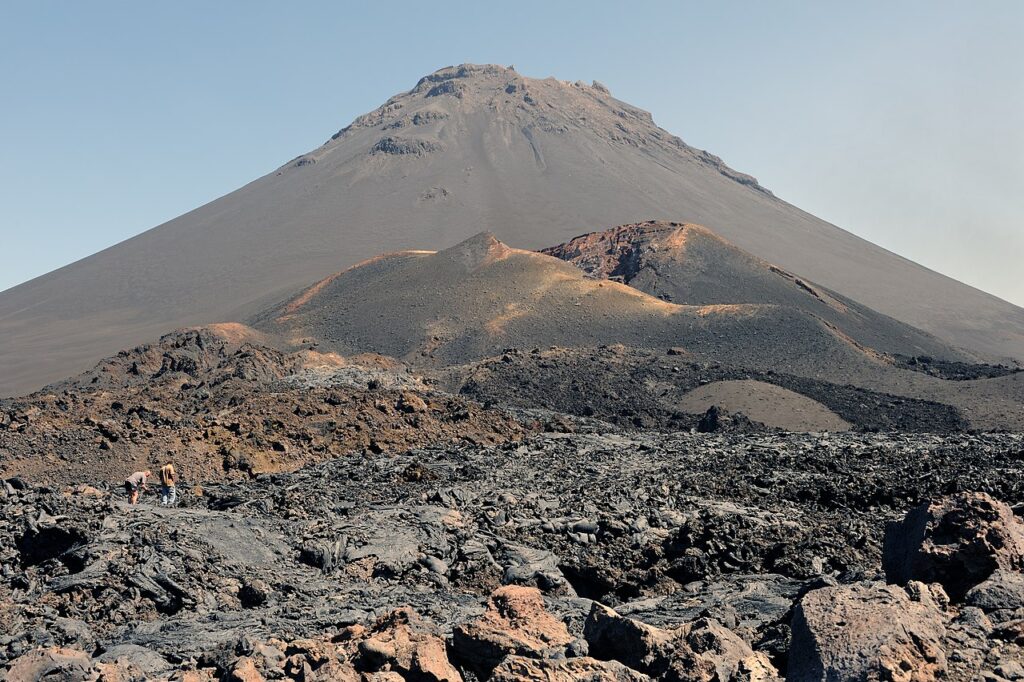
| Terrain type | Volcanic ash slopes, rocky paths, loose gravel, lava fields |
| Best season | November to June (dry season) |
| Temperature range | 10°C to 25°C depending on altitude and season |
| Permit requirement | No formal permit required, but guided hikes recommended |
The Experience of Hiking Pico do Fogo
Approaching Pico do Fogo is like stepping onto another planet. The towering stratovolcano dominates Fogo Island’s landscape with its near-perfect cone rising sharply from the Atlantic. The trek begins in the caldera village of Chã das Caldeiras, surrounded by fertile volcanic soil and vineyards. As you ascend, the terrain shifts dramatically from lush greenery to stark black volcanic ash and jagged lava fields. The air grows thinner and cooler, and the wind intensifies. Reaching the summit rewards you with breathtaking panoramic views of the island, the vast Atlantic Ocean, and neighboring isles. The raw power of this active volcano is palpable, with steam vents and fumaroles punctuating the landscape. The emotional impact of standing on Cape Verde’s highest peak, witnessing the Earth’s fiery heart, is unforgettable.
Geological Background of Pico do Fogo
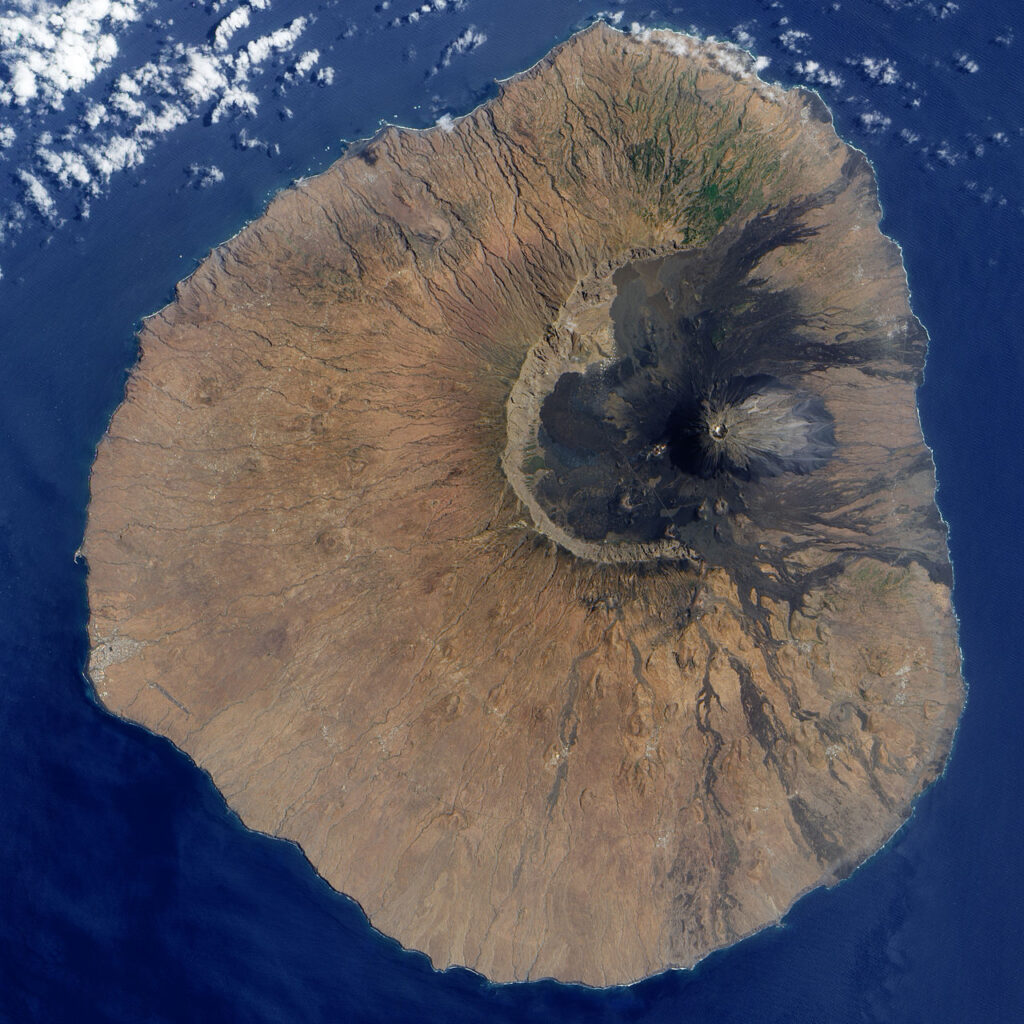
Pico do Fogo is an active stratovolcano formed by successive layers of hardened lava, tephra, and volcanic ash. It rises to 2,829 meters, making it the highest point in Cape Verde and a dominant feature of Fogo Island. The volcano’s formation is linked to tectonic activity along the African Plate, with eruptions shaping the island’s rugged terrain. Notable eruptions include those in 1995, which formed the secondary crater Pico Pequeno, and the significant 2014-2015 eruption that reshaped parts of the caldera and destroyed local villages. The caldera itself is a massive collapsed crater, creating a fertile plain known as Chã das Caldeiras, where volcanic soils support vineyards and coffee plantations. The volcano’s surface features fumaroles and steam vents, sulfur deposits, and extensive lava flows, offering a vivid display of volcanic processes in action.
Terrain and Hiking Experience on Pico do Fogo
The trek up Pico do Fogo is a demanding adventure that challenges hikers with a variety of volcanic terrains. Starting from the village of Chã das Caldeiras, the trail initially passes through fertile volcanic soil dotted with vineyards and coffee plantations, offering a surprising contrast of greenery against the black volcanic backdrop. As you gain altitude, the vegetation thins, and the landscape transforms into a rugged volcanic desert. The path becomes steeper and more strenuous, with loose volcanic ash and gravel underfoot that can make footing unstable. Hikers often encounter sharp volcanic rocks and hardened lava flows that require careful navigation. The ascent includes steep ash slopes where hikers may find themselves sliding slightly with each step, demanding good balance and stamina. Wind conditions near the summit can be strong and chilling, adding to the challenge. Altitude effects may be felt, as the climb reaches nearly 3,000 meters, so acclimatization and pacing are important. The trail offers breathtaking views of the surrounding islands and the Atlantic Ocean, with dramatic contrasts between barren lava fields and the lush caldera below. Descending involves careful footing on loose scree and ash, often allowing for exhilarating controlled slides. Overall, the hike demands good physical fitness, sturdy footwear with excellent grip, and preparation for rapidly changing weather conditions. The volcanic terrain provides a raw, otherworldly hiking experience that is both physically taxing and visually stunning.
What Makes the Pico do Fogo Trek Unique
Pico do Fogo stands out for its combination of geological drama and cultural richness. It is the highest peak in Cape Verde and one of the few active volcanoes in the Atlantic, offering hikers a rare chance to witness volcanic activity up close. The trek traverses diverse landscapes, from fertile vineyards in the caldera to stark black lava fields and steaming fumaroles near the summit. The presence of secondary craters like Pico Pequeno and Pico Novo, formed in recent eruptions, adds to the dynamic volcanic scenery. The caldera village of Chã das Caldeiras is a living testament to human resilience, where locals cultivate wine and coffee in volcanic soils despite the risks of eruptions. The opportunity to sleep inside the caldera in traditional stone houses, known as funcos, enhances the immersive experience. The panoramic summit views encompass the Atlantic Ocean and neighboring islands, creating a breathtaking backdrop. This blend of active geology, challenging terrain, and vibrant local culture makes the Pico do Fogo trek a truly unique adventure.
Summit and Crater Experience on Pico do Fogo
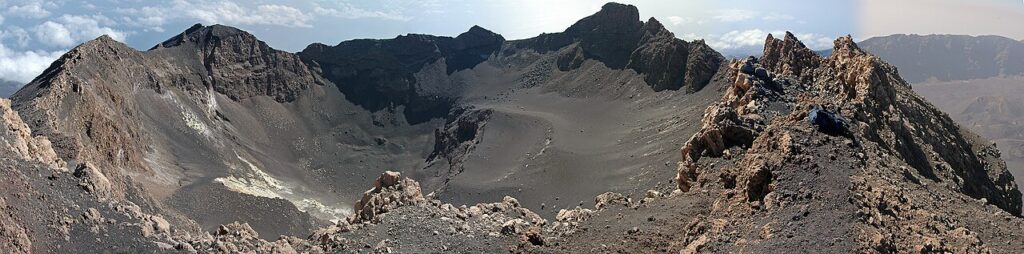
Reaching the summit of Pico do Fogo is a moment of profound awe. At 2,829 meters, the panoramic views stretch across Fogo Island, the vast Atlantic Ocean, and distant neighboring islands. The crater rim reveals a rugged landscape marked by recent lava flows and steaming fumaroles, emitting sulfurous scents that remind hikers of the volcano’s fiery nature. The ground near the crater is warm in places, and the sound of escaping gases adds an eerie soundtrack to the experience. The summit’s exposure to wind and cooler temperatures contrasts sharply with the warmth of the caldera below. Standing on the edge, hikers feel the immense power of the Earth beneath their feet and the dynamic forces that continue to shape this island. The sense of accomplishment is heightened by the challenging ascent and the raw, volcanic environment that surrounds them.
Best Time to Trek Pico do Fogo
The optimal time to hike Pico do Fogo is during the dry season, which spans from November to June. During these months, weather conditions are generally stable, with lower chances of rain and clearer skies, enhancing visibility and safety. The dry season also offers cooler temperatures, especially at higher altitudes, making the demanding ascent more comfortable. Avoid the rainy season from July to October, as trails can become slippery and hazardous due to mud and increased volcanic gas emissions. Early morning starts are recommended to avoid afternoon winds and to experience sunrise views from the summit. It is important to check local volcanic activity updates before planning your trek, as eruptions or increased fumarole activity can lead to temporary trail closures. Planning your hike with a knowledgeable local guide ensures access to the latest safety information and the best seasonal advice.
Trekking Routes and Trail Options on Pico do Fogo
The primary route to Pico do Fogo’s summit begins in the village of Chã das Caldeiras, located within the caldera. This trail is approximately 12 kilometers round trip and typically takes between 5 to 7 hours, depending on pace and summit time. The ascent involves about 1,000 meters of elevation gain and is rated moderate to challenging. The trail traverses volcanic ash slopes, rocky paths, and loose gravel, requiring good physical condition and proper footwear. For those seeking less demanding hikes, the smaller volcanic cones Pico Pequeno and Pico Novo offer easier circular routes from nearby Portela, lasting 2 to 3 hours with moderate difficulty. Another popular longer route descends from the caldera to the coastal town of Mosteiros, covering 10 to 12.4 kilometers in about 4 hours and rated moderate. This route passes through diverse landscapes, including the lush Monte Velha forest with banana, papaya, and coffee plantations, contrasting with the volcanic terrain. Guided tours are widely available for the summit hike, providing local expertise and logistical support. Self-guided options exist but require careful preparation and navigation skills. The variety of routes allows trekkers to tailor their experience to fitness levels and interests, from challenging summit ascents to scenic nature walks.
Difficulty Assessment of Pico do Fogo Trek
Pico do Fogo is classified as a demanding volcano trek. The ascent involves steep slopes of volcanic ash and loose gravel, requiring strong leg muscles and good balance. The altitude of nearly 2,830 meters can cause mild altitude sickness symptoms in some hikers, making acclimatization and pacing important. The terrain includes rocky sections and occasional scrambling over hardened lava, which demands sturdy hiking boots with excellent grip. Weather conditions can change rapidly, with strong winds and cooler temperatures near the summit adding to the challenge. While no technical climbing gear is necessary, the physical demands and exposure require a good level of fitness and hiking experience. This trek is not recommended for beginners or those with limited endurance. Guided hikes are strongly advised to ensure safety and navigation. Overall, Pico do Fogo offers a rewarding challenge for experienced hikers seeking an active volcanic summit.
Essential Gear for Trekking Pico do Fogo
Proper gear is crucial for a safe and comfortable ascent of Pico do Fogo. Essential items include sturdy hiking boots with strong ankle support and good traction to handle loose volcanic ash and rocky terrain. Trekking poles are highly recommended to aid balance on steep and slippery slopes. Layered clothing is necessary to adapt to temperature changes, including a moisture-wicking base layer, insulating mid-layer, and a windproof, waterproof outer shell. A hat and sunglasses protect against strong sun exposure at altitude. Carry at least 1.5 liters of water per person, as hydration is critical in the dry volcanic environment. High-energy snacks will help maintain stamina. A headlamp is useful for early morning or late afternoon hikes. A lightweight backpack to carry gear, water, and emergency supplies is essential. Due to volcanic gases, sensitive individuals may consider a gas mask or respirator, though this is generally not mandatory. Sunblock and lip balm with high SPF protect skin from intense UV radiation. Finally, a basic first aid kit and a map or GPS device enhance safety.
Safety and Volcanic Hazards on Pico do Fogo
Trekking Pico do Fogo involves inherent volcanic risks that hikers must respect. The volcano is active, with the last major eruption occurring in 2014-2015, which reshaped parts of the caldera and surrounding villages. Volcanic gases such as sulfur dioxide can be present near fumaroles and vents, posing respiratory hazards, especially for sensitive individuals. The terrain includes unstable crater edges, loose scree, and sharp volcanic rocks that increase the risk of falls and injuries. Sudden weather changes, including strong winds and temperature drops near the summit, can affect safety and comfort. It is essential to monitor volcanic activity updates from local authorities and adhere to trail closures or warnings. Hiring experienced local guides enhances safety by providing knowledge of current conditions and emergency procedures. Hikers should carry sufficient water, wear appropriate gear, and avoid venturing too close to active vents. Emergency communication devices and informing others of your itinerary are prudent precautions. Respecting the volcano’s power and following safety guidelines ensures a rewarding and secure trekking experience.
Permits, Guides, and Logistics for Pico do Fogo Trekking
No formal permits are required to hike Pico do Fogo; however, guided tours are strongly recommended for safety and logistical support. Several reputable local tour operators offer summit hikes, including Cape Verde Experience Tour, Travel Buddies, Cabo Mundo, and Take Your Backpack. These companies provide knowledgeable guides familiar with the terrain, volcanic activity, and cultural context. Guided hikes typically include hotel pickup and drop-off, picnic lunches, water, and sometimes small group experiences. Prices start around €44 per person, with options for advance booking and flexible cancellation policies. The trailhead is located in Chã das Caldeiras, accessible by a 30-minute bus ride from São Filipe, the island’s main town. Public transport is limited, so arranging transfers through your accommodation or tour operator is advisable. Flights to Fogo Island arrive at São Filipe Airport, with connections from Santiago or Sal islands. Ferry services exist but are less reliable due to weather. Accommodation in Chã das Caldeiras and São Filipe ranges from simple guesthouses to boutique hotels, facilitating early starts for the trek. Visitors should check current volcanic activity and weather conditions before departure. Carrying cash is recommended, as card payment options can be limited on the island. Overall, planning with a local guide ensures a safe, informative, and well-organized trekking experience.
Where to Stay Near Pico do Fogo and Nearby Bases
Accommodation options near Pico do Fogo cater to a range of preferences, from rustic lodges inside the caldera to comfortable hotels in São Filipe. The village of Chã das Caldeiras, nestled within the volcanic caldera, is the primary base for summit hikes. Here, guests can stay in traditional stone houses called funcos, offering an authentic volcanic experience. Casa Marisa is a popular lodge in Chã das Caldeiras, known for its panoramic volcano views, warm hospitality, and excellent local cuisine featuring Cape Verdean dishes and Fogo wine. The lodge provides easy access to hiking trails and arranges guided tours. For travelers seeking more amenities, São Filipe, the island’s colonial capital, offers hotels such as The View Hotel Cape Verde and Fogo Boutique Hotel. These establishments provide modern comforts, ocean views, and proximity to local markets and transport links. São Filipe is about a 30-minute drive from Chã das Caldeiras, making it a convenient base for day trips. Nearby towns like Mosteiros also offer guesthouses and access to scenic routes through Monte Velha forest. Booking accommodations in advance is advised, especially during the dry season when trekking demand peaks. Staying within the caldera enhances the immersive volcano experience, while São Filipe offers a blend of culture and comfort.