

Mount Oku Volcano Trekking Guide: Exploring Cameroon’s Majestic Volcanic Giant
Mount Oku, the second highest peak in mainland Central Africa, offers an adventurous trek through diverse montane forests, volcanic landscapes, and cultural villages. This guide covers the geology, trekking experience, routes, safety, permits, and accommodations for exploring the Oku Volcanic Field in Cameroon.
Quick Volcano Snapshot
| Attribute | Value |
|---|---|
| Volcano type | Volcanic field with stratovolcano |
| Elevation | 3,011 m |
| Location | Northwest Region, Cameroon |
| Activity status | Dormant |
| Trekking difficulty | Moderate |
| Typical trek duration | 5 to 7 hours (day hike) |
| Altitude gain | Approximately 1,800 m from base village |
| Terrain type | Montane forest, volcanic rock, crater lakes, grasslands |
| Best season | Dry season (November to March) |
| Temperature range | Cool to mild; can drop below comfort range at night |
| Permit requirement | No formal permits required; local guides recommended |
Introduction: The Experience of Hiking Mount Oku
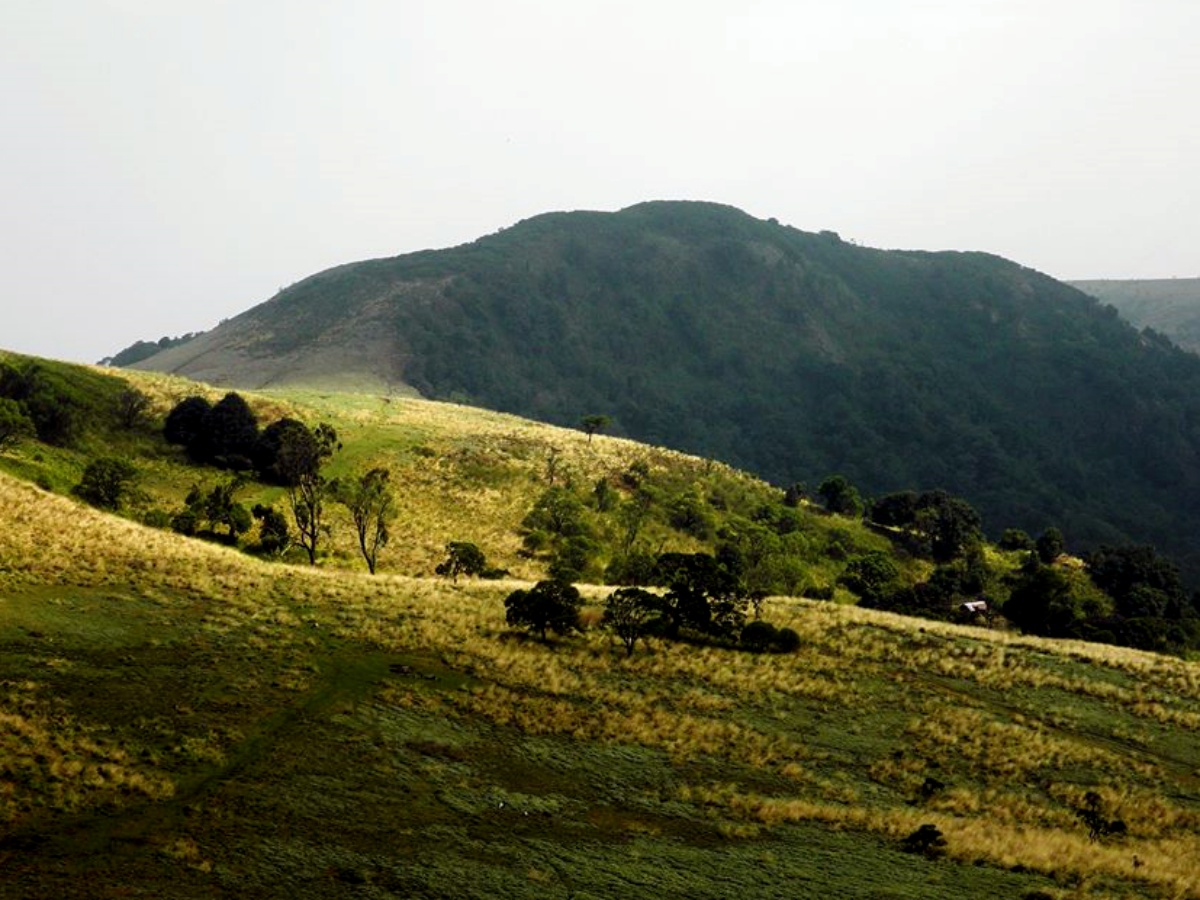
Approaching Mount Oku, trekkers are greeted by a dramatic volcanic massif rising sharply above the lush Western High Plateau of Cameroon. The trail winds through dense montane forests alive with endemic birds and rare orchids, contrasting with the stark volcanic rock and crater lakes that punctuate the landscape. As you ascend, the air cools and the terrain shifts from forest to open grasslands, revealing panoramic views of the Oku Volcanic Field. Reaching the summit or the crater lake offers a profound sense of standing atop ancient geological forces, surrounded by a mosaic of biodiversity and cultural heritage. The hike is both a physical challenge and a journey into a unique volcanic ecosystem.

Geological Background of Mount Oku and the Oku Volcanic Field
Mount Oku is the largest volcano within the Oku Volcanic Field, part of the Cameroon Volcanic Line, a 1,600 km chain of volcanoes stretching from the Atlantic Ocean into continental Africa. The massif formed from volcanic activity dating back approximately 22 to 25 million years, with more recent eruptions shaping its current form. Mount Oku itself is a stratovolcano rising to 3,011 meters, characterized by a large caldera and numerous pyroclastic cones. The volcanic field includes maars and crater lakes such as Lake Oku, Lake Nyos, and Lake Monoun, formed by explosive phreatomagmatic eruptions. The rocks range from basaltic and hawaiitic lavas to trachytic and rhyolitic ignimbrites, indicating complex volcanic processes. Notably, Lakes Nyos and Monoun have experienced catastrophic limnic eruptions due to carbon dioxide buildup, a rare and deadly volcanic hazard unique to this region.
Terrain and Hiking Experience on Mount Oku
The trek up Mount Oku offers a diverse and engaging hiking experience, blending volcanic terrain with rich montane ecosystems. Starting from the village of Oku, the trail stretches approximately 12 kilometers round trip, typically taking between 5 to 7 hours depending on pace and stops. The path initially traverses cultivated lands and small villages, where hikers can observe local life and interact with the Oku people. As the ascent continues, the trail enters dense montane forests dominated by bamboo groves, orchids, and endemic bird species such as Bannerman’s Turaco. The forest floor can be uneven, with roots and occasional muddy patches, especially after rains.
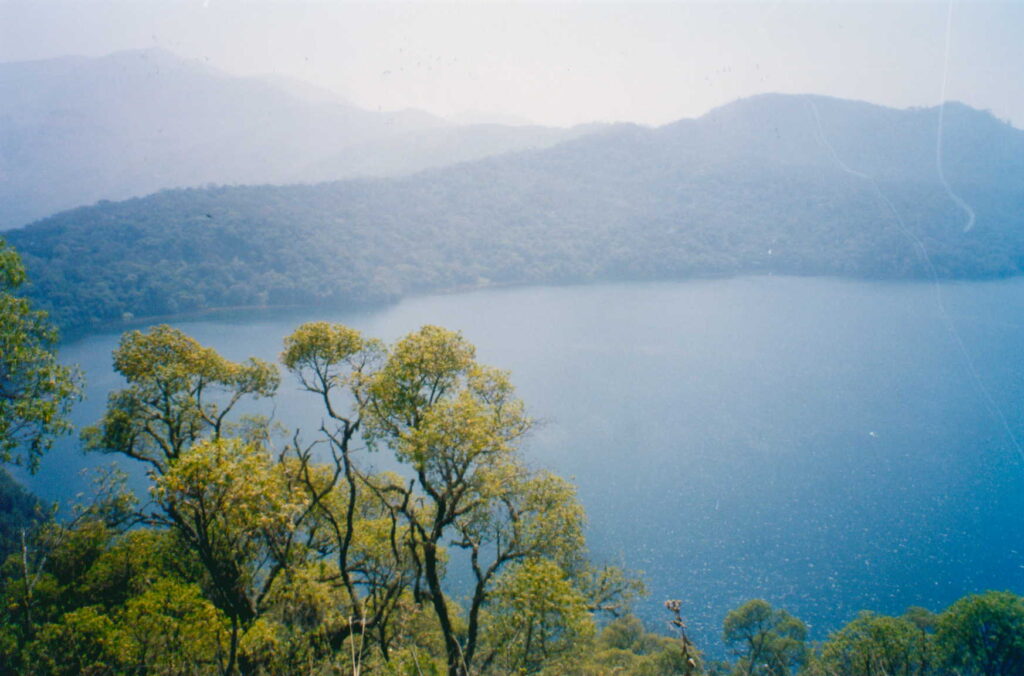
Above the forest line, the terrain opens into volcanic grasslands and rocky outcrops. Hikers encounter loose volcanic rock, pumice, and hardened lava flows, requiring careful footing. Steep sections challenge endurance, particularly where the trail climbs toward the caldera rim. The volcanic soil and ash can be slippery, and trekking poles are recommended for stability. Weather conditions can change rapidly; cool temperatures and strong winds near the summit contrast with warmer, humid conditions lower down. The trail offers spectacular views of crater lakes, including the serene Lake Oku, nestled within an explosion crater. Wildlife sightings include monkeys and small mammals, while birdwatchers can enjoy spotting endemic species unique to this highland environment.
Overall, the terrain demands moderate fitness and hiking experience. The combination of volcanic features, ecological diversity, and cultural encounters makes the Mount Oku trek a richly rewarding adventure for volcano enthusiasts and nature lovers alike.
What Makes the Mount Oku Trek Unique
Mount Oku stands out for its combination of geological complexity, biodiversity, and cultural significance. Unlike many volcano treks, it features a volcanic field with multiple cinder cones, maars, and crater lakes, including the mystical Lake Oku, revered by local communities. The presence of rare endemic species such as the critically endangered Lake Oku Clawed Frog and Bannerman’s Turaco bird adds ecological importance. The Kilum-Ijim Forest Reserve surrounding the mountain is the largest remaining montane forest in West Africa, offering a sanctuary for unique flora and fauna.
The trek also provides cultural immersion, passing through Oku villages where traditional lifestyles and beekeeping of the famous Oku white honey are practiced. The volcanic landscape’s contrast with lush forests and grasslands creates striking visual diversity. Additionally, the history of limnic eruptions at nearby crater lakes Nyos and Monoun adds a rare scientific and safety dimension to the region’s volcanic story. This blend of natural wonder, adventure, and cultural richness makes the Mount Oku trek a singular experience.
Summit and Crater Experience on Mount Oku
Reaching the summit of Mount Oku, hikers are rewarded with sweeping panoramic views across the Oku Volcanic Field and the surrounding Bamenda Highlands. The summit area is marked by a large caldera rim, offering dramatic vistas of volcanic cones and crater lakes below. The air is crisp and cool, often accompanied by brisk winds that heighten the sense of remoteness and elevation.
Nearby, the crater lake of Lake Oku presents a tranquil yet powerful scene, its deep blue waters contrasting with the rugged volcanic terrain. The lake holds cultural significance for the Oku people, believed to be inhabited by a goddess, adding a mystical aura to the landscape. The summit’s volcanic features—rocky outcrops, fumaroles, and remnants of past eruptions—invite reflection on the mountain’s fiery origins. The silence is punctuated by bird calls and the occasional rustle of wildlife, creating a sensory connection to this ancient volcanic giant.
Best Time to Trek Mount Oku
The optimal trekking season for Mount Oku is during the dry months from November to March, when trails are less muddy and weather conditions are more stable. During this period, daytime temperatures are mild, and nights can be cool but comfortable with appropriate clothing. The dry season also enhances visibility for panoramic views and wildlife spotting.
The rainy season, typically from April to October, brings heavy showers that can make trails slippery and challenging, especially on volcanic ash and rocky sections. Additionally, the risk of sudden weather changes and fog increases, potentially obscuring views and complicating navigation.
Volcanic activity at Mount Oku is dormant, but nearby crater lakes Nyos and Monoun require ongoing monitoring due to gas risks. Trekkers should heed local advice and avoid restricted areas. Early morning starts are recommended to avoid afternoon rains and to experience the mountain’s serene atmosphere at sunrise.
Routes and Trail Options for Mount Oku Trekking
The primary trekking route to Mount Oku’s summit begins in the village of Oku, accessible by road from Bamenda. This trail covers approximately 12 kilometers round trip and is considered moderate to challenging due to elevation gain and terrain variability. The ascent takes hikers through cultivated lands, montane forest, and volcanic grasslands before reaching the caldera rim and crater lake.
Alternative routes include shorter village-to-village hikes that explore the volcanic field’s diverse features and local culture. Some guided tours incorporate visits to nearby crater lakes such as Lake Nyos and Lake Monoun, though access to these lakes is restricted and monitored due to gas hazards.
Guided trekking is highly recommended for safety, navigation, and cultural insight. Local operators like Luxecam Tours Ltd and Travelocameroon offer packages including transportation, guides, and camping arrangements. Self-guided trekking is possible but requires preparation and local knowledge, especially regarding weather and trail conditions.
Trail conditions vary seasonally, with rocky and muddy sections after rains. The volcanic terrain includes loose pumice, hardened lava flows, and steep ash slopes, requiring sturdy footwear and trekking poles. The route’s diversity offers a comprehensive experience of the Oku Volcanic Field’s geological and ecological richness.
Difficulty Assessment of Mount Oku Trek
Mount Oku’s trek is classified as a moderate volcano trek. The trail involves steady elevation gain of approximately 1,800 meters, with some steep and rocky sections that demand good physical fitness and sure-footedness. The volcanic terrain includes loose rocks, ash slopes, and occasional muddy patches, which can increase difficulty especially after rain.
Altitude effects are moderate, as the summit reaches 3,011 meters, which may cause mild breathlessness for some hikers. No technical climbing skills or equipment are required, making the trek accessible to experienced hikers with moderate endurance.
Weather conditions can add challenge, with cool temperatures and strong winds near the summit. Proper preparation, including acclimatization, hydration, and weather-appropriate clothing, is essential. Overall, the trek suits adventure travelers seeking a rewarding volcanic hiking experience without technical mountaineering demands.
Essential Gear for Trekking Mount Oku
Successful trekking on Mount Oku requires gear suited to volcanic terrain and variable weather. Essential items include sturdy hiking boots with good grip to navigate rocky and loose volcanic surfaces. Trekking poles are highly recommended for stability on steep and uneven sections.
A windproof and waterproof jacket is necessary to protect against sudden weather changes and rain. Layered clothing helps manage temperature shifts from warm forested areas to cool summit conditions. A headlamp is useful for early morning starts or late returns.
Given the volcanic environment, gaiters can prevent ash and debris from entering boots. While volcanic gas risk is low on Mount Oku itself, carrying a lightweight gas mask or respirator is advisable if visiting nearby crater lakes with known CO₂ hazards.
Additional essentials include sun protection (hat, sunglasses, sunscreen), hydration systems to carry sufficient water, and snacks for energy. A basic first aid kit and a map or GPS device enhance safety. Packing light but prepared ensures a comfortable and safe trek.
Safety and Volcanic Hazards on Mount Oku
While Mount Oku is dormant, the surrounding Oku Volcanic Field includes crater lakes Nyos and Monoun, which have a history of deadly limnic eruptions caused by sudden carbon dioxide gas releases. These events in 1984 and 1986 resulted in fatalities and remain a significant safety concern. Access to these lakes is restricted and closely monitored by local authorities to prevent exposure to gas hazards.
Trekking on Mount Oku itself poses typical volcanic terrain risks such as unstable loose rocks, steep ash slopes, and slippery paths, especially after rain. Hikers should remain on marked trails, avoid approaching unstable crater edges, and be cautious of sudden weather changes that can reduce visibility and increase risk.
Local guides are recommended for their knowledge of safe routes and current conditions. Monitoring agencies maintain surveillance of gas levels and volcanic activity in the region. Trekkers should follow all safety advisories, carry communication devices, and inform others of their itinerary.
Preparedness, awareness, and respect for the volcanic environment are key to a safe and enjoyable experience on Mount Oku.
Permits, Guides, and Logistics for Mount Oku Trekking
Mount Oku trekking does not require formal permits or entrance fees, making it accessible for independent travelers. However, hiring a local guide is strongly recommended for safety, navigation, and cultural engagement. Guides provide valuable insights into the volcanic landscape, endemic wildlife, and Oku community traditions.
Several reputable tour operators offer guided Mount Oku treks, including Luxecam Tours Ltd and Travelocameroon. These companies provide comprehensive packages covering transportation from major cities like Bamenda, accommodation arrangements, local village tours, and hiking support. Guided tours often include camping near the summit or village stays, enhancing the overall experience.
Logistically, the trailhead is located near the village of Oku, reachable by a 2 to 3-hour bus or car ride from Bamenda. Roads are mostly unpaved but passable. It is advisable to arrange transport in advance, especially during the rainy season when conditions can deteriorate.
Local accommodations range from community guesthouses to tent camping. Visitors should carry sufficient water, snacks, and weather-appropriate gear, as facilities along the trail are limited. Communication networks are available in Oku village, but coverage may be sparse on the mountain.
Safety briefings regarding the nearby crater lakes’ gas risks are provided by guides and local authorities. Visitors must adhere to restricted zones around Lakes Nyos and Monoun. Overall, the combination of local expertise and organized logistics ensures a rewarding and secure trekking experience on Mount Oku.
Where to Stay and Nearby Bases for Mount Oku Trekking
The primary base for trekking Mount Oku is the village of Oku itself, situated at approximately 1,200 meters elevation. Oku offers several guesthouses and community-run accommodations where visitors can rest before and after their hike. These lodgings provide basic amenities, local meals, and opportunities to engage with the Oku people and learn about their culture.
For travelers seeking more comfort, nearby towns such as Kumbo and Bamenda offer hotels and resorts with additional services, though they are located 1 to 3 hours away by road. Bamenda, the regional capital, has a wider range of accommodations, restaurants, and transport connections, making it a convenient staging point.
Some tour operators arrange camping near the summit or within the Kilum-Ijim Forest Reserve, allowing for immersive overnight experiences amidst the volcanic landscape. Camping requires prior arrangement and appropriate gear due to cool temperatures and limited facilities.
The Kilum-Ijim Forest Project area surrounding Mount Oku is a protected zone with limited infrastructure, so visitors should plan accordingly. Local guides can assist with accommodation bookings and provide recommendations based on preferences and group size.
Overall, staying in Oku village offers the best proximity to trailheads and cultural immersion, while nearby towns provide additional comfort and logistical support for trekking Mount Oku.