Hiking Mount Nyiragongo: A Complete Volcano Trekking Guide to Africa’s Most Active Lava Lake
Mount Nyiragongo, located in the Democratic Republic of Congo’s Virunga National Park, offers a demanding yet unforgettable trek to the world’s largest active lava lake. This guide covers the volcano’s geology, trekking routes, permits, safety, and accommodation options for adventurers seeking a raw volcanic experience.
Quick Volcano Snapshot
| Attribute | Value |
|---|---|
| Volcano type | Stratovolcano |
| Elevation | 3,470 meters |
| Location | Virunga National Park, Democratic Republic of the Congo |
| Activity status | Active |
| Trekking difficulty | Demanding |
| Typical trek duration | 2 days |
| Altitude gain | Approximately 1,600 meters |
| Terrain type | Montane rainforest, hardened lava flows, volcanic rock |
| Best season | June to September and December to February (dry seasons) |
| Temperature range | Warm at base to cold and windy at summit |
| Permit requirement | Mandatory permit from ICCN |
The Experience of Hiking Mount Nyiragongo
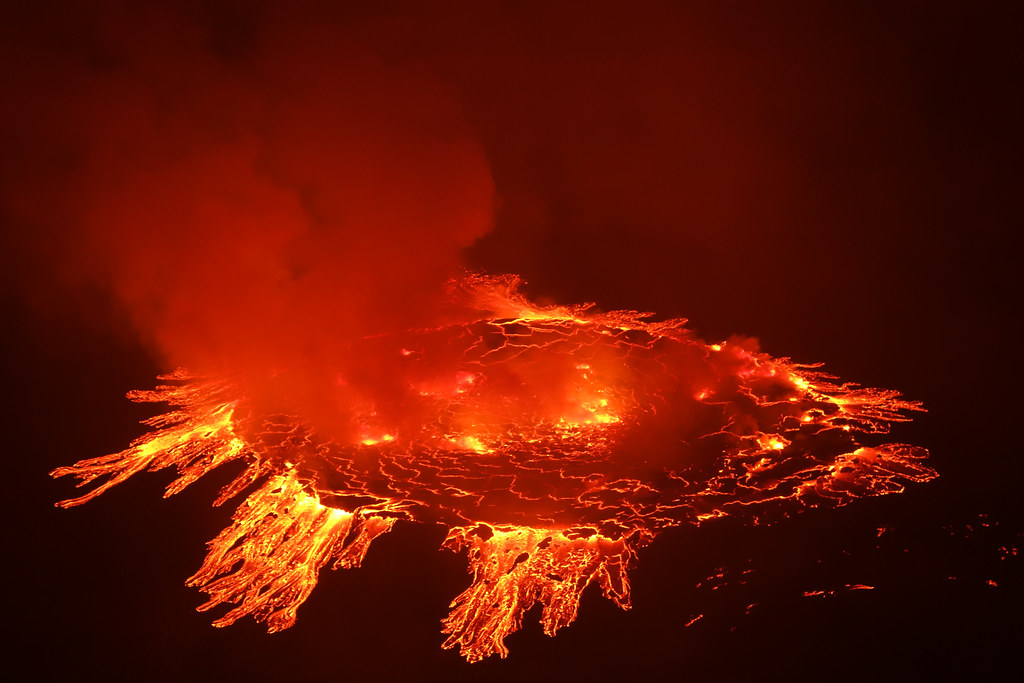
Approaching Mount Nyiragongo, the landscape shifts dramatically from lush rainforest to stark volcanic rock. The air carries a sense of raw geological power, heightened by the sight of the vast crater looming above. As you ascend, the contrast between the vibrant Virunga National Park and the barren lava terrain intensifies. Reaching the crater rim, the glowing lava lake pulses with molten fire, an awe-inspiring spectacle that etches itself into memory. The climb is physically demanding but rewards trekkers with an unparalleled connection to the Earth’s fiery heart.
Geological Background of Mount Nyiragongo
Mount Nyiragongo is a stratovolcano situated within the Virunga volcanic massif along the East African Rift. It rises to 3,470 meters and is renowned for hosting the world’s largest and most fluid lava lake. The volcano’s lava is unusually fast-flowing due to its low silica content, allowing flows to reach speeds up to 97 km/h, which has historically caused rapid and devastating eruptions. Nyiragongo has erupted at least 34 times since 1882, with major eruptions in 1977, 2002, and 2021. Its crater spans approximately two kilometers wide and contains a lava lake that fluctuates in depth and size. The volcano’s activity is driven by tectonic rifting and a probable hotspot beneath the African Plate, creating a dynamic and volatile geological environment. The surrounding landscape features numerous smaller volcanic cones and lava flows, illustrating the region’s intense volcanic history.
Terrain and Hiking Experience on Mount Nyiragongo
The trek to Mount Nyiragongo’s summit is a challenging journey through diverse and rugged terrain, demanding both physical endurance and mental resilience. The hike begins at Kibati Ranger Post, situated at approximately 1,870 meters elevation, where hikers receive a briefing and meet their guides and porters. The trail covers roughly 6.5 kilometers one way, with an altitude gain of about 1,600 meters, typically taking between 4 to 6 hours to ascend.
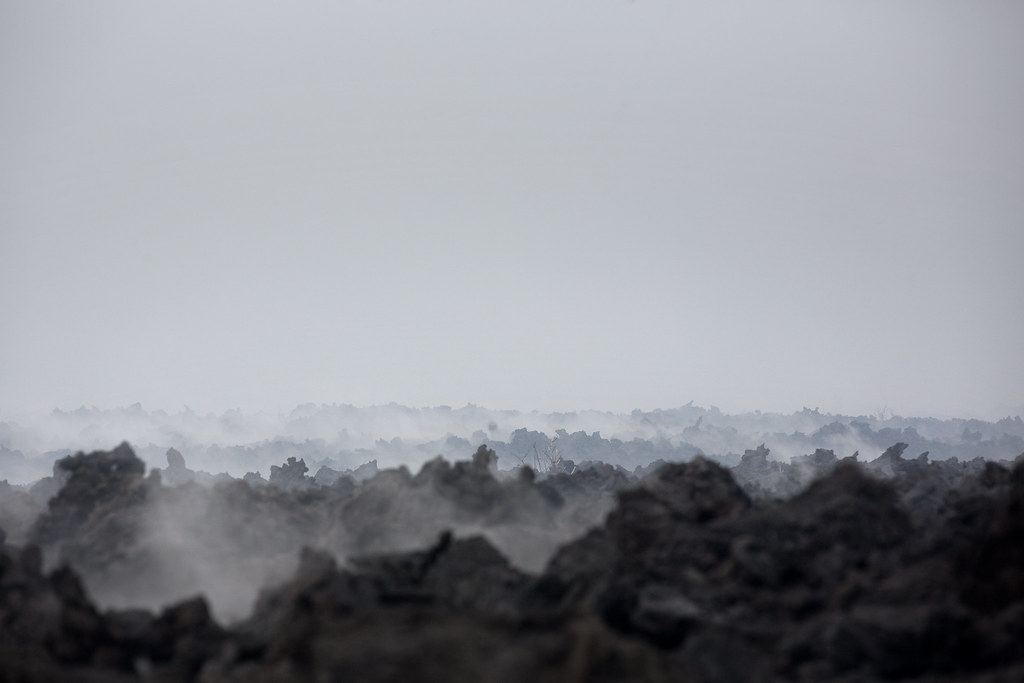
The initial section of the hike traverses dense montane rainforest, offering shade and opportunities to spot wildlife such as monkeys and bushbuck. The forested path is relatively gentle but requires careful footing due to occasional loose volcanic debris. As the trail ascends, the vegetation thins, and hikers enter a zone dominated by hardened lava flows and volcanic rock. Here, the terrain becomes more exposed and uneven, with loose lava rocks and ash slopes that can be slippery, especially after rain.
The mid-section presents steep inclines and rocky paths, demanding steady pacing and frequent rests. The volcanic rock varies from jagged lava formations to smoother basalt fields, requiring hikers to navigate carefully to avoid ankle injuries. Porters are available to assist with heavy loads, which can be a significant help on this demanding ascent.
Approaching the upper zones, the environment becomes stark and windswept. Temperatures drop sharply, and strong winds can buffet climbers near the summit. The trail narrows along the crater rim, where exposure to the elements and steep drop-offs require caution. The final climb involves scrambling over sharp lava rocks to reach the summit shelters.
Despite the physical challenges, the trail rewards trekkers with breathtaking panoramic views of the Virunga Mountains, Lake Kivu, and the Great Rift Valley. The experience of hiking through contrasting ecosystems—from lush forest to barren volcanic desert—adds to the trek’s unique appeal. Climbers must be prepared for altitude effects, cold temperatures at the summit, and the physical demands of steep, uneven terrain. Proper footwear, hydration, and pacing are essential for a safe and enjoyable ascent.
What Makes the Mount Nyiragongo Trek Unique
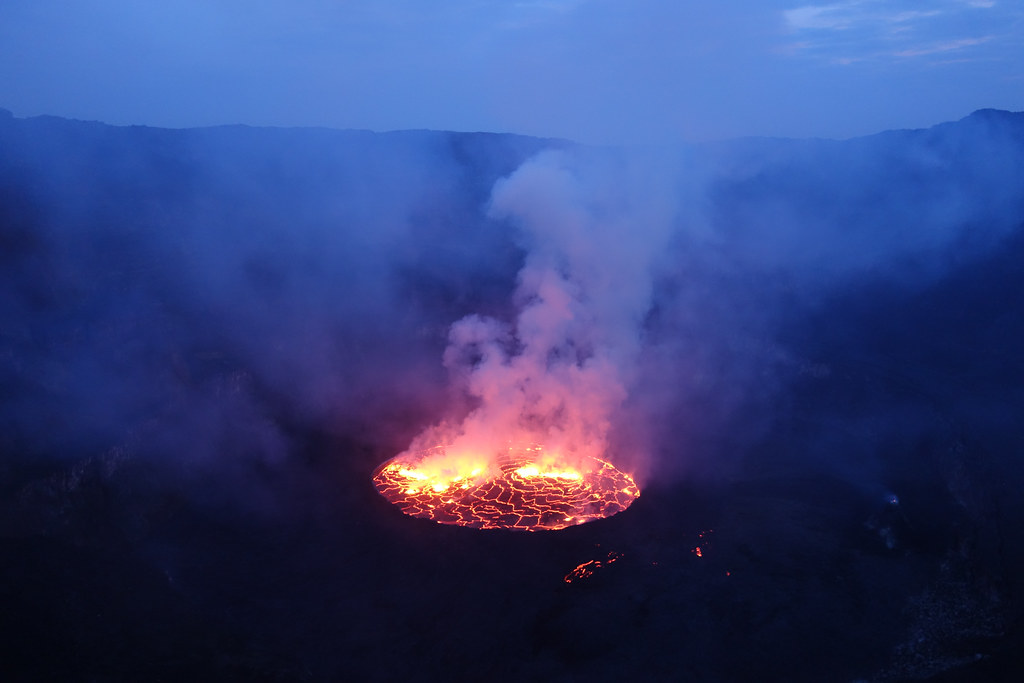
Mount Nyiragongo offers a volcano trekking experience unlike any other, primarily due to its world-renowned active lava lake—the largest and most fluid on Earth. This glowing molten lake, visible from the crater rim, provides a mesmerizing and primal spectacle of Earth’s inner fire. The speed and fluidity of Nyiragongo’s lava flows are exceptional, with historic eruptions producing lava that raced downhill at unprecedented speeds.
The trek’s location within Virunga National Park adds ecological richness, as the park is Africa’s oldest and home to diverse wildlife, including mountain gorillas. The juxtaposition of vibrant biodiversity with the stark volcanic landscape creates a dramatic contrast.
Overnight stays at the summit shelters allow trekkers to witness the lava lake under the stars and experience the volcano’s raw power in solitude. The combination of geological wonder, challenging terrain, and cultural significance within a UNESCO World Heritage Site makes this trek a bucket-list adventure for volcano enthusiasts and adventurers alike.
The Summit and Crater Experience
Reaching the summit of Mount Nyiragongo is a moment of profound awe. The crater rim, approximately two kilometers wide, reveals a vast churning lava lake glowing with fiery reds and oranges. The heat radiates from the molten surface, and the air carries the distinct sulfurous scent of volcanic gases. The lake’s surface bubbles and splashes, emitting occasional bursts of steam and gas that punctuate the eerie silence.
The summit shelters provide basic accommodation, allowing trekkers to rest while immersed in this extraordinary environment. At night, the lava lake’s glow illuminates the crater walls, creating a surreal and otherworldly atmosphere. At sunrise, the panoramic views extend across the Virunga Mountains, Lake Kivu, and the Great Rift Valley, offering a breathtaking reward for the climb.
The summit experience is both humbling and exhilarating, connecting visitors intimately with the dynamic forces shaping our planet.

Best Time to Trek Mount Nyiragongo
The optimal periods for trekking Mount Nyiragongo are during the dry seasons from June to September and December to February. These months offer more stable weather conditions, reducing the risks associated with slippery trails and poor visibility caused by rain and fog.
Volcanic activity is continuously monitored, and treks are only permitted when safety conditions are confirmed by park authorities. Climbers should plan their trips well in advance, as permits are in high demand during peak seasons.
Early morning starts are recommended to avoid afternoon thunderstorms and to ensure summit arrival before dusk. Temperature variations are significant, with warm conditions at the base and cold, windy weather at the summit, so appropriate clothing is essential.
Seasonal hazards include sudden weather changes, volcanic gas emissions, and the potential for trail erosion following heavy rains.
Trekking Routes and Trail Options
The primary and most established route to Mount Nyiragongo’s summit begins at the Kibati Ranger Post, located approximately 30 minutes by car from Goma. This trail covers about 6.5 kilometers one way, ascending from roughly 1,870 meters to 3,470 meters at the summit. The route is divided into five sections, with designated rest stops approximately every hour.
The trek is typically completed over two days, with an overnight stay in the summit shelters. This allows climbers to experience the lava lake at night and enjoy sunrise views before descending.
While the Kibati route is the standard and safest path, alternative approaches are limited due to park regulations and security considerations. All treks must be conducted with armed ranger escorts and in groups for safety.
Guided tours are strongly recommended, with several local operators offering packages that include permits, guides, porters, and accommodation. Self-guided treks are not permitted due to the volcano’s active status and regional security concerns.
The trail’s difficulty and exposure require climbers to be in good physical condition and prepared for steep, rocky terrain. Porters can be hired at the trailhead to assist with carrying heavy gear, easing the physical burden of the ascent.

Difficulty Assessment of Mount Nyiragongo Trek
Mount Nyiragongo is classified as a demanding volcano trek. The steep elevation gain of approximately 1,600 meters over a relatively short distance challenges even experienced hikers. The terrain includes loose volcanic rock, ash slopes, and jagged lava formations, requiring sure-footedness and stamina.
Altitude effects become noticeable above 2,500 meters, and climbers should be aware of symptoms of Acute Mountain Sickness. The final ascent involves exposed sections along the crater rim with strong winds and cold temperatures.
Technical climbing skills are not required, but a good level of fitness, proper hiking boots, and acclimatization are essential. The presence of guides and porters helps mitigate risks, but trekkers must be prepared for a physically demanding experience.
Essential Volcano Trekking Gear for Mount Nyiragongo
Successful trekking on Mount Nyiragongo requires specialized gear to handle the challenging terrain and variable weather:
– Sturdy hiking boots with excellent grip for rocky and loose volcanic surfaces
– Trekking poles to aid balance and reduce strain on knees during steep ascents and descents
– Warm, layered clothing including a windproof jacket for cold summit conditions
– Headlamp or flashlight for early starts and summit overnight stays
– Hydration system or water bottles to maintain fluid intake
– Sun protection: hat, sunglasses, and high-SPF sunscreen due to high UV exposure
– Gas mask or respirator is generally not required but may be useful if volcanic gases increase
– Backpack with rain cover to protect gear from sudden showers
– Personal snacks and energy bars for sustained energy
– Sleeping bag and warm clothing for overnight shelter at the summit
– Basic first aid kit including blister treatment and altitude sickness medication
Safety and Volcanic Hazards on Mount Nyiragongo
Mount Nyiragongo is an active volcano with inherent risks that require careful management. The primary hazards include:
– Volcanic gases such as sulfur dioxide, which can irritate the respiratory system; monitoring ensures treks are only conducted under safe conditions.
– Unstable crater edges and loose volcanic rock increase the risk of falls; hikers must stay on marked trails and follow ranger guidance.
– Falling rocks and loose scree on steep slopes demand caution and proper footwear.
– Sudden eruptions are rare but possible; the Virunga National Park authorities and volcanologists continuously monitor seismic activity and issue alerts.
– Weather can change rapidly, with cold temperatures and strong winds at the summit posing risks of hypothermia.
All treks require armed ranger escorts and group travel to enhance safety. Pre-trek briefings cover emergency procedures, and porters are available to assist those struggling with the ascent. Visitors should heed all safety instructions and avoid solo hiking.
Permits, Guides, and Logistics for Mount Nyiragongo Trekking
Hiking Mount Nyiragongo requires a mandatory permit issued by the Institut Congolais pour la Conservation de la Nature (ICCN), which manages Virunga National Park. The permit costs approximately $300 per person and includes park entry, ranger escort, and overnight accommodation at the summit shelters. Children aged 12 and above may obtain permits, with specific fees for Congolese and international visitors.
Permits must be booked well in advance, ideally 3 to 4 months prior to the planned trek, due to high demand and limited summit shelter capacity. Booking is typically done through reputable local tour operators such as Great Adventure Safaris, Agasaro Safaris, Climbing Nyiragongo, Silverback Gorilla Tours, Katona Tours, and Africa Adventure Vacations. These operators provide comprehensive packages including transport from Goma, permits, guides, porters, meals, and accommodation.
The trek begins at Kibati Ranger Post, about 30 minutes from Goma, where hikers receive a safety briefing covering trail conditions, expected challenges, and necessary gear. Armed rangers lead all groups for security and safety, and porters can be hired for approximately $25 per 15 kilograms of luggage to ease the physical burden.
Accommodation at the summit consists of 12 basic huts with two single beds each, equipped with foam mattresses and sleeping bags provided or recommended to bring your own. There is no running water or electricity at the summit, and a long-drop toilet is accessible via a steep path with safety ropes.
Meals are prepared locally by porters and cooks, offering a simple but nourishing experience. The overnight stay allows trekkers to witness the lava lake at night and enjoy sunrise views before descending the following day.
Travelers typically arrive via Kigali International Airport in Rwanda, then transfer through Gisenyi to Goma, DR Congo. From Goma, transport to Kibati is arranged by tour operators. Due to regional security concerns, solo or self-guided treks are not permitted, and all visitors must adhere to park regulations and safety protocols.
Where to Stay Near Mount Nyiragongo
Accommodation options near Mount Nyiragongo cater to a range of preferences, from luxury lodges to budget-friendly guesthouses, primarily located in Goma and within Virunga National Park.
Mikeno Lodge, situated in the Rumangabo sector of Virunga National Park about 90 km from Goma, offers luxurious forest lodge accommodations with stunning views of Nyiragongo and the surrounding mountains. The lodge features twelve cabins with private verandas, en suite bathrooms, lava stone fireplaces, free Wi-Fi, and gourmet dining. It is ideal for travelers seeking comfort and proximity to the volcano and other park activities like gorilla trekking.
Lac Kivu Lodge, located lakeside in Goma, provides upscale villas with lake views, a restaurant, spa, pool, and family-friendly amenities. It offers easy access to the Nyiragongo trailhead and is suitable for travelers wanting a relaxing stay before or after the trek.
Closer to the trailhead, basic accommodation is available at the Kibati Ranger Post area, primarily for early starts. However, most trekkers prefer to stay in Goma for better facilities and transport options.
At the summit, twelve simple huts provide overnight shelter for trekkers. These huts have foam mattresses and sleeping bags are either provided or should be brought by visitors. There is no running water or electricity, and toilet facilities are basic, accessed via a steep path.
Booking accommodations through tour operators is recommended to ensure availability and coordinated logistics. Options range from budget guesthouses in Goma to mid-range lodges and luxury resorts, allowing trekkers to tailor their experience according to comfort and budget.