Mount Nyamuragira Volcano Trekking Guide: Exploring Africa’s Most Active Shield Volcano
Mount Nyamuragira, located in the Virunga Mountains of the Democratic Republic of Congo, is Africa’s most active shield volcano. This comprehensive trekking guide covers its geology, hiking terrain, routes, permits, safety, and accommodation options, offering an expert resource for adventurous volcano trekkers.
Quick Volcano Snapshot
| Attribute | Value |
|---|---|
| Volcano type | Shield volcano |
| Elevation | 3,058 meters |
| Location | Virunga Mountains, Eastern Democratic Republic of Congo |
| Activity status | Active |
| Trekking difficulty | Moderate |
| Typical trek duration | 4-6 hours ascent |
| Altitude gain | Approximately 1,200 meters |
| Terrain type | Steep ash slopes, rugged lava fields, thick vegetation |
| Best season | Dry seasons: June to September and December to February |
| Temperature range | 10°C to 25°C |
| Permit requirement | Mandatory permits from Virunga National Park authorities |
Introduction: The Experience of Hiking Mount Nyamuragira
Approaching Mount Nyamuragira, the landscape unfolds with raw volcanic power and dramatic contrasts. The vast shield volcano rises gently yet imposingly above the Virunga National Park, its slopes a mosaic of hardened lava flows, ash fields, and lush forest patches. Hiking here immerses you in a world where geological forces shape the earth beneath your feet. The trek challenges you with steep ascents and rugged terrain, but rewards with breathtaking views of the expansive caldera and the glowing lava lake within. Reaching the summit, the air tinged with sulfur and the distant rumble of volcanic activity, you stand at the edge of one of Africa’s most dynamic natural wonders, a profound encounter with the planet’s fiery heart.
The Volcano Itself: Geological Background
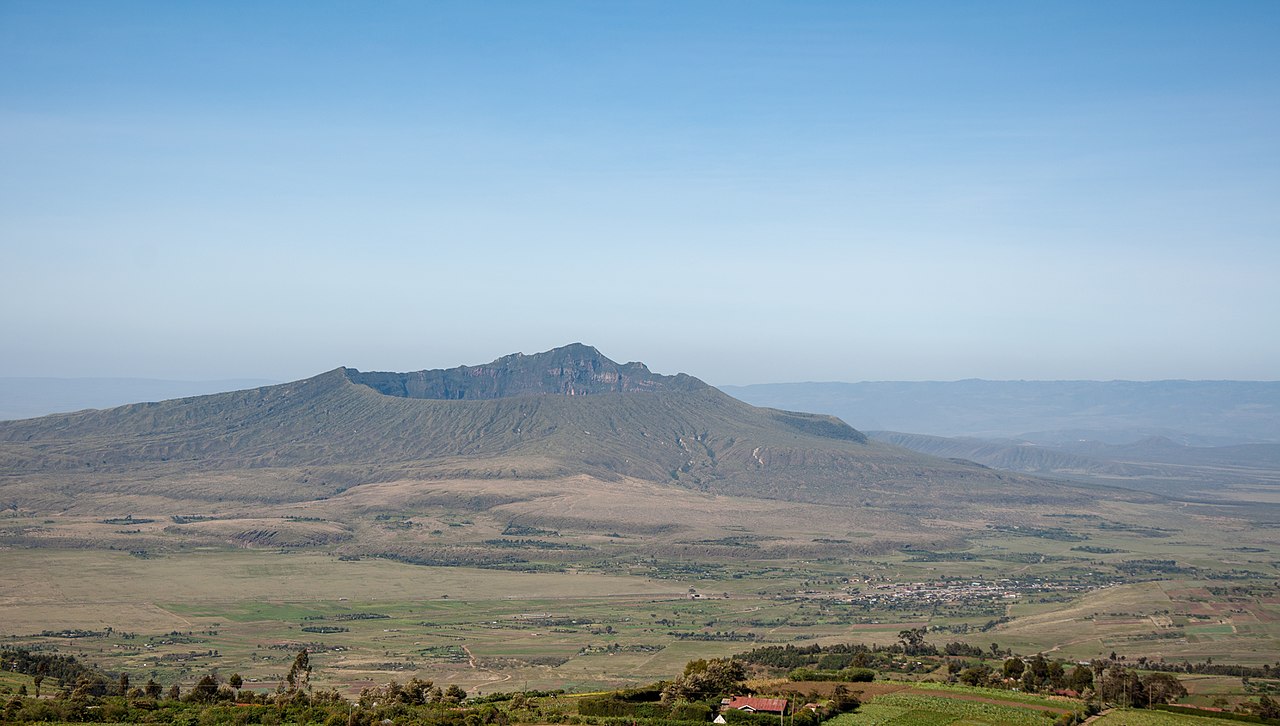
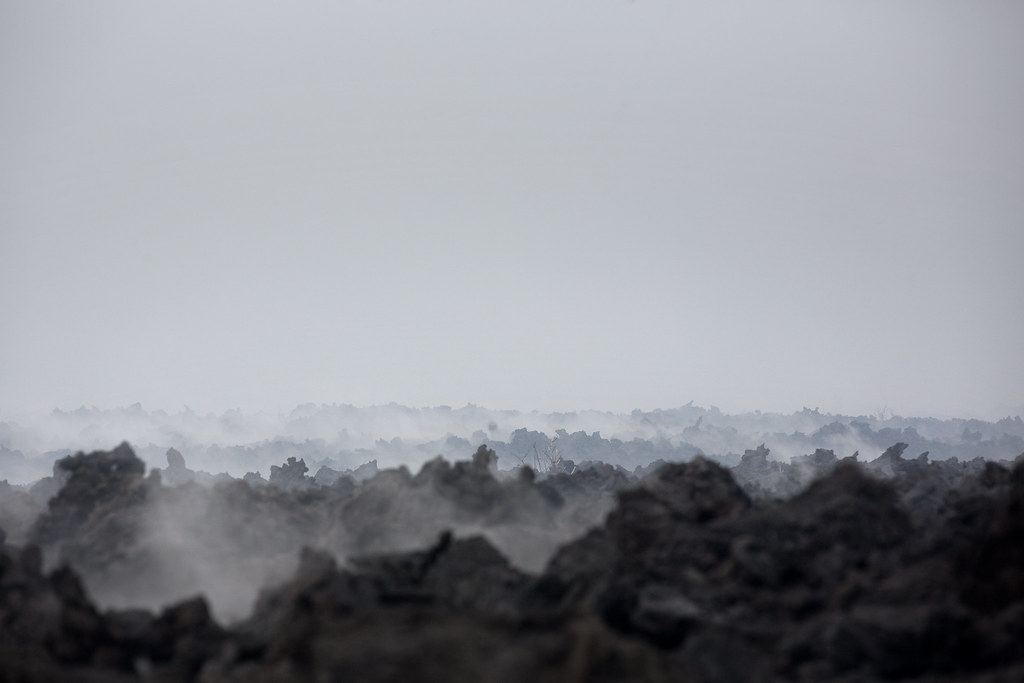
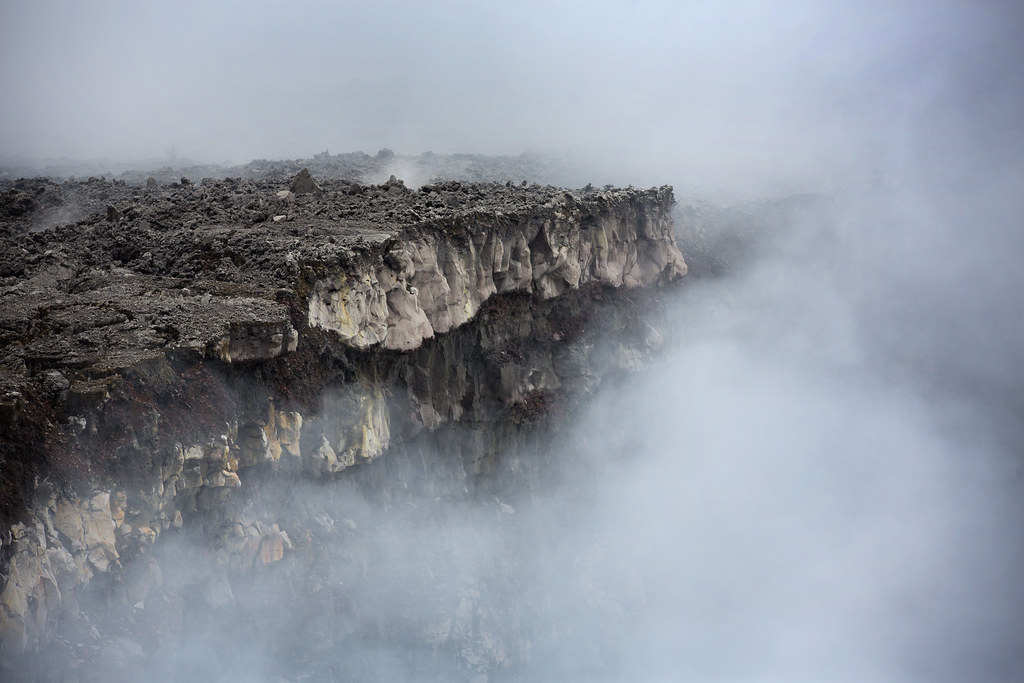
Mount Nyamuragira is a classic shield volcano, formed by the accumulation of low-viscosity basaltic lava flows that spread widely to create its broad, gently sloping profile. Rising to 3,058 meters, it dominates the Virunga volcanic massif in the East African Rift Valley. Since 1885, Nyamuragira has erupted over 40 times, making it Africa’s most active volcano. Its eruptions often occur along fissures on its flanks, producing extensive lava flows that can travel several kilometers. The summit caldera, approximately 2 kilometers wide with walls about 100 meters high, houses a lava lake that reappeared in 2014 after decades of dormancy, reaching depths of around 500 meters. The volcano’s activity releases significant sulfur dioxide, influencing local air quality and contributing to unique mineral deposits around fumaroles and vents. Nyamuragira’s geology is closely linked to the tectonic dynamics of the East African Rift, where the continental crust is slowly pulling apart, allowing magma to surface through fractures.
The Volcano Trek: Terrain and Hiking Experience
Trekking Mount Nyamuragira offers a diverse and challenging hiking experience shaped by its volcanic terrain and equatorial climate. The ascent begins at the Kibati Ranger Post, situated at approximately 1,870 meters elevation, where hikers receive a briefing and are assigned armed ranger guides for security and navigation. The trail initially winds through thick tropical forest, rich with biodiversity including primates and endemic birds, offering a lush contrast to the barren volcanic slopes above. As you gain altitude, the vegetation thins, replaced by rugged lava fields and steep ash slopes. The terrain becomes increasingly demanding, with loose volcanic ash and pumice making footing unstable and requiring sturdy hiking boots and trekking poles for balance. The steep gradients test endurance, especially as the air thins approaching the summit. Hikers encounter sharp volcanic rocks and occasional fumaroles emitting sulfurous gases, necessitating caution. Weather conditions can vary rapidly; dry seasons provide firmer trails, while rains can turn paths slippery and muddy. The final approach to the caldera rim reveals expansive views of the vast lava lake and surrounding Virunga landscape. The combination of physical challenge, geological spectacle, and rich natural surroundings makes the Nyamuragira trek a rewarding adventure for experienced hikers.
What Makes This Volcano Trek Unique
Mount Nyamuragira stands out as Africa’s most active shield volcano, offering trekkers a rare opportunity to witness ongoing volcanic processes in a relatively accessible setting. Unlike many stratovolcanoes, its broad, gently sloping profile allows for extensive lava flows that reshape the landscape frequently. The presence of a deep lava lake within its large caldera is a spectacular feature, with glowing molten rock visible during certain periods. The volcano’s frequent eruptions produce dramatic lava fountains and extensive basaltic flows, creating a dynamic and ever-changing terrain. Additionally, the trek can be combined with wildlife encounters in Virunga National Park, including mountain gorilla trekking and bird watching, blending geological adventure with rich biodiversity. The cultural experiences with local communities near the volcano add further depth to the journey. The combination of active volcanism, diverse ecosystems, and cultural richness makes Mount Nyamuragira a uniquely compelling destination for volcano enthusiasts and adventure travelers.
The Summit and Crater Experience
Reaching the summit of Mount Nyamuragira is a moment of awe and exhilaration. The expansive caldera, approximately 2 kilometers wide, reveals a vast lava lake nestled within, its molten surface glowing with intense heat. The air carries the sharp scent of sulfur, and the ground vibrates subtly with the volcano’s restless energy. Fumaroles emit steam and volcanic gases, creating a surreal atmosphere of raw earth power. From the crater rim, panoramic views stretch across the Virunga Mountains, Lake Kivu, and the distant Rwenzori range. The contrast between the barren volcanic landscape and the lush greenery below is striking. At night, the lava lake’s incandescence paints the darkness with fiery hues, a mesmerizing spectacle for those camping or staying in summit bungalows. The summit experience is both humbling and thrilling, connecting hikers intimately with the planet’s molten core.
Best Time to Trek Mount Nyamuragira
The optimal periods for trekking Mount Nyamuragira are during the dry seasons from June to September and December to February. These months offer more stable weather conditions, with reduced rainfall leading to firmer, less slippery trails. Dry weather also improves visibility, allowing clearer views of the crater and surrounding landscapes, enhancing photographic opportunities. While hiking is possible year-round, the wet seasons bring heavy rains that can make the steep volcanic slopes treacherous and muddy, increasing the difficulty and risk of the trek. Additionally, volcanic activity and regional security conditions are monitored continuously; trekkers should consult local authorities and tour operators for current safety updates. Planning a trek during the dry season maximizes safety, comfort, and the overall experience of this active volcanic environment.
Trekking Routes and Trail Options
The primary route to Mount Nyamuragira’s summit begins at the Kibati Ranger Post, located at approximately 1,870 meters elevation within Virunga National Park. From here, the trail ascends roughly 6.5 kilometers to the summit at 3,058 meters, with an elevation gain of about 1,200 meters. The hike typically takes between 4 to 6 hours one way, depending on fitness levels and trail conditions. The path traverses diverse terrain, starting through dense forest before transitioning to volcanic ash slopes and rugged lava fields. Armed ranger guides lead all treks for security and navigation, and porters can be hired to assist with heavy luggage. While the main trail is well-established, alternative routes may be used depending on volcanic activity and park regulations, but these are less common and require expert guidance. Overnight stays are possible at summit bungalows constructed from lava rock, offering a unique vantage point for observing the lava lake and nighttime volcanic glow. Camping is also an option for experienced trekkers who bring their own gear. Guided tours often combine the Nyamuragira trek with visits to nearby Mount Nyiragongo or gorilla trekking expeditions, providing a comprehensive Virunga adventure.
Difficulty Assessment
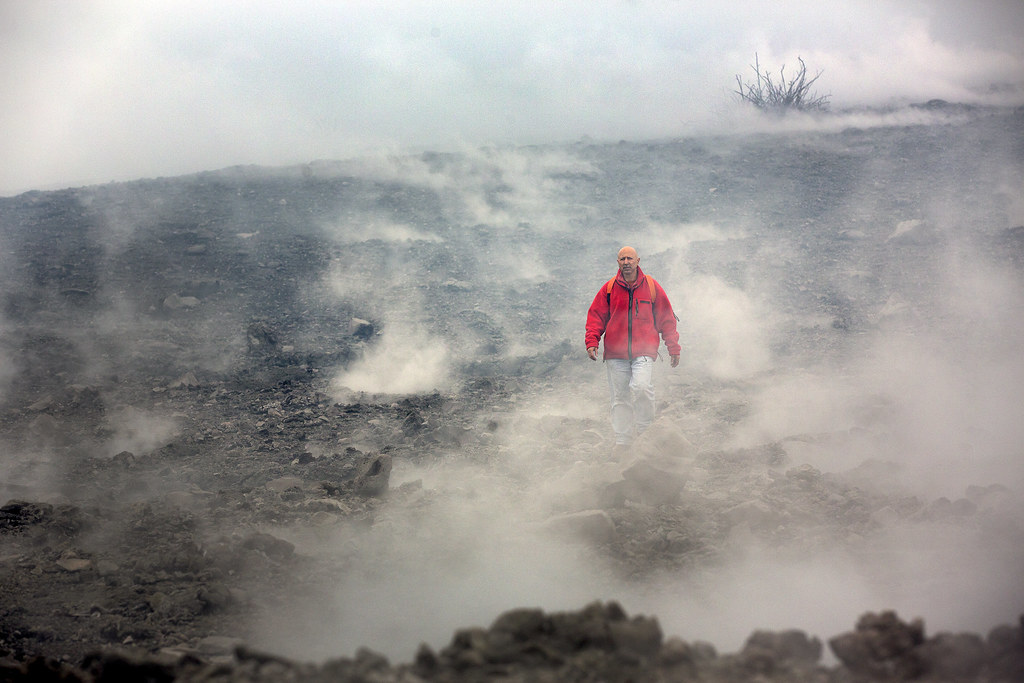
Mount Nyamuragira presents a moderate volcano trekking challenge suitable for physically fit and experienced hikers. The terrain includes steep ash slopes, loose pumice, rugged lava fields, and occasional rocky scrambling, requiring good balance and sturdy footwear. Altitude gain of approximately 1,200 meters over 6.5 kilometers demands endurance and acclimatization to avoid altitude sickness. The hike involves 4 to 6 hours of continuous ascent, often under strong equatorial sun or variable weather conditions. While technical climbing skills are not necessary, trekkers should be prepared for uneven surfaces and potential exposure to volcanic gases near fumaroles. The presence of armed ranger guides enhances safety, but hikers must be self-reliant and carry essential gear. Overall, the trek is classified as a moderate volcano trek, best suited for those with prior hiking experience and good physical conditioning.
Essential Volcano Trekking Gear
Successful trekking on Mount Nyamuragira requires specialized gear to navigate its volcanic terrain safely and comfortably. Essential items include sturdy hiking boots with excellent grip to handle loose ash and rocky lava fields, and trekking poles to aid balance on steep and unstable slopes. Protective clothing such as a windproof and waterproof jacket, gloves, and layered warm clothing are necessary due to temperature variations and potential rain. A wide-brimmed hat, sunglasses, and high-SPF sunscreen protect against intense equatorial sun exposure. Carrying sufficient water and high-energy snacks is critical, as the trek is physically demanding with limited resupply options. A headlamp is recommended for early starts or overnight stays. Due to volcanic gases, a lightweight respirator or gas mask may be advisable during periods of increased sulfur dioxide emissions. Insect repellent is useful for forested lower slopes. A first aid kit and a camera to capture the dramatic landscapes complete the essential gear list.
Safety and Volcanic Hazards
Mount Nyamuragira’s status as one of the world’s most active volcanoes necessitates strict safety precautions. The volcano emits significant sulfur dioxide and other volcanic gases, which can be hazardous to health; hikers should avoid close proximity to active vents and consider carrying a gas mask during periods of heightened activity. The terrain includes unstable crater edges, loose scree, and sharp volcanic rocks, posing risks of falls and injuries. Sudden lava breakouts and advancing lava flows, especially on the northwest flank, require adherence to park regulations and guidance from armed ranger escorts. Weather can change rapidly, with strong winds and rain increasing the difficulty and danger of the trek. The Virunga National Park authorities and Goma Volcano Observatory continuously monitor volcanic activity and security conditions, and expeditions may be modified or canceled at short notice to ensure visitor safety. Travelers must follow all instructions, remain vigilant, and be prepared for emergency evacuation if necessary.
Permits, Guides, and Logistics
Trekking Mount Nyamuragira requires obtaining official permits from Virunga National Park authorities, managed by the ICCN and Virunga Foundation. Permits cost approximately $300 per person and are best secured in advance through trusted local tour operators such as Nyamuragira Volcano Adventure Expeditions, African Gorilla Safaris, Ultimate Wild Safaris, and East Africa Safaris Tours. These operators provide comprehensive packages including permit acquisition, armed ranger escorts for security, and expert volcanologist guides. All treks start early morning, typically at 7:00 a.m., from the Bukima or Kibati Ranger Posts after a mandatory briefing covering safety protocols and park regulations. Due to regional security concerns, armed escorts are compulsory throughout the hike. Logistics involve transfers from Goma city, the nearest urban center, with road travel taking approximately 3 to 4 hours to the park entrance. Porters are available for hire at fees ranging from $15 to $25 depending on luggage weight. Visitors must arrange visas and mandatory vaccinations, including yellow fever, prior to arrival. Travel insurance covering high-risk activities and emergency evacuation is strongly recommended. Accommodations range from summit bungalows at $300 per night to camping with personal gear. Weather and volcanic activity can cause itinerary changes; flexibility and communication with operators are essential for a safe and successful expedition.
Where to Stay Near Mount Nyamuragira
Accommodation options for Mount Nyamuragira trekkers are centered around Virunga National Park and nearby towns, offering a range of comfort levels to suit different preferences. Mikeno Lodge, located in the lush Mahura Forest near the park headquarters in Rumangabo, is a luxury option featuring private bungalows with fireplaces, en-suite bathrooms, and stunning views of the Albertine Rift and nearby volcanoes. The lodge provides full meals, a bar, and easy access to gorilla trekking and volcano hikes. For mid-range travelers, Kibumba Tented Camp offers authentic African camping experiences with comfortable tents, local cuisine, and proximity to trekking trailheads, ideal for those seeking immersion in the wilderness without sacrificing basic amenities. Budget-conscious visitors may opt for camping near the summit or at designated sites within the park, but must bring their own gear and supplies. The summit bungalow on Nyamuragira itself provides a unique overnight experience at approximately $300 per night, allowing close observation of the lava lake and nighttime volcanic glow. Goma city, about 3 to 4 hours’ drive from the park, offers additional lodging, dining, and logistical support for travelers. Early booking through reputable tour operators is advised to secure accommodations and permits.