
Mount Longonot Volcano Trekking Guide: Conquer Kenya’s Majestic Stratovolcano in the Great Rift Valley
Mount Longonot is a dormant stratovolcano in Kenya’s Great Rift Valley, offering a moderate to challenging day hike with panoramic views of the crater, Lake Naivasha, and surrounding landscapes. This guide covers the geological background, detailed hiking experience, routes, permits, logistics, accommodations, and safety tips for adventurers seeking a unique volcanic trek near Nairobi.
Quick Volcano Snapshot
| Attribute | Value |
|---|---|
| Volcano type | Stratovolcano |
| Elevation | 2,776 meters (9,108 feet) |
| Location | Great Rift Valley, Kenya |
| Activity status | Dormant |
| Trekking difficulty | Moderate to challenging |
| Typical trek duration | 4 to 6 hours |
| Altitude gain | Approximately 630 meters (2,067 feet) |
| Terrain type | Volcanic rock, ash slopes, forested crater floor |
| Best season | January to April and September to December |
| Temperature range | Cool mornings to warm afternoons; variable with altitude |
| Permit requirement | Required; entrance fees apply |
The Experience of Hiking Mount Longonot
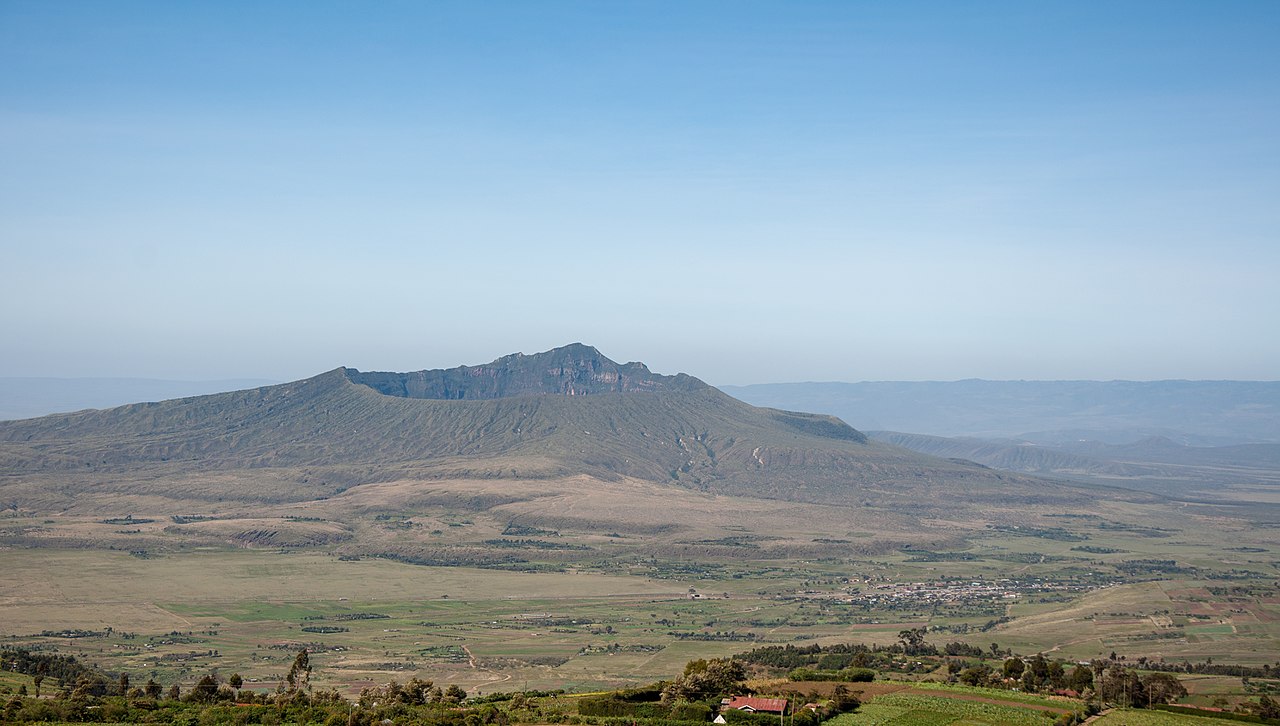
Mount Longonot rises proudly from the floor of Kenya’s Great Rift Valley, its dormant stratovolcano form etched with steep ridges and a vast crater that beckons adventurers. Approaching the volcano, hikers are greeted by a landscape of rugged volcanic rock and sparse acacia trees, contrasting sharply with the lush forest nestled within the crater itself. The climb is a physical challenge, with a steady ascent that tests endurance and rewards with sweeping views of Lake Naivasha and the Rift Valley escarpments. Standing on the crater rim, the vastness of the volcanic landscape unfolds in every direction, evoking a profound sense of geological power and timelessness. The silence here is punctuated only by the wind and distant wildlife, making the summit a place of both awe and reflection.

Geological Background of Mount Longonot
Mount Longonot is a dormant stratovolcano formed through successive layers of lava, ash, and volcanic rock, characteristic of explosive volcanic activity. Its name, derived from the Maasai word ‘Oloonong’ot’, means ‘mountain of many steep ridges’, a nod to its rugged terrain. The volcano last erupted in the 1860s, and since then, it has remained quiet, allowing a unique ecosystem to develop within its crater. The crater itself is approximately 8 kilometers in circumference and is densely forested, creating a striking contrast to the barren slopes outside. Geological features include fumaroles and steam vents, remnants of its volcanic past, and a variety of volcanic minerals embedded in the rock formations. The stratovolcano’s structure offers insight into the dynamic processes of the East African Rift system, where tectonic plates are slowly pulling apart.
Terrain and Hiking Experience on Mount Longonot
The hike up Mount Longonot is a compelling blend of physical challenge and geological discovery. Starting at the park gate, the trail leads through a scrubby forest with acacia trees and shrubs, providing some early shade. As the ascent begins, the terrain shifts to steep slopes covered in loose volcanic rock and ash, demanding careful footing and steady pacing. The initial climb to the crater rim is short but steep, with uneven volcanic rock that can be slippery, especially on descents. Hikers often feel the altitude as they approach 2,776 meters, with thinner air making the climb more strenuous. Once at the rim, the trail becomes a narrow, undulating path with frequent elevation changes, including sharp inclines and descents. This rim loop, approximately 7.2 kilometers long, offers panoramic views but requires good balance and stamina due to exposed sections and crumbly terrain. Wind exposure is common along the rim, and temperatures can vary significantly, from cool mornings to warm afternoons. The crater floor below is a dense forest, a unique ecosystem that contrasts with the volcanic desert above. Wildlife such as zebras, giraffes, and various antelope species can sometimes be spotted from the trail. The volcanic soil supports hardy plants adapted to the environment, adding bursts of green to the rocky landscape. Overall, the hike demands moderate fitness, with the full loop taking between 4 to 6 hours depending on pace and rest stops. Proper hydration is essential, as there is little shade and the sun can be intense. Trekking poles are recommended to aid balance on loose rock and steep sections. The trail is well-marked and maintained by the Kenya Wildlife Service, ensuring a safe and rewarding experience for hikers prepared for the terrain’s challenges.

What Makes the Mount Longonot Trek Unique
Mount Longonot stands out for its dramatic crater rim hike that offers a rare opportunity to circumnavigate a massive volcanic crater in a single day. The dense forest within the crater is a self-contained ecosystem, often described as a secret Garden of Eden, contrasting vividly with the barren volcanic slopes. The panoramic views from the rim encompass Lake Naivasha, the Great Rift Valley escarpments, and distant peaks like the Aberdares and Hell’s Gate National Park. Wildlife sightings along the trail, including zebras and giraffes, add a safari element to the trek. The volcano’s proximity to Nairobi makes it accessible for day trips, allowing hikers to experience volcanic grandeur without multi-day expeditions. The steep ridges and rugged terrain reflect the volcano’s Maasai name, ‘mountain of many steep ridges,’ providing a challenging yet rewarding adventure. The combination of geological significance, ecological diversity, and breathtaking vistas makes Mount Longonot a distinctive volcano trekking destination.
The Summit and Crater Experience
Reaching the summit of Mount Longonot is a moment of triumph and awe. The crater rim offers a 360-degree panorama where the vastness of the Great Rift Valley unfolds beneath the feet. The dense forested crater floor lies far below, a lush green contrast to the rocky rim. The air is crisp and carries the faint scent of earth and vegetation, with occasional breezes that whistle across the ridges. From the summit, hikers can spot Lake Naivasha shimmering in the distance and the rugged escarpments that frame the valley. The silence is profound, broken only by the wind and distant calls of wildlife. The crater itself, with its steep walls and unique ecosystem, feels like a natural amphitheater carved by volcanic forces. This vantage point offers a deep connection to the geological history and raw power that shaped the landscape, making the summit experience both humbling and exhilarating.


Best Time to Trek Mount Longonot
The ideal seasons for trekking Mount Longonot are from January to April and September to December, when the weather is generally dry and stable. These months offer clearer skies, enhancing the panoramic views from the crater rim. The park is open daily from 6 AM to 6 PM, with early morning starts recommended to avoid midday heat and to enjoy cooler temperatures during the ascent. Rainfall during the wet seasons (May to August) can make trails slippery and more challenging, increasing the risk of falls on loose volcanic rock. Additionally, volcanic gas emissions are minimal due to the volcano’s dormant status, but hikers should remain aware of weather changes that can bring sudden winds or fog, reducing visibility. Planning hikes during dry seasons ensures safer footing, better trail conditions, and more enjoyable wildlife viewing opportunities.
Trekking Routes and Trail Options on Mount Longonot
Mount Longonot offers two primary trekking options: the ascent to the crater rim and the full crater rim loop. The trail begins at the park entrance and ascends approximately 3.1 kilometers to the crater rim, gaining about 600 meters in elevation. This route is suitable for hikers seeking a shorter, less demanding experience, typically taking 1 to 1.5 hours to reach the rim. For those seeking a more immersive adventure, the full crater rim loop extends approximately 7.2 kilometers around the volcano’s edge, adding significant elevation changes and rugged terrain. Completing the full loop requires an additional 2 to 3 hours, making the total hike around 10.3 kilometers. The rim trail is narrow and undulating, with steep ascents and descents, including a challenging stretch near the summit on the far side. Both routes are well-marked and maintained by the Kenya Wildlife Service. Guided tours are available and recommended for first-time visitors or those unfamiliar with volcanic terrain. These tours often include transportation from Nairobi or Naivasha, park entrance fees, and expert guidance on trail conditions and safety. Self-guided hikers should prepare with adequate water, sun protection, and sturdy footwear. The trail’s exposure to sun and wind varies, with limited shade beyond the forested lower slopes. Wildlife sightings are common along the lower trail sections, while the rim offers unparalleled geological and scenic views. Hikers can choose to descend into the crater for a closer look at the unique forest ecosystem, though this adds to the overall difficulty and time required.

Difficulty Assessment of Mount Longonot Trek
Mount Longonot is classified as a moderate to challenging volcano trek. The initial climb from the park gate to the crater rim is steep and involves navigating loose volcanic rock and ash, which can be slippery and requires good balance. The altitude gain of approximately 630 meters adds to the physical demand, especially for those not acclimated to higher elevations. The full crater rim loop increases the challenge with its length of about 7.2 kilometers, featuring frequent elevation changes, narrow paths, and exposed sections vulnerable to wind. While the trail is well-marked, the crumbly terrain and sharp inclines near the summit require a reasonable level of fitness and hiking experience. Beginners with moderate fitness can manage the base-to-rim climb, but the full loop is better suited to experienced hikers. Proper preparation, including hydration, sun protection, and trekking poles, can mitigate some difficulties. Overall, the trek offers a rewarding challenge that balances physical exertion with spectacular volcanic landscapes.
Essential Gear for Mount Longonot Volcano Trekking
Successful trekking on Mount Longonot requires gear tailored to volcanic terrain and variable weather. Essential items include sturdy hiking boots with good grip to handle loose volcanic rock and ash. Trekking poles are highly recommended to aid balance on steep and slippery sections. Given the limited shade, sun protection is critical: bring a wide-brimmed hat, sunglasses, and high-SPF sunscreen. Layered clothing is advisable to adapt to temperature changes from cool mornings to warmer afternoons. A windproof jacket will protect against gusts along the exposed crater rim. Carry at least 2 liters of water per person to stay hydrated throughout the 4 to 6-hour hike. A headlamp or flashlight is useful for early starts or late finishes. A small first aid kit, snacks, and a camera to capture the stunning views complete the gear list. While volcanic gases are minimal due to dormancy, sensitive individuals may consider a lightweight face mask as a precaution.
Safety and Volcanic Hazards on Mount Longonot
Although Mount Longonot is dormant, safety precautions remain essential. The steep crater walls and loose volcanic rock pose risks of slips and falls, especially on descents and exposed rim sections. Hikers should stay on marked trails and avoid venturing too close to unstable edges. Weather can change rapidly, with strong winds and sudden temperature drops along the rim, so appropriate clothing and awareness are vital. Volcanic gases are minimal, but hikers with respiratory sensitivities should monitor their condition. The Kenya Wildlife Service manages the park and provides ranger escorts for safety and wildlife protection. Visitors should heed all posted warnings and park regulations. Carrying a basic first aid kit and informing someone of your hiking plans enhances safety. Emergency communication may be limited, so group hiking and guided tours are recommended for less experienced trekkers.
Permits, Guides, and Logistics for Mount Longonot Trekking
Mount Longonot National Park requires visitors to obtain entrance permits, managed by the Kenya Wildlife Service. Entrance fees as of 2026 are approximately $20 USD for non-resident adults and $15 USD for non-resident children, with reduced rates for Kenyan citizens and residents. The park is open daily from 6 AM to 6 PM. Permits are typically purchased at the park gate or through authorized tour operators. Guided hikes are highly recommended for safety, navigation, and enhanced experience. Reputable local tour operators offering Mount Longonot trekking packages include Kendirita Tours & Travel, KenyaAssist, and SafariBookings. These operators provide transportation from Nairobi or Naivasha, expert guides, park fees, and sometimes additional activities like boat tours on Lake Naivasha. Tours range from private excursions to group hikes, catering to various fitness levels and preferences. Logistics involve a roughly 1.5 to 2-hour drive from Nairobi to the park entrance, with Naivasha town serving as a convenient base approximately 30 kilometers away. Public transport options include matatus (shared minibuses) from Nairobi to Naivasha, followed by local taxis or matatus to the park. Self-guided hikers should plan for early starts to maximize daylight and avoid midday heat. Carry sufficient water, snacks, and sun protection, as facilities within the park are limited. Camping is available at designated sites within the park, with basic amenities including toilets and showers. Equipment rental such as tents and cooking gear can be arranged through tour operators. For those preferring comfort, accommodations near Lake Naivasha offer a range of lodges and hotels. Advance booking of permits and tours is advised during peak seasons to ensure availability.
Where to Stay Near Mount Longonot National Park
Accommodation options near Mount Longonot primarily cluster around the town of Naivasha, approximately 30 kilometers from the park entrance. Naivasha offers a spectrum of lodging choices, from budget-friendly self-catering apartments to mid-range lodges and luxury resorts. Notable establishments include Mount Longonot Lodge, which provides comfortable rooms with amenities such as free WiFi, an on-site restaurant, and easy access to hiking and cycling activities. Lake Naivasha Crescent Camp offers tented accommodation on the lake’s shores, blending rustic charm with en-suite facilities and scenic views. For travelers seeking upscale comfort, Lake Naivasha Sopa Lodge is set amidst expansive grasslands and acacia trees, home to resident wildlife including giraffes and monkeys. Many lodges provide shuttle services to Mount Longonot National Park, facilitating early morning starts. Camping within the park is also an option for adventurous visitors, with two designated campsites featuring ablution blocks and showers. Equipment rental for camping, including tents and cooking gear, is available through local tour operators. Staying in Naivasha allows visitors to combine the volcano trek with other regional attractions such as boat rides on Lake Naivasha to observe hippos and flamingos. Nairobi, about 90 kilometers away, offers extensive accommodation and transport options for those preferring city amenities before or after the trek. Early booking is recommended during peak seasons to secure preferred lodging.