
Mount Suswa Volcano Trekking Guide: Exploring Kenya’s Double Crater and Lava Caves
Mount Suswa, a dormant shield volcano in Kenya’s Great Rift Valley, offers a unique trekking experience with its double crater system, extensive lava tubes, and rich wildlife. This guide covers the geology, hiking terrain, routes, safety, permits, accommodations, and local tour operators for an unforgettable volcano adventure.
Quick Volcano Snapshot
| Attribute | Value |
|---|---|
| Volcano type | Shield volcano |
| Elevation | 2,356 meters |
| Location | Great Rift Valley, Kenya |
| Activity status | Dormant |
| Trekking difficulty | Moderate |
| Typical trek duration | 5 to 7 hours |
| Altitude gain | Approximately 600 meters |
| Terrain type | Rocky volcanic slopes, grassy plains, forested crater |
| Best season | January to March and July to October |
| Temperature range | Cool mornings and evenings; warmer midday temperatures |
| Permit requirement | Required, issued by Suswa Conservancy |
Introduction: The Experience of Hiking Mount Suswa
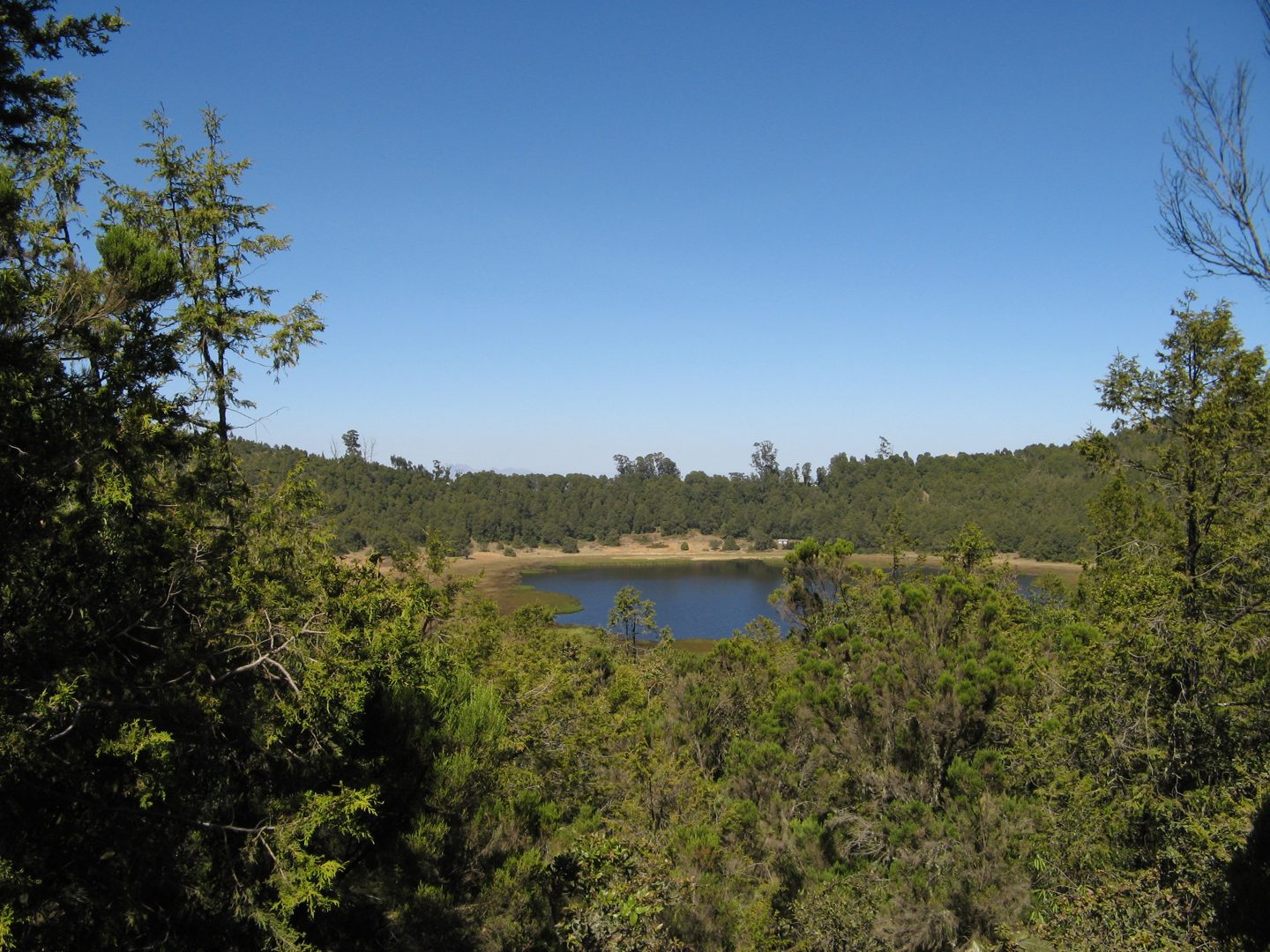
Approaching Mount Suswa, the vastness of the Great Rift Valley unfolds beneath you, framed by the volcano’s imposing double crater. The landscape is a dramatic blend of rugged lava fields, grassy plains, and acacia woodlands. Hiking here immerses you in a raw volcanic wilderness where geological power is palpable. The trail winds through rocky slopes and leads you to the crater rim, where panoramic views stretch across the Rift Valley. The contrast between the barren outer crater and the lush inner caldera creates a striking visual and emotional journey. Reaching the summit or descending into the lava caves evokes a profound connection to the Earth’s fiery past and the vibrant ecosystems that thrive in this volcanic cradle.

The Volcano Itself: Geological Background
Mount Suswa is a classic shield volcano formed by fluid lava flows that built broad, gently sloping cones over hundreds of thousands of years. Its most remarkable geological feature is the double crater system: a large outer caldera approximately 10 kilometers wide and a smaller, forested inner crater about 5 kilometers across. The inner crater hosts a volcanic plug known as Ol Doinyo Nyokie, a striking rocky pinnacle rising from the crater floor. The volcano last erupted over 200,000 years ago, leaving behind extensive lava flows that cooled into obsidian and basalt rock formations. These flows created a complex network of lava tubes and caves, including the famous Baboon Parliament caves. Geothermal vents and steam spouts dot the landscape, evidence of the volcano’s lingering subterranean heat. The diverse volcanic minerals and fumaroles enrich the soil, supporting unique flora and fauna within the inner crater’s forested ecosystem.
The Volcano Trek: Terrain and Hiking Experience
Trekking Mount Suswa offers a varied and engaging hiking experience that challenges and rewards adventurers. The terrain ranges from rocky volcanic slopes to grassy plains and dense forest within the inner crater. The outer crater rim trail is a moderate loop of approximately 10 kilometers, featuring exposed ridges with sweeping views of the Great Rift Valley and neighboring volcanoes like Mount Longonot. Hikers encounter sections of loose stones and volcanic scree that require careful footing, especially on steep ascents and descents. The trail’s elevation gain is around 600 meters, with some steep climbs that test endurance but remain accessible to hikers with moderate fitness.
The inner crater trail descends into a lush forest ecosystem, a surprising contrast to the barren outer slopes. Here, the ground softens underfoot, and the air cools as you navigate shaded paths filled with birdlife and small mammals. This section includes steeper descents but gentle terrain at the crater base, making it a refreshing change from the rocky upper slopes.
One of the most unique aspects of the hike is exploring the extensive lava tube caves on the volcano’s northeast side. These caves, formed by ancient lava flows, offer a subterranean adventure through narrow passages and vast chambers. The Baboon Parliament cave is a highlight, where large troops of baboons shelter at night, and thousands of bats roost in the ceilings. Navigating the caves requires a headlamp and a guide for safety, as some sections involve crawling and careful stepping over uneven surfaces.
Throughout the hike, the weather can shift quickly, with cool temperatures in the morning and warmer conditions midday. Winds are often stronger near the crater rim, adding to the exposed, wild feeling of the landscape. Wildlife sightings are common, including Grant’s gazelle, impala, rock hyraxes, and a variety of birds such as eagles and colorful songbirds. The trail’s natural diversity and geological features make the Mount Suswa trek a richly textured experience that combines physical challenge with immersive nature exploration.

What Makes This Volcano Trek Unique
Mount Suswa stands out for its rare double crater formation, a geological marvel that few volcanoes worldwide possess. The juxtaposition of the expansive, open outer crater with the lush, forested inner caldera creates a striking contrast that defines the trek’s character. The extensive lava tube caves beneath the volcano are among Africa’s most complex, offering a subterranean world teeming with wildlife and cultural significance. The Baboon Parliament cave, where troops of baboons gather nightly, is a singular wildlife spectacle.
The volcano’s location within the Great Rift Valley provides panoramic views of the surrounding savannah, neighboring volcanoes, and distant peaks such as Mount Kenya. The presence of Maasai communities grazing livestock on the outer crater slopes adds a cultural dimension, connecting visitors to traditional pastoral life. The combination of geological features, wildlife encounters, cultural interactions, and the raw, unspoiled nature of the landscape makes Mount Suswa a truly distinctive volcano trekking destination.
The Summit and Crater Experience
Reaching the summit of Mount Suswa at 2,356 meters offers a breathtaking reward. From the crater rim, hikers are treated to sweeping 360-degree views of the Great Rift Valley, with the vast outer caldera stretching below and the forested inner crater nestled within. The volcanic plug, Ol Doinyo Nyokie, rises dramatically from the inner crater floor, a striking geological landmark.
At the summit, the air is crisp and often carries the faint scent of sulfur from geothermal vents scattered around the crater. The ground may feel warm near steam spouts, and the occasional hiss of escaping gases adds a sensory reminder of the volcano’s latent power. The silence is profound, broken only by the calls of birds or the rustle of wildlife.
Descending into the inner crater reveals a cooler, shaded environment rich with biodiversity. The contrast between the barren summit and the vibrant crater floor is striking. Exploring the lava caves beneath the outer crater adds a thrilling dimension, with dark chambers illuminated only by your headlamp and the sight of bats hanging from the ceilings. The Baboon Parliament cave offers a unique wildlife encounter, where the troop leader can sometimes be seen perched on rocks, seemingly addressing the group.
This combination of panoramic vistas, geothermal activity, and intimate wildlife experiences makes the summit and crater exploration a highlight of the Mount Suswa trek.

Best Time to Trek Mount Suswa
The ideal time to hike Mount Suswa is during Kenya’s dry seasons, from January to March and July to October. These months offer the most stable weather, with minimal rainfall and clearer skies, enhancing visibility and trail conditions. Dry trails reduce the risk of slippery volcanic rock and muddy sections, making the hike safer and more enjoyable.
Early morning starts are recommended to avoid midday heat and to experience the spectacular sunrise views from the crater rim. Temperatures can be cool in the mornings and evenings, especially at higher elevations, so layering is essential.
During the rainy seasons, from April to June and November to December, trails can become slippery and more challenging. Additionally, sudden weather changes and cloud cover may obscure views. Volcanic gas emissions are generally low due to the volcano’s dormant status, but hikers should remain aware of local advisories.
Planning your trek around these seasons ensures the best combination of weather, safety, and scenic beauty for your Mount Suswa adventure.
Trekking Routes and Trail Options
Mount Suswa offers several distinct trekking routes catering to different interests and fitness levels. The primary trails include:
1. Outer Crater Rim Trail: This approximately 10-kilometer loop circles the expansive outer caldera. It takes 3 to 5 hours to complete and offers panoramic views of the Rift Valley, geothermal vents, and wildlife sightings. The terrain is moderately challenging with exposed sections and some scrambling over rocky outcrops. This route is ideal for hikers seeking broad vistas and a comprehensive experience of the volcano’s geological features.
2. Inner Crater Descent and Forest Trail: Covering 6 to 8 kilometers in an out-and-back format, this trail descends into the lush inner crater. The hike takes 2 to 4 hours and highlights the forest ecosystem, volcanic plug views, and birdwatching opportunities. The terrain is moderate, with a steep descent followed by gentler paths within the crater. This route suits hikers interested in biodiversity and a cooler, shaded environment.
3. Lava Cave Trail (Baboon Parliament): A shorter 1 to 2-kilometer loop, this trail includes exploration of the famous lava tubes. The hike takes 1 to 1.5 hours, including cave exploration. Difficulty ranges from easy to moderate, with some crawling and careful navigation inside the caves. Guided tours are recommended for safety and to enrich the experience with cultural and geological insights.
Guided hikes are highly recommended for orientation, safety, and to enhance understanding of the volcano’s natural and cultural significance. Self-guided options exist but require good navigation skills and preparation. Combining these trails can create a full-day itinerary, balancing summit views, crater exploration, and cave adventures.

Difficulty Assessment
Mount Suswa is classified as a moderate volcano trek. The terrain includes rocky volcanic slopes, loose scree, grassy plains, and forested paths, requiring a reasonable level of fitness and sure-footedness. The elevation gain of approximately 600 meters and the total hiking duration of 5 to 7 hours demand endurance but do not require technical climbing skills.
Hikers should be prepared for steep sections, especially on the ascent to the crater rim and the descent into the inner crater. The lava caves add an element of adventure, with narrow passages and uneven floors, but do not require specialized equipment beyond a headlamp and sturdy footwear.
Altitude effects are minimal at 2,356 meters but may affect those sensitive to elevation. Weather conditions can vary, with wind exposure near the summit and cooler temperatures in shaded crater areas.
Overall, Mount Suswa is suitable for hikers with moderate experience who are comfortable with varied terrain and physical exertion. Beginners with good fitness can attempt the trek with a guide.
Essential Volcano Trekking Gear
For a safe and comfortable trek on Mount Suswa, pack the following volcano-specific gear:
– Sturdy hiking boots with good grip for rocky and loose terrain
– Trekking poles to aid balance on uneven slopes
– Headlamp or flashlight for lava cave exploration
– Lightweight windproof jacket for summit winds and temperature changes
– Sun protection including hat, sunglasses, and high SPF sunscreen due to high exposure
– Ample water supply (3 liters or more) to stay hydrated
– Snacks or packed lunch for energy during the hike
– Lightweight rain jacket or poncho in case of sudden showers
– Backpack to carry gear comfortably
– Camera or smartphone for capturing panoramic views and wildlife
– Basic first aid kit including blister treatment
– Optional items: gloves for crawling in caves and a dust mask if sensitive to volcanic dust
Guides often provide additional safety equipment for cave exploration. Always check weather forecasts and trail conditions before setting out.
Safety and Volcanic Hazards
Mount Suswa is a dormant volcano with no recent eruptions, but safety precautions remain essential. The main hazards include:
– Unstable crater edges: Stay on marked trails and avoid venturing too close to steep drop-offs.
– Loose volcanic rock and scree: Use trekking poles and watch your footing to prevent slips and falls.
– Falling rocks: Be alert in narrow passages and under cliffs, especially in lava cave areas.
– Volcanic gases: While generally low, some geothermal vents emit sulfurous gases; avoid prolonged exposure near steam vents.
– Sudden weather changes: Mountain weather can shift rapidly; carry appropriate clothing and be prepared to turn back if conditions worsen.
Local Maasai guides and conservancy rangers monitor conditions and provide safety briefings. Visitors should heed all warnings and respect restricted areas. Emergency services are limited, so preparedness and caution are vital. The conservancy’s community management ensures ongoing monitoring and visitor safety.
Permits, Guides, and Logistics
Mount Suswa is located within a community-managed conservancy, and trekking requires permits issued by the Suswa Conservancy. Permits help support conservation efforts and the local Maasai community. The current permit fee is approximately 1,000 Kenyan Shillings per adult per day. Visitors should arrange permits in advance through local tour operators or directly with the conservancy office.
Guided hikes are highly recommended for safety, navigation, and cultural interpretation. Several reputable tour operators offer organized day trips and multi-day excursions to Mount Suswa, including African Spices Safaris, Kambu Campers, PJS Adventures, Antonio Safaris, and Kenya Day Tours. These operators provide experienced Maasai guides familiar with the terrain, wildlife, and lava caves.
Logistics for reaching Mount Suswa typically involve traveling from Nairobi, about 70 kilometers away. Access by road includes a combination of tarmac and dirt roads, with the last section requiring a 4×4 vehicle due to rocky and steep terrain. Public transport options include matatus to Narok or Suswa town, followed by boda-boda (motorcycle taxi) rides to the trailhead. Some tour operators arrange transfers from Nairobi via the Standard Gauge Railway (SGR) to Suswa station, followed by off-road transport to the mountain base.
Visitors should carry sufficient water, snacks, and appropriate gear, as there are no shops or facilities on the trail. Camping is possible with prior arrangement, and guides can assist with bookings and logistics. Communication with the conservancy and tour operators before arrival ensures a smooth and safe trekking experience.
Where to Stay Near Mount Suswa
Accommodation options near Mount Suswa cater to a range of preferences, from rustic camping to community homestays. The area is not developed with luxury lodges, emphasizing authentic wilderness experiences and cultural immersion.
1. Camping at Mount Suswa Conservancy: The most immersive option is camping within the conservancy. Popular campsites include the Cave Campsite near the Baboon Parliament lava caves, the Crater Rim Camp offering spectacular sunrise and sunset views, and the Maasai Campsite near local homesteads. Facilities are basic, with pit latrines and no running water, so visitors must bring their own supplies. Camping fees are approximately 1,000 KES per adult per night. Booking is informal and typically arranged through guides or the conservancy office.
2. Suswa Town Accommodations: In Suswa town, about 10 kilometers from the trailhead, travelers can find simple guesthouses and lodges such as Maraga Gateway Hotel. These provide basic amenities, meals, and a convenient base for early starts. From Suswa, guides or boda-bodas can transport hikers to the trailhead.
3. Nairobi Base: Many visitors choose to stay in Nairobi, Kenya’s capital, which offers a wide range of hotels, hostels, and guesthouses. Nairobi is approximately a 2-hour drive from Mount Suswa, making day trips feasible. Staying in Nairobi provides access to gear shops, tour operator offices, and transport connections.
4. Eco Camps and Community Stays: Some local Maasai communities offer cultural homestays and eco camps that include meals and guided experiences. These provide opportunities to learn about Maasai traditions and support community livelihoods.
Given the remote and undeveloped nature of the area, visitors should plan accommodations in advance and prepare for basic facilities. The focus is on connecting with nature, wildlife, and local culture in a pristine volcanic landscape.