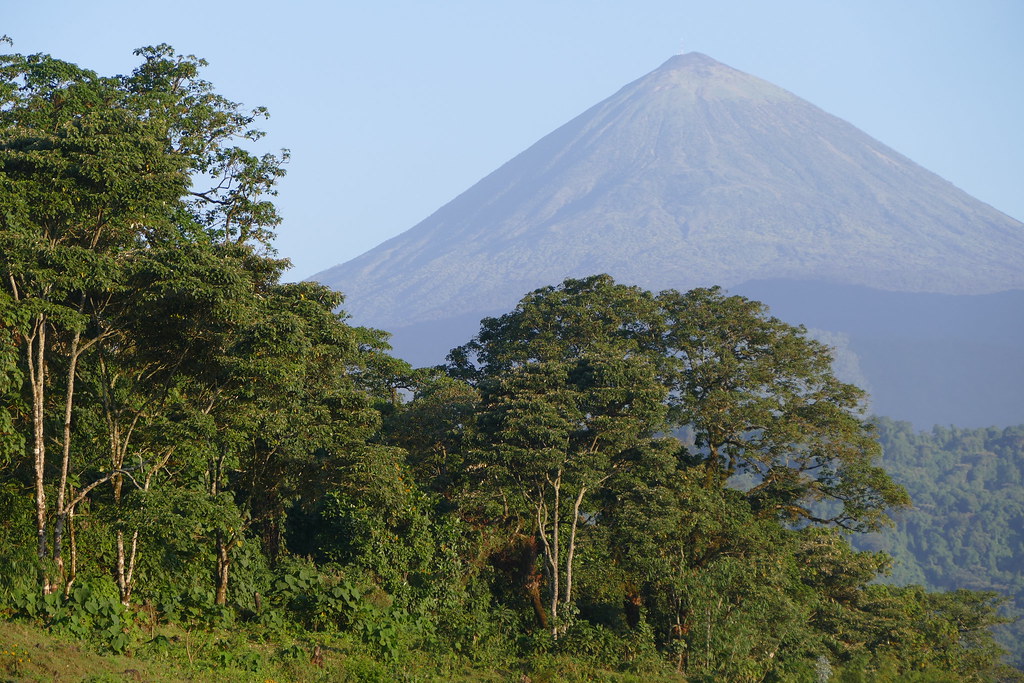

Mount Alutu Volcano Trekking Guide: Exploring Ethiopia’s Dormant Shield Volcano with Crater Lake and Forested Slopes
Mount Alutu is a dormant shield volcano located in Ethiopia’s Oromia Region, offering a moderate trekking experience through forested slopes and volcanic landscapes. This guide covers geological insights, trekking routes, safety, permits, and accommodation options for adventurers seeking to explore this unique volcanic destination.
Quick Volcano Snapshot
| Attribute | Value |
|---|---|
| Volcano type | Shield volcano |
| Elevation | 2,365 meters |
| Location | Oromia Region, Ethiopian Rift Valley, Ethiopia |
| Activity status | Dormant |
| Trekking difficulty | Moderate |
| Typical trek duration | 6 to 10 hours round trip |
| Altitude gain | 500 to 700 meters |
| Terrain type | Forested slopes, volcanic rock formations, crater rim |
| Best season | October to March (dry season) |
| Temperature range | 15°C to 25°C daytime, cooler at night |
| Permit requirement | Required from local authorities |
Introduction: The Experience of Hiking Mount Alutu
Approaching Mount Alutu, trekkers are greeted by a striking contrast between lush forested slopes and the stark volcanic terrain near the summit. The dormant shield volcano rises gently yet impressively above the Rift Valley, crowned by a serene crater lake that reflects the sky. Hiking here is an immersive journey into Ethiopia’s geological heart, where the power of ancient eruptions is visible in the landscape’s contours and mineral deposits. The trail winds through verdant vegetation, offering glimpses of endemic wildlife and the subtle steam vents hinting at the volcano’s geothermal vitality. Reaching the crater lake, hikers experience a profound sense of calm and awe, surrounded by the silence of a landscape shaped by fire and time.
Geological Background of Mount Alutu
Mount Alutu is a shield volcano located in the Ethiopian Rift Valley, part of the East African Rift system. Unlike steep stratovolcanoes, shield volcanoes like Alutu are formed by the eruption of low-viscosity basaltic lava that spreads widely, creating broad, gently sloping profiles. Alutu’s volcanic activity dates back over 500,000 years, with its last known eruption occurring approximately 2,400 years ago. The volcano features multiple vents aligned along east-west and north-northwest to south-southeast fissures, converging near the volcano’s center. This center is hypothesized to be a caldera, with visible rims especially prominent to the south and west. The volcano’s summit hosts a crater lake, a rare feature for shield volcanoes, formed by accumulated rainwater and geothermal activity. Persistent fumarolic activity and ground inflation indicate ongoing subterranean geothermal processes, which have been harnessed for the Aluto–Langano Geothermal Power Station. The volcanic rocks around Alutu include silicic compositions, and the area is rich in minerals deposited by fumaroles and steam vents, contributing to the unique geological landscape that attracts both scientists and trekkers.
The Volcano Trek: Terrain and Hiking Experience
Trekking Mount Alutu offers a diverse and engaging hiking experience characterized by a mix of forested trails, volcanic rock formations, and crater rim exploration. The ascent begins through dense montane forests that cloak the lower slopes, providing shade and a habitat for various bird species and small mammals. As hikers gain elevation, the vegetation thins, revealing volcanic soils and scattered lava rocks. The trail surface varies from compact earth to loose volcanic gravel and occasional rocky outcrops, requiring sturdy footwear with good grip. The terrain is moderately challenging, with steady inclines that test endurance but do not demand technical climbing skills. Altitude gain is approximately 500 to 700 meters, which can cause mild altitude effects for some trekkers, such as shortness of breath or fatigue. Weather conditions can change rapidly; mornings are often cool and misty, while afternoons may bring warmer temperatures and occasional winds near the summit. Near the crater, the landscape opens to reveal the volcanic lake, surrounded by fumaroles emitting gentle steam plumes. The crater rim offers panoramic views of the Rift Valley, nearby lakes Langano and Ziway, and distant mountain ranges. The volcanic terrain here includes hardened lava flows and mineral deposits, with some areas of loose pumice and ash that require careful footing. The hike’s moderate difficulty level makes it accessible to hikers with reasonable fitness, while the varied terrain ensures an engaging and rewarding experience. Trekkers should be prepared for uneven paths, occasional slippery sections, and exposure to sun and wind at higher elevations. Overall, Mount Alutu’s trek combines natural beauty, geological intrigue, and a manageable physical challenge, making it a compelling destination for volcano enthusiasts and adventure travelers alike.
What Makes the Mount Alutu Trek Unique
Mount Alutu stands out among Ethiopia’s volcanic destinations due to its combination of a dormant shield volcano structure, a tranquil crater lake, and richly forested slopes. Unlike the more rugged stratovolcanoes, Alutu’s gentle profile allows for a more accessible yet still adventurous trekking experience. The presence of a crater lake atop a shield volcano is a rare geological feature, offering hikers a serene and reflective destination at the summit. The trek also provides an ecological contrast, transitioning from lush montane forests to volcanic landscapes, showcasing diverse flora and fauna endemic to the Rift Valley region. The ongoing geothermal activity beneath the surface, evidenced by fumaroles and ground deformation, adds a dynamic scientific interest to the hike. Additionally, the volcano’s location between Lake Langano and Lake Ziway offers spectacular vistas of these large Rift Valley lakes, enhancing the scenic value of the trek. Culturally, the Oromia Region surrounding Mount Alutu is rich in history and tradition, allowing visitors to engage with local communities and experience Ethiopian hospitality. The volcano’s geothermal field supports a pilot power station, highlighting the intersection of natural wonder and sustainable energy development. This blend of geological, ecological, and cultural elements makes trekking Mount Alutu a distinctive and memorable adventure.
The Summit and Crater Experience
Reaching the summit of Mount Alutu, hikers are greeted by the peaceful expanse of the crater lake, its calm waters mirroring the sky above. The air here carries a faint scent of sulfur, a subtle reminder of the geothermal forces still active beneath the surface. Gentle steam rises from fumaroles scattered around the crater rim, creating a mystical atmosphere enhanced by the soft hiss of escaping gases. The crater rim provides sweeping panoramic views across the Ethiopian Rift Valley, with Lake Langano shimmering to the south and Lake Ziway visible to the north. The surrounding forested slopes contrast vividly with the barren volcanic terrain near the summit, emphasizing the volcano’s diverse landscapes. The temperature at the summit can be cooler and windier, inviting trekkers to pause and absorb the raw power and serene beauty of this ancient volcanic site. The moment at the crater is both humbling and exhilarating, offering a direct connection to Earth’s geological processes and a rare vantage point to appreciate the Rift Valley’s vastness. Many hikers describe a profound sense of accomplishment and wonder, standing on the edge of a volcanic caldera shaped over hundreds of thousands of years.
Best Time to Trek Mount Alutu
The optimal time to trek Mount Alutu is during Ethiopia’s dry season, from October to March. During these months, the weather is generally stable with minimal rainfall, providing safer and more comfortable hiking conditions. Daytime temperatures range from 15°C to 25°C, while nights can be cooler, especially at higher elevations. Avoiding the rainy season (June to September) is advisable, as trails can become slippery and visibility reduced by fog and clouds. The dry season also reduces the risk of encountering muddy or flooded paths, making the ascent more manageable. Early morning starts are recommended to take advantage of cooler temperatures and to enjoy clear views of the crater and surrounding landscapes. Afternoon winds near the summit can be strong, so hikers should be prepared with windproof clothing. Additionally, monitoring local volcanic activity reports and weather forecasts is prudent, although Mount Alutu is currently dormant with no imminent eruption risk. Planning the trek during the dry season also aligns with local tourism infrastructure availability, ensuring better access to guides, permits, and accommodations.
Trekking Routes and Trail Options on Mount Alutu
Mount Alutu offers several trekking routes that vary in length and difficulty, catering to different preferences and fitness levels. The most common approach begins from the base villages near Lake Langano, where local guides and tour operators organize excursions. The primary route ascends through forested slopes, following established footpaths that gradually gain elevation toward the crater rim. This trail typically takes between 6 to 10 hours round trip, depending on pace and stops. It features a mix of shaded forest sections and open volcanic terrain near the summit. The path is moderately steep in parts but well-marked and maintained. For trekkers seeking a more immersive experience, multi-day options are available that include camping near the crater lake or in forest clearings. These extended routes allow for exploration of the geothermal features and surrounding ecosystems, as well as cultural visits to nearby Oromo communities. Alternative routes may start from the eastern or western flanks of the volcano, offering different perspectives of the landscape and varying terrain challenges. Some trails pass through areas with fumarolic activity, providing opportunities to observe volcanic steam vents and mineral deposits up close. Guided tours are highly recommended, as local guides provide valuable knowledge about the volcano’s geology, flora, fauna, and cultural significance. They also assist with navigation, safety, and permit arrangements. Self-guided trekking is possible but less common due to the remote location and need for local permissions. Overall, Mount Alutu’s trail network offers flexibility for day hikes or longer expeditions, with routes designed to showcase the volcano’s natural beauty and geological features.
Difficulty Assessment of Mount Alutu Trek
Mount Alutu is classified as a moderate volcano trek, suitable for hikers with a reasonable level of fitness and some prior trekking experience. The terrain includes steady inclines, uneven volcanic soils, and occasional rocky sections that require careful footing. Altitude gain of approximately 500 to 700 meters is manageable but may cause mild altitude effects for some individuals. The highest point at 2,365 meters is not extreme, but acclimatization is advisable for those coming from low elevations. Technical climbing skills are not necessary, as the trails do not involve steep rock faces or technical scrambling. However, hikers should be prepared for variable weather conditions, including wind and temperature fluctuations near the summit. The moderate difficulty rating reflects the combination of trail length, elevation gain, and terrain variability. It is recommended that trekkers carry sufficient water, wear sturdy hiking boots, and use trekking poles for stability on loose volcanic gravel. Overall, Mount Alutu offers an accessible yet rewarding volcano trekking experience that balances physical challenge with natural beauty.
Essential Volcano Trekking Gear for Mount Alutu
Successful trekking on Mount Alutu requires gear suited to volcanic terrain and variable weather conditions. Essential items include sturdy hiking boots with good grip to handle loose volcanic gravel and rocky paths; trekking poles to aid balance and reduce strain on knees during ascents and descents; layered clothing including moisture-wicking base layers, insulating mid-layers, and a windproof, waterproof outer shell; sun protection such as a wide-brimmed hat, sunglasses, and high SPF sunscreen, as the volcano offers little shade near the summit; a headlamp or flashlight for early morning or late evening starts; sufficient water supply and hydration system, as water sources are limited on the trail; a lightweight backpack to carry snacks, extra clothing, and personal items; a basic first aid kit including blister treatment and altitude sickness remedies; and a camera or smartphone for capturing the stunning landscapes. An optional gas mask or respirator is generally not required, as volcanic gases are minimal, but hikers sensitive to sulfur fumes may consider carrying one. Proper preparation with appropriate gear enhances safety and comfort, allowing trekkers to fully enjoy the unique volcanic environment of Mount Alutu.
Safety and Volcanic Hazards on Mount Alutu
While Mount Alutu is currently dormant, safety precautions remain essential when trekking in volcanic environments. The primary hazards include uneven terrain, loose volcanic gravel, and potential exposure to fumarolic gases near the crater. Volcanic gases such as sulfur dioxide can be irritating to the respiratory system, especially near active fumaroles. Although Alutu’s fumarolic activity is mild, hikers sensitive to gases should monitor their condition and avoid prolonged exposure near vents. Trail sections with loose scree and rocks require careful navigation to prevent slips and falls. Weather can change rapidly, bringing strong winds and reduced visibility, particularly near the summit. Proper clothing and awareness of weather forecasts are important. There is no recent eruption history indicating imminent volcanic activity; however, the volcano is monitored by geological agencies due to ongoing ground deformation and geothermal activity. Trekkers should heed any local warnings or restrictions issued by authorities. Emergency communication may be limited in remote areas, so trekking with a guide or in groups is recommended. Carrying a basic first aid kit and informing someone of your itinerary enhances safety. Overall, Mount Alutu is a safe trekking destination when approached with respect for the environment and adherence to safety guidelines.
Permits, Guides, and Logistics for Trekking Mount Alutu
Trekking Mount Alutu requires obtaining permits from local authorities, which are typically arranged through reputable tour operators or guides. Permits help regulate visitor numbers, ensure safety, and support conservation efforts in the Oromia Region. Several established Ethiopian tour companies specialize in volcano trekking and eco-tourism, including Wisdom Ethiopia Tours, Rotate Ethiopia Tours, My Ethiopia Tours, Travelo Ethiopia, and Ethiopia Tourguide – Ras Fitsum. These operators provide comprehensive packages that include permit processing, transportation, experienced guides, accommodation arrangements, and logistical support. Permit costs vary but generally include park entry fees and administrative charges, typically ranging from $20 to $50 USD per person. It is advisable to book tours in advance, especially during peak trekking seasons from October to March. Guides are highly recommended for safety, navigation, and enriching the trekking experience with geological and cultural insights. Local guides are knowledgeable about trail conditions, weather patterns, and emergency procedures. Logistically, the nearest major city is Addis Ababa, from which travelers can arrange transport to the Oromia Region and the base of Mount Alutu. Road access is available, though conditions may vary; 4×4 vehicles are often preferred for comfort and reliability. Accommodation options near the volcano are limited but improving, with eco-lodges and guesthouses available around Lake Langano and nearby villages. Tour operators typically coordinate lodging as part of their packages. Trekking Mount Alutu involves moderate physical exertion, so adequate preparation, including fitness training and packing appropriate gear, is essential. Visitors should also respect local customs and environmental regulations, following minimum impact codes to preserve the natural and cultural heritage of the area.
Where to Stay Near Mount Alutu and Nearby Bases
Accommodation options near Mount Alutu are centered around the Rift Valley lakes region, particularly near Lake Langano, which lies close to the volcano’s base. This area offers a range of lodges, eco-resorts, and guesthouses that provide comfortable stays with access to the trekking trailheads. Bishangari Lodge, located on the shores of Lake Langano, is a notable eco-friendly luxury lodge offering locally crafted bungalows, diverse wildlife viewing, and amenities such as guided nature walks and cultural experiences. Its proximity to Mount Alutu makes it an excellent base for trekkers seeking comfort and immersion in nature. Other nearby accommodations include mid-range lodges and guesthouses in towns around the Oromia Region, providing essential services such as meals, transportation arrangements, and tour bookings. These establishments often feature traditional Ethiopian hospitality and opportunities to engage with local communities. For travelers preferring urban comforts, Addis Ababa, approximately 200 kilometers north, offers a wide selection of hotels ranging from budget to luxury, including international chains like Radisson Blu and Hilton. From the capital, organized tours and transport can be arranged to Mount Alutu. Camping near the crater lake is possible for experienced trekkers seeking a more adventurous experience, though this requires coordination with local guides and adherence to environmental guidelines. Overall, the accommodation infrastructure around Mount Alutu is developing, with tour operators playing a key role in providing seamless logistics and comfortable stays for volcano trekkers.