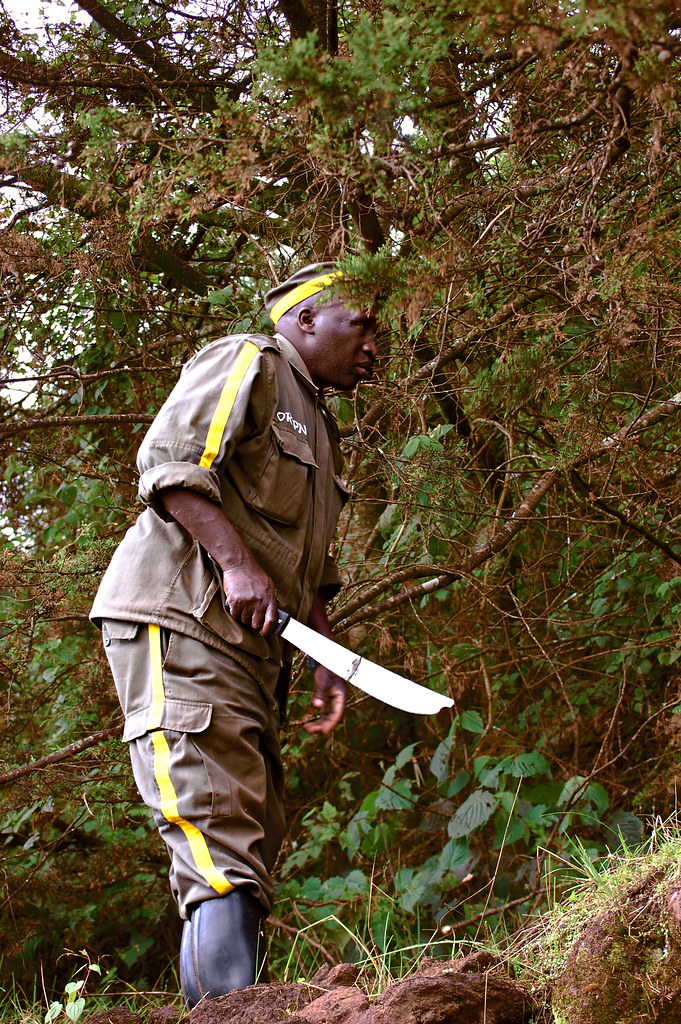

Mount Choke Volcano Trekking Guide: Exploring Ethiopia’s Forested Shield Volcano in the Amhara Highlands
Mount Choke, a dormant shield volcano in Ethiopia’s Amhara Region, offers a unique trekking experience through diverse forested volcanic landscapes. This guide covers the geology, trekking routes, terrain challenges, logistics, and eco-tourism opportunities around this biodiverse massif.
Quick Volcano Snapshot
| Attribute | Value |
|---|---|
| Volcano type | shield volcano |
| Elevation | 4184 meters |
| Location | Amhara Region, Ethiopia |
| Activity status | dormant |
| Trekking difficulty | moderate |
| Typical trek duration | 3 to 6 days |
| Altitude gain | approximately 1300 meters |
| Terrain type | forested volcanic massif with alpine moorlands and rocky outcrops |
| Best season | dry season, especially mid-January |
| Temperature range | cool to mild, with chilly summit winds |
| Permit requirement | permits included in guided tour packages; no formal national park permit system |
Introduction: The Experience of Hiking Mount Choke
Approaching Mount Choke, trekkers are greeted by a vast forested volcanic massif rising dramatically from the Ethiopian highlands. The landscape is a striking contrast of lush greenery and rugged volcanic terrain, where ancient lava flows meet dense moorlands and grasslands. Hiking here immerses you in a world shaped by geological forces and ecological richness. The air is crisp and cool, carrying the scent of alpine flora and the distant sound of flowing rivers. As you ascend, the expansive views of the Upper Blue Nile Basin unfold, revealing a tapestry of valleys, waterfalls, and endemic wildlife. Reaching the summit offers a profound sense of connection to the Earth’s volcanic power and the vibrant ecosystems it supports.
Geological Background of Mount Choke
Mount Choke is a shield volcano located in the Amhara Region of Ethiopia, forming part of the extensive volcanic highlands of the East African Rift system. This volcano rises to 4184 meters above sea level, making it one of Ethiopia’s highest peaks. Its formation is characterized by the gradual accumulation of basaltic lava flows, which have built broad, gently sloping landforms typical of shield volcanoes. The volcanic center is largely inactive and dormant, with no recent eruptions recorded. The area is marked by deeply incised river valleys and steep gorges carved by erosion and glacial activity during the last ice age. The volcanic soils support diverse vegetation, including moist moorlands with giant lobelia and endemic plant species. The massif is also a critical watershed, feeding over 60 rivers and 270 springs that contribute significantly to the Blue Nile Basin. Geological features such as basaltic rock formations, thin pyroclastic ash layers, and glacially sculpted valleys highlight the dynamic volcanic and climatic history of Mount Choke.
The Volcano Trek: Terrain and Hiking Experience
Trekking Mount Choke offers a varied and immersive hiking experience through a richly diverse volcanic landscape. The terrain is predominantly forested volcanic massif interspersed with alpine moorlands, grasslands, and rocky outcrops. Hikers begin their journey at lower elevations around 2800 meters, where the landscape is dominated by lush meadows and cultivated farmland. As the trail ascends, the environment transitions into moist moorlands featuring giant lobelia, sedges, and tussocks of Festuca grasses. The ground underfoot can vary from soft grassy paths to rocky and uneven volcanic soils, requiring careful footing especially on steeper slopes. The ascent involves moderate elevation gain of approximately 1300 meters, with some sections featuring gentle inclines and others steeper climbs. The volcanic terrain is generally stable but includes areas of loose scree and rocky ridges that demand sure-footedness. Weather conditions can shift rapidly, with cool temperatures and occasional winds near the summit. The trail passes through indigenous forests that shelter diverse wildlife such as guereza monkeys, bushbucks, and endemic bird species, adding a rich ecological dimension to the hike. Trekking routes often include traversing mountain plateaus, crossing streams, and navigating riverine valleys incised by erosion. The presence of waterfalls and caves along the way enhances the scenic variety. The trail infrastructure is minimal, emphasizing a back-to-nature experience where hikers rely on local guides and community support. Camping is common, with overnight stays at farmer family homesteads or eco-lodges such as Mulu Eco Lodge, which provide authentic cultural encounters and restful accommodations. Overall, the hiking experience on Mount Choke is characterized by moderate physical demands balanced with rewarding encounters with Ethiopia’s unique volcanic landscapes and biodiversity. Preparation for variable terrain, altitude acclimatization, and weather changes is essential for a safe and enjoyable trek.
What Makes the Mount Choke Trek Unique
Mount Choke stands out among African volcano treks due to its distinctive combination of a dormant shield volcano and a richly forested volcanic massif. Unlike many volcanic hikes dominated by barren lava fields or ash deserts, Mount Choke’s slopes are covered with diverse flora including giant lobelia, Erica shrubs, and endemic grasses. This biodiversity hotspot supports a variety of wildlife such as guereza monkeys, leopards, and endemic bird species, offering trekkers a rare blend of geological and ecological exploration. The mountain’s role as a vital water tower for the Upper Blue Nile Basin adds an environmental significance to the trek. Over 60 rivers and 270 springs originate here, feeding the Nile and sustaining downstream ecosystems. The cultural richness of the region, with traditional farming communities and historic sites like the Debre Libanos Monastery nearby, enriches the trekking experience. The community-based ecotourism model, exemplified by the Choke Mountains Ecovillage and Mulu Eco Lodge, provides authentic cultural immersion and sustainable travel practices. The trek’s moderate difficulty and multi-day routes through remote, unspoiled landscapes make it accessible yet adventurous for hikers seeking off-the-beaten-path volcano experiences in Africa.
The Summit and Crater Experience on Mount Choke
Reaching the summit of Mount Choke is a moment of serene triumph and awe. At 4184 meters, the peak offers sweeping panoramic views over the Amhara highlands and the vast Upper Blue Nile Basin. Unlike active volcanoes, Mount Choke’s summit lacks a prominent crater lake or lava lake, but the expansive volcanic plateau and surrounding peaks create a dramatic alpine vista. The summit area is characterized by open moorlands dotted with giant lobelia and rocky outcrops. The cool mountain air is crisp and invigorating, often accompanied by gentle winds. The silence at the top is profound, broken only by the calls of endemic birds and the rustle of alpine grasses. The sense of standing atop a geological giant that shapes the region’s hydrology and ecology is deeply moving. While fumarolic activity is absent due to the volcano’s dormant status, the summit’s natural beauty and ecological significance provide a unique volcanic experience. The opportunity to witness the interplay of volcanic geology and highland biodiversity makes the summit a rewarding destination for trekkers.
Best Time to Trek Mount Choke
The optimal time to trek Mount Choke is during the dry season, with mid-January being particularly favorable. During this period, the weather is generally stable with clear skies, making for excellent trekking conditions and panoramic views. The dry season reduces the risk of slippery trails and heavy rains that can complicate hiking. Temperatures range from cool to mild, especially at higher elevations, so layering is recommended. The alpine environment can experience sudden weather changes, including chilly winds near the summit, so trekkers should be prepared for variable conditions. Avoiding the rainy season is advisable, as heavy rains can cause trail erosion and increase the difficulty of river crossings. Additionally, some cultural events such as the Temqat festival at Taeme Town near Mulu Lodge occur in January, providing a unique cultural experience alongside trekking. Volcanic activity is dormant, so there are no restrictions related to eruptions, but it is always prudent to check local conditions and guidance from tour operators before planning the trek.
Trekking Routes and Trail Options on Mount Choke
Mount Choke offers several trekking routes that vary in length, difficulty, and cultural engagement. The most popular starting point is the Mulu Eco Lodge, located southwest of the mountain massif. From here, trekkers can embark on multi-day hikes ranging from 3 to 6 days, depending on the itinerary. One common route begins with a gentle 10 km trek to Kebero Meda, a mountain plateau with grasslands and rivers. This section is relatively flat and suitable for acclimatization. The trail passes through farm fields and small tea houses, providing opportunities for rest and cultural interaction. From Kebero Meda, the trek continues towards Molalit Cave, involving moderate elevation gain to around 3600 meters. The terrain here includes some hills and rocky sections, requiring moderate fitness and sure-footedness. Camping is typically arranged with local farmer families, offering authentic cultural experiences. Alternative routes explore the broader Choke Mountains Ecovillage area, incorporating visits to waterfalls, caves, and endemic wildlife habitats. Horseback or mule riding can supplement trekking for gear transport or to cover certain trail sections. Guided trekking is strongly recommended due to the minimal trail markings and the need for local knowledge. Tour operators such as Exploriada, Worqamba Ethiopian Holidays, and Action Tour Ethiopia provide organized packages including transportation, guides, and accommodation logistics. Overall, the routes offer a blend of natural beauty, cultural immersion, and moderate physical challenge, making Mount Choke a rewarding destination for adventurous trekkers.
Difficulty Assessment of Mount Choke Trek
Mount Choke is classified as a moderate volcano trek. The terrain includes a mix of gentle plateaus, moderate ascents, and some rocky or uneven volcanic soils. The altitude gain of approximately 1300 meters requires good cardiovascular fitness and acclimatization to avoid altitude sickness. Technical climbing skills are not necessary, as the trails do not involve steep rock faces or technical mountaineering sections. However, hikers should be prepared for variable trail conditions including loose scree, wet grasslands, and occasional river crossings. The remoteness of the area and limited infrastructure mean that trekkers must be self-reliant and comfortable with multi-day hiking and camping or staying in basic lodges. Weather variability and cool temperatures at higher elevations add to the challenge. Overall, the trek is suitable for hikers with moderate experience and good physical condition who are prepared for highland trekking and ecological exploration.
Essential Volcano Trekking Gear for Mount Choke
For trekking Mount Choke, the following gear is recommended to ensure safety and comfort: sturdy hiking boots with good grip for rocky and uneven terrain; trekking poles to assist with balance and reduce strain on knees; layered clothing including moisture-wicking base layers, insulating mid-layers, and a windproof/waterproof outer shell; warm hat and gloves for cool summit conditions; sun protection such as a wide-brimmed hat, sunglasses, and high SPF sunscreen due to high altitude exposure; hydration system such as water bottles or hydration packs; headlamp for early morning or late evening trekking; lightweight camping gear if camping, including tent, sleeping bag rated for cool temperatures, and sleeping mat; basic first aid kit including altitude sickness medication; insect repellent for lower elevation forested areas; backpack rain cover; personal toiletries and biodegradable soap. A gas mask or respirator is not required as the volcano is dormant with no gas emissions. Packing light but prepared for changing weather and terrain is key to a successful Mount Choke trek.
Safety and Volcanic Hazards on Mount Choke
Mount Choke is a dormant shield volcano with no recent eruptive activity, significantly reducing volcanic hazards such as lava flows, ashfall, or toxic gas emissions. However, trekkers should remain aware of general mountain safety considerations. The terrain includes steep river valleys and rocky slopes where loose scree and unstable footing can increase the risk of falls or injuries. Careful navigation and use of trekking poles are advised. Weather conditions can change rapidly, with cold temperatures and strong winds near the summit. Hypothermia risk exists if hikers are unprepared for these conditions. Altitude sickness is a potential concern due to the summit elevation above 4000 meters. Proper acclimatization, hydration, and pacing are essential. Wildlife encounters, while generally safe, require respect and caution, especially around larger mammals such as bushbucks or monkeys. Local guides and tour operators monitor conditions and provide safety briefings. It is recommended to trek with experienced guides familiar with the terrain and local environment. Emergency services are limited in this remote region, so self-sufficiency and communication planning are important for all trekkers.
Permits, Guides, and Logistics for Mount Choke Trekking
Trekking Mount Choke requires careful logistical planning due to its remote location and limited infrastructure. While there is no formal national park permit system specifically for Mount Choke, guided trekking is strongly recommended to navigate community land access, ensure safety, and support local economies. Several reputable tour operators offer organized trekking packages including permits, guides, transportation, and accommodation arrangements. Notable companies include Exploriada, Worqamba Ethiopian Holidays, Action Tour Ethiopia, and Travel Ethiopia Tours. These operators facilitate the permit process, which involves coordination with local authorities and community leaders to respect land use and conservation regulations. Permits and fees are generally included in tour packages, with costs varying depending on the length of the trek and services provided. Independent trekking without a guide is discouraged due to minimal trail markings and the need for local knowledge. Logistics typically involve a 7-hour 4WD drive from Addis Ababa to Mulu Eco Lodge, the main gateway to the Choke Mountains. From Mulu, trekking routes commence with options for camping or staying in community lodges. The Mulu Eco Lodge operates off-grid using solar power and emphasizes sustainable tourism practices. Porters, horses, or mules can be arranged to carry camping gear and supplies, easing the physical demands of multi-day trekking. Meals are often prepared by local families or lodge staff, featuring traditional Ethiopian cuisine. Visitors are encouraged to follow the Minimum Impact Code to minimize environmental and cultural disturbance. This includes waste management, respecting wildlife, and supporting local communities. Overall, engaging a knowledgeable tour operator ensures a well-organized, safe, and culturally respectful trekking experience on Mount Choke.
Where to Stay and Nearby Bases for Mount Choke Trekking
The primary base for trekking Mount Choke is the Mulu Eco Lodge, located southwest of the mountain massif near Dembecha town. This eco-lodge is renowned for its sustainable practices, operating off-grid with solar energy and emphasizing community involvement. It offers comfortable accommodations with meals prepared from locally sourced ingredients, providing an authentic cultural experience. Mulu Eco Lodge serves as the ideal starting and finishing point for multi-day treks, with facilities for gear storage and arrangements for porters or pack animals. Staying here allows visitors to acclimatize and engage with local communities involved in honey production, coffee cultivation, and traditional brewing. For those seeking alternative accommodations, the nearby towns of Debre Markos (approximately 40 km south) and Dembecha offer guesthouses and basic hotels. Debre Markos is a larger urban center with more amenities and transport connections, making it suitable for pre- or post-trek stays. Camping is common during the trek itself, with overnight stops at farmer family homesteads or designated campsites. These provide opportunities for cultural exchange and immersion in rural Ethiopian life. Due to the remote nature of the region, modern infrastructure is limited, and transportation to trailheads often requires 4WD vehicles. The journey from Addis Ababa to Mulu Eco Lodge takes about 7 hours by road. Visitors should plan accommodations well in advance, especially during peak trekking seasons, to ensure availability and support local sustainable tourism initiatives.