
Mount Gahinga Volcano Trekking Guide: Explore Rwanda’s Dormant Virunga Volcano with Bamboo Forests
Mount Gahinga, the smallest dormant stratovolcano in the Virunga range, offers a moderate trek through lush bamboo forests and volcanic terrain. This comprehensive guide covers geology, trekking routes, permits, safety, and accommodation options for an unforgettable volcano hiking adventure in Rwanda and Uganda.
Quick Volcano Snapshot
| Attribute | Value |
|---|---|
| Volcano type | Stratovolcano |
| Elevation | 3,474 meters |
| Location | Virunga Mountains, Rwanda/Uganda border |
| Activity status | Dormant |
| Trekking difficulty | Moderate |
| Typical trek duration | 6 to 8 hours |
| Altitude gain | Approximately 1,000 meters |
| Terrain type | Bamboo forests, volcanic rock, swampy crater |
| Best season | June to September and December to February (dry seasons) |
| Temperature range | 10°C to 25°C |
| Permit requirement | Required (USD 75 for foreigners) |
Introduction: The Experience of Hiking Mount Gahinga
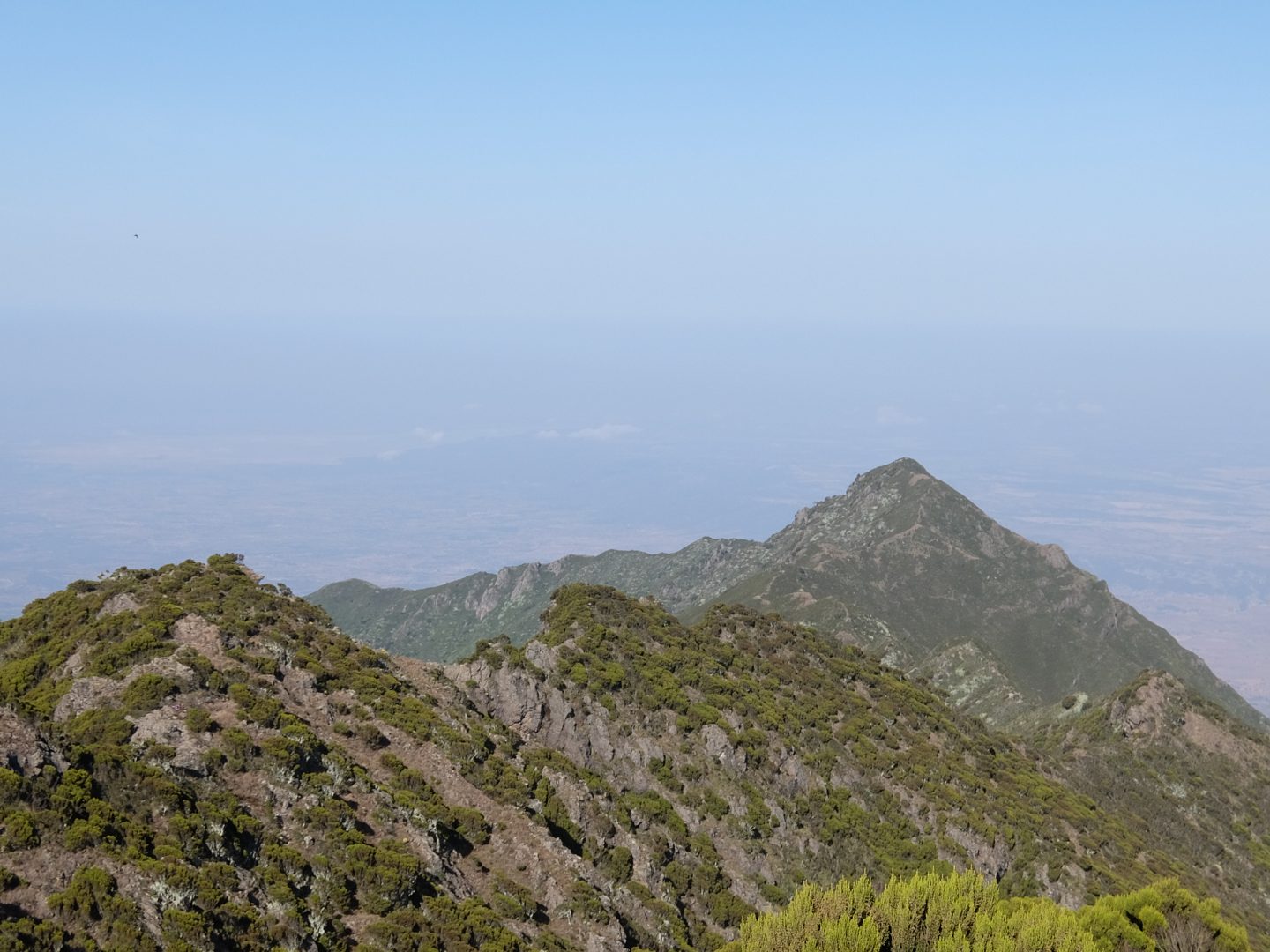
Approaching Mount Gahinga, hikers are greeted by a striking landscape where dense bamboo forests cloak the lower slopes, giving way to volcanic rock and a unique swampy crater at the summit. The trek immerses adventurers in a world where geological power meets vibrant biodiversity. The contrast between the lush greenery and the stark volcanic terrain creates a dramatic backdrop. Reaching the summit offers a profound sense of accomplishment, with panoramic views of the Virunga volcanoes and the rare opportunity to witness the habitat of mountain gorillas and golden monkeys.
The Volcano Itself: Geological Background
Mount Gahinga is a dormant stratovolcano forming part of the Virunga Mountain Range, which stretches across Rwanda, Uganda, and the Democratic Republic of Congo. Standing at 3,474 meters, it is the smallest of the Virunga volcanoes. The name “Gahinga” means “pile of stones” in the local Kinyarwanda language, reflecting the mountain’s stony slopes. The volcano features a shallow, swampy caldera approximately 180 meters wide, formed by past eruptions before the volcano became extinct. Its slopes are covered by Afro-montane and bamboo forests, which provide habitat for endangered mountain gorillas and other wildlife. Volcanic caves and lava formations are scattered along the ascent, offering insight into the mountain’s volcanic past. The fertile volcanic soils support diverse flora, including rare sub-alpine plants such as lobelia and senecio.
The Volcano Trek: Terrain and Hiking Experience
The trek up Mount Gahinga is a rewarding moderate hike that typically takes between six and eight hours round trip. The journey begins at the park headquarters with a briefing from experienced rangers who provide essential safety information and an overview of the route. The initial section of the trail winds through dense bamboo forests, where hikers may encounter golden monkeys and other primates. The bamboo terrain is lush but can be slippery, especially during the wet season, requiring sturdy hiking boots and careful footing.
As the trail ascends, the terrain transitions to volcanic rock and loose scree, demanding more careful navigation and moderate scrambling in some sections. Wooden ladders and steps are installed in steeper areas to aid hikers. The volcanic rock is often sharp and uneven, so trekking poles are highly recommended to maintain balance and reduce strain on knees during descent.
The altitude gain of approximately 1,000 meters can affect breathing and stamina, especially for those not acclimatized to high elevations. Temperatures vary from cool in the bamboo forest to colder near the summit, where wind exposure increases. Layers and windproof clothing are essential.
The summit features a unique swampy crater filled with rare sub-alpine vegetation, a stark contrast to the volcanic rock below. The crater’s shallow waters and surrounding flora create a serene environment for rest and photography. Wildlife sightings along the trail include mountain gorillas, golden monkeys, various bird species, and occasionally forest elephants and duikers. The trail is well-marked and maintained, but hikers should be prepared for uneven ground, occasional mud, and steep sections.
Overall, the terrain offers a diverse hiking experience combining forest paths, volcanic features, and high-altitude ecosystems. The moderate difficulty level makes it accessible to hikers with reasonable fitness, though preparation and proper gear are essential for safety and comfort.

What Makes This Volcano Trek Unique
Mount Gahinga stands out among the Virunga volcanoes due to its relatively gentle ascent and the distinctive bamboo forest habitat that blankets its slopes. Unlike some of its more rugged neighbors, Gahinga offers a less strenuous yet equally captivating trekking experience. The summit’s swampy caldera is a rare geological feature, providing a unique ecosystem with sub-alpine plants not commonly found on other volcanoes in the region. The area is also a sanctuary for endangered mountain gorillas and vibrant golden monkeys, making wildlife encounters a highlight of the trek. The combination of volcanic landscapes, rich biodiversity, and cultural significance within the Virunga National Parks adds depth to the adventure.
The Summit and Crater Experience
Reaching the summit of Mount Gahinga reveals a tranquil swamp-filled crater surrounded by rare alpine vegetation. The air is crisp and cool, with panoramic views stretching across the Virunga mountain range, including neighboring peaks like Mount Muhabura and Mount Sabyinyo. The crater’s shallow waters reflect the sky, creating a peaceful atmosphere contrasting with the rugged volcanic terrain below. Hikers can observe the delicate balance of this unique ecosystem, home to plants such as lobelia and senecio. The summit is often quiet, allowing for moments of reflection and awe at the geological forces that shaped this landscape. The experience is enriched by the sounds of distant wildlife and the fresh mountain air.
Best Time to Trek Mount Gahinga
The optimal periods for trekking Mount Gahinga are during the dry seasons from June to September and December to February. During these months, trails are drier and less slippery, vegetation is shorter, and visibility is generally clearer, enhancing the hiking experience. The wet seasons, from March to May and October to November, bring heavy rains that can make paths muddy and challenging, increasing the risk of slips and falls. Weather conditions can change rapidly at higher elevations, so hikers should be prepared for sudden temperature drops and wind. Early morning starts at 7:00 am are standard to maximize daylight and avoid afternoon showers. Park authorities may impose restrictions during periods of volcanic activity or adverse weather, so checking current conditions before planning a trek is advised.
Trekking Routes and Trail Options
Mount Gahinga can be accessed from two main national parks: Volcanoes National Park in Rwanda and Mgahinga Gorilla National Park in Uganda. Both routes offer similar trekking experiences with slight variations in logistics and scenery.
The Rwandan route starts at Volcanoes National Park headquarters in Kinigi. After a briefing at 7:00 am, hikers proceed through farmland and dense bamboo forests, gradually ascending to the summit. This route typically takes 6 to 8 hours round trip and is guided by park rangers.
The Ugandan route begins at Mgahinga Gorilla National Park headquarters near Kisoro. The trail similarly traverses bamboo forests and volcanic terrain, with opportunities to see wildlife such as golden monkeys and mountain gorillas. This route also requires a ranger guide and takes approximately 6 to 8 hours.
Both routes are well-marked and maintained, with wooden ladders and steps in steeper sections. Porters are available at both parks to assist with carrying luggage for a small fee. Guided tours often combine the Mount Gahinga trek with other activities such as gorilla trekking, golden monkey tracking, and cultural experiences with the Batwa community.
Self-guided trekking is not permitted; all hikers must be accompanied by authorized guides for safety and conservation reasons. Permits can be purchased on the day of the hike or in advance through official park websites or tour operators. The choice between the two routes depends on travel logistics, with the Rwandan side accessible from Kigali and the Ugandan side from Kisoro.
Difficulty Assessment
Mount Gahinga is classified as a moderate volcano trek. The terrain includes steep sections, uneven volcanic rock, and slippery bamboo forest paths that require good balance and stamina. The altitude of 3,474 meters means hikers may experience mild effects of elevation, such as shortness of breath or fatigue, especially if not acclimatized. No technical climbing skills or equipment are necessary, but a reasonable level of fitness is essential to complete the 6 to 8-hour round trip comfortably. The trail is suitable for hikers with some prior trekking experience, but beginners with good physical condition can also manage the ascent with proper preparation and pacing.
Essential Volcano Trekking Gear
For a safe and comfortable trek up Mount Gahinga, hikers should equip themselves with sturdy hiking boots that provide good grip on slippery and rocky terrain. Trekking poles are highly recommended to aid balance and reduce strain on knees during steep ascents and descents. Layered clothing is essential to adapt to temperature changes, including moisture-wicking base layers, insulating mid-layers, and a windproof and waterproof outer shell. Long-sleeved shirts and trousers protect against insect bites and scratches from bamboo. A rain jacket is crucial during the wet seasons. Additional gear includes a hat and sunglasses for sun protection, insect repellent, a first aid kit, gloves, and a headlamp if starting early or finishing late. Carry sufficient water and high-energy snacks to maintain hydration and energy levels throughout the hike.
Safety and Volcanic Hazards
Mount Gahinga is a dormant volcano with no recent eruptive activity, minimizing volcanic hazards during trekking. However, hikers should remain cautious of natural risks such as unstable volcanic rock, loose scree, and slippery bamboo forest trails, especially during wet conditions. The crater edges can be swampy and uneven, requiring careful footing. Wildlife encounters, including mountain gorillas and golden monkeys, should be approached respectfully and under ranger guidance to ensure safety for both visitors and animals. Sudden weather changes, including cold winds and rain, are common at higher elevations, so appropriate clothing and preparedness are vital. All treks are conducted under the supervision of trained park rangers who monitor trail conditions and provide emergency support. Visitors should adhere strictly to park rules and ranger instructions to ensure a safe and responsible trekking experience.
Permits, Guides, and Logistics
Hiking Mount Gahinga requires a valid permit, which can be purchased on the day of the trek or booked in advance through official channels such as the Rwanda Development Board (RDB) or Uganda Wildlife Authority (UWA). The permit fees vary by nationality: for foreign non-residents, the cost is approximately USD 75 in Rwanda and USD 80 in Uganda; East African citizens pay reduced rates. Permits are issued on a first-come, first-served basis, and hikers must present valid identification documents at park entry points. The minimum age for hiking is 15 years, and group sizes are limited to 12 participants to minimize environmental impact.
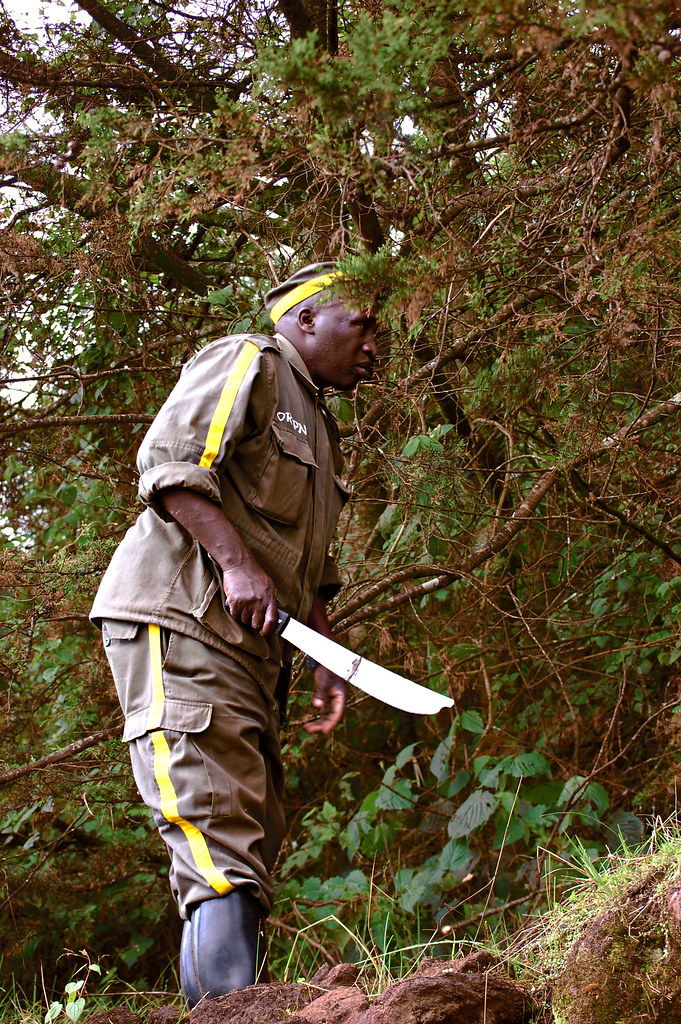
All treks are led by experienced park rangers who provide safety briefings, navigation, and wildlife information. Ranger escorts are mandatory to ensure visitor safety and conservation compliance. Porters are available for hire at both Volcanoes National Park and Mgahinga Gorilla National Park headquarters to assist with carrying luggage for a small additional fee.
Several reputable tour operators organize guided Mount Gahinga treks, including SilverBird Tour Agency, Volcanoes Safaris, and local Ugandan and Rwandan operators. These tours often include hotel transfers from Kigali or Kisoro, park fees, ranger guides, and sometimes additional activities such as gorilla or golden monkey trekking.
Travelers typically start their day early, with registration and briefing at 7:00 am, followed by the hike. The trek duration is 6 to 8 hours, allowing time for wildlife viewing and rest breaks. It is advisable to book accommodations and permits in advance during peak seasons to secure availability. Visitors should ensure all applications are complete and truthful, as fraudulent or incomplete permit applications result in denied park entry.
Logistically, Mount Gahinga is accessible via a 2-3 hour drive from Kigali, Rwanda, or a 4-5 hour drive from Kampala, Uganda, with nearby airports at Kigali International and Kisoro airstrip. Transfers and local transport can be arranged through tour operators or independently. The region’s infrastructure supports comfortable trekking experiences with ranger support and community engagement.
Where to Stay Near Mount Gahinga
Accommodation options near Mount Gahinga cater to a range of preferences, from luxury lodges to budget-friendly campsites, primarily located around Mgahinga Gorilla National Park in Uganda and Volcanoes National Park in Rwanda.
Mount Gahinga Lodge in Uganda is the premier luxury option, situated on the park’s edge with stunning views of the Virunga volcanoes and Lake Mutanda. The lodge features nine stone-built bandas with en-suite bathrooms, fireplaces, private verandahs, and modern amenities including WiFi and dining facilities. Guests enjoy easy access to the park headquarters, making it ideal for early starts and convenient trekking logistics. The lodge also offers cultural experiences with the Batwa community and guided wildlife tours.
Other notable accommodations include Volcano Safari Lodge near Kisoro, which provides cozy, rustic-style bandas with fireplaces and hot showers, creating a warm atmosphere after a day on the trail. The lodge offers full-service dining and arranges trekking activities.
For mid-range and budget travelers, options include Kisoro Tourist Hotel and Traveler’s Rest Hotel in Kisoro town, offering clean, comfortable rooms with easy access to the park. Community-run camps such as Amajambere Iwacu Community Camp provide simple lodging with cultural immersion opportunities.
Camping is available at designated sites within Mgahinga Gorilla National Park for those seeking a more adventurous and economical experience. Facilities are basic but sufficient for an overnight stay.
On the Rwandan side, accommodations near Volcanoes National Park headquarters in Kinigi include mid-range lodges and guesthouses that provide convenient access to the trailhead.
Booking accommodations in advance is recommended, especially during peak trekking seasons. Many lodges and hotels offer package deals including transfers, meals, and guided tours, simplifying trip planning for visitors.