Mount Rwenzori Trekking Guide: Conquer Uganda’s Majestic Mountains of the Moon
Explore the challenging and breathtaking trek to Mount Stanley in the Rwenzori Mountains, Uganda’s highest peak. This comprehensive guide covers geology, terrain, routes, permits, accommodations, and safety for an unforgettable alpine adventure.
Quick Volcano Snapshot
| Attribute | Value |
|---|---|
| Volcano type | Complex volcano |
| Elevation | 5,109 meters |
| Location | Western Uganda, Africa |
| Activity status | Dormant |
| Trekking difficulty | Technical mountaineering |
| Typical trek duration | 7 to 12 days |
| Altitude gain | Approximately 3,500 meters |
| Terrain type | Glacial peaks, alpine vegetation, montane forest, boggy valleys, rocky ridges |
| Best season | December to February and June to August |
| Temperature range | 0°C to 15°C (32°F to 59°F) |
| Permit requirement | Required, issued by Uganda Wildlife Authority |
The Experience of Hiking Mount Rwenzori
Approaching Mount Rwenzori, known as the Mountains of the Moon, immerses you in a realm where ancient glaciers crown jagged peaks piercing the equatorial sky. The trek unfolds through dense montane forests dripping with moss and lichen, ascending into surreal alpine landscapes dotted with giant lobelias and heathers. Each step reveals a dramatic contrast between lush valleys and stark, snow-capped summits. The air grows thinner and colder as you climb, the silence punctuated by the crunch of boots on rocky trails and the whisper of wind across glacial lakes. Reaching the summit of Mount Stanley’s Margherita Peak offers a profound sense of awe — a panorama of Africa’s third highest peak, where the Earth’s raw power and fragile beauty converge.
Geological Background of Mount Rwenzori
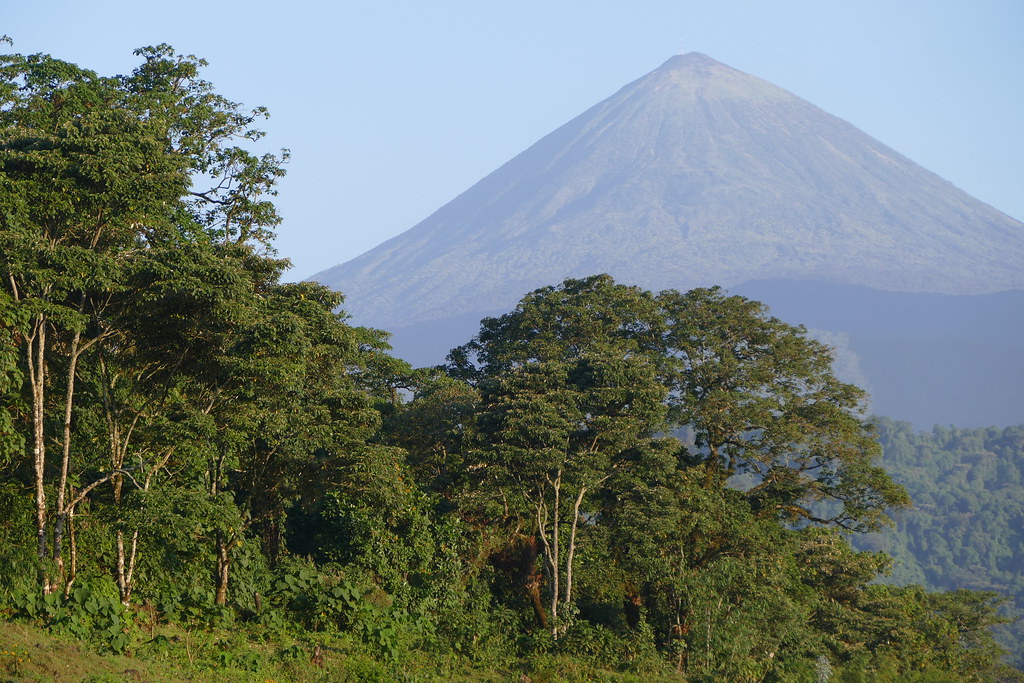
Mount Rwenzori is a complex block mountain range formed by tectonic uplift rather than volcanic activity, distinguishing it from East Africa’s volcanic giants. Rising abruptly from the Western Rift Valley floor, the massif comprises crystalline rocks thrust upwards through faulting. The range features six major peaks, with Mount Stanley’s Margherita Peak reaching 5,109 meters, making it Africa’s third highest summit. Glacial activity has sculpted the landscape, carving deep valleys and leaving behind permanent equatorial glaciers and snowfields — a rare phenomenon near the equator. The mountain’s geology includes ancient metamorphic rocks, with unique formations shaped by erosion and glaciation. Fumaroles and volcanic minerals are absent here, but the geological story is told through the dramatic uplift and ice-carved terrain that define this mystical mountain range.
Terrain and Hiking Experience on Mount Rwenzori
Trekking Mount Rwenzori is a demanding expedition that challenges even experienced mountaineers with its diverse and rugged terrain. The journey begins in dense tropical rainforest and bamboo zones, where trails wind through thick vegetation, slippery roots, and muddy paths. As elevation increases, the forest gives way to montane cloud forests rich with mosses, lichens, and giant heathers, creating an almost otherworldly atmosphere. Hikers encounter steep ascents on narrow ridges, boggy valleys filled with sphagnum moss, and rocky scree slopes that require careful footing. The terrain is often wet and slippery due to the region’s high rainfall, demanding waterproof gear and sturdy boots with excellent grip. Above 4,500 meters, the landscape transforms into alpine moorlands with glacial lakes and snowfields, where crampons and technical climbing skills become necessary for the final summit push. Altitude effects such as thinner air and colder temperatures intensify the challenge, while unpredictable weather can bring sudden fog, rain, or wind gusts. The trail’s physical demands are matched by its breathtaking beauty — panoramic views of jagged peaks, pristine glaciers, and rare alpine flora reward every step. Trekkers must be prepared for long days of hiking, often 6 to 8 hours, carrying essential gear and navigating complex terrain. The combination of steep climbs, slippery bogs, and technical glacier crossings makes Mount Rwenzori a true test of endurance, skill, and determination.
What Makes the Mount Rwenzori Trek Unique
Mount Rwenzori stands apart from other African climbs due to its unique combination of equatorial glaciers, diverse vegetation zones, and cultural significance. Unlike the solitary volcanic peaks of Kilimanjaro or Mount Kenya, Rwenzori is a sprawling massif with multiple summits, each offering distinct ecological and geological features. The presence of permanent glaciers near the equator is a rare spectacle, creating icy landscapes amidst tropical surroundings. The trek traverses five distinct vegetation zones, from lush rainforests to alpine moorlands, showcasing giant lobelias, tree heathers, and moss-draped forests that resemble a fairy-tale setting. The mountain holds deep spiritual meaning for the local Bakonzo people, who regard it as sacred. The relative remoteness and technical difficulty ensure fewer crowds, providing an authentic wilderness experience. This blend of natural wonder, cultural heritage, and challenging terrain makes the Mount Rwenzori trek a singular adventure for mountaineers and nature lovers alike.
The Summit Experience on Mount Stanley
Reaching the summit of Mount Stanley’s Margherita Peak is a moment of profound triumph and awe. At 5,109 meters, the air is thin and crisp, and the landscape is dominated by glacial ice and snowfields that shimmer under the equatorial sun. From the summit, panoramic views stretch across the Rwenzori range, revealing jagged peaks, deep valleys, and distant horizons where the African continent unfolds. The cold, biting wind carries the silence of the high mountains, broken only by the crunch of boots on ice and the distant rumble of shifting glaciers. Unlike volcanic craters, the summit area is defined by rugged rock and ice formations rather than fumaroles or lava flows. The experience is both humbling and exhilarating — standing atop Africa’s third highest peak amidst one of the world’s most unique alpine environments.
Best Time to Trek Mount Rwenzori
The optimal periods for trekking Mount Rwenzori are during the dry seasons from December to February and June to August. These months offer the most stable weather conditions, with reduced rainfall leading to firmer trails and clearer summit views. Outside these windows, heavy rains can make trails muddy and slippery, increasing the risk of accidents and complicating glacier crossings. Temperatures range from near freezing at high altitudes to mild in the valleys, so layered clothing is essential. Trekking during the dry season also reduces the likelihood of cloud cover obscuring the spectacular vistas. However, even in the best months, weather in the Rwenzori can be unpredictable, with sudden fog, wind, or rain showers. It is crucial to monitor local weather forecasts and heed advice from guides and park authorities. Seasonal closures or restrictions may apply depending on conservation efforts or trail conditions, so planning well in advance is recommended.
Trekking Routes and Trail Options in Mount Rwenzori
Mount Rwenzori offers several trekking routes catering to different levels of experience and expedition length. The most popular is the Central Circuit Route, starting at Nyakalengija trailhead. This classic seven-day loop takes trekkers through diverse ecosystems, including bamboo forests, boggy valleys, and alpine moorlands, with overnight stays in well-maintained huts such as Nyabitaba, John Matte, Bujuku, Elena, and Kitandara. The route culminates in a technical ascent of Margherita Peak, requiring crampons and ice axes. Another option is the Kilembe Route, which begins near Kasese town and approaches the massif from the south. This trail is known for its pristine lakes, varied scenery, and slightly less crowded paths. It typically takes five to nine days and also includes hut accommodations. For those seeking shorter or less technical treks, the Mahoma Trail offers a scenic loop through mid-altitude forests and lakes without summit attempts, ideal for birdwatchers and nature enthusiasts. All routes require permits issued by Uganda Wildlife Authority and are best undertaken with experienced guides and porters. The choice of route depends on fitness, time availability, and climbing experience.
Difficulty Assessment of Mount Rwenzori Trek
Mount Rwenzori is classified as a demanding technical mountaineering trek. The terrain includes steep ascents, slippery bogs, rocky ridges, and glacier crossings that require technical climbing skills and equipment such as crampons and ice axes. Altitude poses a significant challenge, with the summit reaching over 5,100 meters, necessitating proper acclimatization to avoid altitude sickness. The trek demands excellent physical fitness, endurance, and experience in high-altitude hiking. Weather conditions can add complexity, with frequent rain, cold temperatures, and strong winds. The trails are often muddy and slippery, requiring careful navigation. Due to these factors, the Rwenzori trek is not suitable for beginners or casual hikers and is best attempted by those with prior mountaineering experience or under the guidance of professional mountain guides.
Essential Gear for Mount Rwenzori Trekking
Successful trekking on Mount Rwenzori requires specialized gear to handle the diverse and challenging conditions. Key items include sturdy waterproof hiking boots with excellent grip, crampons and ice axes for glacier travel, and trekking poles for stability on uneven terrain. Layered clothing is essential to adapt to temperature fluctuations, including thermal base layers, waterproof and windproof jackets, insulated gloves, and hats. A high-quality backpack with rain cover, headlamp for early starts or summit attempts, and hydration systems are necessary. Due to the high rainfall and muddy trails, waterproof gaiters and quick-drying clothing are recommended. Sun protection such as sunglasses and sunscreen is important despite the cold. A gas mask or respirator is generally not required as volcanic gases are absent. Additionally, carrying a sleeping bag rated for cold temperatures, personal first aid kit, and water purification methods is advised for multi-day expeditions.
Safety and Volcanic Hazards on Mount Rwenzori
While Mount Rwenzori is a dormant complex volcano with no current volcanic activity, trekkers face significant safety challenges related to the mountain’s terrain and weather. The primary hazards include unstable and slippery trails, steep scree slopes, boggy ground, and technical glacier crossings that require proper equipment and expertise. Altitude sickness is a serious risk due to rapid elevation gain and high summit altitude, necessitating acclimatization and awareness of symptoms. Sudden weather changes can bring heavy rain, fog, and strong winds, reducing visibility and increasing the risk of hypothermia. Falling rocks and loose scree are potential dangers on exposed ridges. There are no volcanic gases or eruptions to contend with, but the mountain’s ruggedness demands respect and caution. Safety is enhanced by traveling with experienced guides, using appropriate gear, and following Uganda Wildlife Authority regulations and monitoring updates.
Permits, Guides, and Logistics for Mount Rwenzori Trekking
Trekking Mount Rwenzori requires obtaining permits from the Uganda Wildlife Authority (UWA), which manages the Rwenzori Mountains National Park. Permits are mandatory for all visitors and vary in cost depending on nationality: foreign non-residents pay approximately USD 35 for park entry and USD 50 per day for trekking, while East African citizens have reduced fees. Annual passes and group rates are also available. It is essential to book permits well in advance, especially during peak trekking seasons (December to February and June to August). Professional guides and porters are highly recommended due to the technical nature of the trek and challenging terrain. Several reputable tour operators specialize in Rwenzori expeditions, including Rwenzori Expeditions, Rwenzori Mountaineering, Rwenzori Trekking Services, 6Summits African Expeditions, and Rwenzori Mountaineering Service. These companies provide tailored packages covering permits, guiding, porters, equipment rental, accommodation arrangements, and logistical support. Trekkers typically start from trailheads near Kasese or Nyakalengija, accessible by road from Kampala (7-8 hours drive) or via local flights to Kasese airstrip. Organizing transportation, gear, and acclimatization days is crucial for a successful expedition. Due to the mountain’s remoteness and weather variability, flexible scheduling and contingency planning are advised.
Where to Stay and Nearby Bases for Mount Rwenzori Treks
Accommodation options for Mount Rwenzori trekkers range from rustic mountain huts within the park to comfortable lodges and hotels in nearby towns. Along the Central Circuit and Kilembe routes, well-constructed wooden huts such as Nyabitaba Hut (2,660 m), John Matte Hut (3,420 m), Bujuku Hut (3,930 m), Elena Hut (4,563 m), and Kitandara Hut provide basic but cozy shelter with mattresses, blankets, and shared pit latrines. These huts offer warmth and shelter after long trekking days and are strategically located for summit attempts. Camping is permitted at designated sites, but visitors must bring their own equipment. At the park’s foothills and nearby towns like Kasese and Ibanda, several lodges and hotels offer more comfortable amenities. Notable accommodations include Hotel Margherita near Kasese, featuring 36 rooms with air-conditioning, TV, and restaurant facilities; Rwenzori International Hotel in Kasese with gym, sauna, and tennis courts; and Ruboni Camp near Ibanda, a community-run eco-lodge offering bandas, safari tents, and camping with meals and cultural activities. These bases provide convenient access to trailheads and serve as acclimatization points. Booking in advance is recommended, especially during peak seasons, and many tour operators include accommodation arrangements in their packages.

