

Hiking Mount Marsabit: A Complete Volcano Trekking Guide to Kenya’s Forested Shield Volcano
Mount Marsabit, an extinct shield volcano in northern Kenya, offers a unique trekking experience through dense montane forests, crater lakes, and diverse wildlife within Marsabit National Park. This guide covers geology, trekking terrain, routes, logistics, permits, accommodations, and safety for adventurous volcano hikers.
Quick Volcano Snapshot
| Attribute | Value |
|---|---|
| Volcano type | Shield volcano |
| Elevation | 1,707 meters (5,600 feet) |
| Location | Northern Kenya, Marsabit County |
| Activity status | Extinct |
| Trekking difficulty | Easy to Moderate |
| Typical trek duration | Half-day to full-day hikes |
| Altitude gain | Up to 500 meters depending on trail |
| Terrain type | Dense montane forest, volcanic crater lakes, rocky and misty trails |
| Best season | June to October (dry season) |
| Temperature range | 10°C to 26°C |
| Permit requirement | Park entry permit required |
Introduction: The Experience of Hiking Mount Marsabit
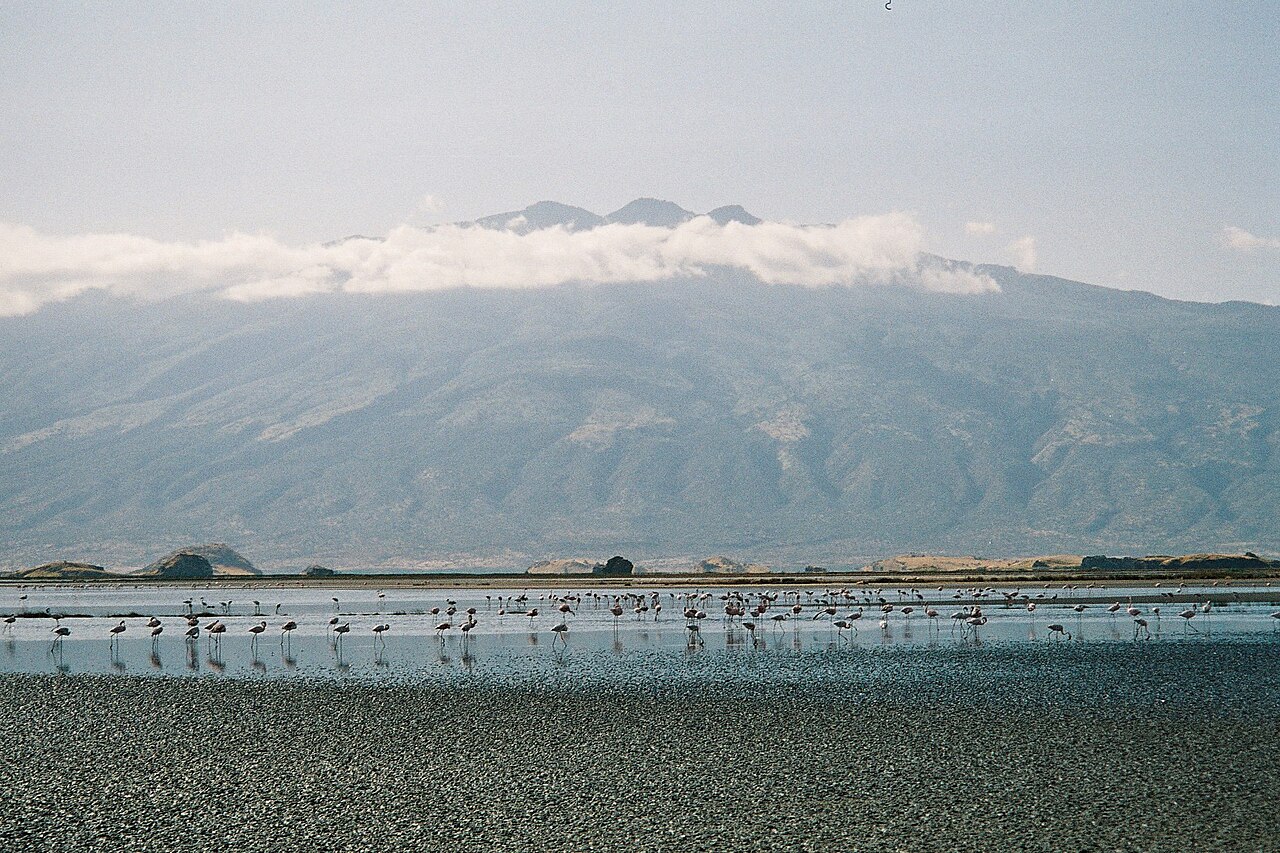
Approaching Mount Marsabit, hikers are greeted by a striking contrast: a lush, green volcanic mountain rising abruptly from the surrounding arid plains of northern Kenya. The dense montane forest cloaks the extinct shield volcano in mist, creating an atmosphere of mystery and ancient power. Trekking here means immersing yourself in a landscape where volcanic geology meets vibrant biodiversity. The trail winds through towering juniper and cedar trees, past serene crater lakes shimmering beneath the canopy. The air is cool and fresh, scented with forest earth and the faint sulfuric trace of volcanic minerals. Reaching the summit or the crater rim offers breathtaking views over the crater lakes and the vast semi-arid lowlands beyond. This hike is not only a journey through volcanic history but also a soulful encounter with nature’s resilience and beauty.

The Volcano Itself: Geological Background
Mount Marsabit is a classic example of a shield volcano, formed by the gradual accumulation of low-viscosity basaltic lava flows that built a broad, gently sloping dome. Situated in northern Kenya, this extinct volcano rises to approximately 1,707 meters above sea level. Its volcanic activity ceased millions of years ago, leaving behind a landscape marked by large volcanic craters locally known as gofs. These craters, including the prominent Gof Bongole and Gof Sokorte Guda, feature steep rims and deep calderas that now house crater lakes such as Lake Paradise. The volcanic soils and ash deposits have fostered a unique montane forest ecosystem, rare in this arid region. Fumaroles and sulfur deposits are minimal due to the volcano’s extinct status, but the geological formations reveal the mountain’s fiery past. The shield volcano’s gentle slopes contrast with the dramatic crater rims, offering a fascinating study in volcanic geomorphology.
The Volcano Trek: Terrain and Hiking Experience
Trekking Mount Marsabit offers a diverse and richly rewarding hiking experience shaped by its volcanic origins and montane forest environment. The trails vary from well-marked forest paths to rugged volcanic crater rims, providing a mix of terrain challenges and scenic variety. Hikers begin their ascent through dense juniper, cedar, and bamboo forests, where the canopy filters sunlight and mist often shrouds the trail, creating a cool and humid atmosphere. The forest floor is soft underfoot, covered with leaf litter and occasional volcanic ash deposits, which can become slippery when wet. As you climb higher, the vegetation thins, revealing rocky outcrops and volcanic boulders that require careful footing. The volcanic craters present steep rims with loose scree and rocky ledges, demanding moderate scrambling skills and surefootedness. Altitude gain is moderate, typically up to 500 meters, which can cause mild breathlessness but is manageable for hikers with reasonable fitness. Weather conditions can shift rapidly; mist and light rain are common, so waterproof gear is essential. Wind exposure increases near crater rims, where temperatures drop and the landscape opens to panoramic views. Wildlife encounters are frequent, with forest elephants, baboons, and diverse bird species adding life to the trek. The terrain’s volcanic origin is evident in the dark basalt rocks and ash soils, contrasting vividly with the lush greenery. Overall, the hike balances accessibility with adventure, offering both gentle forest walks and more challenging crater rim explorations.
What Makes This Volcano Trek Unique
Mount Marsabit stands out among volcano treks for its rare combination of volcanic geology and dense montane forest in an otherwise arid region. Unlike many volcanic hikes dominated by barren lava fields or ash slopes, Marsabit’s slopes are cloaked in lush greenery, creating a cool oasis amid northern Kenya’s dry plains. The presence of multiple crater lakes, such as the iconic Lake Paradise nestled within a deep caldera, adds a serene aquatic element rarely found on volcanoes. The mountain’s cultural significance to local Samburu and Rendille communities, who regard the summit as sacred, enriches the trekking experience with spiritual depth. Wildlife is abundant, including forest elephants with impressive tusks, elusive leopards, and over 350 bird species, making it a haven for nature lovers and ornithologists. The misty atmosphere and frequent cloud cover lend the landscape an ethereal quality, enhancing the sense of adventure. This trek offers a unique blend of geological wonder, ecological diversity, and cultural heritage, making it a compelling destination for volcano hikers seeking more than just a climb.

The Summit and Crater Experience
Reaching the summit or crater rim of Mount Marsabit is a moment of profound connection with the mountain’s volcanic past and natural beauty. From the crater rim, hikers are rewarded with sweeping views of the emerald crater lakes below, their surfaces often shrouded in mist that drifts through the caldera. The air is cool and carries the faint scent of damp earth and volcanic minerals. The crater edges are rugged, composed of dark basalt rock and volcanic ash, with occasional patches of moss and lichen. The silence is punctuated by bird calls and the rustle of forest wildlife. The summit area is a natural amphitheater, offering panoramic vistas across the surrounding semi-arid plains and distant hills. The experience is both humbling and exhilarating, a reminder of the immense geological forces that shaped this landscape. The crater lakes, such as Lake Paradise, reflect the sky and forest canopy, creating a tranquil scene that contrasts with the mountain’s fiery origins. This summit experience is a sensory journey through time, nature, and culture.
Best Time to Trek Mount Marsabit
The optimal time to trek Mount Marsabit is during the dry seasons from June to October and January to February. During these months, the weather is cooler and drier, making forest trails less slippery and more accessible. The dry season also improves wildlife visibility as animals gather around the crater lakes and water sources. The rainy seasons, from March to May and November to December, bring heavy rains that can make trails muddy and challenging, increasing the risk of slips on volcanic ash and forest paths. Mist and cloud cover are frequent year-round but tend to be denser during the wet months, which can limit visibility from the summit. Early morning hikes are recommended to avoid afternoon rains and to experience the forest’s vibrant birdlife at its peak activity. Visitors should also consider local weather forecasts and park advisories before planning their trek.
Trekking Routes and Trail Options
Mount Marsabit offers several trekking routes catering to different interests and fitness levels. The most popular trail begins near the park headquarters at Abdul Gate, ascending through dense montane forest toward the summit and crater lakes. This route is well-marked and typically takes between 4 to 6 hours round trip, with an altitude gain of approximately 500 meters. Hikers can choose to explore the rim of Gof Bongole, the largest crater with a 10-kilometer circumference, or focus on the more accessible Gof Sokorte Guda caldera, home to Lake Paradise. For those seeking a gentler experience, shorter forest walks around the crater lakes and wildlife viewing points are available. Guided tours often combine trekking with cultural visits to local communities and wildlife safaris within Marsabit National Park. Self-guided hiking is possible but less recommended due to the dense forest and potential for disorientation. The terrain varies from soft forest floor to rocky crater rims, requiring sturdy footwear and moderate fitness. Seasonal conditions may affect trail accessibility, so checking with park authorities or tour operators is advised before setting out.
Difficulty Assessment
Mount Marsabit’s trekking difficulty ranges from easy to moderate, making it accessible to hikers with a reasonable level of fitness. The forest trails are generally well-maintained but can be slippery due to volcanic ash and frequent mist. Altitude gain is moderate, around 500 meters, which may cause mild breathlessness but is manageable without specialized acclimatization. The terrain includes soft forest paths, occasional rocky sections, and some scrambling near crater rims. There are no technical climbing requirements or need for specialized equipment beyond sturdy hiking boots and rain gear. Weather conditions, such as rain and wind near the summit, can increase the challenge. Overall, the trek suits adventurous beginners and intermediate hikers seeking a unique volcanic forest experience without extreme physical demands.
Essential Volcano Trekking Gear
For trekking Mount Marsabit, essential gear includes sturdy hiking boots with good grip to navigate slippery volcanic ash and rocky terrain. Trekking poles are recommended for stability on uneven paths and crater rim scrambles. A waterproof and windproof jacket is necessary due to frequent mist, rain, and cooler summit temperatures. Layered clothing helps adjust to temperature shifts from warm forest floors to cooler, exposed crater edges. A wide-brimmed hat, sunglasses, and sunscreen protect against sun exposure during breaks. Carry sufficient water and high-energy snacks, as facilities are limited on the trails. Binoculars and a camera enhance wildlife and landscape viewing. A basic first aid kit, insect repellent, and a headlamp for early morning or late afternoon hikes are also advisable. While volcanic gases are minimal due to the extinct status, those sensitive to odors may consider a light face mask. Navigation aids such as maps or GPS devices are useful, especially for self-guided hikers.
Safety and Volcanic Hazards
Mount Marsabit is an extinct volcano, so active volcanic hazards such as eruptions, lava flows, or toxic gas emissions are not a concern. However, safety considerations include navigating slippery volcanic ash and loose scree on crater rims, which can cause falls or injuries. The dense forest terrain may obscure trails, increasing the risk of getting lost, so hiking with a guide or proper navigation tools is recommended. Wildlife encounters, including elephants and leopards, require caution and adherence to park safety guidelines. Weather can change rapidly, with mist, rain, and wind creating challenging conditions, especially near the summit. Visitors should be prepared for sudden temperature drops and reduced visibility. The Kenya Wildlife Service manages the park and provides safety information; hikers should register at park headquarters and follow official advice. Carrying a first aid kit and informing others of your itinerary enhances safety during the trek.
Permits, Guides, and Logistics
Visiting Mount Marsabit requires obtaining a park entry permit from the Kenya Wildlife Service (KWS). Entry fees vary by nationality, with non-resident adults paying approximately $40 USD. Permits can be purchased online via the eCitizen platform or at park gates including Abdul, Ahmed, Ajmarko, and Karare Gates. Guided tours are highly recommended for safety, navigation, and enriched experience. Several reputable tour operators offer customized trekking and safari packages to Marsabit, including Bienvenido Kenya Tours and Safaris, Salina Wild Adventures, and Africa Starpal Safaris. These operators provide professional guides knowledgeable in local ecology, culture, and volcanic geology. Logistics include arranging transport to Marsabit town, accessible by a 10-12 hour drive from Nairobi via the tarmacked A2 highway or by chartered flights to Marsabit Airport. A 4×4 vehicle is advisable for rough roads near the park. Local taxis and guide services are available for transfers to trailheads. Visitors should plan for early morning starts to maximize daylight and favorable weather. Camping is possible with prior arrangements, but most prefer staying in park guesthouses or lodges in Marsabit town. Carrying sufficient water, food, and camping gear is essential as facilities on the mountain are limited. Communication can be sparse; informing park authorities of your itinerary enhances safety. Overall, careful planning and use of experienced guides ensure a smooth and rewarding trekking experience.
Where to Stay Near Mount Marsabit
Accommodation options near Mount Marsabit are centered around Marsabit town and the park headquarters at Abdul Gate, providing convenient access to trekking trails and park facilities. The Marsabit National Park guesthouses, including Sokorte Cabin and Bonkole Forest House, offer comfortable lodging with amenities such as spacious terraces, well-equipped kitchens, and modern lounges featuring fireplaces. Sokorte Cabin accommodates up to seven guests, while Bonkole Forest House can host nine, making them ideal for small groups or families seeking a tranquil forest retreat. Marsabit town, located approximately 4 kilometers from the park entrance, provides additional lodging options including local guesthouses and small hotels with basic amenities. These establishments offer a chance to experience local culture and hospitality. For travelers preferring more urban comforts, Marsabit town has restaurants, shops, and transport services. Camping within the park is possible but requires prior arrangement and self-sufficiency in supplies. Due to the remote location, it is advisable to book accommodations in advance, especially during peak dry seasons. Staying near the park headquarters allows early access to hiking trails and guided tours, enhancing the overall trekking experience.