
Mount Sabaya Volcano Trekking Guide: Conquer Uganda’s Tri-Border Stratovolcano
Mount Sabaya, also known as Mount Sabyinyo, is a dormant stratovolcano located at the tri-border of Uganda, Rwanda, and the Democratic Republic of Congo. This moderate difficulty trek offers adventurous hikers a unique opportunity to stand in three countries simultaneously while enjoying breathtaking views of the Virunga mountain range and the Rwenzori Mountains. The hike is challenging yet rewarding, featuring diverse terrain, wooden ladders, and rich biodiversity including golden monkeys and mountain gorillas.
Quick Volcano Snapshot
| Attribute | Value |
|---|---|
| Volcano type | Stratovolcano |
| Elevation | 3,669 meters (12,037 feet) |
| Location | Western Uganda, Mgahinga Gorilla National Park |
| Activity status | Dormant |
| Trekking difficulty | Moderate |
| Typical trek duration | 8-10 hours round trip |
| Altitude gain | Approximately 1,300 meters |
| Terrain type | Bamboo forest, rainforest, subalpine zone, rocky ridges with wooden ladders |
| Best season | December to February, June to September (dry seasons) |
| Temperature range | 5°C to 20°C (41°F to 68°F), colder near summit |
| Permit requirement | Required; $80-$85 USD for foreign non-residents |
The Experience of Hiking Mount Sabaya
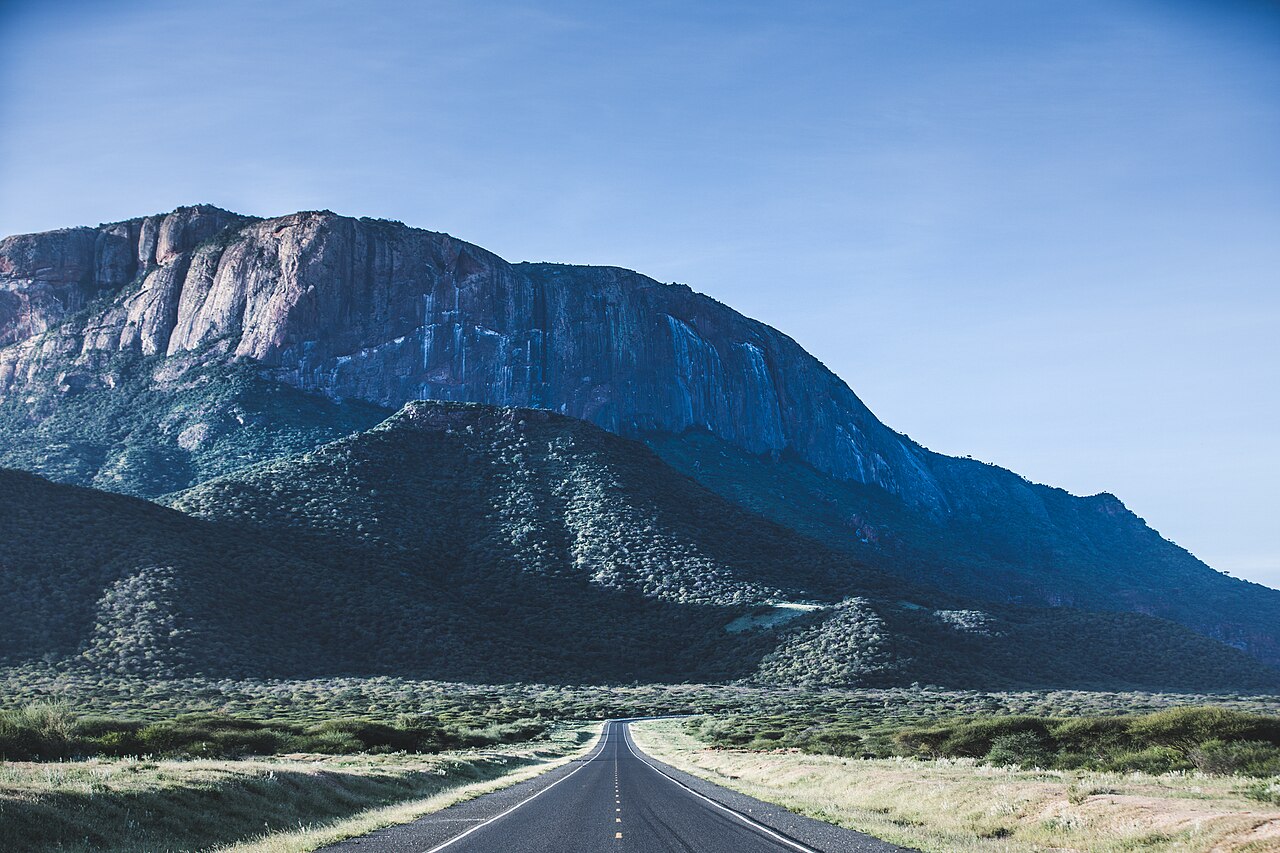
Approaching Mount Sabaya, hikers are immediately struck by the jagged silhouette of its summit, famously known as the “Old Man’s Teeth.” The trek unfolds through lush bamboo forests alive with the chatter of golden monkeys, ascending into misty rainforests and then into a stark subalpine zone. The air grows thinner and cooler as you climb, the terrain shifting from soft earth to rugged volcanic rock. The wooden ladders clinging to steep ridges add an element of thrill and challenge. Reaching the summit, you stand at a rare geographical tri-point, with one foot in Uganda, another in Rwanda, and a hand touching the Democratic Republic of Congo. The panoramic views stretch across the Virunga volcanoes and the distant Rwenzori Mountains, a humbling testament to the raw power and beauty of East Africa’s volcanic landscape.
Geological Background of Mount Sabaya
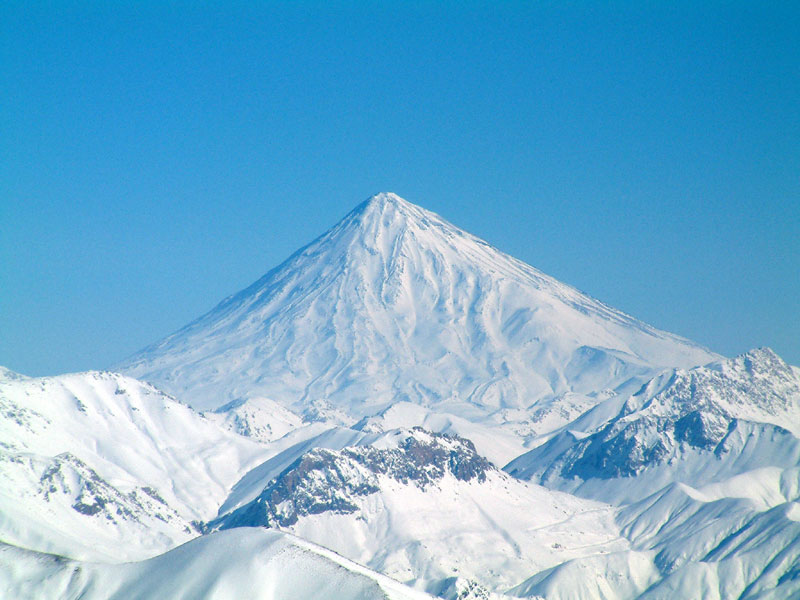
Mount Sabaya is a dormant stratovolcano and the oldest of the Virunga volcanic range, formed during the early Pleistocene Epoch approximately 2.6 million years ago. Its jagged summit, resembling worn teeth, is the result of violent eruptions and extensive erosion over millennia. The volcano’s rugged slopes are marked by deep craters and sharp ridges, shaped by past explosive activity. The mountain is part of the Virunga Massif, a chain of eight volcanoes spanning Uganda, Rwanda, and the Democratic Republic of Congo. Its volcanic soils support rich biodiversity, including dense bamboo forests and unique alpine flora such as Hagenia Hypericum and giant lobelias. Although dormant, the volcano’s geological features include ancient lava flows, fumaroles, and mineral deposits that tell the story of its fiery past.
Terrain and Hiking Experience on Mount Sabaya
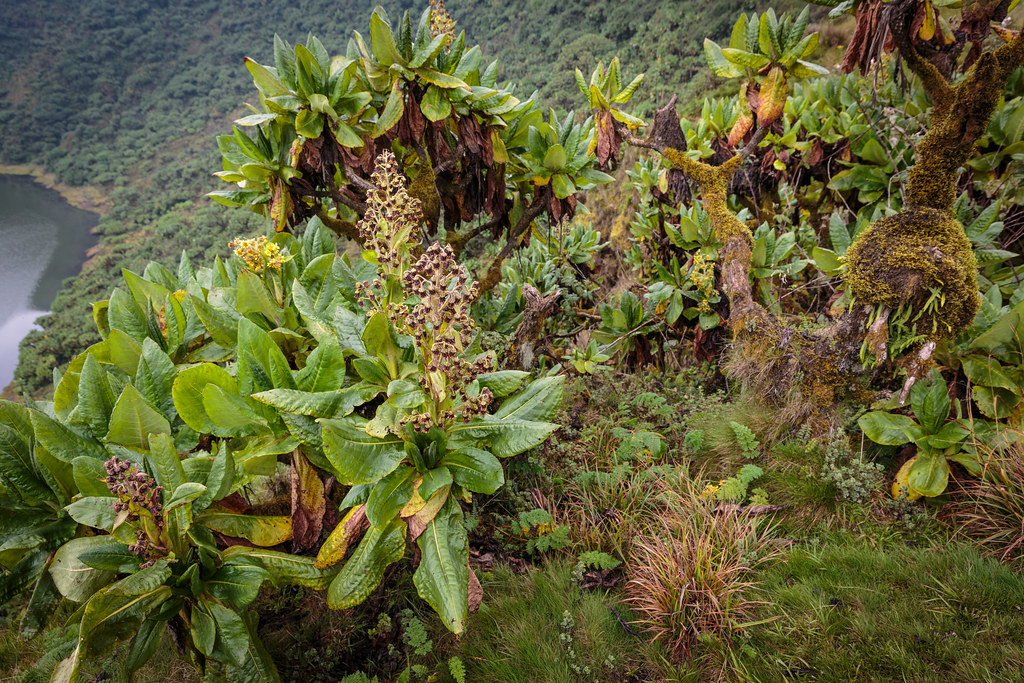
The trek up Mount Sabaya is a demanding yet rewarding journey through diverse and challenging terrain. The hike begins at the park headquarters in Mgahinga Gorilla National Park, starting on relatively flat ground that quickly transitions into swampy and grassy areas. Early sections pass through dense bamboo forests, a habitat for the playful golden monkeys, where hikers may catch glimpses of these rare primates. The trail then ascends into montane rainforest, rich with birdlife including the endemic Rwenzori Turaco. As elevation increases, the vegetation thins and gives way to subalpine zones dominated by Hagenia Hypericum and giant lobelias.
The most physically challenging part of the hike involves negotiating steep ridges with sharp volcanic rock formations. To aid climbers, handmade wooden ladders have been installed on the most vertical and exposed sections, requiring careful footing and a head for heights. These ladders are sturdy but can be slippery when wet, adding an element of technical difficulty. The altitude gain of approximately 1,300 meters affects breathing and stamina, making acclimatization and fitness essential.
Throughout the ascent, hikers experience rapid changes in temperature and weather, from warm and humid forest floors to cold, windy summit conditions. The trail is roughly 14 kilometers round trip, typically completed in 8 to 10 hours depending on pace and weather. The descent demands caution, especially on the ladders and loose scree. Overall, the terrain offers a mix of soft earth, dense vegetation, rocky outcrops, and alpine meadows, providing a comprehensive volcanic hiking experience that tests endurance and rewards with spectacular natural beauty.
What Makes the Mount Sabaya Trek Unique
Mount Sabaya stands out among East African volcano treks for several reasons. Its summit marks a rare tri-border point where Uganda, Rwanda, and the Democratic Republic of Congo converge, allowing hikers to stand in three countries simultaneously. The jagged, tooth-like peaks give the volcano a distinctive silhouette unmatched in the region. Unlike more frequented volcanoes, Sabaya offers a less crowded, more intimate trekking experience through pristine habitats.
The trek’s route through bamboo forests rich with golden monkeys and the chance to glimpse mountain gorillas in the surrounding national parks adds a unique wildlife dimension. The handmade wooden ladders on steep ridges provide an adventurous challenge, blending natural ruggedness with human ingenuity. Panoramic views from the summit encompass the entire Virunga volcanic range and the distant Rwenzori Mountains, creating a 360-degree spectacle of volcanic landscapes, lakes, and lush forests. This combination of geological significance, biodiversity, and cultural importance makes Mount Sabaya a truly exceptional volcano trek.
Summit and Crater Experience on Mount Sabaya
Reaching the summit of Mount Sabaya is a moment of profound awe and accomplishment. The jagged peaks, resembling an old man’s teeth, frame a dramatic panorama where three nations meet. From this vantage point at 3,669 meters, hikers can gaze across the Virunga volcanoes, the shimmering Lake Kivu in Rwanda, the serene Lake Bunyonyi in Uganda, and the expansive forests of the Democratic Republic of Congo. The air is crisp and thin, carrying the scent of alpine flora and the faint earthiness of volcanic rock.
The summit ridge is exposed and windswept, demanding careful footing but rewarding with unparalleled views. The silence is punctuated only by the wind and distant bird calls. The crater itself is eroded and fragmented, a testament to the volcano’s ancient eruptions. Standing here, hikers feel the raw geological power that shaped this landscape and the unique connection between three countries. It is a sensory experience of vastness, solitude, and the enduring presence of Earth’s volcanic forces.
Best Time to Trek Mount Sabaya
The optimal periods for trekking Mount Sabaya are during the dry seasons from December to February and June to September. These months offer clearer skies, firmer trails, and safer conditions for climbing the wooden ladders on steep ridges. Rainfall during the wet seasons can make paths muddy and slippery, increasing the risk of falls and making the ladders hazardous.
Temperatures vary significantly with altitude and time of day; mornings and evenings can be chilly, especially near the summit, so layered clothing is essential. Weather can change rapidly, with occasional fog and wind gusts at higher elevations. Trekking during the dry seasons also improves visibility, allowing for spectacular views of the Virunga range and surrounding landscapes. It is advisable to start early in the morning to avoid afternoon rains and to complete the hike safely before dusk.
Routes and Trail Options for Mount Sabaya
Mount Sabaya’s trekking routes are currently accessible only from the Ugandan side within Mgahinga Gorilla National Park. The primary trailhead is located at the park’s Ntebeko gate near Kisoro town. The standard route is a challenging 14-kilometer round trip that ascends approximately 1,300 meters in elevation.
The hike typically takes 8 to 10 hours, with about 4 hours to reach the summit and 4 hours to descend. The trail passes through several vegetation zones, including swampy grasslands, bamboo forests, montane rainforests, and subalpine zones. Key features include steep ridges equipped with handmade wooden ladders to aid climbers.
While the Ugandan side offers the only established and safe route, there are no current trekking paths from Rwanda or the Democratic Republic of Congo due to the volcano’s rugged and inaccessible terrain on those sides. Guided treks are strongly recommended for safety and navigation. Some tour operators offer multi-day hiking packages combining Mount Sabaya with other Virunga volcanoes and gorilla trekking experiences in the region.
Difficulty Assessment of Mount Sabaya Trek
Mount Sabaya is classified as a moderate to strenuous volcano trek. The trail’s length and significant altitude gain require good cardiovascular fitness and stamina. The terrain includes steep ascents, uneven volcanic rock, slippery mud during wet conditions, and exposed ridges that demand sure-footedness.
The presence of wooden ladders on steep sections adds a technical element, requiring hikers to be comfortable with heights and climbing. Altitude effects become noticeable above 3,000 meters, potentially causing breathlessness and fatigue. The hike is not recommended for beginners or those with limited hiking experience.
Overall, the trek suits moderately experienced hikers who are physically prepared and equipped for variable weather and challenging terrain. Proper acclimatization, pacing, and hydration are essential to safely complete the climb.
Essential Volcano Trekking Gear for Mount Sabaya
Successful trekking on Mount Sabaya requires specialized gear suited to volcanic terrain and variable weather. Essential items include sturdy hiking boots with excellent grip for rocky and slippery surfaces, and trekking poles to aid balance and reduce strain on steep ascents and descents.
Layered clothing is vital to adapt to temperature changes, including moisture-wicking base layers, insulating mid-layers, and a waterproof, windproof outer shell. Gloves and a warm hat are recommended for summit conditions. A rain jacket is essential during the wet seasons.
Additional gear includes a headlamp for early starts or late finishes, a daypack with sufficient water and high-energy snacks, sun protection such as sunglasses and sunscreen, and insect repellent for forested zones. Given the presence of wildlife, carrying a basic first aid kit and any personal medications is advisable. Walking sticks are often provided by guides or available for hire at the park.
Safety and Volcanic Hazards on Mount Sabaya
Mount Sabaya is a dormant volcano, so the risk of eruption is minimal; however, hikers must remain vigilant about other hazards. The steep, rugged terrain includes sharp volcanic rocks, loose scree, and exposed ridges where slips and falls can cause injury. The handmade wooden ladders, while sturdy, require careful use, especially when wet or slippery.
Wildlife encounters with elephants, buffaloes, and mountain gorillas are possible, necessitating guided treks accompanied by armed rangers for safety. Sudden weather changes, including fog, rain, and strong winds near the summit, can reduce visibility and increase the risk of hypothermia.
Volcanic gases are not a significant hazard on this dormant volcano, but hikers should heed any park warnings or ranger advice. The Uganda Wildlife Authority monitors conditions and enforces safety regulations. Proper preparation, adherence to guide instructions, and cautious pacing are essential to minimize risks during the trek.
Permits, Guides, and Logistics for Mount Sabaya Trekking
Trekking Mount Sabaya requires obtaining a hiking permit from the Uganda Wildlife Authority, which manages Mgahinga Gorilla National Park. Permits cost approximately $80 to $85 USD for foreign non-residents, $70 for foreign residents, and 50,000 Ugandan shillings for East African citizens. The permit fee includes park entry and the services of a professional ranger guide.
Booking permits can be done in advance through the Uganda Wildlife Authority offices in Kisoro or Kampala, or via reputable tour operators such as Safari 2 Gorilla Tours, Bamboo Ecotours, Katona Tours, Eco Adventure Safaris, and Silverback Gorilla Tours. These operators provide comprehensive packages including permits, guides, transport, and accommodation arrangements.
Guided treks are mandatory for safety and conservation reasons. Each hiking group is accompanied by an armed ranger to protect against wildlife encounters and ensure adherence to park regulations. Porters are available for hire to assist with carrying heavy equipment, typically costing $15 to $25 USD.
Logistically, the trek starts from the Ntebeko gate near Kisoro town, accessible by road from Kampala (8-9 hours) or Kigali (2-3 hours). Chartered flights to Kisoro Airstrip are available for quicker access. Early morning briefings at the park headquarters cover safety protocols, trail conditions, and environmental guidelines.
Tour operators often offer multi-day itineraries combining Mount Sabaya hiking with gorilla trekking and visits to nearby volcanoes, providing a rich and immersive experience in the Virunga region.
Where to Stay and Nearby Bases for Mount Sabaya Treks
Accommodation options near Mount Sabaya are primarily centered around Kisoro town and the surrounding areas in southwestern Uganda. Kisoro serves as the main gateway to Mgahinga Gorilla National Park and offers a range of lodges, hotels, and guesthouses catering to different budgets.
Notable lodges include Lake Chahafi Resort Hotel and Lake Mulehe Safari Lodge, both offering comfortable amenities and convenient access to the park. These lodges provide full board options, with meals prepared from local ingredients, and often include transport services to the park headquarters.
For travelers seeking luxury, Singita Kwitonda Lodge in Rwanda, although across the border, offers exquisite accommodations with stunning views of Mount Sabaya and the Virunga volcanoes. Staying here requires border crossing arrangements but rewards guests with exceptional comfort and scenery.
Closer to the park, Mt. Muhabura Climbers Rest Camp offers basic lodging and camping facilities for trekkers. This camp is managed by Climbing Gorilla Company Ltd. and provides essential services such as packed lunches and guide coordination.
All accommodations emphasize eco-friendly practices and community involvement, reflecting the conservation ethos of the region. Early booking is recommended, especially during peak trekking seasons. Many tour operators include lodging in their packages, simplifying logistics for visitors.
Staying near Kisoro or within the park area allows for early starts to the hike, maximizing daylight and improving safety. The proximity to local markets and cultural villages also enriches the overall trekking experience.