
Hiking Mount Ololokwe: A Complete Guide to Kenya’s Sacred Stratovolcano Trek
Mount Ololokwe, a sacred stratovolcano in Northern Kenya, offers a unique trekking experience combining dramatic cliffs, rich cultural heritage, and diverse wildlife. This guide covers geology, trekking routes, camping, safety, and logistics for an unforgettable adventure.
Quick Volcano Snapshot
| Attribute | Value |
|---|---|
| Volcano type | Stratovolcano |
| Elevation | 2000 m |
| Location | Northern Kenya, Samburu East |
| Activity status | Extinct |
| Trekking difficulty | Moderate |
| Typical trek duration | 2-4 hours ascent, overnight camping recommended |
| Altitude gain | Approximately 1000 m |
| Terrain type | Rocky cliffs, dryland bushes, indigenous forest at summit |
| Best season | June to October, January to February (dry seasons) |
| Temperature range | Warm at base, cool and windy at summit, cold nights |
| Permit requirement | Required; permits arranged via local tour operators |
The Experience of Hiking Mount Ololokwe
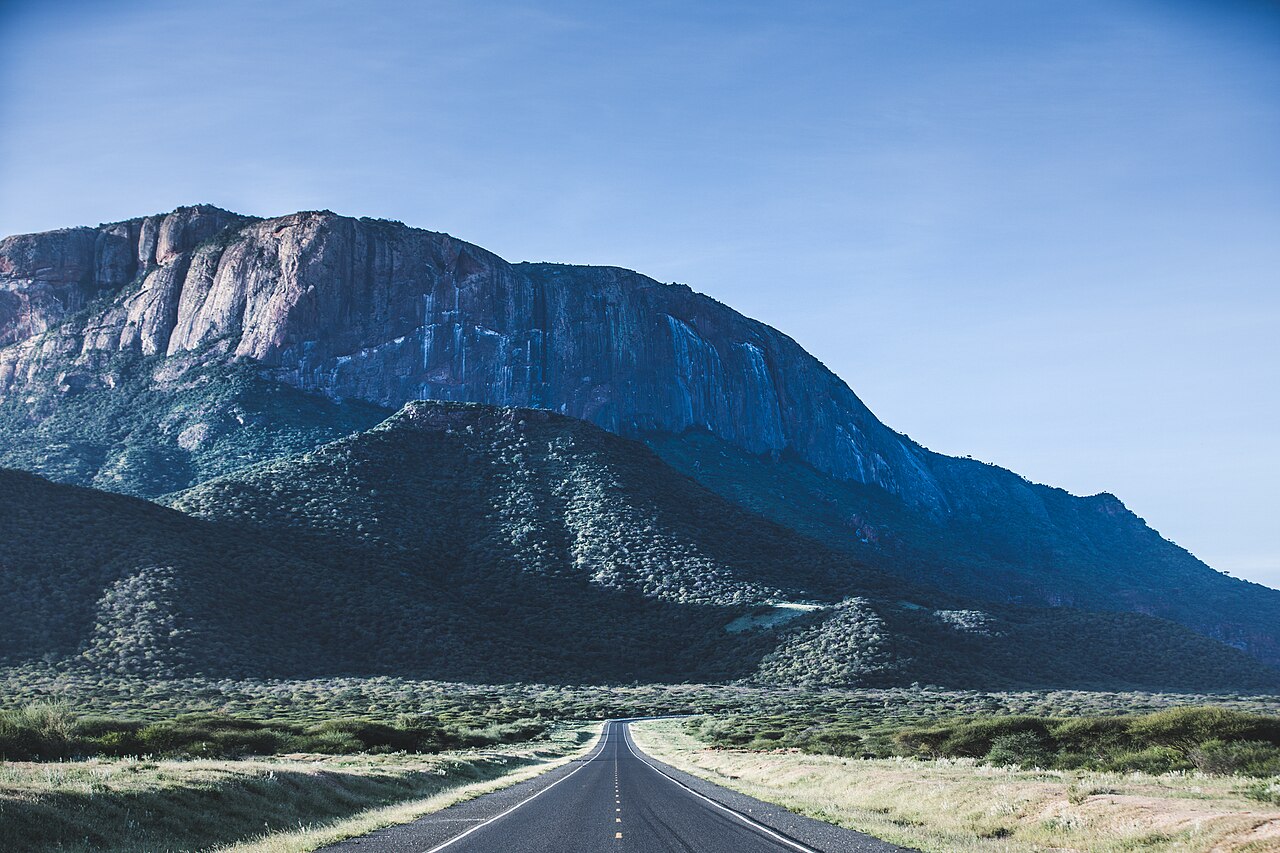
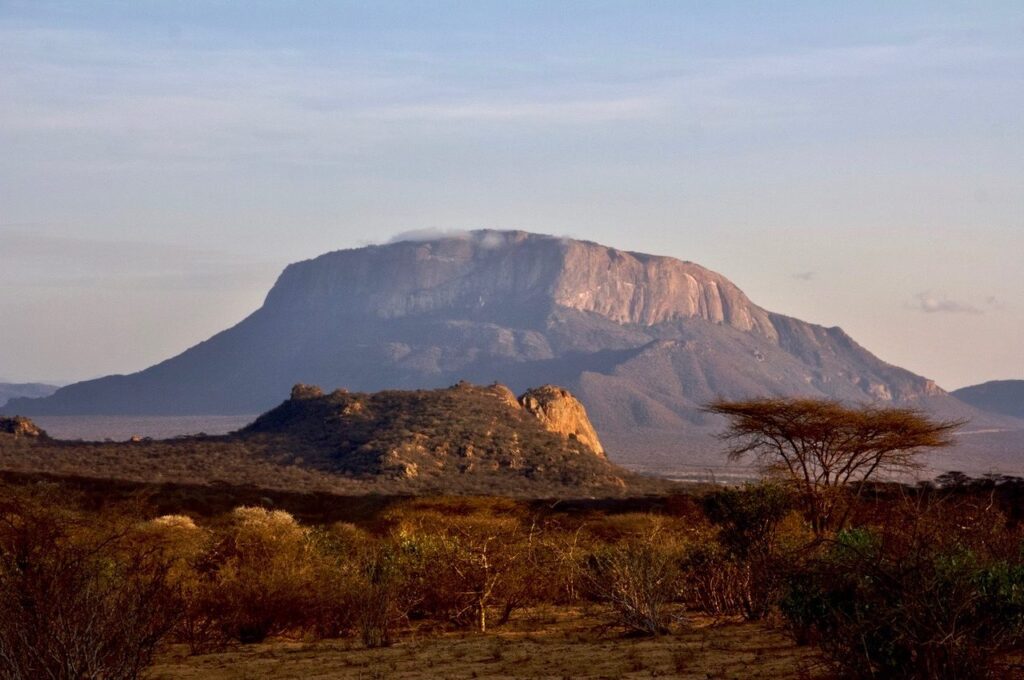
Approaching Mount Ololokwe, the sacred mountain of the Samburu, is an encounter with raw geological grandeur and cultural reverence. Rising sharply from the arid plains, its flat-topped silhouette dominates the horizon, promising a trek filled with dramatic cliffs and panoramic vistas. The landscape shifts from sun-baked dryland bushes to a lush indigenous forest near the summit, revealing the mountain’s hidden vitality. Hiking here is not just a physical journey but a spiritual passage, as the Samburu people hold the mountain sacred, often ascending to pray for rain. Reaching the summit, trekkers are rewarded with breathtaking views over the Samburu plains and the distant Matthews Range, a moment of profound connection with nature’s power and timelessness.
Geological Background of Mount Ololokwe
Mount Ololokwe is a striking stratovolcano located in Northern Kenya’s Samburu East region. Its formation is part of the broader tectonic activity associated with the East African Rift System. The mountain’s distinctive flat-topped shape, often described as a ‘wide head,’ is the result of ancient volcanic activity followed by extensive erosion. Though currently extinct, Ololokwe’s geology reveals layers of volcanic rock, granite outcrops, and rugged cliffs that testify to its fiery past. The summit area features permanent water springs feeding rivers that sustain an indigenous forest, a rare ecological enclave in the surrounding arid landscape. Unique geological features include large rock clearings and small rocky outcrops such as Nkadoru Murto, adding to the mountain’s dramatic terrain. The presence of rare cycads and volcanic minerals further enriches the mountain’s geological significance.
Terrain and Hiking Experience on Mount Ololokwe
The hike up Mount Ololokwe is a compelling blend of physical challenge and natural beauty, offering a diverse terrain that tests endurance and rewards with spectacular views. Starting from Sabache Camp at approximately 1,000 meters above sea level, the trail ascends roughly 1,000 meters to the summit at 2,000 meters. The path is carved primarily by elephant herds and Samburu pastoralists, winding through dryland bushes dominated by Acacia and Euphorbia species. Trekkers encounter rocky tracks interspersed with shaded wooded sections and open grassy clearings, providing varied footing and constant visual interest. The initial stages involve steady climbing on rocky and sometimes steep slopes, requiring good balance and moderate fitness. As the ascent progresses, the terrain becomes more rugged with large rock clearings offering panoramic views of the surrounding plains and the Matthews Range. Near the summit, the environment transitions to a cooler, forested zone with towering Podocarpus, Cedar, and Strangler Fig trees draped in ‘Old Man’s Beard’ lichen. This shift in vegetation marks a refreshing change from the arid base and introduces a cooler microclimate. The trail’s exposure to sun and wind varies, with early morning starts recommended to avoid midday heat. Altitude effects are moderate but noticeable, and the cool summit temperatures can drop sharply after sunset, especially during overnight camping. Wildlife sightings along the route include elephants, klipspringers, and a variety of birds such as eagles and vultures soaring above the cliffs. The hike typically takes between 2 to 4 hours to reach the summit depending on pace and stops for rest or photography. Descents are often quicker but require careful footing on loose scree and rocky sections. Overall, the terrain demands moderate hiking skills, good stamina, and preparation for variable weather conditions. The presence of local Samburu guides enhances safety and enriches the experience through cultural insights and wildlife knowledge.
What Makes the Mount Ololokwe Trek Unique
Mount Ololokwe stands apart from many other volcano treks due to its profound cultural significance and distinctive geological features. Known as Ol Donyo Sabache by the Samburu people, it is revered as a sacred mountain where elders perform rituals and prayers for rain, embedding the trek with spiritual depth. The mountain’s flat-topped summit, rugged cliffs, and indigenous forest create a rare combination of volcanic landscape and ecological diversity. Unlike typical volcanic deserts, Ololokwe’s summit supports permanent water springs and a thriving forest ecosystem, home to ancient cycads believed to have survived since the dinosaur era. The trek also offers encounters with wildlife such as elephants and diverse bird species, adding a safari dimension to the hiking experience. Camping atop the mountain under star-studded skies, with views over the Samburu plains and Matthews Range, provides an unforgettable connection to nature and local traditions. This blend of geology, wildlife, and cultural heritage makes Mount Ololokwe a truly unique volcano trekking destination.
Summit and Crater Experience on Mount Ololokwe
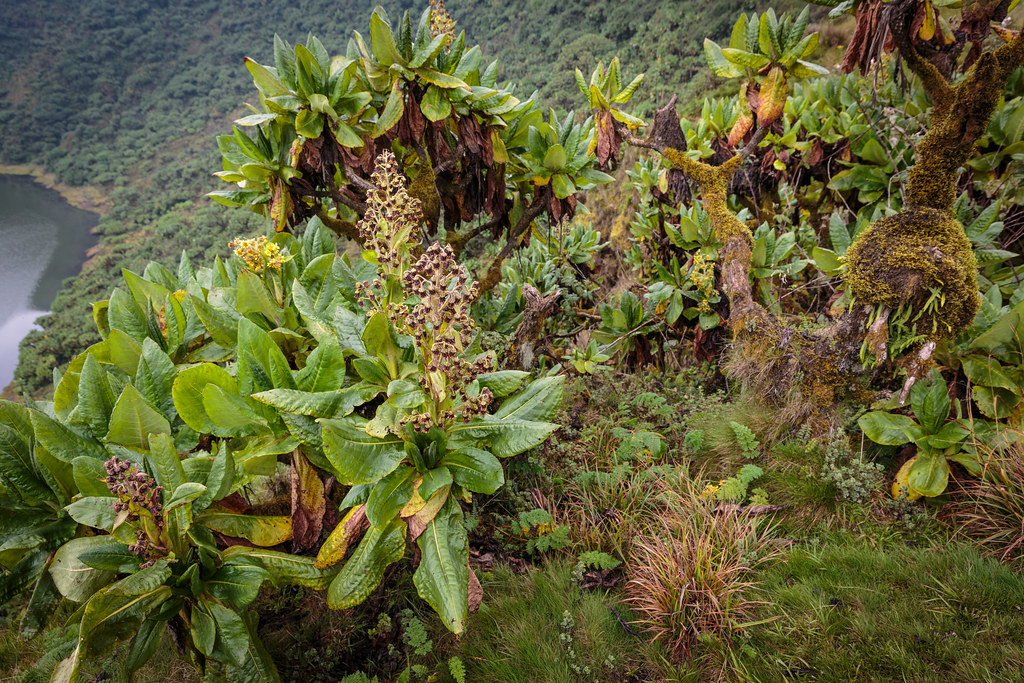
Reaching the summit of Mount Ololokwe is a moment of awe and tranquility. The flat-topped peak, rising 2,000 meters above sea level, offers sweeping panoramic views across the arid Samburu plains and the sharply defined Matthews Range in the distance. The summit’s indigenous forest provides a cool refuge, with towering Podocarpus, Cedar, and Strangler Fig trees, their branches adorned with ‘Old Man’s Beard’ lichen. Permanent water springs nourish this lush enclave, a stark contrast to the dry landscape below. The air is crisp and often carries the scent of damp earth and foliage. The summit is also a place of cultural reverence; visitors are encouraged to lay a rock and give thanks at water sources, honoring the mountain’s sacred status. The silence is punctuated by bird calls and the distant rumble of wildlife. Camping here allows trekkers to witness spectacular sunrises and sunsets, with golden light illuminating the rocky cliffs and plains. The experience is both humbling and exhilarating, connecting hikers to the mountain’s natural and spiritual essence.
Best Time to Trek Mount Ololokwe
The optimal periods for trekking Mount Ololokwe are during Kenya’s dry seasons, from June to October and January to February. These months offer stable weather conditions with dry trails, clear skies, and comfortable temperatures, ideal for hiking and camping. Early morning starts are recommended to avoid the intense midday sun, which can be unforgiving in the exposed sections of the trail. The dry season also enhances visibility for panoramic photography and wildlife spotting. During the wet seasons, trails can become slippery and more challenging, and the risk of sudden weather changes increases. Nighttime temperatures at the summit can be cold year-round, so warm clothing is essential for camping. It is advisable to check local weather forecasts and consult with guides for any volcanic or environmental advisories before planning your trek.
Routes and Trail Options for Mount Ololokwe
The primary route for ascending Mount Ololokwe begins at Sabache Camp, situated at approximately 1,000 meters elevation along a seasonal riverbed at the mountain’s base. This camp serves as the main staging point for hikers and offers basic facilities. From Sabache Camp, the trail ascends roughly 1,000 meters over 2 to 3 hours, depending on fitness and pace. The path follows elephant and Samburu herder trails, winding through dryland bushes, rocky clearings, and shaded wooded sections. Trekkers can expect a mix of steep climbs and gentler slopes, with several resting platforms along the way. Alternative starting points near the mountain’s base exist but are less commonly used and may require local guidance. The summit area features a 1,200-acre flat top with indigenous forest and permanent water springs, where camping is popular. Overnight camping breaks the ascent into manageable stages and allows hikers to experience the mountain’s serene atmosphere and starry skies. Guided hikes are recommended to enhance safety and cultural understanding, with local Samburu guides available through tour operators such as Ololokwe Travel and Tours Ltd and Baecation Adventures. Self-guided options are possible but require careful preparation and navigation skills. The descent typically follows the same route and takes less time but demands caution on loose scree and rocky sections. Overall, the route offers a moderate challenge with rewarding natural and cultural experiences.
Difficulty Assessment of Mount Ololokwe Trek
Mount Ololokwe presents a moderate trekking challenge suitable for hikers with a reasonable level of fitness and some prior hiking experience. The ascent involves an altitude gain of approximately 1,000 meters over rocky and uneven terrain, including steep sections and loose scree. The trail requires good balance and stamina, especially under the hot sun at lower elevations. Altitude effects are mild but can cause shortness of breath for some. Technical climbing skills are not necessary, but trekking poles and sturdy footwear with good grip are highly recommended. The presence of local guides can greatly enhance safety and navigation. Overnight camping at the summit adds an element of endurance and requires preparation for cold night temperatures. Overall, the trek is classified as a moderate volcano trek, accessible to adventurous travelers willing to prepare adequately and respect the mountain’s conditions.
Essential Gear for Trekking Mount Ololokwe
Successful trekking on Mount Ololokwe requires gear tailored to its volcanic terrain and variable climate. Essential items include sturdy hiking boots with excellent grip for rocky and uneven surfaces, and trekking poles to aid balance on steep or loose sections. Lightweight, breathable clothing is recommended for daytime hiking, complemented by warm layers such as fleece jackets and windproof shells for cooler summit temperatures and nighttime camping. Sun protection is critical due to exposed trail sections; bring sunscreen, sunglasses, and a wide-brimmed hat. Ample water supply is vital as the trail is dry and hot at lower elevations. A headlamp or flashlight is useful for early starts or late returns. For overnight stays, a quality sleeping bag rated for cold temperatures, a durable tent (often provided by camps or porters), and camping mats are necessary. Additional items include insect repellent, a first aid kit, and a camera to capture the stunning landscapes. If sensitive to dust or pollen, consider a bandana or light face mask. Communication devices and GPS are advisable for safety, especially if hiking independently.
Safety and Volcanic Hazards on Mount Ololokwe
Mount Ololokwe is an extinct stratovolcano, so the risk of volcanic eruptions or related hazards is negligible. However, safety considerations focus on the challenging terrain and environmental conditions. The steep rocky cliffs and loose scree require careful footing to prevent falls or injuries. Sudden weather changes, including strong winds and temperature drops at the summit, pose risks of hypothermia if unprepared. The trail’s exposure to intense sun demands vigilance against dehydration and sunburn. Wildlife encounters, including elephants and other large mammals, require respectful distance and guidance from experienced local guides. The mountain’s cultural significance means certain areas may be sensitive or restricted; adherence to local customs and regulations is essential. Emergency services are limited in this remote region, so thorough preparation, including informing tour operators or local contacts of your itinerary, is critical. Monitoring by local conservancies and tour operators ensures updated safety information. Overall, trekking with knowledgeable guides and proper equipment minimizes risks and enhances the experience.
Permits, Guides, and Logistics for Mount Ololokwe Trekking
Trekking Mount Ololokwe requires obtaining permits, which are managed locally through tour operators and conservancies to support sustainable tourism and community development. Visitors must secure a permit before the hike, typically arranged by reputable companies such as Ololokwe Travel and Tours Ltd, Baecation Adventures, and Tranquil Kilimanjaro. Permit costs vary but generally cover access fees, guide services, and conservation contributions. Hiring a local Samburu guide is highly recommended; guides provide invaluable cultural insights, enhance safety, and support the local economy. Guides can be booked through tour operators who also arrange transport, porters, and camping logistics. The main access point is Sabache Camp, located about 27 km from Archers Post, which itself is reachable by road from Nairobi via Karatina and Isiolo. Private vehicle hire is the most practical option as public transport is limited. The trek usually spans 1 to 2 days, with an overnight camping option at the summit campsite managed by Sabache Camp staff. Porters are available to carry gear and camping equipment, easing the physical burden on trekkers. Visitors should pack light, bring sufficient water, sun protection, and warm clothing for cold nights. Communication with operators before arrival ensures tailored arrangements, including dietary preferences and special needs. Overall, the logistics require careful planning but are well supported by local expertise, making Mount Ololokwe an accessible and rewarding trekking destination.
Where to Stay and Nearby Bases for Mount Ololokwe
The primary base for trekking Mount Ololokwe is Sabache Camp, located at the mountain’s foot within the Namunyak Conservancy. Sabache Camp offers basic community-run accommodations including safari tents and camping facilities. While the tents may lack luxury, the camp provides essential amenities such as shaded camping areas, clean toilets, and showers. The camp’s location along a seasonal riverbed at about 1,000 meters elevation makes it an ideal starting point for the ascent. For those seeking more comfort, Basecamp Samburu, situated in the nearby Kalama Conservancy, offers eco-conscious tented accommodations with stunning views of Mount Ololokwe. This camp features elevated star beds, a jacuzzi, and intimate dining experiences under the stars, blending adventure with serenity. Both camps emphasize sustainable tourism and community support. Visitors can also find lodges and guesthouses in Archers Post town, approximately 27 km from Sabache Camp, providing additional options for pre- or post-trek stays. These accommodations offer amenities such as meals, Wi-Fi, and vehicle hire services. Given the remote location, it is advisable to book accommodations in advance through tour operators or online platforms. Overnight camping on the summit is a popular choice to break the hike into manageable stages and enjoy the mountain’s tranquil atmosphere. Porters from Sabache Camp assist with carrying camping gear, enhancing comfort and safety. Overall, the region offers a range of lodging options from rustic campsites to eco-lodges, catering to diverse traveler preferences.