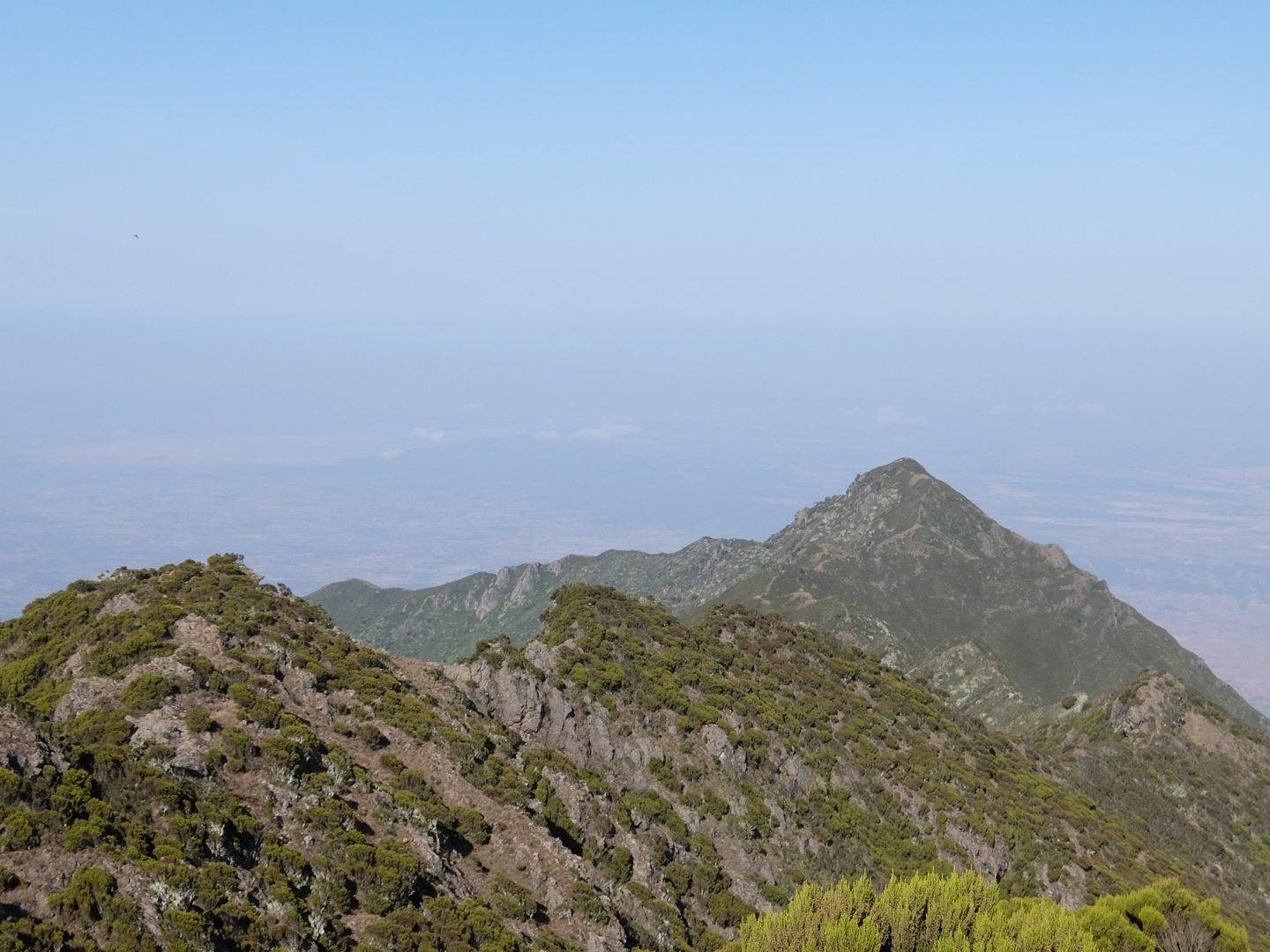

Erta Ale Volcano Trekking Guide: Conquer Ethiopia’s Fiery Shield Volcano and Its Legendary Lava Lake
Discover the ultimate trekking experience at Erta Ale, Ethiopia’s most active shield volcano, famed for its continuously bubbling lava lake. This demanding trek through the Danakil Depression offers adventurers a rare glimpse into Earth’s fiery core, combining extreme terrain, intense heat, and surreal volcanic landscapes.
Quick Volcano Snapshot
| Attribute | Value |
|---|---|
| Volcano type | Shield volcano |
| Elevation | 613 meters (2,011 feet) |
| Location | Danakil Depression, Afar Region, Ethiopia |
| Activity status | Active |
| Trekking difficulty | Demanding |
| Typical trek duration | 2 to 4 days |
| Altitude gain | Approximately 600 meters |
| Terrain type | Volcanic rock, lava fields, ash slopes, rocky desert |
| Best season | November to February (cooler months) |
| Temperature range | Daytime up to 45°C (113°F), cooler nights |
| Permit requirement | Mandatory permits and military escort required |
The Experience of Hiking Erta Ale Volcano
Approaching Erta Ale is like stepping onto another planet. The barren, blackened lava fields stretch endlessly beneath a blazing sun, contrasting sharply with the vast, empty desert of the Danakil Depression. As you ascend, the air thickens with the scent of sulfur and the ground vibrates faintly with the volcano’s restless energy. The final climb under the starry sky leads to the glowing, bubbling lava lake — a mesmerizing spectacle of molten rock churning in a fiery dance. Standing at the crater’s edge, you feel the raw power of Earth’s molten heart, an unforgettable encounter with nature’s primal force.

Geological Background of Erta Ale
Erta Ale is a basaltic shield volcano located in the Danakil Depression, part of the East African Rift system where tectonic plates are slowly diverging. This geological setting fuels Erta Ale’s persistent volcanic activity. The volcano rises gently to 613 meters with a broad base spanning approximately 40 kilometers. Its summit caldera, elongated and measuring about 1700 by 600 meters, contains several pit craters, including two active ones housing the world’s longest continuously active lava lake, active since at least 1906. The lava lake’s surface is a dynamic mosaic of thin crusts and glowing fissures, driven by magma convection beneath. Erta Ale’s eruptions are mostly effusive, producing extensive basaltic lava flows that shape the surrounding landscape. The volcano’s activity offers invaluable insights into shield volcano dynamics and rift-related volcanism.
Terrain and Hiking Experience on Erta Ale
The trek to Erta Ale is a demanding adventure through one of the hottest and most inhospitable environments on Earth. Starting from the village of Dodom, accessible by a rugged 4-5 hour drive from Mekele, the journey begins with a traverse across the Danakil Depression’s surreal volcanic desert. The terrain is a challenging mix of rocky volcanic formations, loose ash slopes, and hardened lava fields. Hikers must navigate uneven, jagged basalt rocks and shifting pumice, requiring sturdy boots and careful footing. The ascent to the summit is typically done at night to avoid the intense daytime heat, which can soar above 45°C (113°F). The trail is approximately 10 kilometers one way, taking 3 to 4 hours depending on fitness and pace. Altitude gain is moderate but combined with heat and arid conditions, it tests endurance and hydration management. Winds near the summit can be strong and cold, contrasting sharply with the desert heat below. The final approach to the crater rim involves scrambling over sharp volcanic rocks and ash, with no safety barriers, demanding caution. Despite the harshness, the landscape is otherworldly — vast black lava plains, sulfurous fumaroles, and distant salt flats create a stark, dramatic backdrop. Wildlife is sparse but desert-adapted birds and small mammals may be spotted. The physical challenge is matched by the sensory experience: the smell of sulfur, the heat radiating from the ground, and the sight of glowing molten lava at the summit make this trek an intense, unforgettable journey into Earth’s fiery core.

What Makes the Erta Ale Trek Unique
Erta Ale stands apart due to its continuously active lava lake, one of only six in the world, offering a rare and mesmerizing spectacle of molten rock in constant motion. Unlike many volcanoes where eruptions are episodic, Erta Ale’s lava lake has been active for over a century, providing an almost permanent window into volcanic processes. The trek’s setting in the Danakil Depression — one of the hottest, lowest, and most geologically extreme places on Earth — adds to its uniqueness. The surrounding landscape features vast salt flats, colorful sulfur springs, and ancient camel caravan routes, blending natural wonder with cultural heritage. The opportunity to camp on the crater rim under a star-filled sky, with the glowing lava lake below, is a once-in-a-lifetime experience. The absence of guardrails and the raw, unfiltered volcanic environment create an exhilarating sense of adventure and connection to Earth’s primal forces.
The Summit and Crater Experience at Erta Ale
Reaching the summit of Erta Ale is a dramatic culmination of the trek. As you approach the crater rim, the air thickens with sulfurous fumes and the ground vibrates subtly. The lava lake, roughly 60 by 100 meters, roils and bubbles with incandescent molten rock, casting an eerie red glow that illuminates the night. The heat radiating from the crater is intense, and the smell of sulfur is pungent, a constant reminder of the volcano’s power. The sound of escaping gases hissing and popping adds to the sensory immersion. Standing at the edge, the panoramic views stretch over the black lava fields and the vast Danakil Depression beyond, under a canopy of stars. Camping nearby allows for witnessing the lava lake’s mesmerizing shifts through the night and a spectacular sunrise over the volcanic desert. This raw, elemental encounter with Earth’s molten interior is both humbling and awe-inspiring.

Best Time to Trek Erta Ale Volcano
The optimal trekking season for Erta Ale is during the cooler months from November to February. During this period, daytime temperatures in the Danakil Depression are more manageable, typically ranging from 25°C to 35°C (77°F to 95°F), compared to extreme heat exceeding 45°C (113°F) in other months. Trekking is usually conducted at night to avoid the scorching daytime heat, which can cause dehydration and heat exhaustion. The dry season also reduces the risk of sudden weather changes and slippery terrain. Visitors should avoid the rainy season, as roads become impassable and conditions more hazardous. Volcanic activity is monitored continuously, but access is generally allowed year-round with military escort. Planning your trek during the cooler months enhances safety, comfort, and the overall experience.
Trekking Routes and Trail Options to Erta Ale
The primary trekking route to Erta Ale begins in the village of Dodom, which serves as the gateway to the volcano. Dodom is accessible by 4×4 vehicles from Mekele, the regional capital, via a rugged 80-kilometer drive taking approximately 4 hours over rough roads. From Dodom, the trek to the volcano’s summit is about 10 kilometers (6.2 miles) one way. The trail traverses volcanic desert terrain, including lava fields, ash slopes, and rocky paths. Most trekkers complete the ascent over two days: the first day involves hiking to the base camp near the crater rim, which takes 6 to 8 hours depending on pace and rest stops. The second day typically includes a shorter, steep climb to the active lava lake crater, often timed for sunrise to avoid heat and to witness spectacular views. Guided tours are the norm due to security and logistical requirements, with experienced local guides leading groups along the safest and most efficient routes. Alternative routes are limited due to the harsh terrain and security concerns. Some tours combine the Erta Ale trek with visits to nearby geological attractions such as the sulfur springs of Dallol and the salt flats, extending the adventure to 3 or 4 days. Self-guided trekking is not recommended given the remote location, extreme environment, and mandatory military escort.

Difficulty Assessment of the Erta Ale Trek
Erta Ale is classified as a demanding volcano trek. The terrain is rugged, featuring uneven volcanic rock, loose ash, and steep slopes that require good balance and sturdy footwear. The altitude is moderate at 613 meters, but the extreme heat, arid conditions, and physical exertion elevate the challenge. Trekkers must be prepared for long hours of hiking in temperatures that can exceed 40°C (104°F), often starting at night to avoid daytime heat. The lack of shade and the need to carry sufficient water add to the physical demands. While technical climbing skills are not required, a good level of fitness and endurance is essential. The trail’s rocky and sometimes slippery surfaces require careful navigation. The presence of armed military escorts ensures safety from external threats but does not mitigate the natural challenges. Overall, the trek suits experienced hikers accustomed to harsh environments and demanding conditions.
Essential Gear for Trekking Erta Ale Volcano
Proper gear is crucial for a safe and comfortable Erta Ale trek. Essential items include sturdy hiking boots with excellent grip to navigate rocky and uneven volcanic terrain. Trekking poles can aid balance and reduce fatigue on steep ascents and descents. Due to volcanic gases and sulfur fumes, a lightweight gas mask or respirator and a scarf or bandana are recommended to protect respiratory health. Breathable, moisture-wicking clothing and a wide-brimmed hat provide sun protection during daytime travel. A windproof jacket is useful for cooler summit conditions and nighttime hikes. Headlamps with extra batteries are necessary for trekking in darkness. Carry ample water and hydration systems to prevent dehydration in the arid environment. High-SPF sunscreen and lip balm protect against intense solar radiation. A first aid kit, snacks, and energy bars help maintain energy levels. Camping gear is typically provided by tour operators, but a warm sleeping bag is advisable for cold desert nights. Finally, a camera with extra batteries is recommended to capture the stunning volcanic landscapes.
Safety and Volcanic Hazards on Erta Ale
Trekking Erta Ale involves inherent risks due to volcanic activity and the harsh environment. Volcanic gases, including sulfur dioxide, can cause respiratory irritation; wearing a gas mask or scarf is essential near fumaroles and the crater. The crater rim is unstable and lacks guardrails, posing risks of falls; hikers must exercise extreme caution and avoid venturing too close to the edge. Loose volcanic rocks and scree increase the chance of slips and falls, especially during night hikes. Sudden changes in volcanic activity, including eruptions or lava lake fluctuations, require adherence to local monitoring and guide instructions. The extreme heat and arid conditions can lead to dehydration and heatstroke; adequate hydration and sun protection are vital. Security risks exist due to past attacks on tourists; all visitors must travel with armed military escorts and authorized guides. Emergency response infrastructure is limited, so preparedness and following safety protocols are critical. Visitors should stay informed of volcanic alerts issued by Ethiopian geological agencies and respect all safety warnings.
Permits, Guides, and Logistics for Erta Ale Trekking
Visiting Erta Ale requires careful planning due to its remote location, security concerns, and environmental challenges. The Ethiopian government mandates that all visitors obtain permits and be accompanied by authorized local guides and armed military escorts. This is a direct response to past security incidents, including a deadly attack on tourists in 2012. Permits are typically arranged through reputable tour operators based in Mekele, the regional capital, or Addis Ababa. Leading tour companies offering Erta Ale expeditions include Great Ethiopian Tours, Ethio Travel and Tours (ETT), Tanian Ethiopia Tours, WanderSmiles Adventure, and Absolute Ethiopia. These operators provide comprehensive packages covering permits, military escort, transportation, guides, camping equipment, and meals. Tours generally last between 3 to 4 days, often combining Erta Ale with visits to other Danakil Depression highlights such as Dallol sulfur springs and salt flats. Costs range from $400 to $600 per person, depending on group size and services included. The journey begins with a flight or long drive to Mekele, followed by a rugged 4-hour 4×4 transfer to Dodom village, the trek’s starting point. The hike to the volcano summit is usually done at night to avoid extreme heat. Accommodation near the crater is basic, consisting of open-air camps without tents, offering a unique but rustic experience. Visitors must bring essential gear such as water, sun protection, and gas masks. Booking through established operators ensures compliance with safety regulations, access to experienced guides, and logistical support in this challenging environment.
Where to Stay and Nearby Bases for Erta Ale Trekking
Accommodation options near Erta Ale are limited due to the remote and harsh environment of the Danakil Depression. The primary base for the trek is the village of Dodom, located approximately 80 kilometers from Mekele. Dodom offers basic guesthouses and lodges where trekkers can rest before and after the volcano hike. Facilities here are modest, with simple rooms and limited amenities, but provide essential respite from the desert heat. Popular lodges include local homestays and small guesthouses run by the Afar community, offering authentic cultural experiences. For those seeking more comfort, Mekele, the regional capital, has a range of hotels and guesthouses with better facilities, including electricity, running water, and restaurants. Mekele serves as the main logistical hub for arranging tours, permits, and transportation. At the volcano itself, camping is the only option. Tour operators set up basic open-air camps near the crater rim, where visitors sleep under the stars without tents. While spartan, camping at the summit offers unparalleled proximity to the lava lake and spectacular night skies. It is essential to bring warm sleeping bags due to cold desert nights. Nearby towns such as Semera and Abala provide additional accommodation options but are farther from the trailhead. Overall, staying in Mekele or Dodom before the trek and camping at the volcano summit is the standard approach for Erta Ale expeditions.