
Mount Elgon Volcano Trekking Guide: Conquer Uganda’s Majestic Extinct Shield Volcano
Mount Elgon, an extinct shield volcano on the Uganda-Kenya border, offers demanding yet rewarding trekking experiences through lush forests, bamboo zones, and moorlands to the summit of Wagagai Peak at 4,321 meters. Featuring the world’s largest intact caldera and extensive cave systems, this volcano trek combines geological wonder with rich biodiversity and cultural encounters.
Quick Volcano Snapshot
| Attribute | Value |
|---|---|
| Volcano type | Shield volcano |
| Elevation | 4,321 meters |
| Location | Eastern Uganda, Uganda-Kenya border |
| Activity status | Extinct |
| Trekking difficulty | Demanding |
| Typical trek duration | 4 to 7 days |
| Altitude gain | Approximately 3,000 meters |
| Terrain type | Montane forest, bamboo zones, moorlands, volcanic rock, caves |
| Best season | June to August and December to February |
| Temperature range | Cool to cold at high altitudes, warmer at base |
| Permit requirement | Required, USD 50 per day for non-East African residents |
The Experience of Hiking Mount Elgon
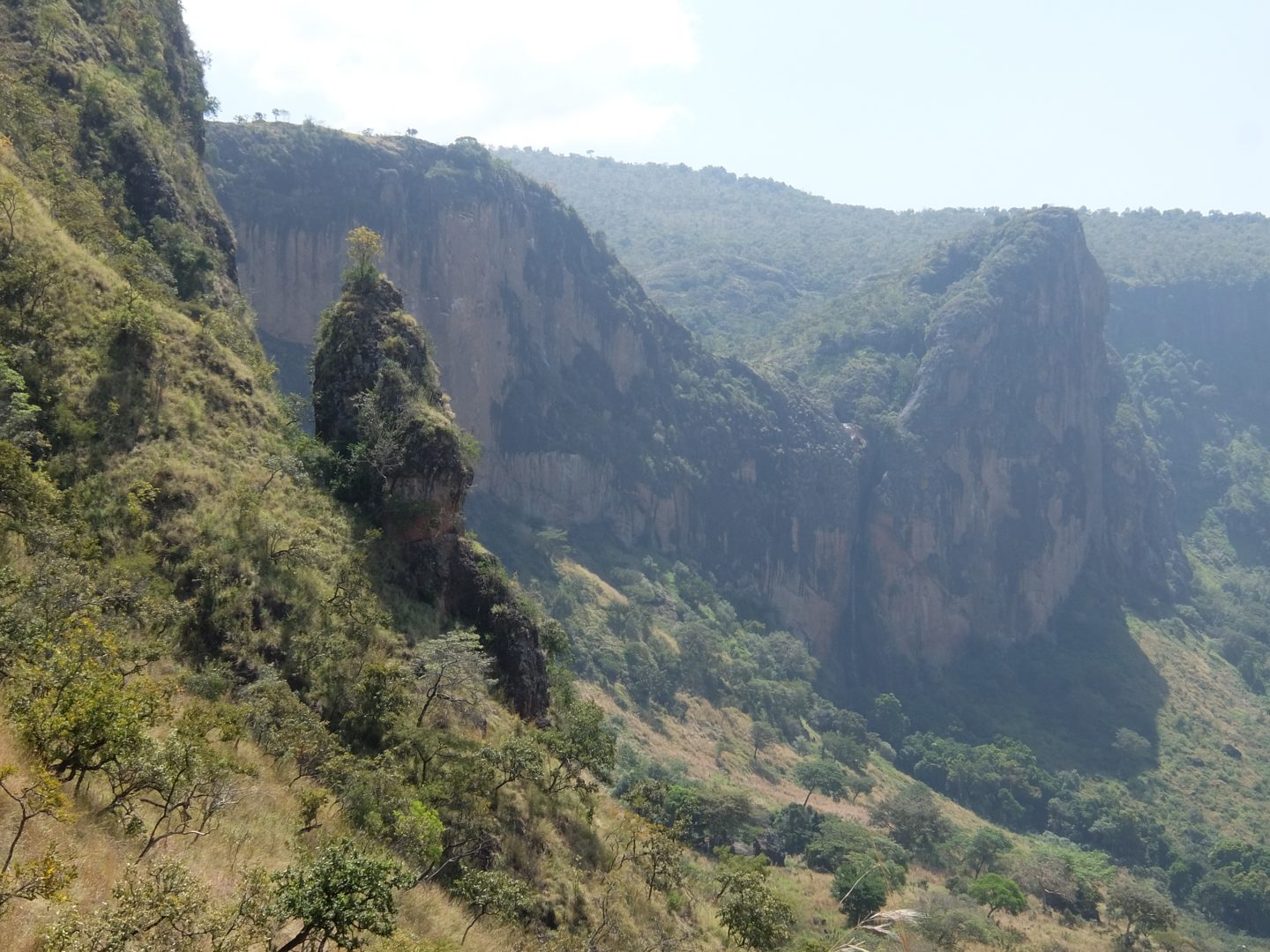
Approaching Mount Elgon, hikers are greeted by a vast, ancient volcanic giant whose slopes rise dramatically from the surrounding plains. The journey begins in lush montane forests alive with birdsong and primates, gradually ascending through dense bamboo thickets into open moorlands dotted with giant lobelias and groundsels. The landscape shifts from vibrant greenery to stark volcanic rock and expansive views of the world’s largest intact caldera. The air grows cooler and thinner as you climb, heightening the sense of remoteness and adventure. Reaching Wagagai Peak, the highest point at 4,321 meters, rewards trekkers with sweeping panoramas of Uganda and Kenya, a profound silence, and a deep connection to the earth’s geological history. This trek is not just a physical challenge but an immersive journey through time and nature.
Geological Background of Mount Elgon
Mount Elgon is a massive extinct shield volcano that last erupted over 24 million years ago, making it one of the oldest volcanic features in East Africa. Its formation involved extensive lava flows that created a broad, gently sloping volcanic base covering approximately 50 by 80 kilometers, the largest of any extinct volcano worldwide. A significant volcanic event caused the collapse of its magma chamber, forming the world’s largest intact caldera, measuring about 40 kilometers wide and 60 kilometers long. The caldera’s rim features rugged cliffs and ridges, while inside lie hot springs, caves, and ancient lava tubes. The mountain’s geology is characterized by basaltic lava flows, volcanic minerals, and fumaroles that once emitted steam and sulfur gases. Today, the landscape preserves unique geological formations, including extensive cave systems such as Kitum and Tutum Caves, which hold archaeological and ecological significance.
Terrain and Hiking Experience on Mount Elgon
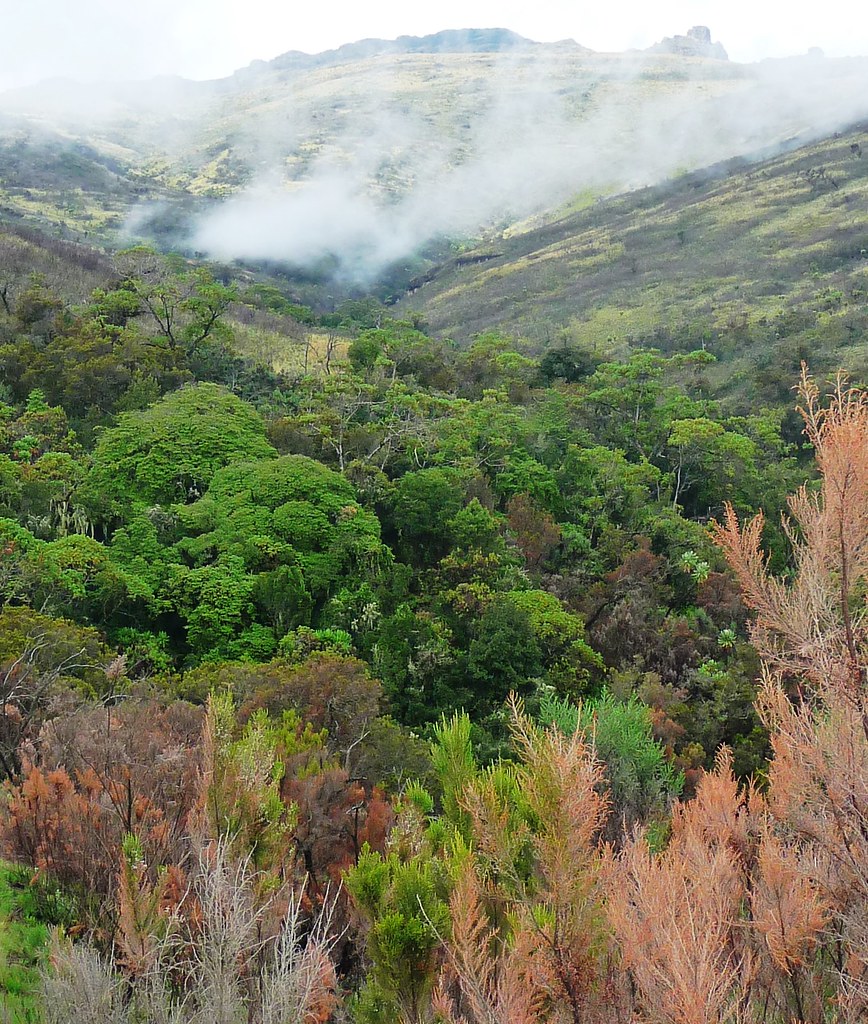
Trekking Mount Elgon offers a diverse and challenging hiking experience shaped by its unique terrain and ecological zones. The ascent begins at trailheads such as Budadiri (Sasa Trail), Kapkwai (Sipi Trail), or Kapkwata (Piswa Trail), each offering distinct landscapes and difficulty levels. The initial stages wind through dense montane forests rich with birdlife and primates, where the trail can be muddy and slippery, especially during the rainy seasons. Hikers navigate narrow paths lined with ferns, mosses, and towering trees, immersing in a vibrant ecosystem.
As elevation increases, the forest gives way to bamboo zones characterized by thick, tall bamboo groves that create a serene, shaded corridor. The trail here is generally more stable but can be steep in sections. Beyond the bamboo, the terrain transitions into heath and afro-alpine moorlands, where giant lobelias and groundsels dominate the landscape. This zone features open, rolling hills with rocky outcrops and volcanic scree slopes that require careful footing.
The final approach to Wagagai Peak involves traversing volcanic rock and loose scree, demanding good balance and endurance. Altitude effects become noticeable, with thinner air and cooler temperatures, often accompanied by strong winds near the summit. The trail can be steep and exposed, requiring hikers to be cautious of sudden weather changes. Descents, particularly on the Bushiyi Trail, can be steep and slippery, especially when wet, increasing the risk of falls.
Throughout the trek, hikers encounter diverse microclimates, from warm, humid forests to cold, windy highlands. The terrain challenges vary daily, demanding physical fitness, proper gear, and acclimatization. The presence of caves such as Kapkwai and Tutum adds an adventurous element, allowing exploration of volcanic formations and shelter from weather. Overall, Mount Elgon’s terrain offers a rewarding blend of natural beauty, ecological diversity, and physical challenge that appeals to experienced trekkers seeking a demanding yet accessible volcano hike.

What Makes the Mount Elgon Trek Unique
Mount Elgon stands apart from other East African volcanoes due to its immense size, geological features, and rich biodiversity. It boasts the world’s largest intact volcanic caldera, a vast depression formed by the collapse of its magma chamber millions of years ago. This caldera spans approximately 40 kilometers in diameter, offering unparalleled panoramic views and a unique hiking environment.
The mountain’s extensive cave systems, including the famous Kitum and Tutum Caves, add a rare speleological dimension to the trek. These caves harbor ancient deposits and provide shelter for wildlife, making them fascinating stops for explorers. Unlike many volcanic treks focused solely on summit ascents, Mount Elgon’s appeal lies in its varied ecosystems—from tropical rainforests and bamboo forests to afro-alpine moorlands—offering a rich tapestry of flora and fauna.
Culturally, the mountain is sacred to the Bagisu people, who inhabit its lower slopes and maintain traditional practices such as the biannual Imbalu circumcision ceremony. The trek also offers opportunities to engage with local communities and experience their hospitality.
The relative solitude of Mount Elgon, compared to more crowded peaks like Kilimanjaro or the Rwenzori Mountains, provides a peaceful and immersive wilderness experience. The combination of geological grandeur, ecological diversity, cultural richness, and challenging terrain makes Mount Elgon a truly unique volcano trekking destination.
The Summit and Caldera Experience
Reaching Wagagai Peak, the highest point of Mount Elgon at 4,321 meters, is a moment of profound achievement and awe. The summit is characterized by smooth, rolling peaks rather than jagged cliffs, creating a serene and expansive atmosphere. From this vantage point, hikers are rewarded with sweeping panoramic views across the vast caldera below, stretching over 40 kilometers in diameter, framed by rugged cliffs and ridges.
The air at the summit is crisp and cool, often accompanied by brisk winds that heighten the sense of remoteness. The silence is profound, broken only by the occasional whistle of the wind or distant bird calls. The caldera’s floor, visible from the rim, reveals a landscape of moorlands, hot springs, and scattered forests, a testament to the volcano’s ancient power.
Unlike active volcanoes, Mount Elgon’s summit lacks fumarolic activity, but the presence of hot springs and caves within the caldera hints at its volcanic past. The experience is both humbling and exhilarating, offering a rare opportunity to stand atop one of the world’s largest volcanic structures. The summit’s tranquility invites reflection on the geological forces that shaped this landscape and the personal journey of the trekker.

Best Time to Trek Mount Elgon
The optimal seasons for trekking Mount Elgon are during the dry periods from June to August and December to February. These months offer the most stable weather conditions, with reduced rainfall, clearer skies, and more comfortable temperatures for hiking.
During the dry seasons, trails are less muddy and slippery, improving safety and hiking speed. The cooler temperatures at higher elevations are more manageable, and visibility from the summit is generally excellent, allowing for spectacular views of the caldera and surrounding landscapes.
The rainy seasons, typically from April to June and September to November, bring heavy showers that can make trails muddy, slippery, and challenging, especially in the rainforest and bamboo zones. Persistent rain increases the risk of hypothermia and complicates camping and logistics.
Hikers should also consider local weather patterns and be prepared for sudden changes, as mountain climates can be unpredictable. Early morning starts are recommended to avoid afternoon rains and to enjoy sunrise views. Seasonal closures or restrictions may apply, so checking with Uganda Wildlife Authority and tour operators before planning is advisable.
Trekking Routes and Trail Options on Mount Elgon
Mount Elgon offers several well-established trekking routes, each with unique features, difficulty levels, and durations. The three primary trails to Wagagai Peak are the Sasa Trail, Sipi Trail, and Piswa Trail.
The Sasa Trail, starting from Budadiri at approximately 1,250 meters elevation, is the shortest and steepest route. It typically takes four days to complete a round trip. The trail ascends rapidly, gaining about 1,650 meters on the first day, passing through montane forests and bamboo zones. It includes challenging sections such as the Mudangi Cliffs, which require ladder climbing. This trail is suited for fit hikers seeking a direct and demanding ascent.
The Sipi Trail begins near the Kapkwai Forest Exploration Centre at around 2,050 meters. It is a longer but more gradual route, taking about five days. This trail offers spectacular views of Sipi Falls and the surrounding countryside. It passes through diverse vegetation zones and includes opportunities to explore caves like Tutum Cave. The Sipi Trail is popular among nature lovers and those preferring a moderate pace.
The Piswa Trail starts from Kapkwata village on the mountain’s northern side at about 2,190 meters elevation. It is the longest route, spanning approximately 49 kilometers and taking up to seven days. The trail is known for sweeping views of Uganda’s Karamoja Plains and Kenya’s Kapeguria and Nandi Hills. It is less steep than the Sasa Trail but requires endurance for the extended distance.
Additional shorter trails around the mountain include the Endebess Bluff Trail and various day hikes from the Kapkwai Forest Exploration Centre, such as the Chebanet Falls and Ridge View Trail. These offer options for acclimatization or nature walks.
Guided and self-guided options are available, with local tour operators providing porters, guides, and logistical support. Trail conditions vary seasonally, and hikers should prepare accordingly.
Difficulty Assessment of Mount Elgon Trek
Mount Elgon is classified as a demanding volcano trek, suitable for hikers with good physical fitness and some trekking experience. While the climb does not require technical mountaineering skills, the altitude, terrain, and length of the routes present significant challenges.
The terrain includes steep ascents, loose volcanic scree, slippery forest trails, and rocky sections requiring careful navigation. Altitude gain of approximately 3,000 meters over several days can cause mild altitude effects, though severe altitude sickness is uncommon due to the gradual ascent.
Hikers should be prepared for variable weather conditions, including rain, cold temperatures at higher elevations, and strong winds near the summit. The steep descents, particularly on the Bushiyi Trail, can be physically taxing and require good balance.
Overall, the trek demands endurance, proper acclimatization, and suitable gear. It is not recommended for beginners without prior hiking experience or those with health issues sensitive to altitude or strenuous activity. With adequate preparation and support, most fit hikers can successfully complete the ascent.
Essential Gear for Mount Elgon Volcano Trekking
Successful trekking on Mount Elgon requires gear tailored to diverse terrain and variable weather. Essential items include sturdy waterproof hiking boots with good grip to handle muddy and rocky trails. Trekking poles are highly recommended to aid balance and reduce strain on steep ascents and descents.
Given the presence of volcanic ash and loose scree, gaiters help protect boots and lower legs. Layered clothing is vital: moisture-wicking base layers, insulating mid-layers, and a windproof, waterproof outer shell to manage rain and cold winds at altitude.
A warm hat, gloves, and thermal wear are necessary for summit conditions. A headlamp is useful for early starts or emergencies. Hydration systems or water bottles are critical, as well as high-energy snacks.
Sun protection is essential due to high UV exposure: sunglasses, sunscreen, and a wide-brimmed hat. A gas mask or respirator is generally not required as the volcano is extinct and lacks active gas emissions.
Additional gear includes a sleeping bag rated for cold temperatures, a lightweight tent if camping, first aid kit, insect repellent, and waterproof bags for electronics and documents. Hiring porters to carry heavy gear is common and recommended.
Safety and Volcanic Hazards on Mount Elgon
Mount Elgon is an extinct volcano, which significantly reduces risks associated with volcanic activity such as eruptions or toxic gas emissions. However, trekkers must remain vigilant about other safety hazards inherent to mountain hiking.
The terrain includes steep, slippery slopes, loose scree, and rocky sections that increase the risk of falls and injuries. Muddy trails during rainy seasons can be hazardous, especially on descents like the Bushiyi Trail. Proper footwear and trekking poles help mitigate these risks.
Wildlife encounters, including elephants, buffaloes, and monkeys, require maintaining safe distances and following park regulations. The Uganda Wildlife Authority provides ranger support to enhance visitor safety.
Sudden weather changes are common, with rapid temperature drops and strong winds near the summit. Hypothermia risk exists if hikers are unprepared. Altitude effects, while generally mild, can cause headaches, nausea, or fatigue.
Visitors must stay on marked trails to avoid getting lost and respect local guidelines. Permits and guided hikes are recommended to ensure safety and compliance with park rules. Emergency communication may be limited, so preparedness and caution are essential.
Permits, Guides, and Logistics for Mount Elgon Trekking
Trekking Mount Elgon requires obtaining permits from the Uganda Wildlife Authority (UWA), which manages Mount Elgon National Park. Permits cost USD 50 per person per day for non-East African residents and UGX 50,000 for East African residents. These can be purchased in advance at UWA offices or at trailheads such as Budadiri, Kapkwai, and Kapkwata.
Hiring a guide is strongly recommended for safety, navigation, and enriching the trekking experience with local knowledge. Guides are available through registered tour operators and at park offices. Porters can also be hired to carry heavy luggage, allowing hikers to focus on the trail.
Several reputable tour operators specialize in Mount Elgon trekking, including Mount Elgon Trekkers, Mulima Adventures, Walter’s Tours Uganda, Experiya Tour Company, and Climb Mount Elgon. These companies offer tailored packages ranging from private expeditions to group tours, including transfers, accommodation bookings, and equipment rental.
Logistically, most trekkers travel from Kampala to Mbale by road, a journey of approximately 4 to 5 hours on good tarred roads. From Mbale, trailheads are accessible by local transport or arranged transfers. The park experiences two main rainy seasons, so planning during dry months is advisable.
Accommodation options range from budget lodges near trailheads to luxury hotels in Mbale and Sipi Falls areas. Hikers should prepare for variable weather, carry sufficient water, and pack appropriate gear. Park regulations require visitors to stay on marked trails, respect wildlife, and avoid littering.
Overall, careful planning, securing permits, and engaging experienced guides ensure a safe and rewarding Mount Elgon trekking adventure.
Where to Stay Near Mount Elgon
Accommodation options around Mount Elgon cater to a range of budgets and preferences, providing convenient bases for trekking and exploring the region. Mbale, the nearest major town, offers several quality hotels and lodges with easy access to trailheads.
Mount Elgon Hotel & Spa, located about 2 kilometers from Mbale town center, is a luxury option featuring 30 rooms across categories such as standard, executive, and suites. The hotel boasts amenities including a swimming pool, spa, conference facilities, a restaurant serving local and international cuisine, and a bar. Its proximity to Uganda Wildlife Authority offices makes it a favored choice for trekkers seeking comfort and convenience.
Sipi Falls area, near the Sipi Trailhead, hosts lodges such as Sipi River Lodge and Rafiki Lodge Sipi. Sipi River Lodge offers a tranquil setting amidst private grounds with views of the waterfalls, family cottages, and activities like rock climbing and abseiling. Rafiki Lodge provides luxury family cottages and honeymoon suites perched on cliffs overlooking the falls.
For midrange and budget travelers, options include Lacam Lodge on the mountain slopes, offering private cottages with hot showers and a restaurant, and Kapkwai Cottages near the park entrance, ideal for hikers on a tighter budget.
Mbale Resort Hotel combines luxury and accessibility with over 90 rooms, a swimming pool, gardens, and easy access to local attractions. Wagagai Hotel in Budadiri, close to the park visitor offices, provides budget-friendly accommodation.
Camping is possible within designated areas of Mount Elgon National Park for those undertaking multi-day treks, with basic facilities and ranger support.
These accommodations provide comfortable rest after demanding days on the trail, with many offering guided tours, transport arrangements, and local cultural experiences to enrich the visit.