

Climbing Illimani Volcano: Technical Mountaineering Guide to Bolivia’s Iconic Snow-Capped Peak
Illimani, Bolivia’s second highest peak at 6,438 meters, offers a demanding technical mountaineering challenge with breathtaking views over the Andes. This guide covers geology, terrain, routes, gear, safety, permits, logistics, and accommodations for climbers seeking to conquer this majestic stratovolcano.
Quick Volcano Snapshot
| Attribute | Value |
|---|---|
| Volcano type | Stratovolcano |
| Elevation | 6,438 meters |
| Location | Cordillera Real, Bolivia |
| Activity status | Dormant |
| Trekking difficulty | Technical mountaineering |
| Typical trek duration | 4 days |
| Altitude gain | Approximately 2,800 meters from La Paz |
| Terrain type | Rocky trails, scree slopes, glaciers, snowfields |
| Best season | May to September (dry season) |
| Temperature range | -10°C to 5°C at high altitude |
| Permit requirement | No official permits required |
The Experience of Hiking Illimani Volcano
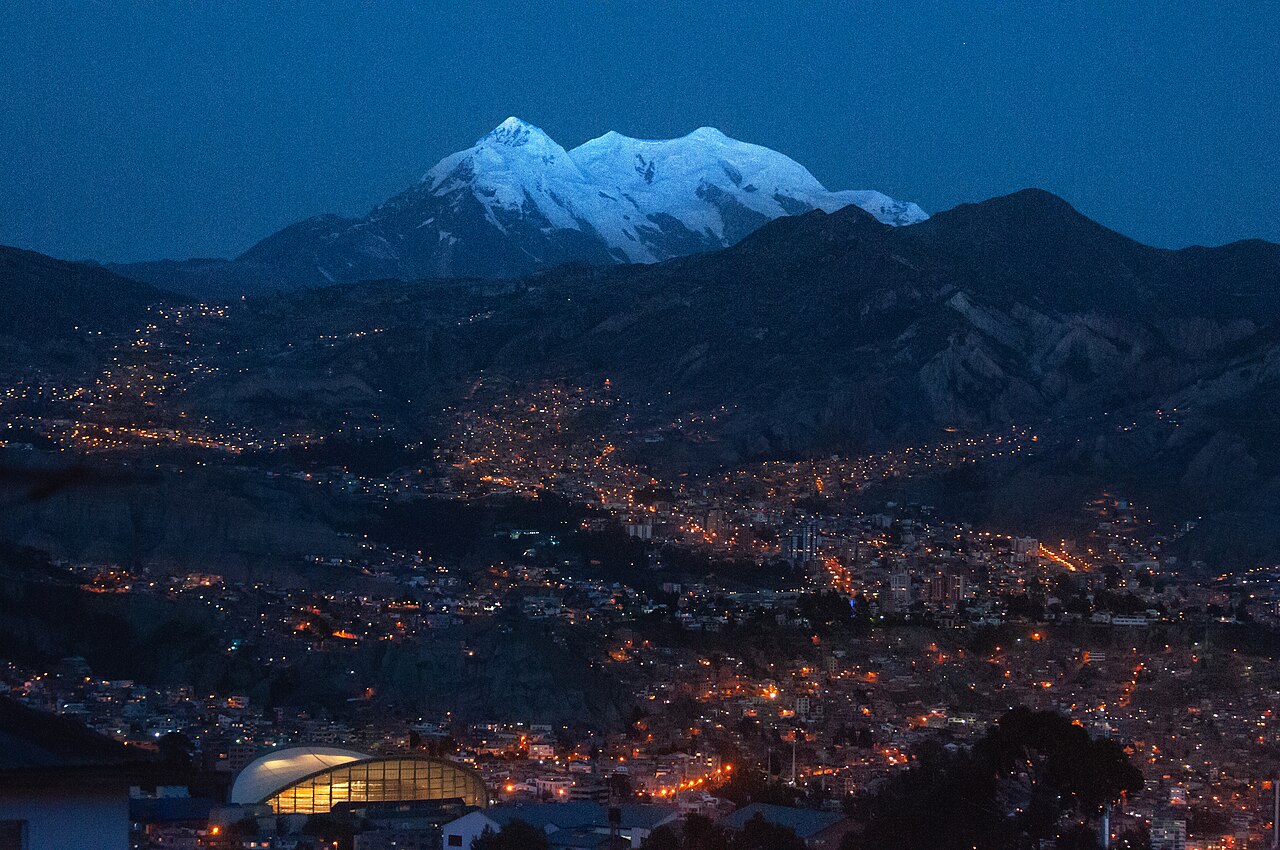
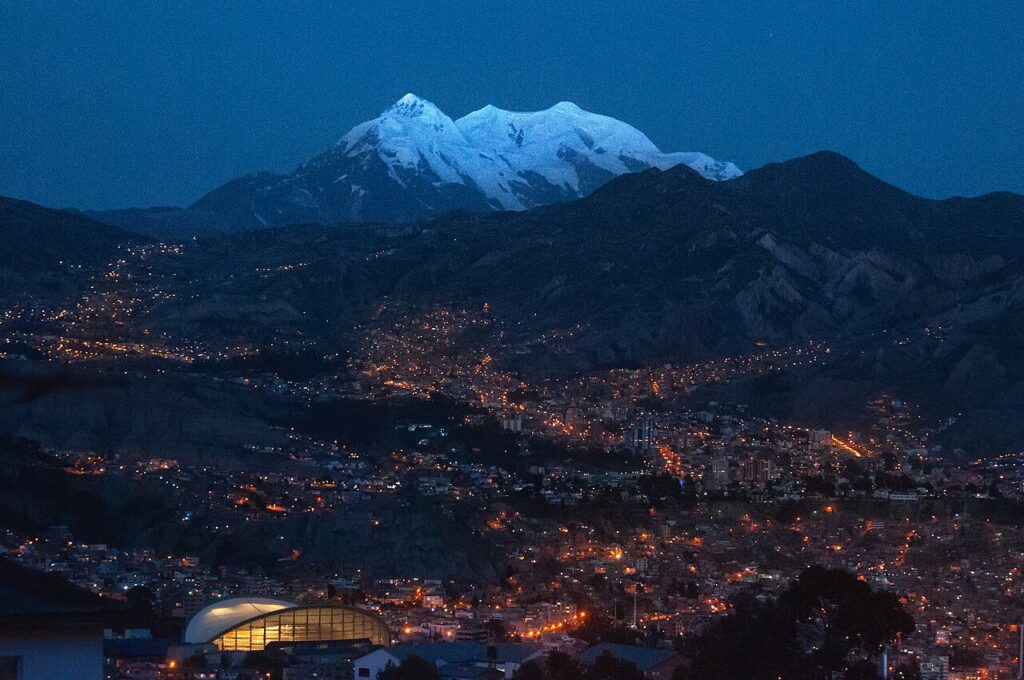
Illimani rises majestically above La Paz, its snow-capped peaks piercing the sky and dominating the skyline. Approaching the mountain, climbers are greeted by a dramatic landscape of rugged Andean terrain, where rocky scree meets vast glaciers. The air thins as you ascend, and the silence of the high Andes envelops you. The climb is a test of endurance and skill, with the icy slopes and crevassed glaciers demanding respect. Reaching the summit offers an overwhelming sense of achievement, with panoramic views stretching across the Cordillera Real and beyond. The mountain’s presence is both humbling and inspiring, a true guardian watching over Bolivia’s highlands.
Geological Background of Illimani Volcano
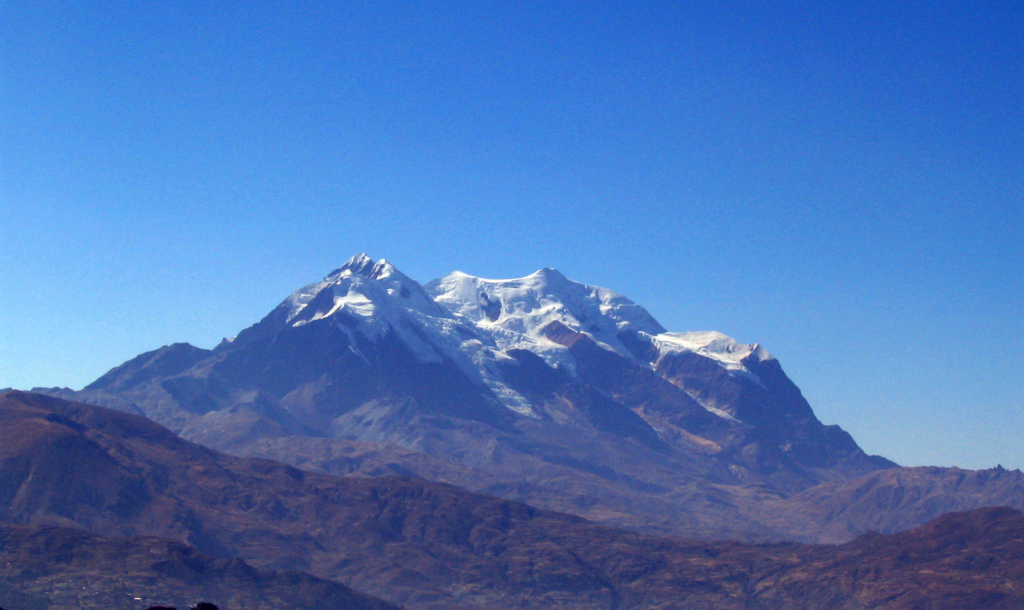
Illimani is a towering stratovolcano located in the Cordillera Real mountain range of Bolivia. Formed through successive volcanic eruptions over millennia, it is composed primarily of andesitic lava flows and pyroclastic deposits. The volcano features four main summits, with Pico Sur reaching 6,438 meters, making it the second highest peak in Bolivia. Its snow-capped peaks are remnants of glaciation that sculpted the mountain’s rugged profile. The volcano is currently dormant, with no recent eruptive activity, but its geological history is marked by powerful eruptions that shaped the surrounding landscape. Fumaroles and sulfur deposits are minimal, but the mountain’s glaciers and crevasses reveal ongoing geological processes. Illimani’s imposing presence is a testament to the dynamic tectonic activity of the Andes, where the Nazca Plate subducts beneath the South American Plate, fueling volcanic activity.
The Volcano Trek: Terrain and Hiking Experience
Climbing Illimani is a demanding technical mountaineering expedition that challenges even experienced climbers. The trek begins with a drive from La Paz to the small village of Pinaya, followed by a hike to the base camp at Puente Roto, situated at approximately 4,540 meters. From here, the terrain transitions from rocky trails to steep scree slopes and glacier travel. The ascent to the high camp, Nido de Cóndores, at around 5,550 meters, involves navigating loose rocks and moraine fields, requiring careful footing and stamina. Above the high camp, climbers face glaciated terrain with crevasses and steep snow slopes that can reach angles of up to 50 degrees. The summit push demands proficiency with crampons, ice axes, and rope techniques to safely cross bergschrunds and negotiate icy ridges. Weather conditions are highly variable, with strong winds and sudden temperature drops common at altitude. The thin air challenges cardiovascular endurance, making acclimatization essential. The terrain’s complexity requires climbers to be prepared for mixed conditions: rocky sections, snowfields, and ice. The route along the West Ridge is the standard approach, offering a balance of technical climbing and breathtaking alpine scenery. The mountain’s glaciers are crevassed and require vigilance and route-finding skills. Descents often involve careful scree sliding and glacier navigation. Overall, the Illimani trek is a comprehensive mountaineering experience combining physical challenge, technical skills, and exposure to high-altitude Andean wilderness.
What Makes the Illimani Trek Unique
Illimani’s allure lies in its iconic status as the guardian of La Paz and its striking snow-capped silhouette visible from the city. Unlike many other Andean peaks, Illimani offers a blend of accessibility and technical challenge, making it a coveted summit for mountaineers seeking high-altitude adventure without extreme technical rock climbing. The mountain’s four summits provide varied climbing experiences, with Pico Sur being the highest and most sought after. The trek’s unique combination of glacier travel, steep snow slopes, and rocky ridges offers a diverse alpine environment rarely matched in Bolivia. The panoramic views from the summit encompass the vast Cordillera Real, the Altiplano, and on clear days, distant peaks like Sajama. Culturally, Illimani holds significance for the local Aymara people, symbolizing protection and spiritual presence. The presence of highly skilled indigenous guides, many born at high altitude, adds a unique cultural dimension to the climb. The mountain’s dramatic weather shifts and pristine wilderness create an exhilarating and authentic mountaineering experience that stands apart from more commercialized climbs.
The Summit and Crater Experience
Reaching Illimani’s summit is a moment of profound triumph and awe. The final ascent involves negotiating steep snow slopes and icy ridges, where every step demands concentration and care. Upon standing at 6,438 meters, climbers are rewarded with sweeping views of the Andes’ rugged peaks and the sprawling city of La Paz far below. The summit ridge is exposed and windswept, with the cold biting sharply. The air is thin, making each breath precious. The silence is punctuated only by the sound of the wind and the crunch of crampons on ice. Although Illimani is dormant, the mountain’s volcanic origins are evident in the rocky outcrops and glacial formations. The crater itself is not a prominent feature like active volcanoes but the summit area reveals the mountain’s geological story through its icy glaciers and snowfields. The sense of standing atop a giant stratovolcano, gazing across an endless sea of peaks, is an unforgettable experience that embodies the power and beauty of the high Andes.
Best Time to Trek Illimani Volcano
The optimal climbing season for Illimani is during Bolivia’s dry winter months, from May to September. This period offers the most stable weather conditions, with reduced precipitation and clearer skies, essential for safe glacier travel and summit attempts. June, July, and August are considered the peak months, providing cold but generally predictable weather. Outside this window, the mountain experiences increased snowfall and unstable weather patterns, including heavy winds and storms that can make climbing hazardous. Afternoon storms are common in the wet season, so summit bids are typically scheduled for early morning starts to avoid deteriorating conditions. Acclimatization is critical due to the high altitude; climbers should spend several days above 3,000 meters before attempting the ascent. Monitoring local weather forecasts and volcanic activity reports, although Illimani is dormant, is recommended to ensure safety. The dry season’s crisp air and clear visibility also enhance the spectacular views from the summit.
Trekking Routes and Trail Options on Illimani
The most popular and established route to Illimani’s summit is the West Ridge, which is considered the standard route. This approach begins with a drive from La Paz to Pinaya village, followed by a trek to the base camp at Puente Roto (4,540 m). From base camp, climbers ascend rocky and scree terrain to the high camp, Nido de Cóndores, located at approximately 5,550 meters. The summit push from Nido de Cóndores involves glacier travel, crevasse navigation, and steep snow slopes. Climbers must be proficient in using crampons, ice axes, and ropes to safely negotiate the icy ridges and bergschrunds. The route is graded PD (Peu Difficile) but requires technical mountaineering skills. Alternative approaches include the east face and routes via Cohoni, but these are less frequented and more remote. The West Ridge remains preferred for its relative accessibility and established campsites. Guided expeditions typically follow a 4-day itinerary: approach and base camp setup, move to high camp, summit day, and descent. Self-guided climbs are possible but not recommended due to the technical nature and altitude. Several local and international guiding companies offer comprehensive packages including logistics, porters, and technical support.
Difficulty Assessment of Illimani Climb
Illimani is classified as a technical mountaineering climb requiring solid experience in glacier travel, snow and ice climbing, and high-altitude endurance. The route involves steep snow slopes up to 50 degrees, crevasse navigation, and exposure to rapidly changing weather conditions. The altitude of 6,438 meters poses significant physiological challenges, including risk of altitude sickness. Climbers must be well acclimatized and physically fit, with previous experience on 5,000+ meter peaks strongly recommended. The climb is not suitable for beginners or casual trekkers. Technical gear such as crampons, ice axes, ropes, and harnesses are essential. While the rock climbing component is minimal, the icy ridges and glacier crossings demand careful technique and safety awareness. The overall difficulty is rated as demanding technical mountaineering, requiring preparation, skill, and respect for the mountain’s conditions.
Essential Gear for Climbing Illimani
Climbing Illimani requires specialized mountaineering equipment to safely navigate its glaciers and snow slopes. Essential gear includes mountaineering boots compatible with crampons, crampons and ice axe for glacier and ice travel, climbing harness, ropes, and carabiners for crevasse rescue and safety, helmet to protect from falling rocks and ice, warm layered clothing including windproof and waterproof outer layers, gloves and insulated hats for extreme cold, trekking poles for approach hikes, headlamp for early summit starts, sunglasses and high SPF sunscreen to protect from intense UV at altitude, hydration system and high-energy food. A gas mask or respirator is generally not required as Illimani is dormant. Proper preparation and quality gear are critical to ensure safety and comfort during the climb.
Safety and Volcanic Hazards on Illimani
Although Illimani is a dormant volcano with no recent eruptive activity, climbers face significant hazards related to high-altitude mountaineering. The primary risks include crevasse falls, avalanches, sudden weather changes, and altitude sickness. Crevasses on the glaciers require careful route-finding and use of ropes for safety. Steep snow slopes can be slippery and exposed to falling ice or rocks. Weather in the Cordillera Real can shift rapidly, bringing strong winds, snowstorms, and whiteout conditions that increase risk. Altitude sickness is a serious concern above 4,000 meters; proper acclimatization and awareness of symptoms are essential. Climbers should monitor their health closely and be prepared to descend if symptoms worsen. Local guiding companies maintain close communication with meteorological services and provide expert knowledge of the terrain and conditions. It is strongly recommended to climb with certified guides who are familiar with Illimani’s hazards and rescue protocols.
Permits, Guides, and Logistics for Climbing Illimani
No official permits are required to climb Illimani, making it accessible to independent climbers. However, due to the technical difficulty and high altitude, hiring experienced local guides is highly recommended for safety and success. Several reputable tour operators and guiding companies specialize in Illimani expeditions, including Bolivian Mountain Guides, Alpine Ascents International, AlexClimb South America Andes, Bolivian Journeys, South Treks, and Zig Zag Bolivia. These operators provide comprehensive packages covering transportation, accommodation, meals, technical equipment, porters, and professional IFMGA/UIAGM-certified guides. Typical expeditions last four days: starting with a transfer from La Paz to Pinaya village, trekking to base camp at Puente Roto, ascending to the high camp Nido de Cóndores, and making a summit push before descending back to La Paz. Group sizes vary from private to small groups of 3-10 climbers. Costs range from approximately 1,250 to 2,250 Euros per person depending on group size and services included. The price usually covers local transport, camping equipment, meals during the climb, and guide services. Personal climbing gear rental, international flights, insurance, and visa fees are additional. Logistics include acclimatization in La Paz (3,650 m) before the climb, arranging transportation to trailheads, and coordinating porters for carrying heavy loads. Many operators offer pre-climb training and technical instruction to prepare climbers for glacier travel and crevasse rescue. Climbers should ensure they have comprehensive travel and evacuation insurance covering high-altitude mountaineering. Communication in remote areas is limited; some operators provide satellite phones for emergencies. Overall, climbing Illimani requires careful planning, reliable guides, and respect for the mountain’s challenges.
Where to Stay Near Illimani and Nearby Bases
La Paz, Bolivia’s administrative capital, serves as the primary base for climbers attempting Illimani. The city sits at an elevation of approximately 3,650 meters, providing an essential acclimatization environment before the ascent. La Paz offers a range of accommodations catering to mountaineers, from budget hostels to comfortable hotels. Popular lodging options include Hotel Rosario La Paz, Hotel Europa, and Casa Grande Suites, all offering amenities such as warm rooms, reliable internet, and easy access to local markets and gear shops. Many climbers spend several days here to acclimatize and prepare equipment. The trek to Illimani’s base camp begins in the village of Pinaya, located about a 3.5-hour drive from La Paz. Pinaya is a small rural community with limited facilities, primarily serving as a staging point for the climb. There are no formal lodges or hotels in Pinaya; climbers typically camp or stay in tents arranged by guiding companies. Base camp at Puente Roto (4,540 m) and high camp at Nido de Cóndores (5,550 m) are established campsites with tent accommodations provided by expedition operators. These camps offer basic shelter and cooking facilities but no permanent structures. For those seeking cultural immersion, nearby villages such as Palca and Cohoni offer rustic guesthouses and homestays, providing insight into traditional Aymara life. However, these are not equipped for mountaineering tourists and require advance arrangements. Overall, the best approach is to base in La Paz for comfort and acclimatization, then rely on guided expeditions to manage camping logistics on the mountain. This ensures safety, support, and a well-organized climbing experience.

