

Climbing Cerro Huayna Potosí: The Ultimate Guide to Bolivia’s Accessible 6000m Glacier Trek
Cerro Huayna Potosí, a dormant stratovolcano in Bolivia’s Cordillera Real, offers one of the most accessible 6000-meter glacier climbs in the world. This demanding trek combines high-altitude mountaineering with breathtaking Andean vistas, glacier traverses, and a rewarding summit experience just 25 km from La Paz. This guide covers geology, terrain, routes, gear, safety, permits, and accommodation for an unforgettable alpine adventure.
Quick Volcano Snapshot
| Attribute | Value |
|---|---|
| Volcano type | Stratovolcano |
| Elevation | 6,088 m (19,974 ft) |
| Location | La Paz Department, Bolivia |
| Activity status | Dormant |
| Trekking difficulty | Demanding |
| Typical trek duration | 3 days |
| Altitude gain | 1,400 m (from base camp to summit) |
| Terrain type | Glacier, snow slopes, rocky moraines |
| Best season | May to September (dry season) |
| Temperature range | -20°C to 5°C |
| Permit requirement | Required, usually arranged via tour operators |
The Experience of Hiking Cerro Huayna Potosí
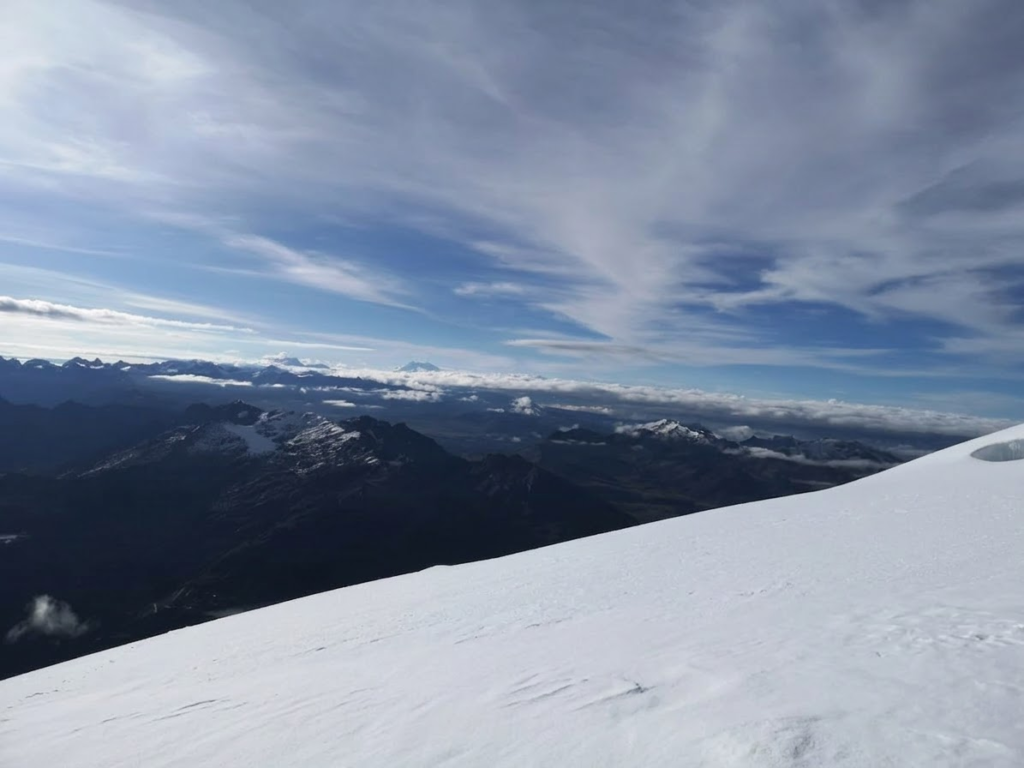
Approaching Cerro Huayna Potosí, the mountain looms as a majestic ice pyramid visible from La Paz, its glacier-clad summit piercing the sky. The stark contrast between the rugged, snow-covered slopes and the vibrant city below sets the stage for a profound encounter with Andean wilderness. As you ascend through rocky moraines and onto the glacier, the air thins and the landscape transforms into a pristine alpine realm. The final summit ridge demands focus and endurance, rewarding climbers with panoramic views of the Cordillera Real, Lake Titicaca, and the vast Altiplano. The emotional surge of standing atop this 6,088-meter peak, surrounded by endless peaks and sky, is a powerful reminder of nature’s grandeur and human resilience.
Geological Background of Cerro Huayna Potosí
Cerro Huayna Potosí is a stratovolcano forming part of Bolivia’s Cordillera Real, a prominent subrange of the Andes. Though currently dormant, its imposing ice-covered summit reflects a complex geological history shaped by tectonic uplift and volcanic activity. The mountain’s formation involved successive lava flows and pyroclastic deposits, creating steep slopes interspersed with glacial sculpting. The summit hosts a glacier system characterized by crevasses and icefalls, remnants of past climatic fluctuations. Volcanic minerals and rock types found here include andesite and dacite, typical of stratovolcanoes. Fumaroles and sulfur deposits are absent due to dormancy, but the mountain’s rugged morphology and glacial features offer a vivid record of volcanic and glacial interplay in the high Andes.
Terrain and Hiking Experience on Huayna Potosí
The trek up Huayna Potosí is a demanding high-altitude climb that combines glacier travel, steep snow slopes, and rocky terrain. Starting from the base camp at approximately 4,700 meters, climbers face a gradual ascent through moraine fields and alpine scree, requiring surefootedness and stamina. The terrain quickly transitions to snow and ice as the route approaches the glacier, where crampons and ice axes become essential. Glacier travel involves navigating crevasse zones, demanding careful route-finding and basic glacier skills. The final summit ridge is steep, with slopes reaching 45 to 50 degrees, requiring climbers to use technical equipment and maintain concentration under exposure. Weather conditions can change rapidly, with strong winds and temperature drops common. The thin air at altitude intensifies physical exertion, making acclimatization crucial. Despite the challenges, the trail is well-established and supported by experienced guides, making it accessible to climbers with basic mountaineering skills. The combination of varied terrain, glacier navigation, and high-altitude environment creates a memorable and rewarding climbing experience.
What Makes the Huayna Potosí Trek Unique
Huayna Potosí stands out as one of the most accessible 6000-meter peaks globally, offering a rare opportunity to experience high-altitude glacier climbing within a short distance from a major city. Its proximity to La Paz allows climbers to acclimatize gradually and access the mountain with relative ease. The trek’s unique blend of technical glacier travel and breathtaking Andean panoramas sets it apart. Climbers witness the interplay of volcanic geology and glacial sculpting firsthand, traversing crevassed ice fields and steep snow slopes. The summit rewards adventurers with sweeping views of the Cordillera Real, Lake Titicaca, and the Altiplano, creating a dramatic and inspiring alpine setting. The mountain’s cultural significance, reflected in its Aymara name meaning “Young Mountain,” adds depth to the climbing experience, connecting visitors to Bolivia’s indigenous heritage.
Summit Experience on Cerro Huayna Potosí
Reaching the summit of Huayna Potosí is a moment of triumph and awe. Climbers emerge from the final steep ridge onto the 6,088-meter peak, greeted by crisp, thin air and expansive views. The panorama includes the jagged peaks of the Cordillera Real, the shimmering expanse of Lake Titicaca, and the vast Bolivian Altiplano stretching to the horizon. The summit’s icy surface reflects the sun’s rays, while the cold wind carries the silence of the high Andes. The sense of isolation and achievement is profound, heightened by the knowledge of the physical and mental effort required to reach this altitude. The summit experience is both humbling and exhilarating, a pinnacle moment in any mountaineer’s journey.
Best Time to Trek Huayna Potosí
The optimal climbing season for Huayna Potosí is during the dry months from May to September. During this period, weather conditions are more stable, with clear skies, lower precipitation, and firmer snow and ice on the glacier, reducing avalanche risk. Temperatures can drop to -20°C, especially at night and on summit day, so proper cold-weather gear is essential. The wet season, from December to March, brings heavy rains and snow, making the route dangerous and often impassable. Shoulder months like April and October may offer decent conditions but with increased weather variability. Climbers should always check local forecasts and consult with guides to plan their ascent safely.
Routes and Trail Options on Huayna Potosí
The standard and most popular route to Huayna Potosí’s summit begins at the Zongo Pass trailhead, accessible by a 1.5 to 2-hour drive from La Paz. The classic ascent follows a three-day itinerary: Day 1 involves transfer to base camp at 4,700 meters and glacier skills training on nearby ice. Day 2 is a 2-3 hour trek from base camp to high camp at approximately 5,130 meters, crossing rocky moraines and snow slopes. Day 3 starts with an alpine start around 1-2 a.m. for the summit push, involving glacier travel, steep snow slopes, and a final exposed ridge. Alternative routes include the Southeast Ridge and South Face, which are more technical and suited for experienced climbers. Guided expeditions provide all necessary equipment and support, with options for 2-day climbs for well-acclimatized climbers. The route is well-marked but requires glacier travel proficiency and acclimatization to altitude.
Difficulty Assessment of the Huayna Potosí Climb
Huayna Potosí is classified as a demanding climb due to its high altitude, glacier terrain, and physical exertion required. While technically the normal route is considered non-technical (PD+ grade), it involves steep snow slopes up to 50 degrees, glacier navigation, and exposure on the summit ridge. The altitude of 6,088 meters significantly increases the challenge, with risks of altitude sickness and reduced oxygen levels. Climbers need good physical fitness, endurance, and basic mountaineering skills including crampon and ice axe use. The climb is suitable for beginners with proper acclimatization and guided support but should never be underestimated. It is not a casual hike but an alpine ascent requiring preparation, mental resilience, and respect for mountain conditions.
Essential Gear for Climbing Huayna Potosí
Climbing Huayna Potosí requires specialized high-altitude mountaineering gear. Essential items include insulated double mountaineering boots compatible with crampons, crampons, ice axe, helmet, harness, and climbing ropes. Layered thermal clothing is necessary to manage cold temperatures, including base layers, insulating mid-layers, and waterproof outer shells. UV 400 sunglasses and sunscreen protect against intense solar radiation at altitude. Gloves, balaclava, and headlamp are critical for summit day’s early start and cold conditions. A 40-50 liter backpack carries personal items and extra layers. Trekking poles can aid balance on rocky and icy terrain. Most guiding companies provide technical equipment rentals, but climbers should bring personal essentials such as hydration systems, snacks, and altitude medication if needed.
Safety and Volcanic Hazards on Huayna Potosí
Though Huayna Potosí is dormant and poses no volcanic hazards, the climb presents significant alpine risks. Altitude sickness is the primary concern, with symptoms ranging from headaches and nausea to life-threatening pulmonary or cerebral edema. Proper acclimatization and hydration are essential. The glacier terrain includes crevasses and unstable snow bridges, requiring vigilance and use of safety equipment. Steep snow slopes and exposed ridges increase the risk of falls and avalanches, especially in poor weather. Sudden weather changes can bring high winds, low visibility, and extreme cold. Climbers should heed local weather forecasts and follow guides’ instructions. Rescue services exist but are limited by altitude and terrain. Preparation, experience, and respect for mountain conditions are vital for safety.
Permits, Guides, and Logistics for Climbing Huayna Potosí
Climbing Huayna Potosí requires permits and is best undertaken with certified guides due to the technical glacier terrain and altitude risks. Permits are typically arranged by tour operators and include park entry fees and climbing authorization. The cost for a guided 3-day climb ranges from approximately 850 to 1,000 Bolivianos (about $120-$140 USD), covering transport, accommodation at base and high camps, equipment rental, meals, and guide services. Several reputable operators offer expeditions, including Huayna Potosí Tours & Travel Agency, All Transport Tour Operator, Magri Tour Operator, Beyoutiful Travel Bolivia, and Bolivia Adventure. These companies provide technical gear such as crampons, ice axes, helmets, and boots, along with glacier training sessions. Logistics involve a 1.5 to 2-hour drive from La Paz to the Zongo Pass trailhead, followed by acclimatization hikes and glacier practice on day one. Climbers carry their gear from base to high camp, though porter services are available for an additional fee. Early summit starts around 1-2 a.m. maximize weather windows and safety. Booking in person in La Paz often yields better prices than online. Climbers must sign waivers acknowledging the risks, and travel insurance covering high-altitude mountaineering is strongly recommended.
Where to Stay Near Huayna Potosí
Accommodation options for Huayna Potosí climbers center around La Paz and the mountain’s base camp. La Paz, situated at 3,650 meters, offers a wide range of hotels, hostels, and guesthouses catering to all budgets. Popular choices include Hotel Rosario La Paz and Casa Grande Boutique Hotel, both providing comfortable stays with easy access to tour operator offices. Staying in La Paz for several days is essential for acclimatization. The base camp at Zongo Pass (~4,700 m) features a simple mountain refuge with dormitory-style bunks, basic facilities, and no showers but toilets. This refuge is the starting point for glacier training and the climb. High camp shelters at approximately 5,130 meters provide basic overnight accommodation during the ascent. Climbers should prepare for rustic conditions at camps. For those seeking more comfort, some lodges and guesthouses in nearby villages offer meals and warm shelter. Booking through tour operators often includes transfers and accommodation arrangements. Staying near the trailhead reduces travel time and allows for early starts critical to summit success.