
Mount Wuyi Volcano Trekking Guide: Exploring Fujian’s UNESCO World Heritage Stratovolcano
Discover the unique experience of trekking Mount Wuyi, a dormant stratovolcano in Fujian Province, China. This comprehensive guide covers geological insights, diverse hiking routes, cultural heritage, and practical logistics for exploring this UNESCO World Heritage site.
Quick Volcano Snapshot
| Attribute | Value |
|---|---|
| Volcano type | Stratovolcano |
| Elevation | 410 meters |
| Location | Fujian Province, China |
| Activity status | Dormant |
| Trekking difficulty | Moderate |
| Typical trek duration | 2 to 3 days |
| Altitude gain | Approximately 400 meters |
| Terrain type | Danxia landform, stone steps, forest trails, river valleys |
| Best season | Year-round, with seasonal variations |
| Temperature range | Mild subtropical climate |
| Permit requirement | Entry ticket required; permits managed by park authorities |
The Experience of Hiking Mount Wuyi
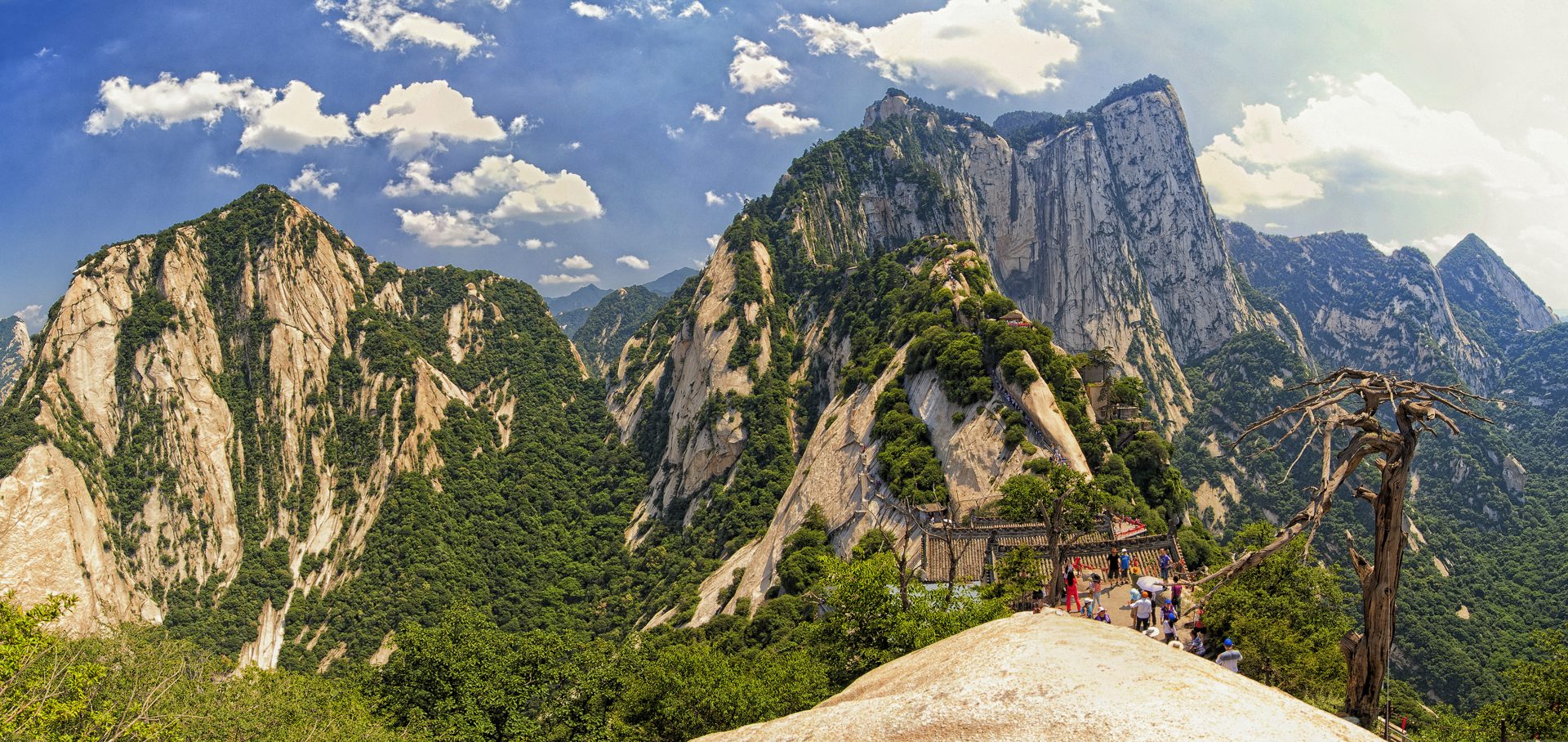
Approaching Mount Wuyi, hikers are greeted by a breathtaking landscape where scarlet Danxia rock formations rise dramatically above lush green forests and winding rivers. The air carries the subtle aroma of tea plantations that blanket the valleys, blending nature’s raw power with centuries of cultural heritage. Trekking here is a journey through time and terrain, where each step reveals mist-shrouded peaks, ancient temples, and the serene flow of the Nine-Bend Stream. The contrast between the rugged volcanic rock and the vibrant biodiversity creates a sensory feast. Reaching the summit of Tianyou Peak offers a panoramic vista of this mystical land, evoking a profound connection to the Earth’s geological forces and human history.
Geological Background of Mount Wuyi
Mount Wuyi is a classic stratovolcano formed through successive eruptions that layered lava and volcanic ash over millions of years. Its distinctive Danxia landform features steep red sandstone cliffs sculpted by erosion, creating unique rock formations and deep canyons. Although currently dormant, the volcano’s geological history is marked by ancient lava flows and mineral deposits that have shaped the region’s topography. The volcanic soil supports rich biodiversity and tea cultivation, notably the famous Dahongpao tea. Fumaroles and steam vents are rare here, but the mountain’s volcanic origins remain evident in its rugged terrain and mineral-rich rocks. This geological heritage underpins the mountain’s designation as a UNESCO World Heritage site, combining natural beauty with scientific significance.
Terrain and Hiking Experience on Mount Wuyi
Hiking Mount Wuyi offers a varied terrain that challenges and delights trekkers of moderate ability. The trails wind through dense subtropical forests, over weathered volcanic rock, and along steep stone staircases carved into the mountain. The ascent to Tianyou Peak, the highest point at 410 meters, involves climbing over 800 stone steps, demanding good fitness and steady footing. Along the way, hikers navigate narrow ridges and cliffside paths that offer dramatic views but require caution due to exposure. The terrain includes loose scree and compacted volcanic ash, which can be slippery after rain. Bamboo raft rides along the Nine-Bend Stream provide a contrasting gentle experience, floating past towering peaks and unusual rock formations. Temperature and humidity can vary, with cooler breezes near the summit and warmer, humid conditions in the valleys. The trail signage is generally clear, and shuttle buses connect core scenic areas, but hikers should prepare for uneven surfaces and occasional steep sections. Wildlife is abundant, and the rich flora includes ancient trees and endemic species, enhancing the trekking experience with natural diversity. Overall, the hike combines physical challenge with immersive natural and cultural encounters, making it a rewarding adventure.
What Makes the Mount Wuyi Trek Unique
Mount Wuyi stands out for its fusion of geological grandeur and deep cultural heritage. Its Danxia landform, with vivid red cliffs and intricate rock shapes, is a rare geological phenomenon. The mountain is also a cradle of three major Chinese religions—Confucianism, Taoism, and Buddhism—evident in the numerous temples and ancient academies scattered across the landscape. The presence of the world-famous Dahongpao tea plantations adds a sensory dimension, with fragrant tea gardens nestled among the volcanic terrain. The bamboo rafting experience on the Nine-Bend Stream offers a serene perspective of the towering peaks and lush forests. Seasonal mists and cloud formations create an ethereal atmosphere, especially from the summit of Tianyou Peak, often described as a ‘tour of heaven.’ This blend of natural beauty, spiritual significance, and cultural richness makes the Mount Wuyi trek a uniquely holistic adventure.
Summit and Crater Experience at Mount Wuyi
Reaching the summit of Tianyou Peak, hikers are rewarded with sweeping views of the Wuyi Mountains’ dramatic landscape. The summit, at 410 meters, is not a volcanic crater but a prominent peak offering a commanding vantage point over the winding Nine-Bend Stream and the surrounding Danxia cliffs. The air is crisp and often filled with swirling mist, enhancing the mystical ambiance. From here, the interplay of light and shadow on the red sandstone formations creates a painterly scene. The summit area features the Bird’s Eye View Pavilion, a perfect spot to absorb the panorama and reflect on the mountain’s geological and cultural stories. While there is no active volcanic crater to explore, the summit’s natural beauty and spiritual aura provide a profound sense of accomplishment and connection to this ancient volcanic landscape.
Best Time to Trek Mount Wuyi
Mount Wuyi’s subtropical climate allows for year-round trekking, but the best times to visit are spring (March to May) and autumn (September to November). During these seasons, temperatures are mild, and rainfall is lower, providing comfortable hiking conditions and clearer views. Summer months can be hot and humid, with occasional heavy rains that make trails slippery and bamboo rafting less enjoyable. Winter is cooler and less crowded but may bring fog and reduced visibility. Early morning hikes are recommended to catch the mystical sea of clouds often enveloping the peaks, especially around Tianyou Peak. Visitors should check local weather and park advisories, as occasional maintenance or conservation efforts may affect trail access. Overall, planning a trek during the shoulder seasons maximizes both safety and scenic beauty.
Trekking Routes and Trail Options on Mount Wuyi
Mount Wuyi offers several well-marked trekking routes catering to different interests and fitness levels. The most popular route is the ascent to Tianyou Peak, starting from the ticket entrance near the scenic area. This trail takes approximately 2 to 3 hours and involves climbing around 848 stone steps to the summit, with options for a ‘Brave Path’ featuring steeper climbs or a ‘Leisurely Path’ with gentler slopes. From Tianyou Peak, hikers can continue to Taoyuan Cave, a scenic spot with waterfalls and caves, then descend along the Nine-Bend Stream to Xingcun Village. Here, visitors can take a bamboo raft ride downstream to Wuyi Palace, combining hiking with river exploration. Another notable route is the hike from Huxiao Rock to Yixiantian (One-Line-Sky), a 2 to 3-hour trail known for its dramatic narrow valley and red sandstone cliffs. This route is less strenuous and suitable for moderate hikers. Shuttle buses operate between core scenic areas, allowing flexible combinations of trails. Guided tours are widely available and recommended for first-time visitors to enhance understanding of the cultural and natural significance. Self-guided hikers should prepare with maps and follow signage carefully to navigate the extensive network of paths within the 1000 square kilometer Wuyi Mountain range.
Difficulty Assessment of Mount Wuyi Trek
Mount Wuyi is classified as a moderate volcano trek, suitable for hikers with a reasonable level of fitness. The main challenges include steep stone staircases, particularly on the ascent to Tianyou Peak, and uneven terrain with loose volcanic rock and scree. Altitude is relatively low at 410 meters, so altitude sickness is not a concern. The trails require good balance and stamina, especially on exposed ridges and cliffside paths. Technical climbing skills are not necessary, but trekking poles and sturdy footwear are recommended. The subtropical climate can add difficulty due to heat and humidity in summer months. Overall, the trek is accessible to most hikers who are prepared for moderate physical exertion and have appropriate gear.
Essential Volcano Trekking Gear for Mount Wuyi
For trekking Mount Wuyi, essential gear includes sturdy hiking boots with good grip to handle stone steps and slippery volcanic rock. Trekking poles are highly recommended to aid balance on steep ascents and descents. Lightweight, breathable clothing suitable for subtropical climates will help manage humidity and temperature changes. A windproof and waterproof jacket is advisable due to occasional rain and cooler summit breezes. Sun protection such as a wide-brimmed hat, sunglasses, and high-SPF sunscreen is important since shade is limited on exposed sections. Carry sufficient water and snacks to stay hydrated and energized during the hike. A headlamp is useful for early morning starts or late returns. While volcanic gases are minimal due to dormancy, a basic face mask can be helpful if dust or pollen levels are high. Finally, a small first aid kit and a map or GPS device will enhance safety and navigation.
Safety and Volcanic Hazards on Mount Wuyi
Mount Wuyi is a dormant volcano with no recent eruptive activity, so volcanic hazards such as lava flows or gas emissions are minimal. However, hikers should remain cautious of natural risks including steep and slippery stone steps, loose scree, and exposed cliff edges that pose fall hazards. Sudden weather changes, especially fog and rain, can reduce visibility and trail safety. The park authorities maintain regular monitoring and patrols to ensure visitor safety and environmental protection. It is important to follow marked trails, heed warning signs, and avoid restricted areas. Carrying a mobile phone and informing others of your itinerary enhances emergency preparedness. While volcanic gases are not a concern here, the subtropical environment may harbor insects and wildlife; appropriate precautions should be taken. Overall, adherence to park regulations and careful preparation will ensure a safe and enjoyable trekking experience.
Permits, Guides, and Logistics for Mount Wuyi Trekking
Access to Mount Wuyi requires purchasing an entry ticket from the Wuyi Mountain Scenic Area management, with options ranging from one-day to annual passes. Tickets can be bought online or at park entrances, with prices varying by duration. No special permits beyond the entry ticket are required for hiking, but certain cultural sites within the park may have separate fees. Guided tours are widely available and recommended to enrich the trekking experience with expert knowledge of the geology, flora, fauna, and cultural heritage. Reputable tour operators include China Discovery, Asia Odyssey Travel, Lead to China, Tour Beijing, and Tulou Travel, all offering customizable packages ranging from day hikes to multi-day cultural tours. These operators provide services such as airport pickups, accommodation bookings, and bilingual guides. The park is well-organized with shuttle buses connecting major scenic spots, facilitating flexible itinerary planning. Visitors should plan logistics carefully, considering transportation options to Wuyishan City via train or air, and local transfers to trailheads. Booking tours in advance is advisable during peak seasons to secure availability. Overall, the combination of straightforward permit processes and professional guiding services makes Mount Wuyi an accessible and well-supported trekking destination.
Where to Stay Near Mount Wuyi
Accommodation options near Mount Wuyi cater to a range of preferences and budgets, all conveniently located within a short distance of the park entrances and trailheads. The Wuyishan Dahongpao Hotel is a popular 5-star choice offering luxurious rooms with panoramic mountain views, modern amenities, and proximity to key attractions such as the Impression Dahongpao Theater and Wuyi Palace. For travelers seeking comfort with a resort atmosphere, the Millennium Resort Wuyishan provides elegant rooms, villas, an Olympic-sized outdoor pool, fitness facilities, and easy access to Wuyishan Airport and railway station, approximately 9 to 13 kilometers away. Mid-range and budget travelers can find numerous guesthouses and inns in Wuyishan City and Ancient Street areas, including the Wuyishan Ancient Street No.3 Tea Inn and Yun Feng Inn, which offer cozy accommodations with local character. Many lodgings provide shuttle services to the park and arrange guided tours. The proximity of these accommodations to the park’s core scenic areas allows for early starts and relaxed returns after hiking. Visitors are advised to book in advance during peak seasons to ensure availability and to select lodging that matches their itinerary and comfort needs.