
Mount Erebus Volcano Trekking Guide: Antarctica’s Fiery Summit of Ice and Lava
Mount Erebus, the southernmost active volcano on Earth, offers a rare and extreme trekking experience combining Antarctica’s icy wilderness with a persistent lava lake inside its summit crater. This guide covers its geology, challenging terrain, unique volcanic features, and essential expedition logistics.
Quick Volcano Snapshot
| Attribute | Value |
|---|---|
| Volcano type | Stratovolcano |
| Elevation | 3,792 meters (12,441 feet) |
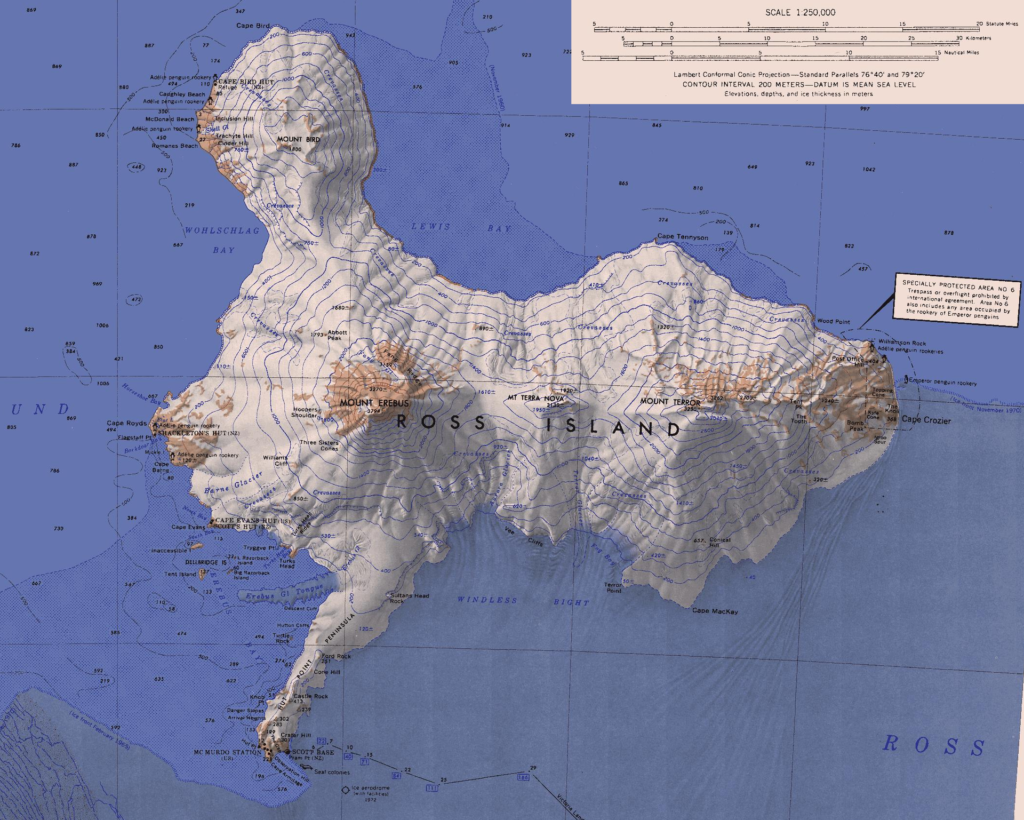
| Location | Ross Island, Antarctica |
| Activity status | Active |
| Trekking difficulty | Technical mountaineering |
| Typical trek duration | Variable, multi-day expeditions |
| Altitude gain | Approx. 1,200 meters from base camps |
| Terrain type | Glaciated slopes, volcanic rock, ice fumaroles |
| Best season | Antarctic summer (November to February) |
| Temperature range | -20°C to -50°C (-4°F to -58°F) |
| Permit requirement | Strict permits required for scientific and authorized expeditions |
The Experience of Hiking Mount Erebus
Approaching Mount Erebus is stepping into a realm where fire and ice collide in stark contrast. The vast Antarctic white expanse surrounds this towering stratovolcano, its summit crowned by a glowing lava lake visible through the summit crater. The trek challenges adventurers with extreme cold, fierce winds, and rugged terrain, yet rewards them with a profound sense of standing at the edge of Earth’s molten heart beneath a frozen sky. The silence of Antarctica is punctuated by the distant rumble of Strombolian eruptions, and the surreal sight of steam rising from ice fumaroles creates an otherworldly atmosphere. Reaching the crater rim is an emotional climax, where the raw power of persistent volcanic activity meets the harsh beauty of the polar environment.

Geological Background of Mount Erebus
Mount Erebus is a polygenetic stratovolcano located on Ross Island, Antarctica, and is the southernmost active volcano on Earth. It formed over 1.3 million years ago as part of the Erebus hotspot, which causes magma to rise through the Earth’s thinned crust in the West Antarctic Rift System. The volcano’s lower half is a broad shield formed by relatively fluid basanite lava flows, while the upper half is a steep stratocone composed mainly of tephritic phonolite lava flows. Its summit caldera, formed by a massive explosive eruption, hosts a persistent convecting phonolitic lava lake, one of only five long-lasting lava lakes worldwide. This lava lake has been continuously active since at least the early 1970s, producing frequent Strombolian eruptions that eject magma and volcanic bombs. The volcano’s unique geology includes anorthoclase-porphyritic lava and extensive ice fumaroles sculpted by volcanic steam interacting with the Antarctic cold. Scientific study of Erebus is facilitated by its proximity to research stations on Ross Island, making it a key site for volcanological research.
Terrain and Hiking Experience on Mount Erebus
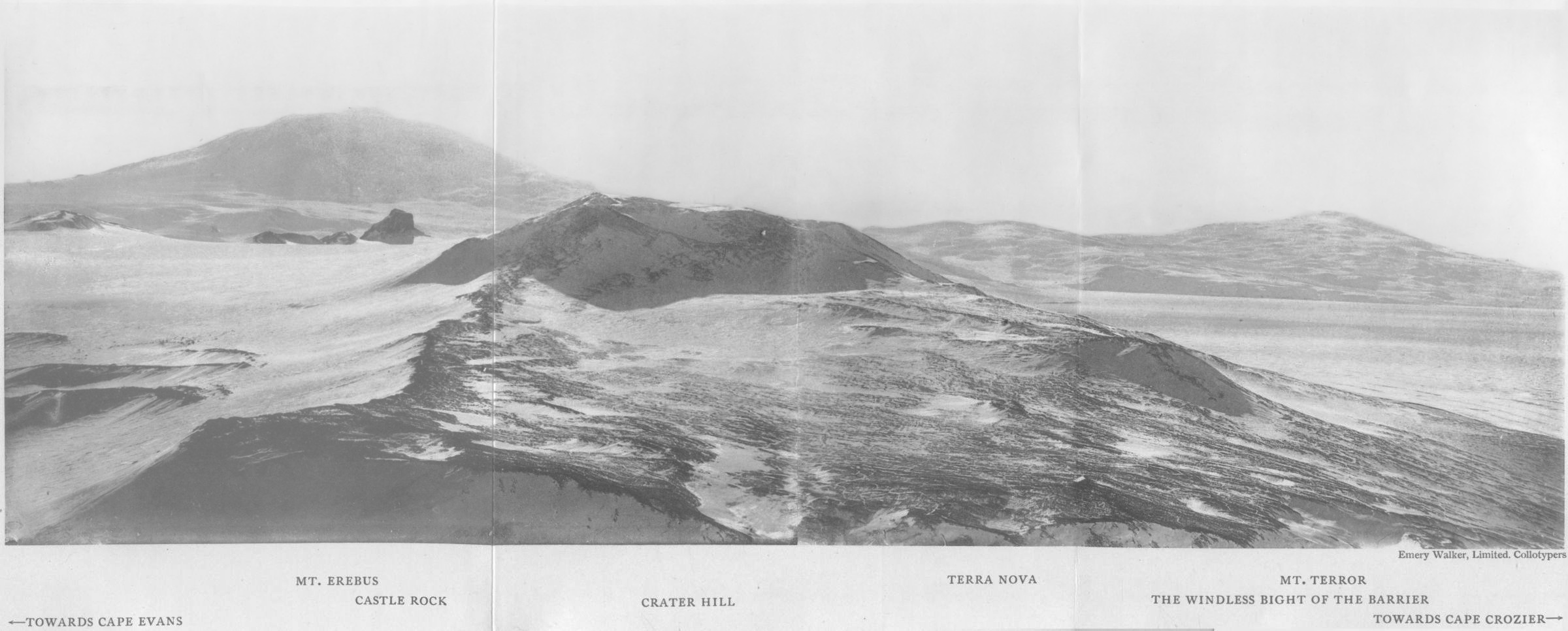
Trekking Mount Erebus is an expedition into one of the most extreme and remote volcanic environments on Earth. The terrain is a complex mix of glaciated slopes, volcanic rock, and ice formations shaped by persistent volcanic activity. Climbers typically begin their ascent from coastal base camps on Ross Island, progressing through a landscape dominated by snowfields, crevassed glaciers, and steep lava flow ridges. The lower slopes are covered with hardened basaltic lava and volcanic ash, transitioning to steeper phonolite lava flows with large flow levees near the summit. The ascent involves technical mountaineering skills, including glacier travel with crevasse navigation, ice climbing, and negotiating unstable volcanic scree and loose rock. Weather conditions are harsh, with temperatures ranging from -20°C to -50°C, strong katabatic winds, and sudden storms that can drastically reduce visibility and increase risk. Altitude effects are significant at nearly 3,800 meters, requiring acclimatization and physical fitness. The summit plateau is a caldera rim with exposed volcanic rock and ice fumaroles emitting steam and sulfurous gases. The inner crater contains the active lava lake, visible through vents, where frequent Strombolian eruptions send incandescent bombs into the air. The combination of technical climbing, extreme cold, and volcanic hazards makes this trek suitable only for experienced mountaineers with specialized equipment. Despite the challenges, the surreal landscape of fire beneath ice, the eerie glow of the lava lake, and the vast Antarctic wilderness create an unforgettable hiking experience.
What Makes the Mount Erebus Trek Unique
Mount Erebus stands apart as the world’s southernmost active volcano and one of the few with a persistent lava lake inside its summit crater. This rare geological feature offers a spectacular glimpse into Earth’s molten interior beneath a frozen polar environment. The juxtaposition of fiery lava and icy glaciers creates a surreal landscape unlike any other volcano trek. The volcano’s continuous Strombolian activity provides dynamic volcanic displays, with glowing magma, eruptive bursts, and steaming fumaroles sculpting ice towers around the crater rim. Its location on Ross Island places it within the pristine Antarctic wilderness, accessible only to authorized scientific expeditions and highly skilled mountaineers. The extreme cold, isolation, and technical climbing requirements add to the sense of adventure and exclusivity. Additionally, the volcano’s long history of eruptions and its role in Antarctic research make it a site of significant scientific interest. This combination of active volcanism, polar environment, and logistical challenge makes Mount Erebus a truly unique and coveted destination for volcano enthusiasts and extreme adventurers.
The Summit and Crater Experience on Mount Erebus
Reaching the summit of Mount Erebus is a profound encounter with the raw forces of nature. The summit caldera is a broad plateau rimmed by steep volcanic walls, where the air is thin and temperatures plunge far below freezing. Here, the inner crater reveals a mesmerizing lava lake, a roiling pool of molten phonolite magma glowing with intense heat exceeding 1,000°C. The lake’s surface constantly churns, sending up plumes of steam and volcanic gases that smell sharply of sulfur. Occasional Strombolian eruptions hurl incandescent volcanic bombs and ash into the cold Antarctic air, creating a dramatic spectacle of fire against ice. The sound of escaping gases and distant explosions echoes eerily across the crater. Surrounding the crater rim, ice fumaroles form towering, fragile ice sculptures shaped by volcanic steam. The panoramic views extend over the vast Antarctic ice sheet and the surrounding dormant volcanoes of Ross Island. This surreal scene of fire and ice, combined with the isolation and extreme environment, creates an unforgettable summit experience that few on Earth have witnessed firsthand.

Best Time to Trek Mount Erebus
The only feasible time to attempt a Mount Erebus expedition is during the Antarctic summer, from November to February. During these months, temperatures are relatively milder, ranging from about -20°C to -5°C, and the region experiences nearly 24 hours of daylight, facilitating continuous climbing operations. Weather conditions are less severe compared to the Antarctic winter, though sudden storms and high winds remain a constant hazard. Access to Ross Island and the volcano is limited to this season due to sea ice conditions and logistical constraints. Scientific research stations such as McMurdo and Scott Base operate during this period, providing essential support for expeditions. Outside the summer window, extreme cold, darkness, and inaccessible terrain make climbing impossible. Climbers must also consider volcanic activity monitoring and any temporary restrictions imposed by research authorities. Planning well in advance and aligning with authorized programs is essential to ensure safe and successful access during the brief Antarctic summer.
Routes and Trail Options for Mount Erebus
Mount Erebus is not a typical tourist volcano with marked trails; instead, it requires carefully planned technical mountaineering routes supported by scientific or specialized expedition teams. The most common approach begins from coastal base camps on Ross Island, often near Cape Royds or McMurdo Station, approximately 35 kilometers from the summit. Climbers establish intermediate camps on the lower slopes, such as Fang Ridge, an eroded remnant of an early Erebus volcano, which serves as a staging area for summit attempts. The ascent route involves glacier travel with crevasse navigation, steep snow and ice slopes, and scrambling over volcanic rock and scree. The final approach to the summit caldera requires negotiating steep lava flow levees and ice fumaroles. Due to the extreme environment and technical challenges, all routes demand the use of crampons, ropes, and ice axes. There are no commercial guided tours available to the general public; access is restricted to scientific expeditions and authorized climbers with specialized support. The route conditions vary with weather and volcanic activity, requiring flexibility and expert knowledge. Self-guided attempts are not feasible due to the logistical complexity and safety risks.
Difficulty Assessment of Mount Erebus Trek
Mount Erebus is classified as a technical mountaineering expedition requiring advanced skills and physical fitness. The climb involves glacier travel with crevasse hazards, steep ice and snow slopes, and scrambling over unstable volcanic rock. Altitude near 3,800 meters adds moderate altitude stress, necessitating acclimatization. Climbers must be proficient in the use of technical gear such as crampons, ice axes, and rope systems. The extreme cold, high winds, and unpredictable weather increase the challenge, demanding robust cold-weather gear and survival skills. Volcanic hazards including gas emissions, loose rockfall, and occasional eruptive activity require constant vigilance and adherence to safety protocols. This trek is unsuitable for beginners or casual hikers and is reserved for experienced mountaineers with prior polar or volcanic expedition experience. The logistical complexity and restricted access further elevate the difficulty, making Mount Erebus one of the most demanding volcano climbs on Earth.
Essential Gear for Mount Erebus Volcano Trek
Successful ascent of Mount Erebus requires specialized mountaineering and cold-weather equipment. Essential gear includes insulated, waterproof mountaineering boots compatible with crampons, and high-quality crampons for ice and snow traction. Ice axes and climbing harnesses with ropes are mandatory for glacier travel and steep sections. Layered cold-weather clothing with windproof and breathable outer shells protects against extreme Antarctic temperatures and fierce winds. Thermal gloves, balaclavas, and face masks guard against frostbite. A gas mask or respirator is recommended to protect against volcanic gases near fumaroles and the crater. Headlamps are essential for early starts or low-light conditions. Hydration systems must prevent freezing, and high-calorie nutrition is critical for energy in the cold. GPS devices, satellite communication, and emergency beacons are vital for navigation and safety in this remote environment. Additionally, specialized expedition tents and sleeping bags rated for polar conditions are required for base and high camps. All gear must be rigorously tested for durability and performance in extreme cold and volcanic terrain.
Safety and Volcanic Hazards on Mount Erebus
Mount Erebus presents unique safety challenges due to its active volcanic nature and extreme Antarctic environment. Volcanic hazards include exposure to toxic gases such as sulfur dioxide emitted from fumaroles and the lava lake, which can cause respiratory irritation or worse without proper protection. The summit crater edges are unstable and prone to collapse, requiring caution near rims. Frequent Strombolian eruptions eject volcanic bombs and ash, posing risks to climbers in the crater vicinity. Loose volcanic scree and rockfall hazards increase the danger on steep slopes. Sudden weather changes can bring whiteout conditions, extreme cold, and high winds, complicating navigation and increasing hypothermia risk. Crevasses hidden by snowfields pose serious glacier travel hazards. Safety protocols include continuous volcanic activity monitoring by the Mount Erebus Volcano Observatory, strict adherence to expedition guidelines, use of gas masks near fumaroles, and climbing only with experienced guides or scientific teams. Emergency evacuation options are limited, emphasizing the need for thorough preparation and risk management.
Permits, Guides, and Logistics for Mount Erebus Expeditions
Access to Mount Erebus is highly restricted and controlled due to its location within Antarctica’s protected environment and the presence of scientific research stations. Permits are required from national Antarctic programs, typically granted only to scientific researchers or authorized expedition members. The general public cannot obtain permits for recreational climbing. Logistics are complex and costly, involving coordination with research bases such as McMurdo Station (U.S.) and Scott Base (New Zealand), located approximately 35 kilometers from the volcano. These stations provide essential support including transportation via ski-equipped aircraft to seasonal airfields like Phoenix Airfield. Expeditions must arrange specialized cold-weather gear, technical climbing equipment, and survival supplies. There are no commercial tour operators offering public climbs; all expeditions are organized through government or scientific programs. Climbers must undergo rigorous training and health screening. Environmental regulations mandate strict waste management and minimal impact practices. Due to the extreme environment, emergency medical facilities are limited, requiring self-sufficiency and detailed contingency planning. The absence of tourism infrastructure means all accommodations are expedition tents or research station facilities, with no commercial lodging near the volcano. Overall, climbing Mount Erebus demands meticulous planning, official authorization, and collaboration with Antarctic research authorities.
Where to Stay and Nearby Bases for Mount Erebus Expeditions
Mount Erebus is situated on Ross Island, Antarctica, where permanent human habitation is limited to scientific research stations rather than conventional accommodations. The primary nearby bases are McMurdo Station (operated by the United States) and Scott Base (operated by New Zealand), both located approximately 35 kilometers from the volcano. These stations serve as logistical hubs for Antarctic expeditions and provide essential facilities such as heated dormitories, dining halls, medical clinics, and communication centers. Access to these bases is strictly controlled and limited to personnel involved in scientific research or authorized support roles. There are no commercial hotels, lodges, or guesthouses on Ross Island or in the vicinity of Mount Erebus. Expedition teams typically establish temporary field camps on the volcano’s lower slopes, using specialized polar tents designed for extreme cold and high winds. These camps serve as staging points for acclimatization and summit attempts. Due to the absence of tourism infrastructure, all accommodations require self-sufficiency, with careful planning for food, fuel, and waste management. Visitors must coordinate closely with research station authorities for transport, permits, and support services. The remote and harsh environment demands thorough preparation and respect for Antarctic environmental protocols.