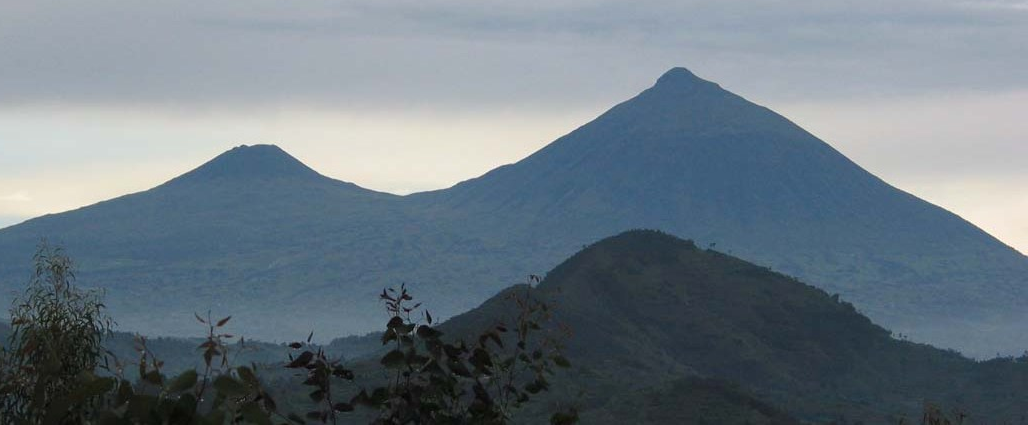


Mount Batilamu Volcano Trekking Guide: Exploring Fiji’s Majestic Stratovolcano and Rainforest Trails
Discover the adventure of trekking Mount Batilamu, Fiji’s extinct stratovolcano nestled in Koroyanitu Heritage Park. This comprehensive guide covers the geology, terrain, routes, permits, accommodations, and safety tips for an unforgettable volcano hiking experience.
Quick Volcano Snapshot
| Attribute | Value |
|---|---|
| Volcano type | Stratovolcano |
| Elevation | 1,111 meters (3,645 feet) |
| Location | Viti Levu, Fiji |
| Activity status | Extinct |
| Trekking difficulty | Moderate |
| Typical trek duration | 4-6 hours (one way to summit) |
| Altitude gain | Approximately 1,100 meters |
| Terrain type | Rainforest trails, steep ascents, rocky ridges, waterfall paths |
| Best season | Dry season (May to October) |
| Temperature range | 18°C to 28°C (64°F to 82°F) |
| Permit requirement | Park entry fee (FJD $20-30), guide recommended |
Introduction: The Experience of Hiking Mount Batilamu
Approaching Mount Batilamu, the landscape shifts dramatically from lush tropical lowlands to dense rainforest clinging to steep volcanic slopes. The air is thick with the scent of earth and foliage, punctuated by the distant roar of waterfalls cascading down rocky cliffs. As you ascend, the trail reveals the mountain’s raw geological power, with rugged ridges and panoramic views opening over the Nadi valley and the Pacific beyond. The contrast between the vibrant greenery and the extinct volcanic peak creates a sense of awe and anticipation. Reaching the summit, the vastness of Fiji’s island chains unfolds beneath you, rewarding your effort with a breathtaking vista and a profound connection to the island’s volcanic origins.

The Volcano Itself: Geological Background
Mount Batilamu is a classic stratovolcano located on Fiji’s main island, Viti Levu, rising to 1,111 meters. Formed by successive layers of hardened lava, ash, and volcanic debris, this extinct volcano is part of the Sabeto Range within Koroyanitu Heritage Park. Its volcanic activity ceased thousands of years ago, leaving behind a rugged landscape shaped by erosion and tropical weathering. The mountain’s geology features volcanic minerals embedded in basaltic rock, with steep slopes carved by streams and waterfalls. Though no longer active, Mount Batilamu’s volcanic origins are evident in its steep ridges and rocky outcrops. The surrounding rainforest thrives on the fertile volcanic soil, creating a unique ecosystem that blends geological history with vibrant biodiversity.
The Volcano Trek: Terrain and Hiking Experience
Trekking Mount Batilamu offers a diverse and immersive hiking experience through tropical rainforest and volcanic terrain. The trail begins at Abaca Village’s visitor center, where hikers pay the park entry fee and can arrange guides. The initial sections wind through dense forest with rich undergrowth, shaded by towering native trees and alive with birdcalls. As the path ascends, the terrain becomes steeper and more challenging, featuring rocky switchbacks and uneven volcanic soil that demands careful footing. Hikers encounter sections of loose scree and exposed roots, requiring moderate agility and balance. The trail also passes several waterfalls and swimming holes, providing refreshing stops and scenic highlights. Near the summit, the vegetation thins, revealing panoramic views and rocky ridges that expose the mountain’s volcanic core. Weather can vary rapidly, with humidity and occasional rain adding to the challenge. The altitude gain of approximately 1,100 meters over 4 to 6 hours tests endurance but rewards with spectacular vistas. The trail is well-marked but can be overgrown in places due to infrequent use, so a guide is recommended for navigation and safety. Overall, the terrain combines steep ascents, lush rainforest, and volcanic rock formations, offering a rich sensory and physical adventure for hikers with moderate fitness.
What Makes This Volcano Trek Unique
Mount Batilamu stands out for its combination of volcanic geology and vibrant rainforest ecosystems. Unlike many volcanic treks dominated by barren lava fields, this hike immerses trekkers in lush tropical flora and fauna thriving on fertile volcanic soils. The presence of multiple waterfalls and natural swimming holes along the trails adds refreshing variety and scenic beauty. The summit offers sweeping views not only of the volcanic landscape but also of the surrounding Pacific Ocean and island chains, creating a dramatic juxtaposition of land and sea. Cultural immersion is another unique aspect, with opportunities to engage with local Fijian villages, enjoy traditional meals, and experience authentic hospitality. The rustic mountain lodges and camping spots provide an intimate connection to the natural environment, allowing hikers to witness stunning sunrises and sunsets from the peak. This blend of geology, biodiversity, culture, and panoramic vistas makes Mount Batilamu a distinctive and rewarding volcano trekking destination.

The Summit and Crater Experience
Reaching the summit of Mount Batilamu is a moment of triumph and awe. The peak, crowned with a small rustic lodge, offers a commanding 360-degree panorama of Fiji’s western landscapes. From here, hikers can gaze out over the lush valleys below, the shimmering Pacific Ocean, and distant island chains like the Mamanuca and Yasawa groups. The extinct volcanic crater itself is a subtle geological feature, overgrown with native vegetation but hinting at the mountain’s fiery past. The air at the summit is cooler and often breezy, carrying the fresh scents of rainforest and earth. The quiet is profound, broken only by birdcalls and the rustle of leaves. Watching the sunrise or sunset from this vantage point is a deeply moving experience, illuminating the rugged ridges and casting golden light over the tropical wilderness. The summit lodge provides basic shelter and a place to rest, enhancing the sense of accomplishment and connection to this majestic volcano.
Best Time to Trek Mount Batilamu
The optimal time to trek Mount Batilamu is during Fiji’s dry season, from May to October, when rainfall is minimal and trails are less slippery. During these months, temperatures range from 18°C to 28°C, providing comfortable conditions for hiking. Early mornings are ideal for starting the ascent to avoid midday heat and humidity, especially in the warmer months. The wet season, from November to April, brings heavy rains that can make trails muddy and more challenging, increasing the risk of slips and obscuring views. Seasonal weather changes also affect river crossings and waterfall flows, which can be spectacular but potentially hazardous. It is advisable to check local weather forecasts and park conditions before planning your trek. Guided tours often adjust schedules to avoid adverse weather and provide safety updates. Overall, the dry season offers the best balance of trail conditions, visibility, and comfort for an enjoyable volcano trekking experience.
Trekking Routes and Trail Options
Mount Batilamu offers several trekking routes catering to different interests and fitness levels. The primary route to the summit starts at the Abaca Village visitor center, where hikers pay the park entry fee and can arrange guides. This trail is approximately 4 to 6 hours one way, covering 10 to 12 kilometers with an elevation gain of about 1,100 meters. It is a steep, moderately challenging ascent through rainforest and volcanic terrain, culminating at the summit lodge. For those seeking shorter hikes, two waterfall trails—Tunutunu and Savu-i-One—offer 2 to 3 hour round trips with scenic swimming holes and lush surroundings, suitable for beginners or as warm-ups. Another option is a middle-distance circular hike that passes the swimming hole, big waterfall, grassy ridge, and pagoda, providing a varied landscape experience. Guided tours often combine these routes to create full-day adventures that include cultural visits to Abaca Village and traditional Fijian lunches. Self-guided hikers should prepare with maps and adequate supplies, while guided options provide safety, local knowledge, and logistical support. The trails are well-marked but can be overgrown in places, so choosing the right route depends on fitness, time, and desired experience.
Difficulty Assessment
Mount Batilamu is classified as a moderate volcano trek. The trail involves steep ascents with an elevation gain of approximately 1,100 meters over 10 to 12 kilometers, requiring good cardiovascular fitness and stamina. Terrain includes uneven volcanic soil, rocky switchbacks, and occasional loose scree, demanding sure-footedness and balance. While technical climbing skills are not necessary, hikers should be comfortable with sustained uphill hiking and variable trail conditions, including muddy or slippery sections during wet weather. Altitude is moderate, so altitude sickness is generally not a concern. The trail is suitable for hikers with some prior trekking experience and a reasonable fitness level. Beginners are advised to start with shorter waterfall hikes in the park before attempting the summit. Guided tours provide support and pacing tailored to group ability, enhancing safety and enjoyment. Overall, the trek offers a rewarding challenge without requiring specialized mountaineering equipment.
Essential Volcano Trekking Gear
For trekking Mount Batilamu, essential gear includes sturdy hiking boots with good grip to navigate rocky and sometimes slippery volcanic terrain. Trekking poles are recommended to aid balance and reduce strain on steep ascents and descents. Lightweight, breathable clothing with long sleeves and pants helps protect against sun exposure, insects, and vegetation. A wide-brimmed hat and sunscreen are vital due to limited shade on exposed sections. Carry at least 2 to 3 liters of water per person to stay hydrated, along with high-energy snacks. A rain jacket or poncho is advisable for sudden tropical showers. A headlamp is useful if planning early starts or overnight stays at the summit lodge. Insect repellent helps manage mosquitoes and other bugs in the rainforest. Basic first aid supplies, a map or GPS device, and a fully charged mobile phone enhance safety. For overnight stays, bring a sleeping bag and personal items. Guides often provide cooking facilities and some communal gear at the summit lodge, but personal preparedness is key for a comfortable and safe trek.
Safety and Volcanic Hazards
Mount Batilamu is an extinct volcano, so volcanic hazards such as eruptions or toxic gases are not a concern. However, safety considerations focus on the challenging terrain and tropical environment. Steep and uneven trails increase the risk of slips, trips, and falls, especially during or after rain when paths become muddy. Loose volcanic scree and exposed rocky ridges require careful footing. Weather can change rapidly, with sudden showers and strong winds at higher elevations, so appropriate clothing and gear are essential. Wildlife hazards are minimal but include insects and occasional snakes. It is strongly recommended to hike with a local guide who knows the terrain and can assist in emergencies. The Koroyanitu Heritage Park authorities monitor trail conditions and provide safety updates. Visitors should inform someone of their itinerary and carry communication devices. Adequate hydration, sun protection, and pacing are crucial to prevent heat exhaustion or dehydration. Overall, with proper preparation and respect for the environment, trekking Mount Batilamu is a safe and rewarding adventure.
Permits, Guides, and Logistics
Access to Mount Batilamu is managed through Koroyanitu Heritage Park, with a mandatory park entry fee ranging from FJD $20 for locals to $30 for tourists, payable at the Abaca Village visitor center. While independent hiking is possible, hiring a local guide is highly recommended for safety, navigation, and cultural insight. Guides can be arranged in advance by contacting village representatives such as Kalesi (phone: 7365419), Melisa (7443352 / 7896879), or Pau (7193194 / 9663054). Guide fees vary depending on the length and nature of the trek. Several reputable tour operators offer organized hikes, including Talanoa Treks Fiji, Travel Buddies, Tours Fiji, Mount Batilamu Trekking Adventures, and Village Stay Fiji. These operators provide private or small group tours that include transportation from Nadi or Lautoka, guiding services, traditional Fijian lunches in Abaca Village, and visits to waterfalls and cultural sites. Transportation logistics typically involve a 30-minute drive inland from Lautoka or Nadi, often requiring a 4WD vehicle due to rough dirt roads, especially in the rainy season. For those without private transport, hiring a 4WD with a driver through local services such as pehicle.com is advised. Overnight stays at the summit lodge or nearby accommodations require advance booking and coordination with guides or village staff. Visitors should prepare adequately with water, food, appropriate gear, and respect local customs, including wearing a sulu (sarong) in village areas and optionally bringing a sevusevu (kava bundle) as a traditional offering. Overall, the permit process is straightforward, and guided tours enhance safety, cultural engagement, and enjoyment of the trek.
Where to Stay Near Mount Batilamu
Accommodation options near Mount Batilamu cater to a range of preferences, from rustic mountain lodges to authentic village homestays. The primary base for treks is Abaca Village, located approximately 30 minutes inland from Lautoka. Here, visitors can stay in local homestays that offer immersive cultural experiences, including traditional meals and participation in village ceremonies. Homestays typically cost around FJD $100 per person per night and provide a unique opportunity to connect with Fijian lifestyle and hospitality. Within Koroyanitu Heritage Park, two main lodges serve trekkers: Mt. Batilamu Lodge, situated near the summit, and Nase Lodge, located about 40 minutes from Abaca Village near waterfalls and swimming holes. Mt. Batilamu Lodge accommodates around 10 guests with shared bunk beds, basic cooking facilities, a gas stove, and solar lighting. It offers the advantage of witnessing spectacular sunrises and sunsets from the mountain top. Nase Lodge sleeps approximately 12 guests and provides similar amenities closer to the village and trailheads. Both lodges require advance booking through the park visitor center or local guides. For travelers seeking more conventional lodging, Mt Batimalu Lodge in Abaca Village offers basic hotel services including luggage storage, shuttle service, and hiking tour arrangements. Transportation to the village is best arranged via 4WD vehicles due to rough road conditions. Staying near Abaca Village or within the park lodges allows early trail access and a richer trekking experience, blending nature, culture, and comfort.