
Mount Sidley Volcano Trekking Guide: Antarctica’s Highest Shield Volcano Expedition
Mount Sidley, Antarctica’s highest volcano, offers a remote and challenging expedition for experienced mountaineers. This guide covers its geology, trekking terrain, routes, logistics, safety, and accommodation options for a successful ascent of this dormant giant with a massive caldera.
Quick Volcano Snapshot
| Attribute | Value |
|---|---|
| Volcano type | shield volcano |
| Elevation | 4,285 meters (14,058 feet) |
| Location | Executive Committee Range, Marie Byrd Land, Antarctica |
| Activity status | dormant |
| Trekking difficulty | demanding technical mountaineering expedition |
| Typical trek duration | 5 to 7 days alpine-style climbing |
| Altitude gain | approximately 2,225 meters (7,300 feet) from base camp to summit |
| Terrain type | glacial expanses, crevassed icefields, snow mushrooms, blue-ice slopes |
| Best season | December and January (Antarctic summer) |
| Temperature range | often below -30°C |
| Permit requirement | permits required under Antarctic Treaty System, arranged via expedition operators |
The Experience of Hiking Mount Sidley
Approaching Mount Sidley, the highest volcano in Antarctica, is like entering a silent, icy wilderness where the vastness of the Polar Ice Sheet stretches endlessly. The mountain’s broad, snow-covered slopes rise majestically, crowned by a massive 5-kilometer-wide caldera that hints at its explosive volcanic past. The trek demands respect, as the harsh Antarctic environment tests every climber’s endurance and skill. The contrast between the barren, wind-sculpted icefields and the surreal snow mushrooms near the summit creates an otherworldly landscape. Reaching the crater rim offers a profound sense of achievement, with panoramic views over the frozen continent and the sheer amphitheater walls dropping steeply below. This is not just a climb; it is an expedition into one of Earth’s most remote and pristine frontiers.
Geological Background of Mount Sidley
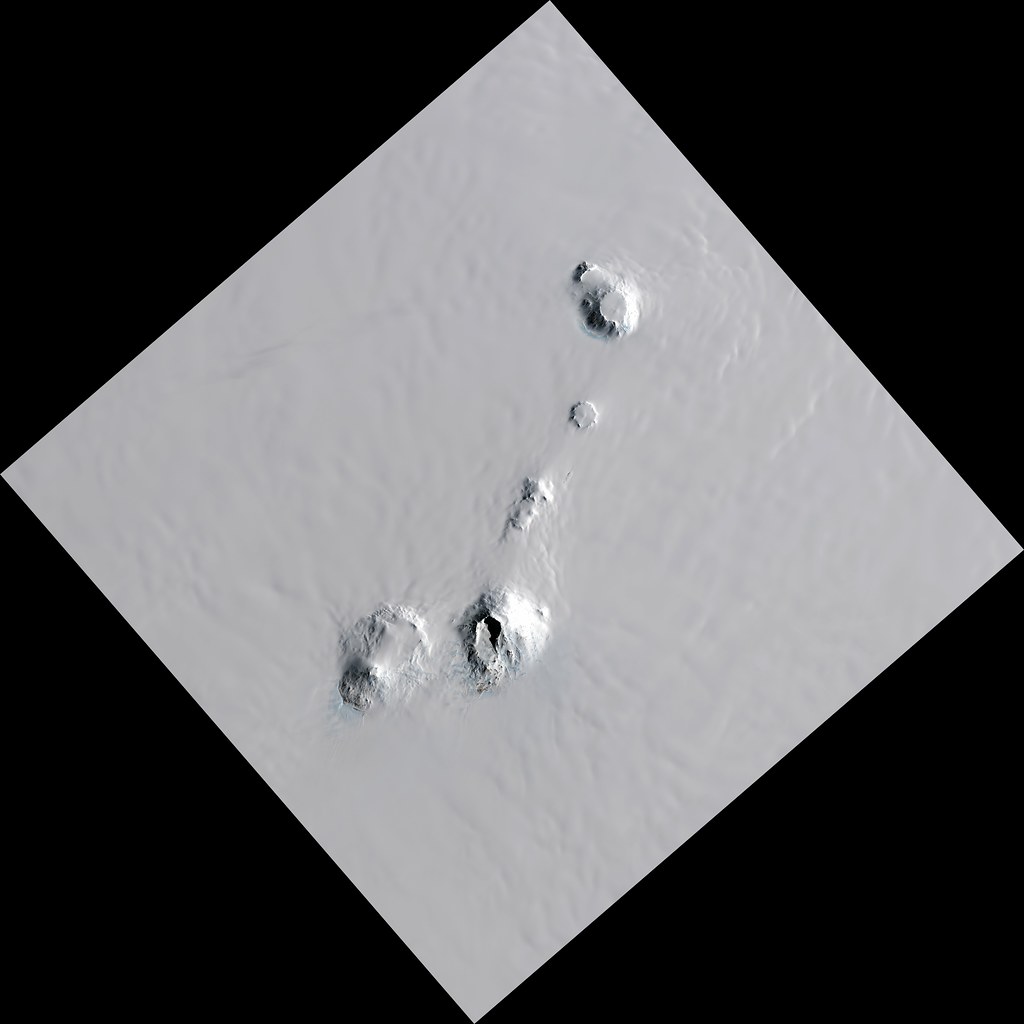
Mount Sidley is a massive shield volcano located in the Executive Committee Range of Marie Byrd Land, Antarctica. It stands at 4,285 meters (14,058 feet), making it the highest volcano on the continent and a member of the Volcanic Seven Summits. The volcano features a broad, gently sloping profile typical of shield volcanoes, formed by the eruption of low-viscosity basaltic lava flows over approximately 1.5 million years. Its defining geological feature is a vast 5-kilometer-wide caldera on the southern side, created by a catastrophic eruption about 4.7 million years ago that caused the collapse of the volcano’s south-facing slope, forming a sheer amphitheater wall known as the Weiss Amphitheater. The summit and caldera are covered by thick ice, with underlying volcanic minerals and fumarolic activity historically detected nearby. Although currently dormant, seismic studies have identified underground earthquakes in the region, suggesting potential volcanic activity in the broader area. Discovered in 1934 by Rear Admiral Richard E. Byrd, Mount Sidley remains one of the least visited and most enigmatic volcanoes on Earth.
Terrain and Hiking Experience on Mount Sidley
Climbing Mount Sidley is a demanding technical mountaineering expedition set in one of the most remote and extreme environments on Earth. The trek begins with a flight from Punta Arenas, Chile, to Union Glacier Camp, followed by a ski aircraft transfer to the base camp situated at approximately 2,000 meters elevation. From base camp, climbers face a challenging ascent of roughly 2,225 meters (7,300 feet) to the summit, typically over 5 to 7 days of alpine-style climbing. The terrain is dominated by vast glacial expanses with crevassed icefields requiring careful navigation and rope travel techniques. Climbers must be proficient in glacier travel and crevasse rescue, as the route crosses unstable snow bridges and hidden crevasses. The lower slopes feature gentle, wind-blown snowfields, but as the ascent progresses, the terrain becomes steeper with hard-packed snow and extensive blue-ice sections demanding the use of crampons and ice axes. One of the unique challenges is the presence of massive snow mushrooms near the summit ridge—wind-formed rime ice structures that create a maze-like obstacle course requiring careful route finding. The summit ridge itself follows the rim of the enormous caldera, offering exposure and spectacular views but also requiring sure-footedness and caution. Weather conditions are highly variable and can change rapidly, with strong katabatic winds and whiteout conditions common. Temperatures remain well below freezing even in the austral summer, often dropping below -30°C, necessitating high-quality cold-weather gear. The 24-hour daylight during the Antarctic summer provides extended climbing hours but also demands careful management of rest and activity cycles. Overall, the terrain combines technical snow and ice climbing with high-altitude effects intensified by the polar location, where atmospheric pressure is lower than at similar elevations elsewhere. Climbers must be physically fit, experienced in cold-weather mountaineering, and prepared for self-sufficient expedition-style climbing without porter support. The remoteness means that rescue options are limited, and all team members share responsibilities for camp setup, route safety, and logistics. Despite these challenges, the pristine, otherworldly landscape and the sense of isolation make the hiking experience on Mount Sidley uniquely rewarding for seasoned mountaineers.

What Makes the Mount Sidley Trek Unique
Mount Sidley stands apart from other volcano treks due to its extreme remoteness, Antarctic setting, and geological features. It is the highest volcano on the continent and one of the Volcanic Seven Summits, making it a coveted objective for elite mountaineers. The enormous 5-kilometer-wide caldera and the sheer amphitheater walls formed by ancient eruptions create a dramatic and rare volcanic landscape hidden beneath ice. The trek offers a surreal experience of climbing on vast, pristine icefields with minimal human presence, often feeling like an expedition to another planet. The presence of fantastical snow mushrooms near the summit ridge adds a unique visual and navigational challenge. The combination of technical glacier travel, high-altitude effects intensified by polar atmospheric conditions, and the harsh Antarctic climate demands exceptional preparation and skill. Unlike more frequented volcanoes, Mount Sidley sees very few ascents, preserving its untouched wilderness character. The 24-hour daylight of the Antarctic summer allows for extended climbing windows, while the surrounding landscape offers panoramic views of the Executive Committee Range and the vast Antarctic ice sheet. This trek is not only a physical challenge but also a profound journey into one of Earth’s last great frontiers.
Summit and Crater Experience on Mount Sidley
Reaching the summit of Mount Sidley is a moment of profound awe and accomplishment. The summit ridge traces the rim of the vast caldera, offering climbers a surreal vantage point over a 5-kilometer-wide crater that speaks to the volcano’s explosive past. The sheer walls of the Weiss Amphitheater drop steeply below, revealing the scale and power of ancient eruptions. At the summit, the panoramic views extend across the stark, white expanse of Antarctica’s ice sheet, with neighboring peaks like Mount Waesche visible in the distance. The air is thin and cold, with temperatures often plunging below -30°C, and the wind can be biting despite the clear skies. The sensory experience is heightened by the silence of the Antarctic interior, broken only by the crunch of snow underfoot and the occasional whistle of the wind. The smell of crisp, clean air replaces the sulfurous odors common on active volcanoes, as Mount Sidley is dormant. Climbers often describe a feeling of standing on the edge of the world, surrounded by an endless frozen wilderness that few have ever witnessed. After savoring the views and the accomplishment, the descent retraces the route back to high camp and base camp, requiring continued vigilance on the challenging terrain. The summit experience on Mount Sidley is not just a physical peak but a journey into the heart of Antarctica’s volcanic and glacial wilderness.
Best Time to Trek Mount Sidley
The optimal time to climb Mount Sidley is during the Antarctic summer months of December and January, when weather conditions are relatively more stable and temperatures are at their highest, though still well below freezing. This period offers 24-hour daylight, providing extended climbing windows and flexibility in scheduling summit attempts. Despite the summer season, climbers must be prepared for sudden weather changes, including strong katabatic winds and whiteout conditions that can delay progress or flights. Storms and blizzards are rare but possible, and expedition itineraries often include buffer days to accommodate weather-related delays. The Antarctic interior’s high pressure systems during summer typically bring clear, cold, and dry conditions, ideal for technical climbing. However, temperatures can still drop below -30°C, especially at higher elevations and during windy conditions, requiring appropriate cold-weather gear. Due to the remote location and logistical constraints, expeditions are carefully planned around these months to maximize safety and success. Outside this window, conditions become far more severe and are generally not suitable for climbing. Climbers should also consider the timing of flights to and from Union Glacier Camp, as weather can impact air travel in the region.
Routes and Trail Options on Mount Sidley
Mount Sidley offers several route options for the ascent, each selected based on landing site conditions, team skill level, and weather. The two primary routes are the longer, easier ascent from the north side and the steeper climb up the west ridge from the Bennett Saddle. The northern route provides a more gradual approach with gentler slopes, suitable for teams prioritizing a less technical climb while still requiring alpine skills and glacier travel proficiency. This route involves navigating crevassed glaciers and blue-ice fields, with intermediate camps established to aid acclimatization and manage the elevation gain of approximately 2,225 meters from base camp to summit. The west ridge route from Bennett Saddle is steeper and more demanding, favored by experienced climbers seeking a more direct and challenging ascent. This path requires careful route finding through snow mushrooms and exposed ridges, demanding solid crampon and ice axe techniques. Both routes involve alpine-style climbing, with climbers carrying their own food and equipment, setting up intermediate camps on the mountain. Skiing may be used on lower slopes to facilitate travel, but crampons are essential for the majority of the ascent. Given the mountain’s remoteness and variable conditions, guides assess the safest and most feasible route for each expedition. The limited number of ascents means that trail conditions can vary year to year, and climbers must be prepared for route finding and adapting to the terrain. Regardless of the chosen path, the final approach to the summit ridge offers spectacular views along the caldera rim and requires careful navigation of snow formations.
Difficulty Assessment of Mount Sidley Trek
Mount Sidley is classified as a demanding technical mountaineering expedition. While the slopes are generally not extremely technical, the combination of high altitude, polar conditions, and glacier travel elevates the challenge significantly. Climbers must be proficient in glacier travel, crevasse rescue, and the use of crampons and ice axes. The altitude of 4,285 meters is compounded by the polar atmospheric pressure, which can feel equivalent to 5,500 meters at the equator, increasing the risk of hypoxia and altitude sickness. The expedition requires excellent physical fitness, mental stamina, and experience in cold, high-altitude environments. Participants carry heavy loads, including personal gear and group equipment, often hauling sleds over crevassed terrain. The climb involves long days of strenuous activity, typically 6 to 8 hours daily, extending to 10 to 12 hours on summit day. Weather conditions can be harsh, with extreme cold, strong winds, and potential whiteouts. The remoteness means no porter support or immediate rescue options, demanding self-reliance and teamwork. Overall, Mount Sidley is suitable only for experienced mountaineers with prior high-altitude and cold environment expedition experience. It is not recommended for beginners or those without technical climbing skills.
Essential Gear for Mount Sidley Volcano Trek
Climbing Mount Sidley requires specialized gear tailored to extreme cold, technical glacier travel, and high-altitude mountaineering. Essential equipment includes mountaineering boots compatible with crampons for snow and ice; crampons and ice axes for steep snow and blue-ice sections; climbing harness, ropes, carabiners, and crevasse rescue gear; high-quality insulated clothing layers, including base layers, fleece, and down jackets; waterproof and windproof outer shell jackets and pants; balaclava, insulated gloves, and mittens for severe cold protection; gaiters to prevent snow ingress; sunglasses and glacier goggles for UV protection; headlamp with extra batteries for early starts and extended daylight; sleeping bag rated for extreme cold temperatures; high-calorie, lightweight expedition food and hydration systems; trekking poles for stability on varied terrain; personal locator beacon or satellite communication device; sunscreen and lip balm with high SPF; and a backpack capable of carrying personal gear and climbing equipment. Given the remote location, all gear must be reliable and tested for polar conditions. Climbers should also carry emergency bivouac equipment and first aid kits. Proper preparation and gear selection are critical for safety and success on this demanding expedition.
Safety and Volcanic Hazards on Mount Sidley
While Mount Sidley is classified as dormant with no recent eruptions, the expedition presents significant safety challenges primarily related to the Antarctic environment and mountain terrain. Key hazards include extreme cold temperatures often below -30°C, risking frostbite and hypothermia; strong katabatic winds and sudden weather changes causing whiteout and disorientation; crevassed glaciers requiring expert navigation and rope team travel; unstable snow bridges over crevasses posing fall risks; blue-ice slopes demanding technical climbing skills with crampons and ice axes; altitude effects exacerbated by polar atmospheric pressure, increasing hypoxia risk; and the remote location with limited rescue options and delayed emergency response. Volcanic hazards such as gas emissions or eruptions are currently negligible due to the volcano’s dormancy. However, seismic activity in the region is monitored by scientific agencies. Climbers must adhere to strict safety protocols, including traveling roped in glacier teams, carrying crevasse rescue equipment, and following guide instructions. Expeditions are planned with contingency days for weather delays, and communication with Antarctic research stations is maintained. Comprehensive pre-expedition training in crevasse rescue and cold-weather survival is mandatory. Awareness and respect for the harsh environment are essential for a safe and successful climb.
Permits, Guides, and Logistics for Mount Sidley Expeditions
Mount Sidley expeditions require meticulous planning, specialized permits, and coordination with experienced guiding companies due to the volcano’s extreme remoteness and Antarctic regulations. Access is tightly controlled under the Antarctic Treaty System, which mandates environmental protection and safety standards. Permits for travel and climbing are typically arranged by expedition operators who coordinate with national Antarctic programs and regulatory bodies. Individual climbers cannot independently obtain permits; participation is through organized expeditions. Several specialized tour operators offer guided climbs to Mount Sidley, including Adventure Consultants, Madison Mountaineering, Furtenbach Adventures, Mountain Professionals, Jagged Globe, Expeditions Unlimited, Guided Peaks, and Adventure Peaks. These companies provide comprehensive services encompassing permit acquisition, logistics, expert guides, safety protocols, and support. The typical itinerary begins with arrival in Punta Arenas, Chile, where climbers undergo equipment checks, medical screenings, and COVID-19 mitigation protocols. From there, a flight over the Drake Passage leads to Union Glacier Camp in Antarctica, serving as a staging area. Subsequent ski aircraft flights transport teams to Mount Sidley base camp at approximately 2,000 meters elevation. Climbing is conducted alpine-style, with climbers carrying their own gear and establishing intermediate camps on the mountain. The ascent involves glacier travel, crevasse navigation, and technical snow and ice climbing. Weather windows dictate flight schedules and summit attempts, with contingency days built into expedition plans. Costs for these expeditions are substantial, often exceeding $70,000 USD per person, reflecting the logistical complexity, specialized equipment, and expert support required. Insurance covering helicopter rescue, medical evacuation, and trip cancellation is mandatory. Given the technical demands and environmental sensitivity, climbers must demonstrate prior mountaineering experience, physical fitness, and readiness for self-sufficient expedition travel. The limited number of guided teams—typically fewer than ten per season—ensures small group sizes and personalized attention. In summary, climbing Mount Sidley is a rare and challenging endeavor that necessitates partnering with established Antarctic expedition outfitters who manage permits, logistics, safety, and guiding to provide a secure and successful experience.
Where to Stay and Nearby Bases for Mount Sidley Expeditions
Due to Mount Sidley’s extreme remoteness in Antarctica’s interior, there are no permanent accommodations or hotels near the volcano. All climbers stay in expedition-style camps and staging bases managed by specialized operators. The primary gateway city for Mount Sidley expeditions is Punta Arenas, Chile. Here, climbers typically stay in comfortable hotels such as Hotel Cabo de Hornos or Hotel Diego de Almagro, which offer amenities including warm rooms, reliable internet, and dining options. Punta Arenas serves as the final point for equipment checks, briefings, and acclimatization before departure. From Punta Arenas, climbers fly to Union Glacier Camp in Antarctica, operated by Antarctic Logistics and Expeditions (ALE). Union Glacier Camp is a seasonal base camp providing essential services such as heated tents, dining facilities, communications, medical support, and equipment storage. It serves as the logistical hub for flights deeper into Antarctica. The next step is a ski-equipped aircraft flight to Mount Sidley base camp, established at approximately 2,000 meters elevation on the mountain’s lower slopes. Base camp consists of high-quality expedition tents designed for polar conditions, including sleeping tents, a communal mess tent, and storage areas. Climbers acclimatize here and prepare for the ascent. During the climb, intermediate camps are set up on the mountain to support alpine-style climbing. These camps are minimalist, focused on shelter and safety, with all food, fuel, and equipment carried by the team. Given the absence of permanent infrastructure, all accommodations on the mountain and in Antarctica are temporary and expedition-managed. Climbers must be self-sufficient and prepared for harsh conditions. In summary, accommodation options for Mount Sidley expeditions include comfortable hotels in Punta Arenas, the well-equipped Union Glacier Camp as a staging base, and expedition tents at Mount Sidley base and high camps. These facilities provide the necessary support for a safe and successful climb in one of the world’s most remote environments.