
Hiking Santorini Caldera: A Complete Volcano Trekking Guide to Greece’s Iconic Volcanic Landscape
Explore the breathtaking Santorini Caldera, a massive submerged volcanic caldera in the Aegean Sea. This guide covers the geology, trekking routes, terrain challenges, logistics, accommodations, and safety tips for hiking along the caldera rim from Fira to Oia.
Quick Volcano Snapshot
| Attribute | Value |
|---|---|
| Volcano type | Caldera |
| Elevation | 300 m (caldera cliffs height) |
| Location | Santorini, Greece, Aegean Sea |
| Activity status | Dormant |
| Trekking difficulty | Easy to Moderate |
| Typical trek duration | 2.5 to 5 hours |
| Altitude gain | Approximately 300 meters |
| Terrain type | Volcanic rock, paved paths, rocky trails, steep inclines |
| Best season | April to May, September to October |
| Temperature range | 15°C to 30°C (59°F to 86°F) |
| Permit requirement | No permit required for hiking the caldera trail |
The Experience of Hiking Santorini Caldera
Hiking the Santorini Caldera trail is an immersive journey through one of the most dramatic volcanic landscapes in Europe. As you approach the caldera rim, towering cliffs rise sharply from the deep blue Aegean Sea, draped with iconic whitewashed villages. The contrast between the rugged volcanic terrain and the serene ocean panorama creates a powerful sense of geological grandeur. Walking along the rim, you feel the ancient power of the volcano beneath your feet, while the endless horizon invites reflection. Reaching the trail’s end in Oia, with its famous blue-domed churches and vibrant sunset, rewards trekkers with a profound emotional connection to this volcanic island’s unique beauty.
Geological Background of Santorini Caldera
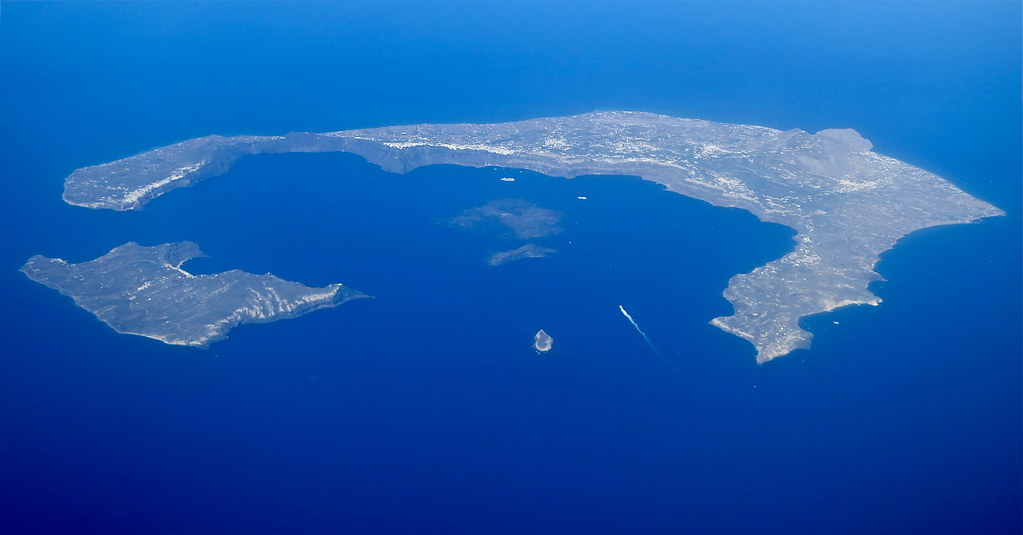
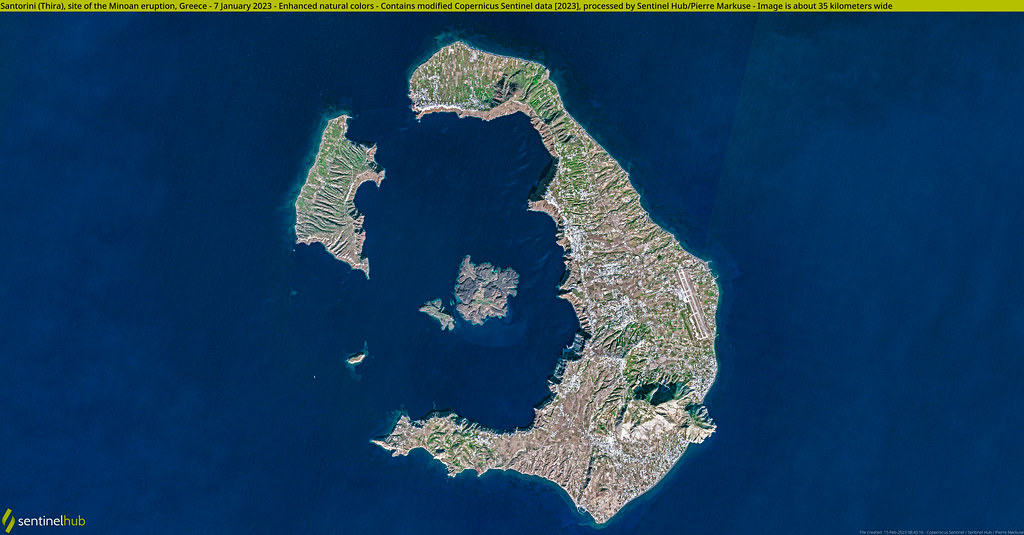
Santorini Caldera is a large, mostly submerged volcanic caldera formed by a series of massive eruptions over the past 180,000 years. It is part of the South Aegean Volcanic Arc, created by the subduction of the African tectonic plate beneath the Eurasian plate. The current caldera was formed approximately 3,600 years ago during the Minoan eruption, one of the largest volcanic events in recorded history. This eruption shaped the island’s dramatic cliffs and flooded the caldera basin, creating the deep lagoon surrounded by steep volcanic walls. The volcanic complex includes the central Kameni islands, formed by more recent lava flows, and features lava rocks, pumice deposits, fumaroles, and sulfur vents. The geology of Santorini offers a vivid window into volcanic processes, with overlapping shield volcanoes and multiple caldera collapses visible in the landscape.
Terrain and Hiking Experience on Santorini Caldera
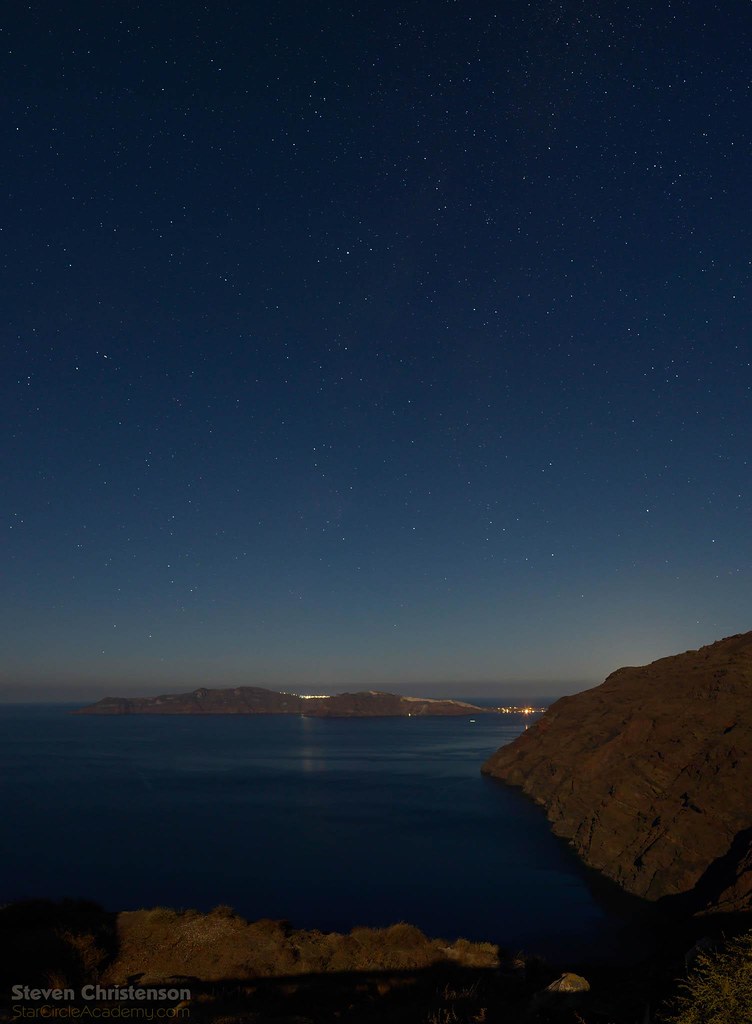
The Santorini Caldera trail stretches approximately 10 kilometers from Fira to Oia, tracing the edge of the volcanic caldera rim. The terrain is a varied mix of paved paths, rocky trails, and steep inclines, offering a moderate challenge suitable for hikers with reasonable fitness. The trail begins in Fira, the island’s bustling capital perched on the caldera cliffs, where the path is well-marked and paved. As you progress, the trail transitions to more rugged volcanic terrain, with uneven rocky surfaces composed of hardened lava and pumice stones. Some sections feature steep ascents and descents, requiring careful footing, especially where loose scree and volcanic gravel are present. The volcanic rock formations create a surreal landscape, with sharp ridges and deep fissures carved by past eruptions. Mediterranean vegetation such as wildflowers, olive trees, and vines dot the trail, adding bursts of color to the otherwise stark volcanic backdrop. The trail offers continuous panoramic views of the caldera’s flooded basin, the Aegean Sea, and surrounding islands, making every step visually rewarding. Wind conditions can vary, with stronger gusts near exposed cliff edges, so hikers should be prepared for sudden temperature shifts and occasional chilly breezes. The trail’s moderate difficulty level means it is accessible to many, but hikers should wear sturdy footwear with good grip and bring sufficient water and sun protection. The combination of volcanic terrain, steep cliffs, and breathtaking vistas creates a hiking experience that is both physically engaging and deeply inspiring.
What Makes the Santorini Caldera Trek Unique
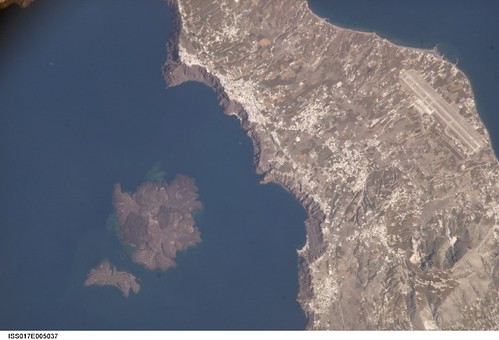
Santorini Caldera’s trek is unique for its combination of geological grandeur and cultural charm. Unlike typical volcanic hikes, this trail follows the rim of a massive flooded caldera, offering unparalleled views of the deep blue sea framed by towering volcanic cliffs. The trail passes through iconic Cycladic villages such as Fira, Firostefani, Imerovigli, and Oia, where traditional whitewashed architecture contrasts beautifully with the rugged volcanic landscape. The volcanic islands of Nea Kameni and Palea Kameni at the caldera’s center add a dynamic element, with Nea Kameni featuring active fumaroles and recent lava flows. The trek’s accessibility and moderate difficulty make it suitable for a wide range of hikers, while the dramatic sunsets over the caldera provide a magical atmosphere unmatched anywhere else. The blend of natural volcanic features, historic settlements, and panoramic ocean vistas creates a trekking experience that is both adventurous and culturally enriching.
The Summit and Crater Experience on Nea Kameni
While the main caldera rim trail does not lead to a traditional summit, an optional excursion to Nea Kameni island offers a close encounter with an active volcanic crater. Hiking up Nea Kameni’s rugged paths, trekkers reach the crater rim where steam vents and fumaroles emit sulfurous gases, filling the air with a distinctive scent. The ground beneath is warm, a tangible reminder of the volcano’s latent power. From the crater edge, panoramic views stretch across the caldera’s flooded basin and the surrounding islands. The stark black lava rocks contrast vividly with the azure sea, creating a dramatic and otherworldly scene. The experience is sensory and intense — the sound of escaping gases, the heat radiating from fumaroles, and the sight of volcanic formations all combine to immerse hikers in the raw forces that shaped Santorini. This volcanic island hike complements the caldera rim trek and deepens the understanding of Santorini’s fiery origins.
Best Time to Trek Santorini Caldera
The ideal seasons for trekking Santorini Caldera are spring (April to May) and early autumn (September to October). During these periods, the weather is pleasantly warm without the intense heat and crowds of the summer months. Temperatures typically range from 15°C to 30°C, providing comfortable conditions for hiking. Summer can be very hot, with strong sun exposure and limited shade along the trail, making early morning starts essential. Winter months are cooler and wetter, with occasional rain and stronger winds, which can make the rocky terrain slippery and less safe. Volcanic activity on Santorini is currently dormant, so there are no restrictions related to eruptions, but hikers should always check local weather and trail conditions before setting out. Sunrise and sunset hikes offer spectacular lighting for photography but require headlamps and extra caution on uneven paths. Overall, spring and autumn provide the best balance of weather, trail conditions, and visitor numbers.
Routes and Trail Options on Santorini Caldera
The primary trekking route on Santorini Caldera is the rim trail from Fira to Oia, covering approximately 10 kilometers (6.2 miles). This trail follows the caldera edge, passing through several picturesque villages including Firostefani and Imerovigli. The route is moderately challenging, with a mix of paved sections and rocky volcanic terrain, and includes some steep ascents and descents. Hikers typically spend between 2.5 to 5 hours completing the trail, depending on pace and stops for photography or rest. The trail is well-marked and accessible without special permits. Guided tours are widely available, offering expert insights into the geology, history, and culture of the area. Popular tour operators include Angel Sailing, Discover Greece, and Kimkim, which provide combined hiking and boat tours incorporating visits to the volcanic islands of Nea Kameni and Palea Kameni. For those seeking a shorter or less strenuous option, segments of the trail can be explored independently, starting or ending at any of the villages along the rim. Additionally, boat tours with short hikes on the volcanic islands offer alternative ways to experience Santorini’s volcanic landscape. Whether self-guided or with a professional guide, the route options provide flexibility to suit different fitness levels and interests.
Difficulty Assessment of Santorini Caldera Trek
The Santorini Caldera trek is classified as an easy to moderate volcano hike. The terrain includes paved paths, rocky volcanic trails, and some steep sections with elevation gains of up to 300 meters. While the trail is accessible to most hikers with a reasonable fitness level, it requires good footwear and caution on uneven or loose surfaces. The volcanic rock can be sharp and slippery in places, and the trail’s exposure to wind and sun demands proper preparation. There are no technical climbing sections or specialized mountaineering skills needed, making it suitable for beginners to intermediate hikers. However, the length of the trail and the elevation changes mean that those with limited mobility or poor fitness may find it challenging. Overall, the trek offers a rewarding experience without extreme physical demands, perfect for adventure travelers seeking a scenic volcanic hike with cultural highlights.
Essential Gear for Hiking Santorini Caldera
Proper gear enhances safety and comfort on the Santorini Caldera trek. Essential items include sturdy hiking boots with good grip to handle rocky and uneven volcanic terrain. Trekking poles can provide extra stability on steep or loose sections. Sun protection is critical due to limited shade: bring a wide-brimmed hat, sunglasses, and high-SPF sunscreen. Lightweight, breathable clothing suited for warm weather is recommended, along with a windproof jacket for cooler or windy conditions near the caldera rim. Carry sufficient water to stay hydrated throughout the 2.5 to 5-hour hike, as water sources along the trail are scarce. A small first aid kit, snacks, and a fully charged mobile phone are advisable. For early morning or sunset hikes, a headlamp or flashlight is necessary. While volcanic gases are minimal on the caldera rim, those visiting Nea Kameni’s active crater may consider a gas mask or respirator if sensitive to sulfur fumes. Overall, gear should balance protection, comfort, and lightness for an enjoyable volcano trekking experience.
Safety and Volcanic Hazards on Santorini Caldera
Santorini Caldera is currently dormant, with no recent eruptions, making it a relatively safe destination for hikers. However, volcanic terrain presents inherent risks that require caution. The trail includes steep cliffs and exposed edges where falls could be dangerous. Loose volcanic scree and sharp lava rocks increase the risk of slips and ankle injuries. Sudden weather changes, including strong winds near the caldera rim, can affect balance and temperature comfort. While volcanic gases are generally minimal on the caldera rim, visitors to Nea Kameni’s active crater may encounter sulfurous fumes, which can irritate the respiratory system; sensitive individuals should take precautions. It is important to stay on marked trails, avoid unstable ground near crater edges, and heed local safety warnings. Monitoring agencies keep watch on Santorini’s volcanic activity, and hikers should check for any alerts before their visit. Adequate preparation, proper gear, and awareness of terrain hazards ensure a safe and rewarding trekking experience.
Permits, Guides, and Logistics for Hiking Santorini Caldera
Hiking the Santorini Caldera trail from Fira to Oia does not require any special permits, making it accessible for independent trekkers. The trail is open year-round, though weather conditions may affect safety during winter months. For those seeking a richer experience, guided tours are highly recommended and widely available through reputable operators such as Angel Sailing, Discover Greece, Kimkim, Viator, and Strogili Santorini. These companies offer comprehensive packages combining hiking with boat excursions to the volcanic islands of Nea Kameni and Palea Kameni, including visits to active craters and hot springs. Guided tours typically last 4 to 5 hours and provide expert geological and historical commentary, enhancing understanding of Santorini’s volcanic heritage. Booking in advance is advised, especially during peak tourist seasons. Transportation logistics are straightforward: Fira is easily reachable by bus from Santorini International Airport and the island’s main ports. The trailhead in Fira is well signposted and accessible on foot from the town center. Public buses run frequently between Fira and Oia, allowing hikers to plan one-way treks with convenient return options. No permit fees or park entry charges apply for the caldera rim trail, but some boat tours and guided hikes may include fees. Visitors should check current conditions and tour availability locally, as trail maintenance and weather can impact access. Overall, Santorini offers well-organized trekking logistics supported by experienced local guides and operators, ensuring a smooth and informative volcano hiking adventure.
Where to Stay Near Santorini Caldera
Accommodation options near the Santorini Caldera rim trail are abundant and cater to a range of preferences, from luxury resorts to charming boutique hotels. The cliffside villages of Fira, Imerovigli, and Oia are the most popular bases for hikers, offering stunning caldera and sea views alongside convenient access to the trail. Fira, the island’s capital, features vibrant streets filled with shops, restaurants, and cultural landmarks. Hotels such as the Caldera Cliffs Hotel and Porto Fira Suites provide comfortable lodging with panoramic vistas. Imerovigli, perched at one of the highest points on the caldera, is renowned for breathtaking sunsets and tranquil ambiance. Luxury accommodations here include Grace Hotel, Astra Suites, and Honeymoon Petra Villas, many with private balconies overlooking the volcanic cliffs. Oia, famous for its iconic blue-domed churches and sunset views, offers upscale hotels like Canaves Oia Suites, Katikies, and Andronis Boutique Hotel. These properties combine traditional Cycladic architecture with modern amenities, including infinity pools, spa services, and gourmet dining. For travelers seeking authentic experiences, smaller guesthouses and boutique hotels such as the Boutique Caldera View Hotel in Oia provide intimate stays with personalized hospitality. All these locations are within walking distance or a short bus ride from the caldera trailheads, making them ideal for early starts and post-hike relaxation. Booking accommodations well in advance is recommended, especially during peak seasons, to secure the best rooms with caldera views.