

Mount Sabotino Volcano Trekking Guide: Exploring Lazio’s Dormant Volcanic Complex Near Rome
Discover the unique volcanic landscape of Mount Sabotino in Lazio, Italy. This dormant complex volcano offers moderate trekking routes through crater lakes, forests, and volcanic terrain just outside Rome. Learn about its geology, hiking experience, routes, permits, accommodations, and safety tips in this comprehensive guide.
Quick Volcano Snapshot
| Attribute | Value |
|---|---|
| Volcano type | Complex volcano |
| Elevation | 612 m (Monte Rocca Romana) |
| Location | Lazio, Italy |
| Activity status | Dormant |
| Trekking difficulty | Moderate |
| Typical trek duration | 4-6 hours |
| Altitude gain | Approx. 250 m |
| Terrain type | Volcanic ash slopes, crater lakes, forest trails |
| Best season | Spring to early autumn |
| Temperature range | 10°C to 25°C |
| Permit requirement | No special permits required, but adherence to park regulations is mandatory |
Introduction: The Experience of Hiking Mount Sabotino
Approaching Mount Sabotino, hikers are greeted by a striking volcanic landscape marked by serene crater lakes and lush forests. The dormant volcanic complex offers a compelling contrast between the rugged volcanic terrain and the verdant surroundings. Trekking here immerses you in the geological history of the region, with expansive views over the volcanic depressions and the distant skyline of Rome. The journey through ash-covered slopes and wooded trails culminates in reaching the volcanic summits, where the quiet power of this ancient volcano is palpable. The emotional reward of standing amidst this volcanic heritage, so close to Italy’s capital, is profound and inspiring.
The Volcano Itself: Geological Background
Mount Sabotino is a complex volcanic district located in the Lazio region of central Italy, characterized by a series of volcanic centers active from approximately 600,000 to 100,000 years ago. The volcanic activity primarily involved explosive eruptions forming pyroclastic deposits and maar craters, which have shaped the current landscape. The region includes the notable volcanotectonic depression now occupied by Lake Bracciano, formed about 3.7 million years ago. Monte Rocca Romana, the highest peak at 612 meters, is a post-caldera stratocone formed after the main eruptive phases. The volcanic deposits include thick layers of ash flow tuffs and lava flows rich in potassium and alkaline minerals. Although currently dormant, the area still exhibits geothermal activity such as thermal springs and sulfur vents, reflecting its dynamic volcanic past.
The Volcano Trek: Terrain and Hiking Experience
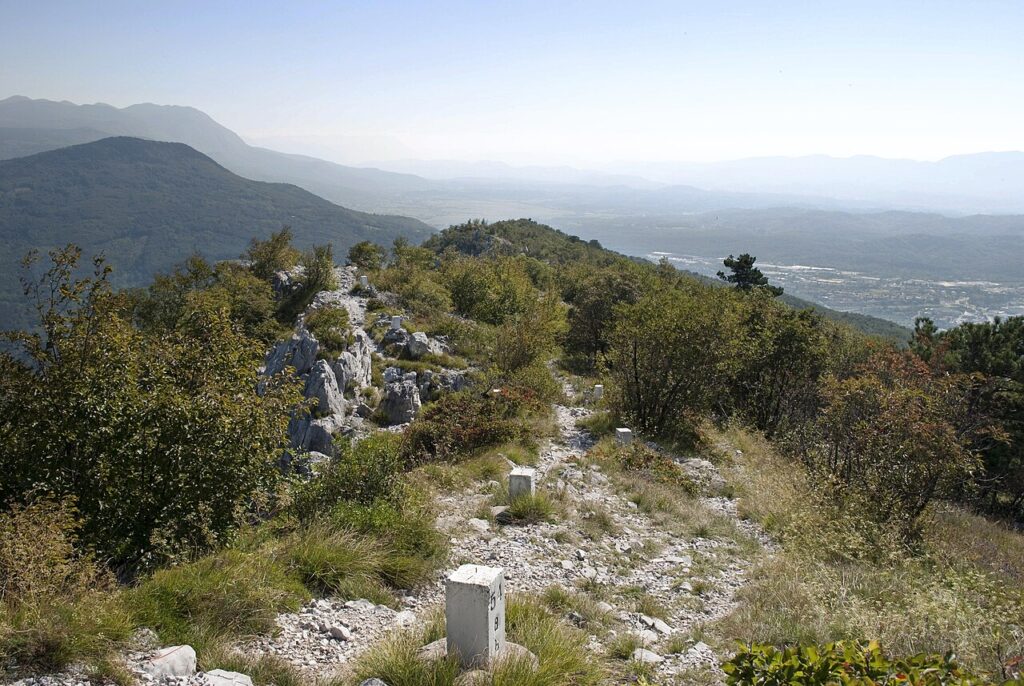
Hiking Mount Sabotino offers a diverse and engaging terrain that challenges and delights trekkers of moderate experience. The trails wind through a mixture of volcanic ash slopes, dense forests, and rocky outcrops. The volcanic ash and pumice soils create soft, sometimes loose footing, requiring careful steps especially on steeper inclines. The ascent to Monte Rocca Romana involves moderate elevation gain of about 250 meters over approximately 13 kilometers of trail, typically completed in 4 to 6 hours. Trekkers will encounter sections of well-maintained paths interspersed with natural, rugged terrain that demands good hiking boots and trekking poles for stability. The forested areas are unique, featuring birch trees that are uncommon at this altitude, adding a surreal white contrast to the green landscape. Weather conditions can vary, with cool temperatures in the shade and warmer exposure on open volcanic slopes. Wind can be a factor near the summit, so layered clothing is advisable. The trail offers a blend of geological features including ancient lava flows, ignimbrites, and crater lakes, providing a rich sensory experience of volcanic landscapes. The route is well-suited for day hikes, with opportunities to explore natural springs and waterfalls along the way. Overall, the terrain balances accessibility with the authentic challenge of volcanic hiking, making it a rewarding adventure for those seeking to connect with Italy’s volcanic heritage.
What Makes This Volcano Trek Unique
Mount Sabotino stands out for its combination of volcanic features and proximity to Rome, offering a rare opportunity to explore a dormant volcanic complex within easy reach of a major city. The presence of crater lakes such as Lake Bracciano and Lake Martignano within the volcanic depressions adds a serene aquatic element to the rugged volcanic terrain. The forests, including unusual birch groves, create a striking contrast to the barren ash slopes typical of volcanic landscapes. The area’s rich geological history is visible in the extensive pyroclastic deposits and lava domes, telling the story of explosive eruptions and volcanic evolution. Unlike many active volcanoes, Sabotino’s dormancy allows for peaceful exploration without the urgency of volcanic hazards, making it ideal for nature lovers and geology enthusiasts. The cultural backdrop of Lazio, with its ancient history and nearby Roman heritage sites, enriches the trekking experience, blending natural wonder with historical significance.
The Summit and Crater Experience
Reaching the summit of Monte Rocca Romana, the highest point in the Sabotino volcanic complex, rewards hikers with panoramic views over the volcanic lakes and the surrounding Lazio countryside. The crater rim, though subdued compared to active volcanoes, reveals the scale of past eruptions through its broad depressions and layered volcanic deposits. The air carries a faint scent of sulfur from distant fumaroles, a subtle reminder of the volcano’s dormant power. The summit area is often quiet, allowing visitors to absorb the geological significance and the peaceful atmosphere. From here, the vista extends to the distant cityscape of Rome, juxtaposing ancient volcanic forces with human history. The experience is both humbling and exhilarating, offering a sensory connection to the Earth’s volcanic processes and the passage of geological time.
Best Time to Trek Mount Sabotino
The optimal trekking season for Mount Sabotino spans from spring through early autumn, roughly April to October. During these months, the weather is generally mild and stable, with temperatures ranging from 10°C to 25°C. Spring offers vibrant flora and comfortable hiking conditions, while summer provides longer daylight hours but can be warmer on exposed volcanic slopes. Autumn brings cooler temperatures and colorful foliage, enhancing the scenic beauty. Winter months are less suitable due to colder weather and potential trail wetness. Rainfall is moderate, so hikers should prepare for occasional showers, especially in spring and autumn. The dormant status of the volcano means there are no volcanic activity restrictions, but hikers should always check local weather forecasts and park advisories before setting out.
Trekking Routes and Trail Options
Mount Sabotino offers several well-marked trekking routes suitable for moderate hikers. The most popular route is a circular trail starting near the Manziana caldera, covering approximately 13 kilometers with an elevation gain of about 250 meters. This loop takes hikers through diverse landscapes including volcanic ash fields, birch forests, and along crater rims. The trail duration is typically around 6 hours, allowing for a full day of exploration. Another option is a shorter out-and-back route to Monte Rocca Romana, the highest peak, which can be completed in 3 to 4 hours. Both routes are accessible from nearby towns such as Manziana and Bracciano, with trailheads reachable by local transport or car. Guided hikes are available through local associations certified by Federtrek, offering expert knowledge on geology and natural history. Self-guided hikers should carry detailed maps and be prepared for variable terrain. The trails are generally well-maintained but include natural volcanic features that require careful footing. Seasonal variations may affect trail conditions, so checking with local guides or park authorities is recommended before planning your trek.
Difficulty Assessment
Mount Sabotino’s trekking routes are classified as moderate in difficulty. The terrain includes soft volcanic ash slopes, uneven rocky sections, and forest paths that require a reasonable level of fitness and surefootedness. The altitude is relatively low, peaking at 612 meters, so altitude sickness is not a concern. However, the loose volcanic soil can challenge balance, especially on steeper ascents and descents. No technical climbing skills or specialized equipment are necessary, making the trek accessible to hikers with some prior experience. The moderate elevation gain and trail length demand good stamina and appropriate pacing. Weather conditions such as wind or rain can increase difficulty, so preparation is key. Overall, the trek suits adventurous hikers seeking a rewarding volcanic landscape without extreme physical demands.
Essential Volcano Trekking Gear
For trekking Mount Sabotino, essential gear includes sturdy hiking boots with good grip to navigate loose volcanic ash and rocky terrain. Trekking poles are recommended to aid balance and reduce strain on knees during ascents and descents. Layered clothing is important to adapt to temperature changes and wind exposure near the summit. A windproof jacket and rain gear are advisable due to variable weather. Sun protection such as a hat, sunglasses, and sunscreen is necessary since volcanic landscapes offer little shade. Carry at least 1.5 liters of water and high-energy snacks to stay hydrated and fueled. A map or GPS device is useful for navigation, especially for self-guided hikes. While volcanic gases are minimal due to dormancy, sensitive individuals may consider a light face mask. A headlamp is recommended if hiking early morning or late afternoon. First aid supplies and a mobile phone for emergencies complete the essential kit.
Safety and Volcanic Hazards
Mount Sabotino is classified as a dormant volcanic complex, with no recent eruptions for approximately 70,000 years. As such, volcanic hazards are minimal compared to active volcanoes. However, hikers should remain cautious of natural trail risks including loose volcanic ash, unstable rocks, and uneven terrain that can cause slips or falls. Weather can change rapidly, bringing wind or rain that affects trail safety. Although fumarolic activity is limited, some areas may emit faint sulfurous gases; individuals with respiratory sensitivities should take precautions. It is important to stay on marked trails to protect fragile ecosystems and avoid hazardous zones. Local authorities and park services monitor the area and provide safety information. Emergency services are accessible from nearby towns. Hikers should inform someone of their plans and carry a charged mobile phone. Overall, with proper preparation and respect for the environment, trekking Mount Sabotino is safe and rewarding.
Permits, Guides, and Logistics
Mount Sabotino is located within protected natural areas in the Lazio region, but no special permits are required for hiking the volcano. Visitors must adhere to local park regulations designed to preserve the environment, including staying on designated trails and respecting wildlife. Guided hikes are highly recommended to enrich the experience with geological insights and ensure safety. Local tour operators and hiking associations, such as those certified by Federtrek, offer organized excursions with experienced guides knowledgeable about the volcanic complex and its natural history. These guided tours typically include transportation arrangements, detailed route planning, and safety briefings. Participation fees for guided hikes generally range around €10 per person, supporting conservation efforts and guide training. Access to trailheads is possible by car or local bus services from nearby towns like Manziana and Bracciano. The nearest major airport is Rome Fiumicino Airport (FCO), approximately one hour’s drive away. Visitors planning self-guided hikes should obtain detailed maps and check weather and trail conditions in advance. Accommodation and dining options are available in surrounding towns, facilitating multi-day exploration of the region. Overall, the logistics are straightforward, making Mount Sabotino an accessible and well-supported destination for volcano trekking.
Where to Stay Near Mount Sabotino
Accommodation options near Mount Sabotino cater to a range of preferences, from charming guesthouses to comfortable hotels in nearby towns. The town of Bracciano, located on the shores of Lake Bracciano, offers several well-appointed hotels and B&Bs such as Hotel Il Casale and Hotel Ristorante Il Caminetto, providing easy access to trailheads and lake activities. Bracciano’s historic center features restaurants and amenities ideal for relaxing after a day of trekking. Manziana, closer to the volcanic complex, hosts smaller inns and agriturismi that immerse visitors in the rural Lazio landscape. For travelers seeking a more immersive natural experience, eco-lodges and countryside villas are available in the surrounding hills, offering tranquility and scenic views. Rome, approximately 40 kilometers southeast, serves as a convenient base with extensive accommodation choices ranging from luxury hotels to budget hostels, combined with excellent transport links to the Sabotino area. Visitors can also explore unique stays such as monastery guesthouses in Lazio, providing cultural depth alongside comfort. Most accommodations provide parking and can assist with local hiking information. Early booking is advised during peak seasons to secure preferred lodging. Overall, the region offers a blend of accessibility and authentic Italian hospitality to complement the volcano trekking adventure.