
Hiking Mount Vesuvius: The Definitive Volcano Trekking Guide to Italy’s Legendary Stratovolcano
Mount Vesuvius, Italy’s iconic stratovolcano, offers a unique trekking experience combining geological wonder, historical significance, and breathtaking views over the Bay of Naples. This guide covers everything from the volcano’s dramatic past and terrain challenges to practical logistics, permits, and accommodation options.
Quick Volcano Snapshot
| Attribute | Value |
|---|---|
| Volcano type | Somma–stratovolcano |
| Elevation | 1,281 meters |
| Location | Campania, Italy |
| Activity status | active rest |
| Trekking difficulty | moderate |
| Typical trek duration | 1 to 2 hours round trip |
| Altitude gain | approximately 200 meters |
| Terrain type | volcanic ash, pumice, gravel, rocky outcrops |
| Best season | April to October |
| Temperature range | 10°C to 25°C (50°F to 77°F) |
| Permit requirement | entry ticket to Vesuvius National Park required |
The Experience of Hiking Mount Vesuvius
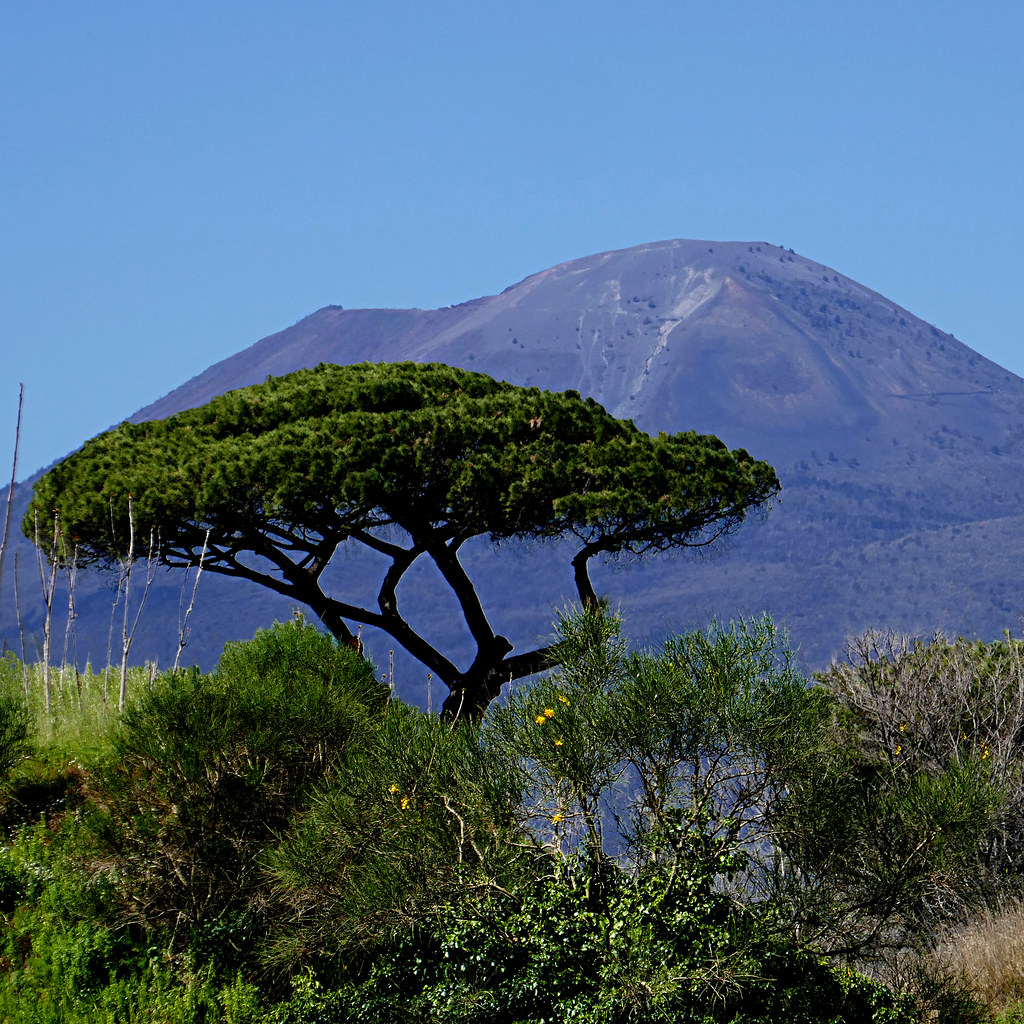
Approaching Mount Vesuvius, the towering silhouette dominates the Campanian landscape, a silent sentinel over the bustling Bay of Naples. The hike offers a visceral connection to the earth’s raw power, as you ascend through volcanic ash and rugged lava fields. The contrast between the lush surroundings of the national park and the stark, barren summit creates a dramatic backdrop. Standing at the crater’s edge, the vast caldera reveals a steaming heart, a reminder of the volcano’s volatile nature. The panoramic views of Naples, the Amalfi Coast, and the distant islands evoke a profound sense of awe and respect for this legendary mountain.

Geological Background of Mount Vesuvius
Mount Vesuvius is a somma–stratovolcano formed approximately 400,000 years ago, evolving from the collapse of an older volcano known as Mount Somma. The current structure features a large cone partially encircled by the steep rim of the ancient caldera. Its most infamous eruption occurred in AD 79, when a violent Plinian eruption buried the Roman cities of Pompeii, Herculaneum, and others under ash and pumice, preserving them for centuries. The volcano’s eruptions are characterized by explosive activity, producing pyroclastic flows, ash clouds, and lava deposits. The summit crater, known as the Gran Cono, emits fumaroles and steam vents, with sulfur deposits marking its volatile nature. Vesuvius remains one of the most studied volcanoes globally due to its complex geology and proximity to densely populated areas.
The Volcano Trek: Terrain and Hiking Experience
The hike up Mount Vesuvius is a moderately challenging trek that rewards adventurers with dramatic volcanic landscapes and sweeping views. Starting from the national park entrance at around 1,000 meters elevation, the trail ascends approximately 200 meters over a distance of about 1.7 kilometers one way. The main route, known as the Gran Cono trail, is well-marked and maintained but features a steep incline, especially near the summit. The terrain varies from compact volcanic ash and pumice to loose gravel and rocky outcrops. Trekkers will encounter sections of uneven footing where volcanic debris can shift underfoot, requiring sturdy hiking boots with good grip. The path winds through sparse vegetation, including hardy shrubs and trees adapted to the volcanic soil, before opening onto the exposed crater rim. As you ascend, the air thins slightly, and wind conditions can intensify, especially near the summit, where the landscape is barren and exposed. Temperature fluctuations are common, with cooler breezes at the top contrasting with warmer conditions at the base. The trail offers intermittent rest points and interpretive signage explaining the volcano’s geology and history. Hikers should be prepared for dust and ash stirred by the wind, and the trail can become slippery after rain. Despite these challenges, the trek is accessible to most with a reasonable fitness level and does not require technical climbing skills. The final approach to the crater rim involves a short but steep scramble over volcanic rock, culminating in an unforgettable view into the steaming caldera. Overall, the hiking experience combines physical exertion with immersive geological exploration, making it a compelling adventure for volcano enthusiasts and casual trekkers alike.

What Makes the Mount Vesuvius Trek Unique
Mount Vesuvius stands apart due to its unparalleled blend of geological significance and historical impact. The volcano’s catastrophic AD 79 eruption immortalized it in history, linking the trek to the tragic fate of Pompeii and Herculaneum. This connection offers hikers a profound narrative, walking on the same slopes that shaped ancient civilizations. The trek provides a rare opportunity to stand on an active stratovolcano’s crater rim in continental Europe, witnessing fumaroles and sulfur vents firsthand. The juxtaposition of the lush Campanian landscape with the stark volcanic summit creates a striking visual contrast. Additionally, the panoramic views encompass the Bay of Naples, the Amalfi Coast, and the islands of Capri and Ischia, offering breathtaking photographic opportunities. The accessibility of the hike, combined with its rich cultural and geological context, makes Mount Vesuvius a unique destination. The presence of well-maintained trails, visitor centers, and expert guides enhances the experience, allowing visitors to engage deeply with the volcano’s story and environment.
The Summit and Crater Experience
Reaching the summit of Mount Vesuvius is a moment of awe and reflection. The crater rim, known as the Gran Cono, reveals a vast caldera with steaming fumaroles and sulfurous vents emitting wisps of smoke. The ground beneath your feet is warm, a tangible reminder of the volcano’s latent power. The air carries the distinct scent of sulfur, mingling with the fresh mountain breeze. The crater’s rugged interior displays layers of volcanic deposits, from ash to hardened lava, telling the story of millennia of eruptions. The panoramic vista from the rim is spectacular, with the sprawling metropolis of Naples stretching below, framed by the deep blue waters of the Gulf and the distant silhouettes of islands. Visitors often pause here, absorbing the dramatic landscape and contemplating the volcano’s history and potential future. The summit is exposed and can be windy, so appropriate clothing is advised. Small kiosks near the crater offer refreshments and souvenirs, allowing hikers to rest before descending. The experience is both humbling and exhilarating, connecting you directly with one of nature’s most formidable forces.

Best Time to Trek Mount Vesuvius
The optimal time to hike Mount Vesuvius is during the spring through early autumn months, from April to October. During this period, the weather is generally mild and stable, with daytime temperatures ranging from 10°C to 25°C (50°F to 77°F). The trails are dry and more accessible, reducing the risk of slipping on wet volcanic ash or gravel. Summer months can be warm, especially at lower elevations, so early morning or late afternoon hikes are recommended to avoid heat and crowds. The summit remains cooler and windier, so layering is essential. Winter and late autumn bring colder temperatures and increased precipitation, which can make the trail slippery and less comfortable. Snow is rare but possible at the summit, adding to the difficulty. Volcanic activity is closely monitored year-round, and the volcano is currently in a phase of active rest. Visitors should check for any temporary closures or restrictions issued by the Vesuvius Observatory or park authorities before planning their trek. Avoiding peak tourist times, such as weekends and holidays, can enhance the experience by reducing crowding on the trails and at the crater rim.
Trekking Routes and Trail Options on Mount Vesuvius
Mount Vesuvius National Park offers a network of 11 marked trails totaling approximately 54 kilometers, catering to various interests and fitness levels. The most popular and accessible route for visitors is the Gran Cono trail (Path No. 5), which leads directly to the crater rim. The Gran Cono trail starts near the park entrance at about 1,000 meters elevation, accessible by shuttle bus or on foot from designated parking areas. This trail is approximately 1.7 kilometers one way, with an elevation gain of around 200 meters. It typically takes 1 to 2 hours to complete the round trip, depending on pace and time spent at the summit. The trail surface consists of volcanic ash, gravel, and rocky sections, requiring sturdy footwear. The path is well-maintained and marked, with interpretive signs along the way explaining geological features and eruption history. An alternative route under development aims to allow a full circuit around the crater rim, providing a more comprehensive view of the volcano’s summit features. Currently, visitors can walk along the western side of the crater rim, which offers spectacular views of the Bay of Naples and surrounding landscapes. For those seeking longer hikes, other trails within the national park explore the lower slopes, volcanic forests, and surrounding reserves such as the Tirone Reserve. These routes offer opportunities to experience the diverse flora and fauna adapted to the volcanic environment. Guided tours often combine the hike with visits to nearby archaeological sites like Pompeii and Herculaneum, providing a rich cultural and natural experience. Self-guided hikers should ensure they have tickets for park entry and check shuttle schedules if not arriving by private vehicle.
Difficulty Assessment of the Mount Vesuvius Trek
Mount Vesuvius presents a moderate trekking challenge suitable for most visitors with a reasonable level of fitness. The trail’s primary difficulty arises from the steep incline near the summit and the loose volcanic ash and gravel underfoot, which can be slippery. The altitude gain of approximately 200 meters over a short distance requires sustained effort but does not involve technical climbing or mountaineering skills. The highest point accessible to hikers is around 1,281 meters, which is not high enough to cause significant altitude sickness. The terrain includes uneven surfaces, rocky patches, and exposed sections near the crater rim, where wind and weather conditions can add to the challenge. Proper footwear with good traction is essential. Overall, the trek is classified as a moderate volcano trek, accessible to beginners who are prepared for a steep uphill walk and capable of managing uneven terrain. Those with mobility issues or severe health conditions should consult with park authorities before attempting the hike.
Essential Volcano Trekking Gear for Mount Vesuvius
To ensure a safe and comfortable hike up Mount Vesuvius, the following gear is recommended: sturdy hiking boots with good grip to handle loose volcanic ash and rocky terrain; trekking poles to assist with balance on steep and uneven sections; layered clothing including a windproof jacket, as the summit can be windy and cooler than the base; sun protection such as a wide-brimmed hat, sunglasses, and high SPF sunscreen due to limited shade; ample water supply to stay hydrated, especially during warmer months; a headlamp or flashlight if planning early morning or late afternoon hikes; a small backpack to carry snacks, water, and extra clothing layers; a face mask or bandana can be useful to filter volcanic dust stirred by wind; a camera or smartphone for capturing the stunning views. Visitors should also carry their pre-purchased entry ticket and any necessary identification. It is advisable to check weather conditions before the hike and adjust gear accordingly.
Safety and Volcanic Hazards on Mount Vesuvius
Mount Vesuvius is an active volcano currently in a phase of ‘active rest,’ monitored continuously by the Vesuvius Observatory. While the risk of eruption during a visit is minimal, hikers should remain aware of potential hazards. Volcanic gases such as sulfur dioxide can be present near fumaroles and vents, which may cause respiratory irritation. Visitors with respiratory conditions should exercise caution. The crater rim features unstable edges and loose rocks, posing risks of falls or rockslides. Staying on marked trails and observing safety barriers is essential. Loose volcanic ash and gravel can make footing slippery, especially after rain. Proper footwear and trekking poles help mitigate this risk. Sudden weather changes, including strong winds and temperature drops at the summit, require appropriate clothing and preparedness. Emergency plans and evacuation procedures are in place for the surrounding communities, but visitors should follow all park regulations and heed any warnings or closures. Visitors are advised to check the latest safety information from official sources before their hike and to avoid venturing off designated paths.
Permits, Guides, and Logistics for Visiting Mount Vesuvius
Access to Mount Vesuvius requires a valid entry ticket to the Vesuvius National Park, which must be purchased in advance online through the official park website or authorized vendors. Tickets are time-specific and non-transferable, so planning ahead is essential, especially during peak tourist seasons. There is no onsite ticket office at the park entrance, and cellular reception is limited, making prior ticket purchase mandatory. Entry fees are modest, supporting park maintenance and conservation efforts. Private vehicles cannot drive directly to the trailhead; parking is available at designated roadside areas around 1,000 meters elevation, typically costing around €5. From there, visitors can either walk approximately 20 minutes to the park entrance or take a shuttle bus for a small additional fee. Several reputable tour operators offer guided hikes and combined excursions including visits to Pompeii and Herculaneum. Notable companies include Askos Tours, Leisure Italy, Mount Vesuvius Naples Tours, Tripnossis, and Vesuvio Express. These tours often provide roundtrip transportation from Naples or Pompeii, entry tickets, expert guides, and sometimes additional experiences such as wine tasting or archaeological tours. Guided tours enhance the experience by providing historical context, geological insights, and ensuring safety on the trails. For independent travelers, detailed maps and signage are available, but hiring a guide is recommended for those unfamiliar with the area or seeking a richer educational experience. Public transportation options include regional trains to Ercolano Scavi or Pompeii-Villa dei Misteri stations, followed by shuttle buses to the park entrance. Train tickets are inexpensive but schedules should be checked in advance. Visitors arriving by car should plan for early arrival to secure parking and avoid crowds. Visitors should bring their own water and snacks, as facilities on the trail are limited. The summit area has small kiosks selling refreshments and souvenirs. Overall, the combination of mandatory tickets, shuttle logistics, and available guided tours ensures a well-managed visitor experience balancing accessibility with conservation.
Where to Stay Near Mount Vesuvius and Nearby Bases
Mount Vesuvius is conveniently located near several towns and cities offering a range of accommodation options suitable for all budgets. The nearby city of Naples, approximately 9 kilometers west of the volcano, serves as the primary base for visitors. Naples boasts numerous hotels, from luxury establishments like the Romeo Hotel—known for its contemporary design and stunning views of the Gulf of Naples—to mid-range and budget-friendly options scattered throughout the city. For those seeking proximity to the volcano and archaeological sites, the towns of Pompeii and Herculaneum provide charming guesthouses, boutique hotels, and bed-and-breakfasts. Pompeii, in particular, is popular due to its direct access to the ancient ruins and shuttle connections to Vesuvius National Park. Accommodations here range from family-run inns to modern hotels offering amenities such as guided tours and shuttle services. Smaller villages like Ercolano and Torre del Greco also offer lodging options closer to the volcano’s slopes, providing a quieter atmosphere and easier access to trailheads. These locations feature local eateries and authentic Italian hospitality. Camping is not permitted within the national park, but several campsites exist in the broader Campania region for those interested in outdoor stays. Visitors planning to combine their volcano trek with visits to the Amalfi Coast or Sorrento can find numerous hotels and resorts in these areas, though they are farther from Vesuvius and require additional travel time. When selecting accommodation, consider transportation options to the park entrance, as private car access is limited and shuttle services or guided tours are common. Early booking is advised during peak seasons to secure preferred lodging. Overall, the region offers diverse lodging choices that complement the adventure of hiking Mount Vesuvius, blending cultural immersion with comfort and convenience.